Science
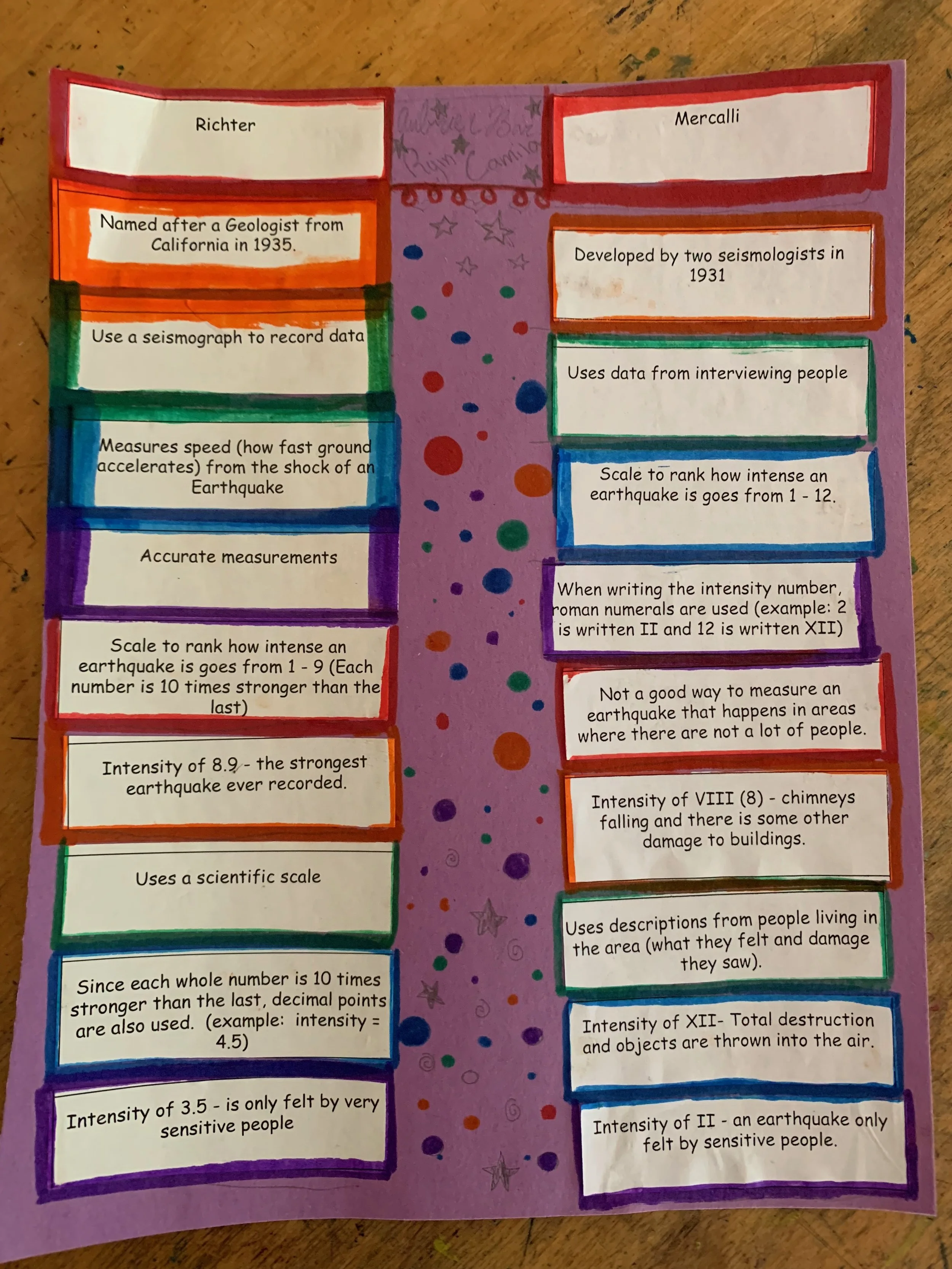
This month in science, our class continued with our exploration of earthquakes. Students familiarized themselves with two of the most common scales used to measure the intensity of earthquakes, and used one of them to locate the epicenter of an earthquake.
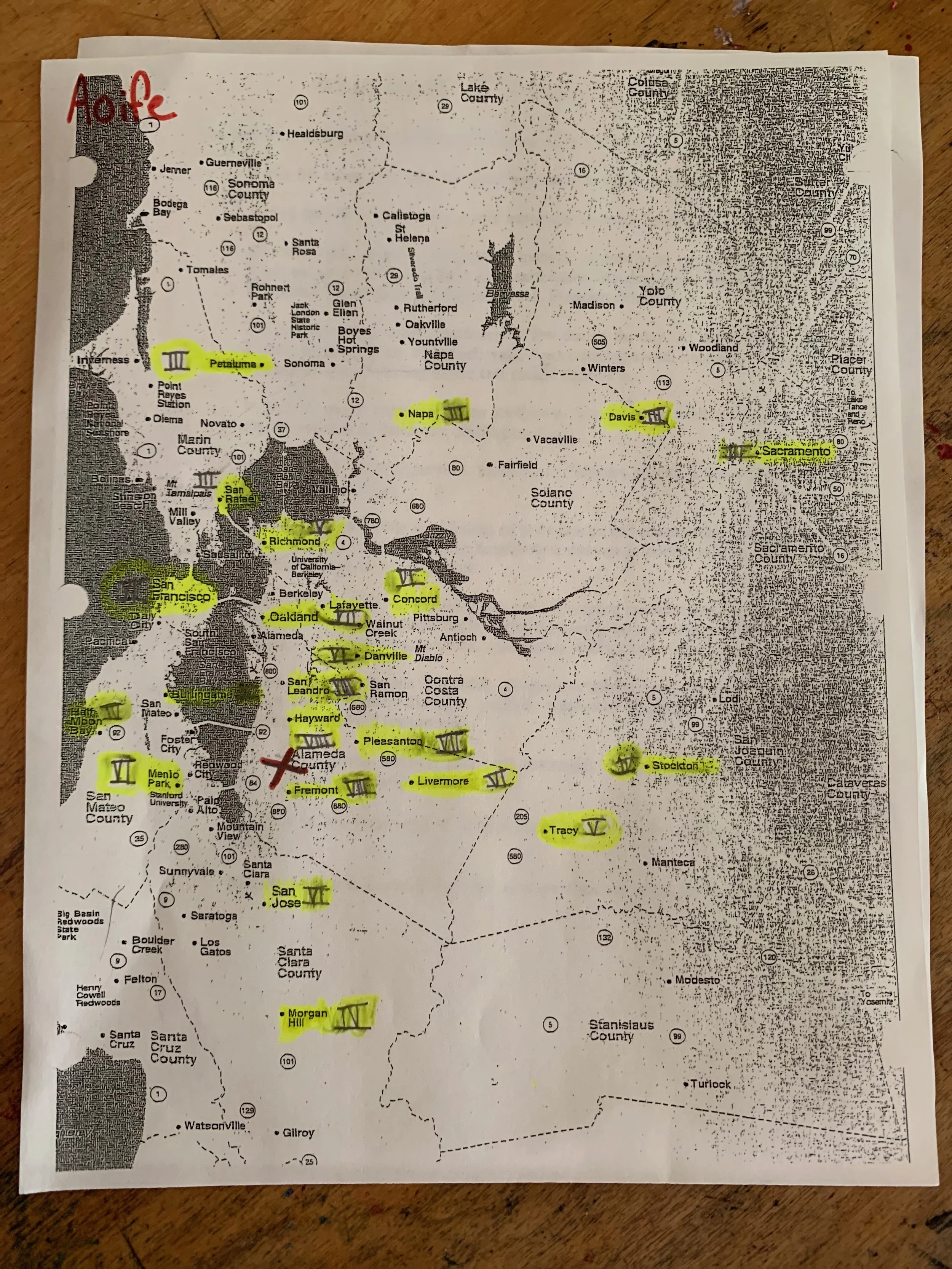
Analyzing data recorded from past earthquakes in California, as well as fault line locations, our class assessed our risk of experiencing a large earthquake where we live. Since the class determined that our risk is high, we will also be learning about some strategies to be more prepared for a large earthquake.
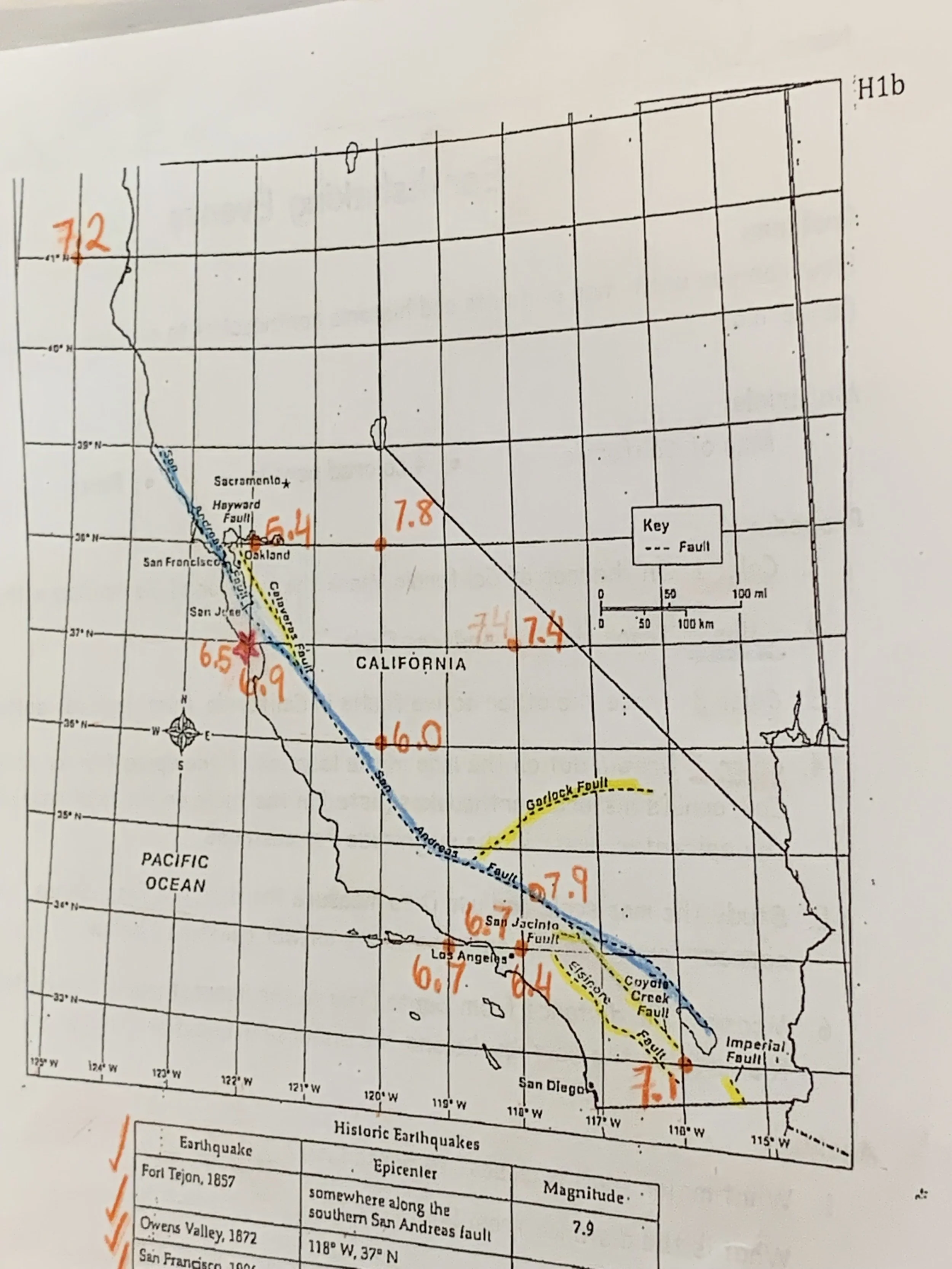
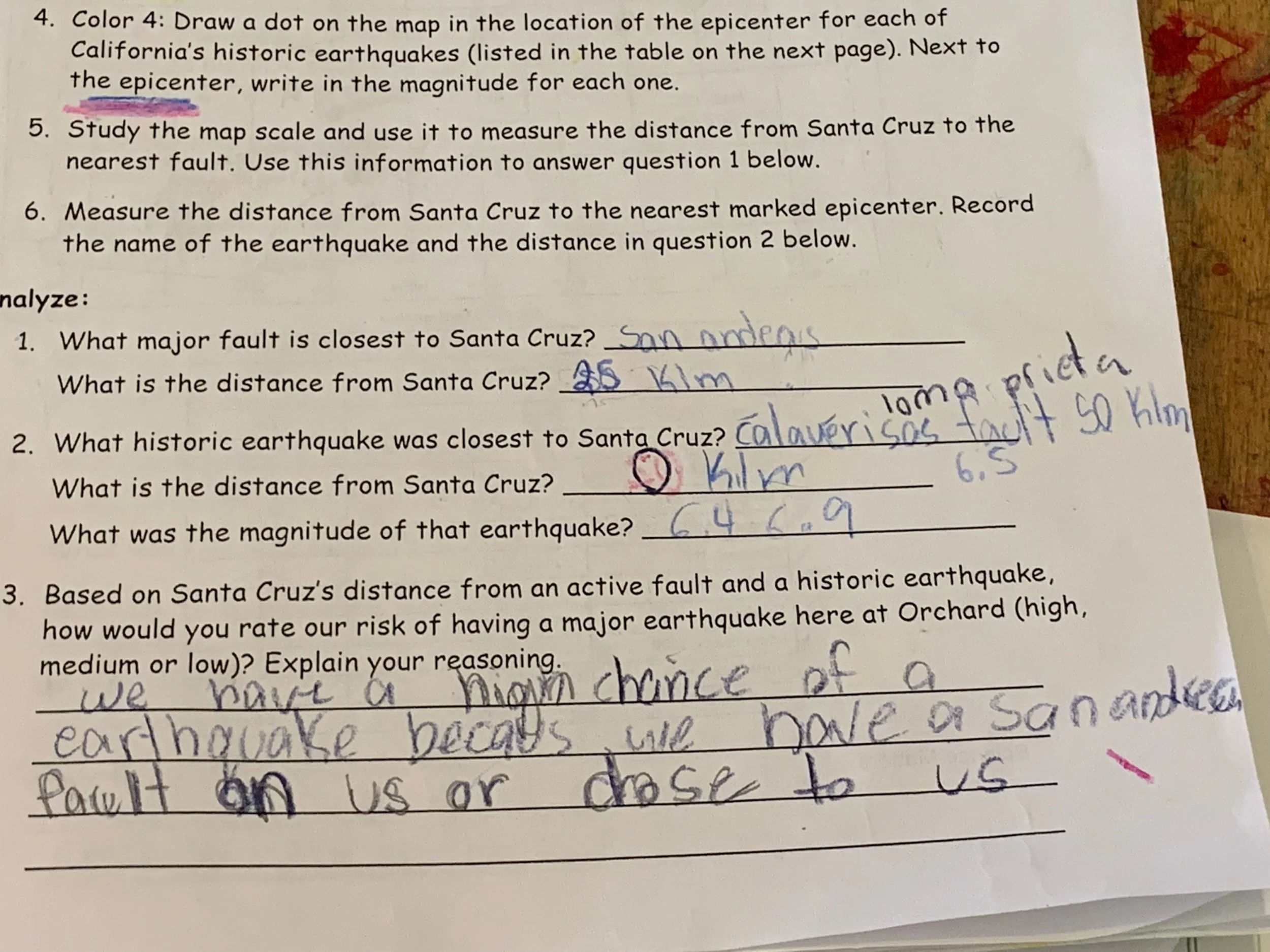
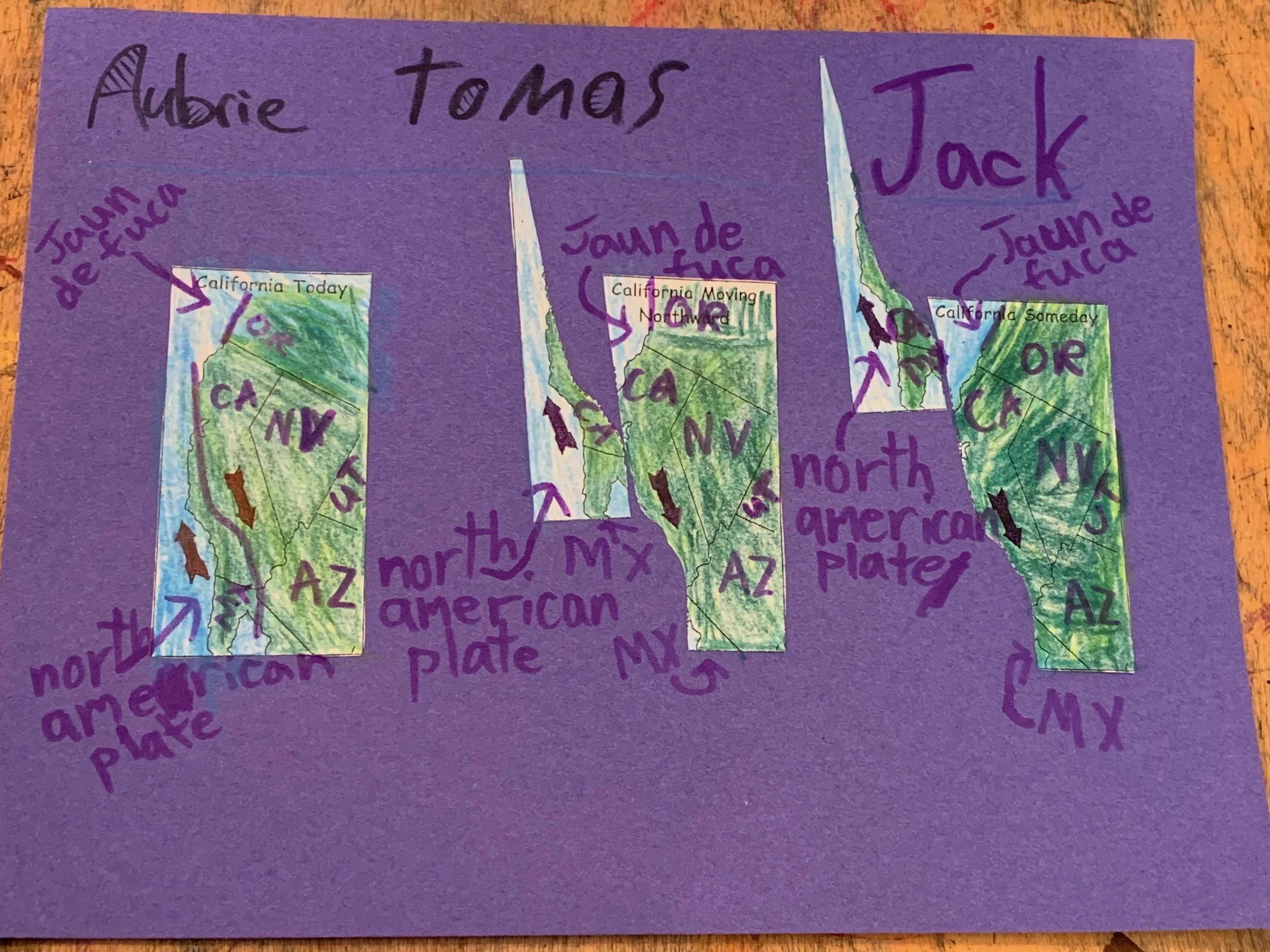
At home, you can visit the red cross website, and have a discussion about how your family can take steps to be prepared for an earthquake. Also on this site, are suggested items to include in an emergency preparedness kit.
Red Cross: https://www.redcross.org/get-help/how-to-prepare-for-emergencies/survival-kit-supplies.html
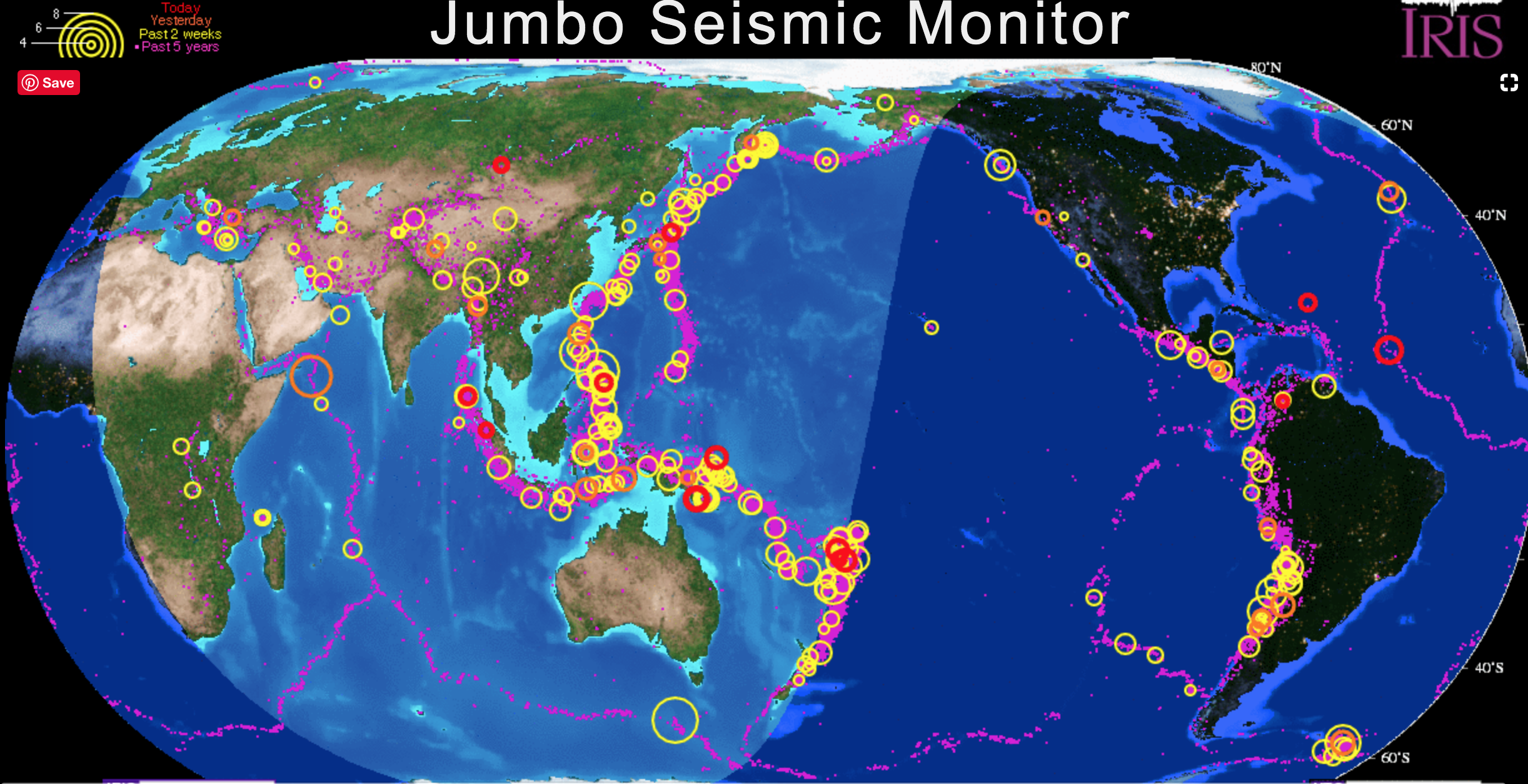
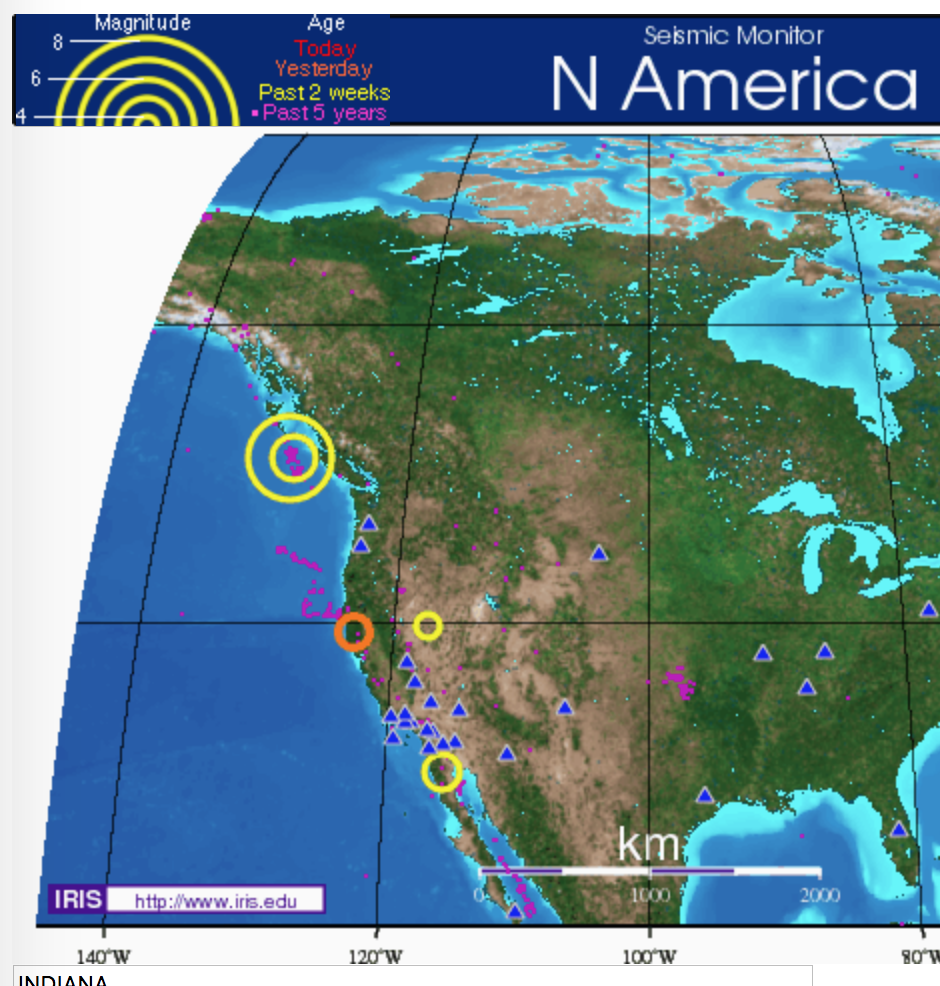
Students really enjoyed looking at this website. It shows all the earthquakes that have occurred from 5 years ago up to today, and their magnitude. Student quote, “I am going to go home and watch this for 24 hours!”
Live earthquake site: http://ds.iris.edu/seismon/index.phtml
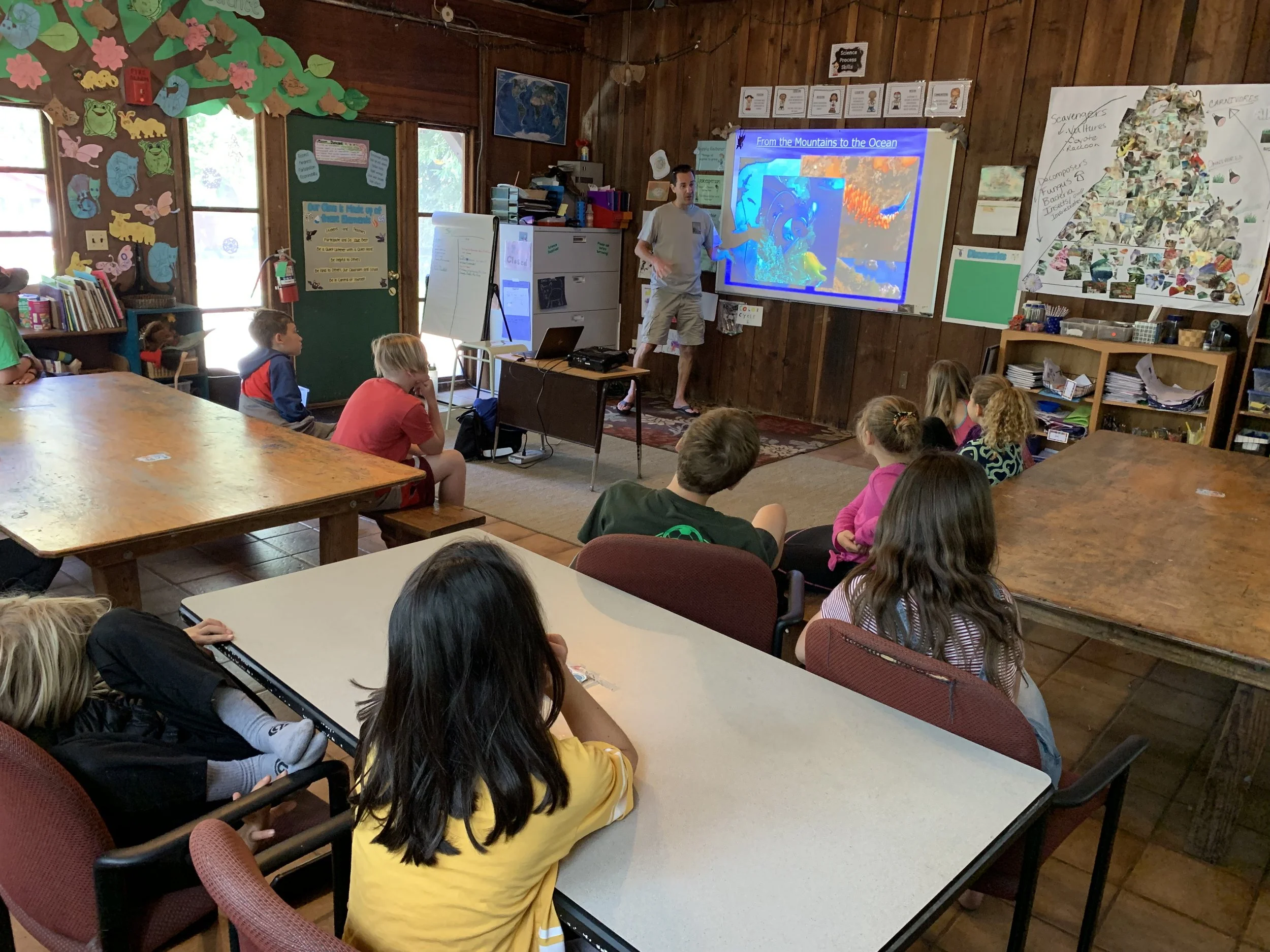
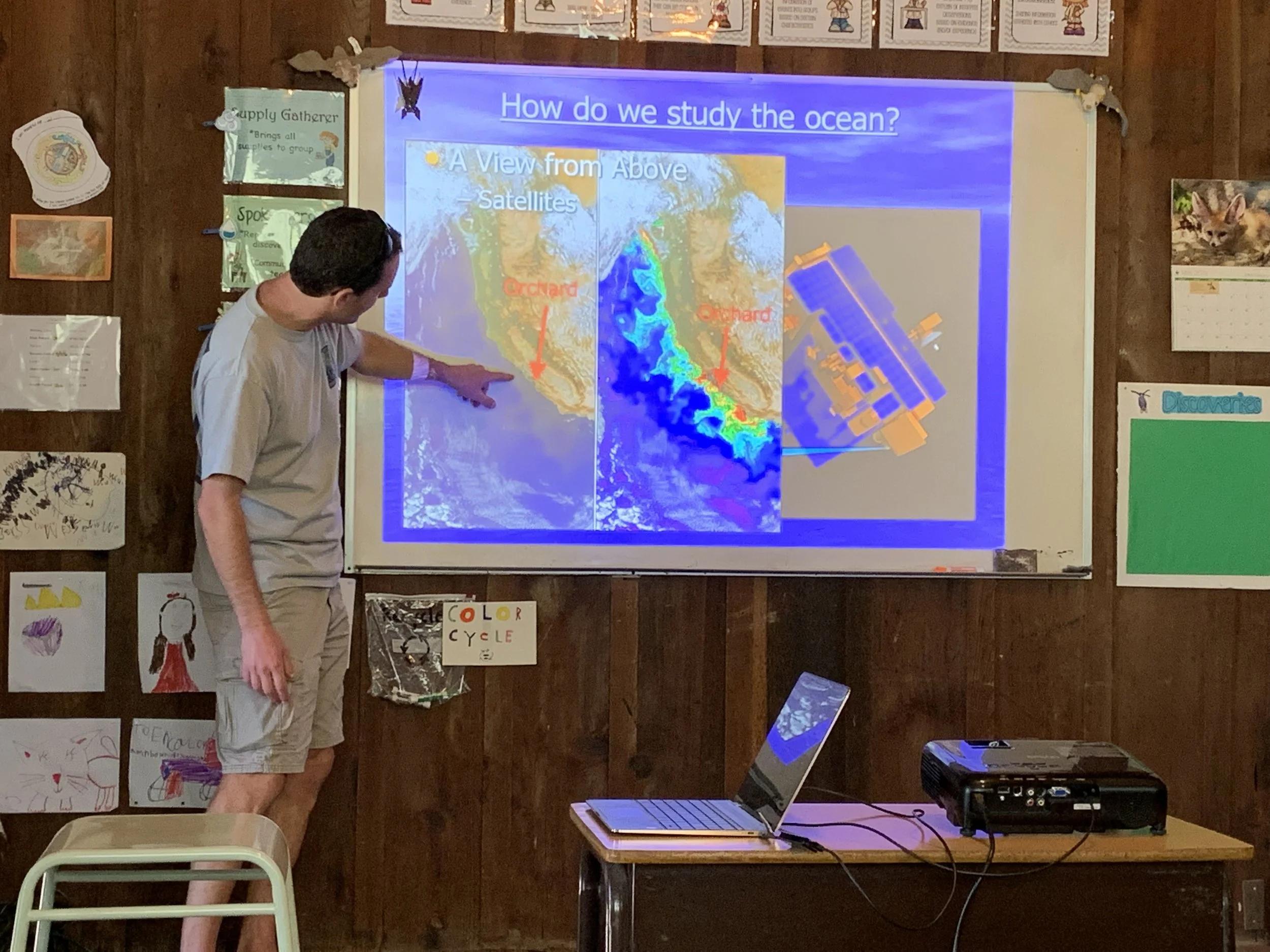
Our class was also visited by an Oceanographer from UCSC, who gave a very interesting presentation that included the different ways scientists study the oceans, and also some actions we can take as individuals to help preserve them.