Language Arts
After spring break, we began our non-fiction writer’s process. (The fall had us working on our fiction writer’s process with our Halloween stories). The kids went through the writing steps of brainstorming, graphic organizing, drafting, peer revising, peer editing, and self-editing. Many kids even chose to type their final draft. We always have so much fun reading yearbooks from years past. We use the yearbooks as a tool to notice how one can structure their writing, and offer examples of topics a student may want to write about. The kids get a kick seeing teachers and students over time, and they enjoy reading about what other kids have enjoyed about that particular school year at Orchard.
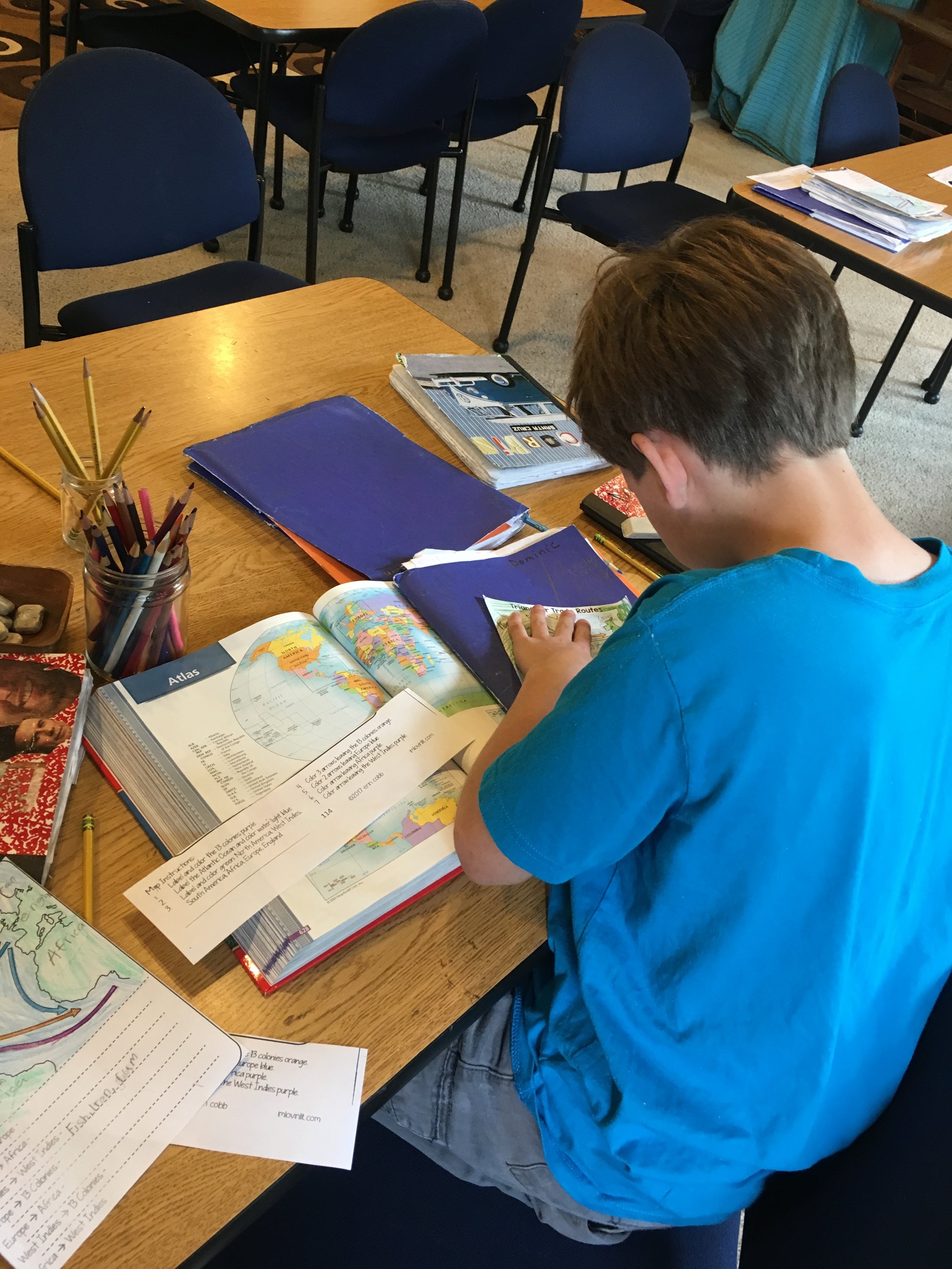
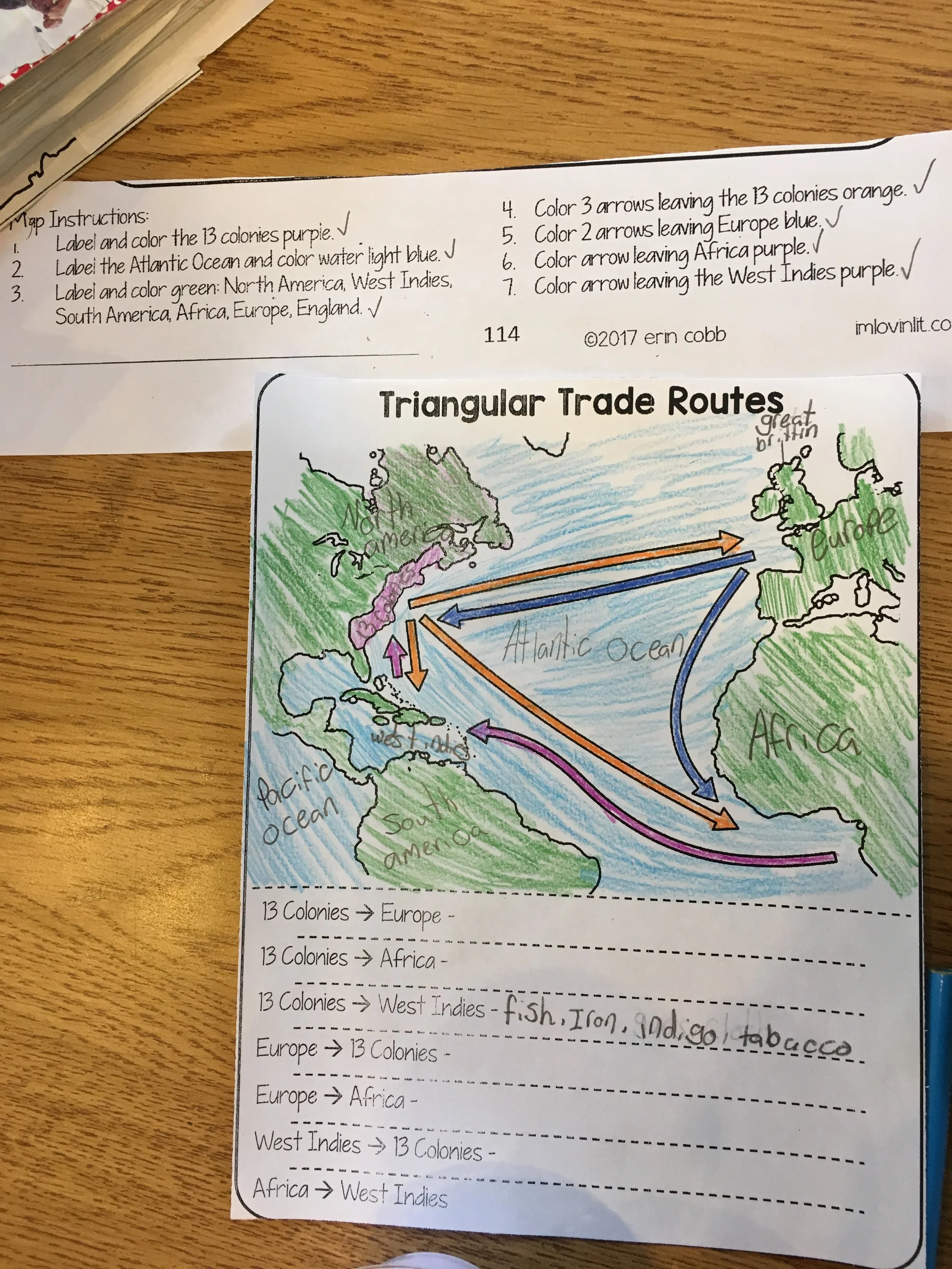
Once we wrapped up our autobiographies, we picked up where we left off in our U.S. History studies. After a quick review, we moved into reading, writing, map creating, and analyzing about the Triangle Trade. The Triangle Trade studies lent itself nicely to a grammar focus of commas and semicolons. We used guided lessons and our cursive books to get a better understanding of how and when to use commas and semicolons.
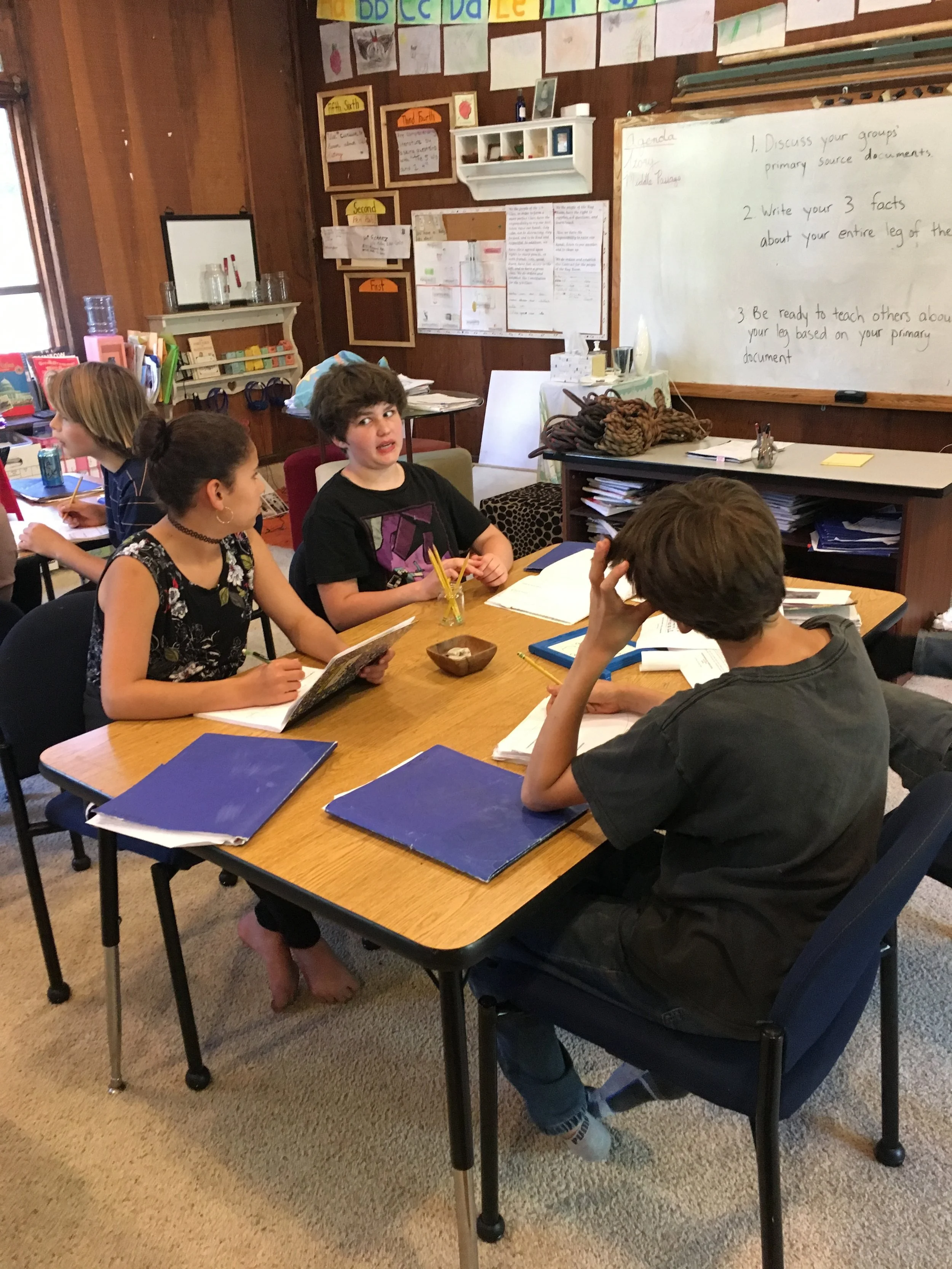
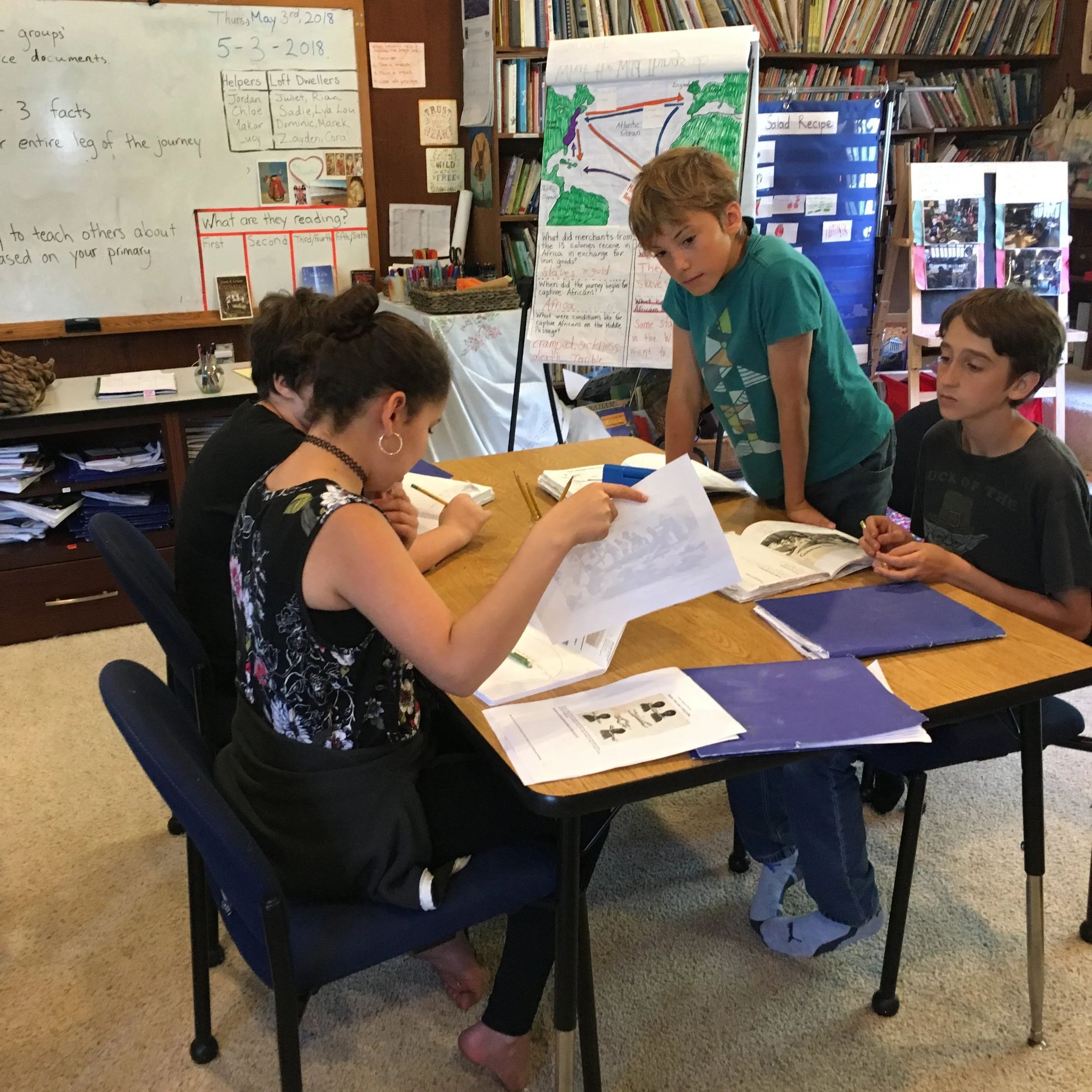
One of the legs of the Triangle Trade includes the solemn study of the Middle Passage. The delicate topic of humans being transported as cargo is a reality of our history that cannot be avoided. I was impressed at the students’ maturity, curiosity, and empathy as we used primary sources to better understand this topic. Introducing the concept of primary versus secondary sources was an academic counterbalance to the topic. As a class, we analyzed several primary sources related to the Middle Passage. Later, each table group was assigned primary documents from either before, during, or after the Middle Passage journey. With their group, they analyzed and wrote about their specific part of the journey. Next, one member of each table group combined with other classmates so they could all teach each other about their table’s topic.