Language Arts
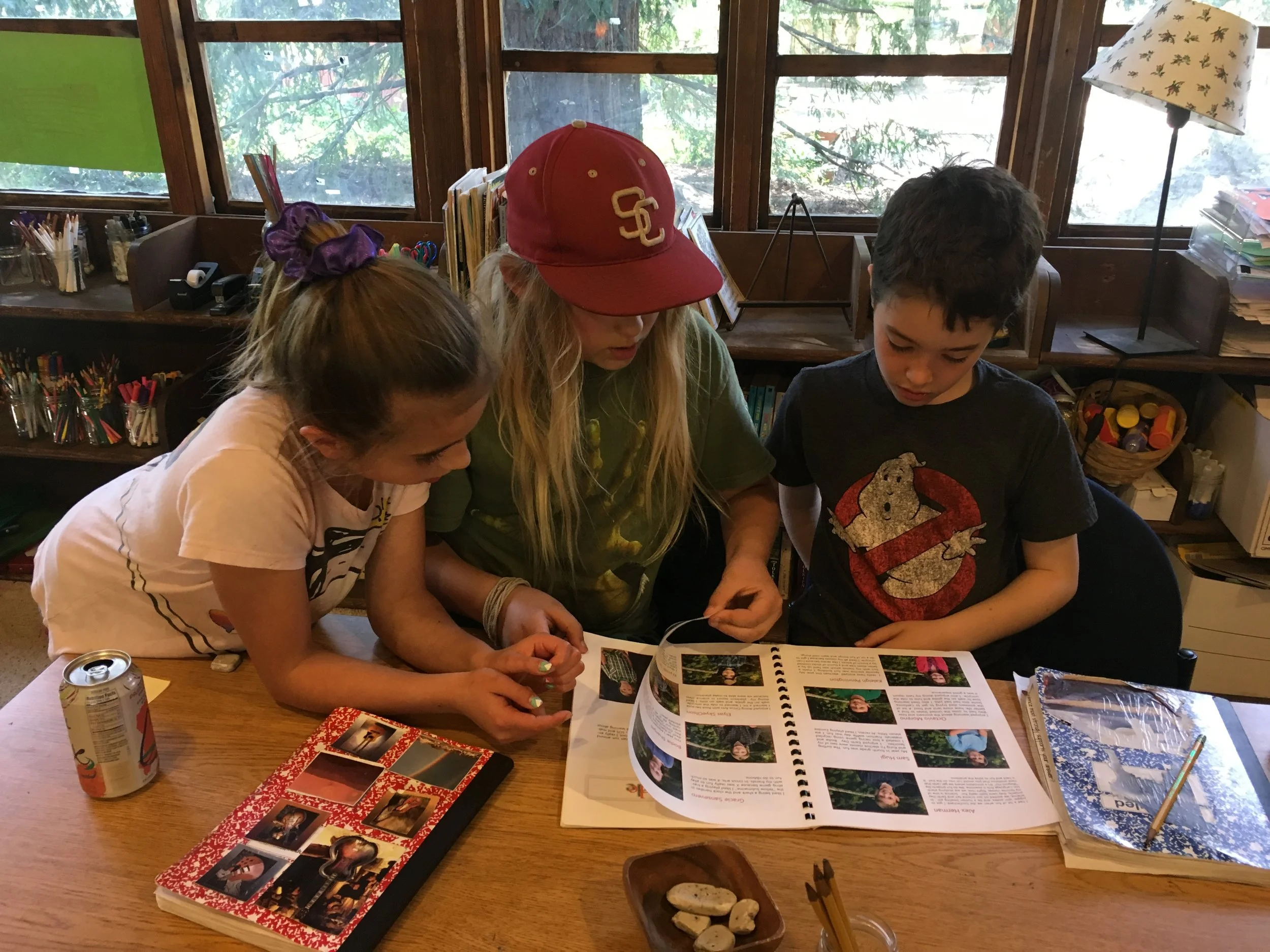
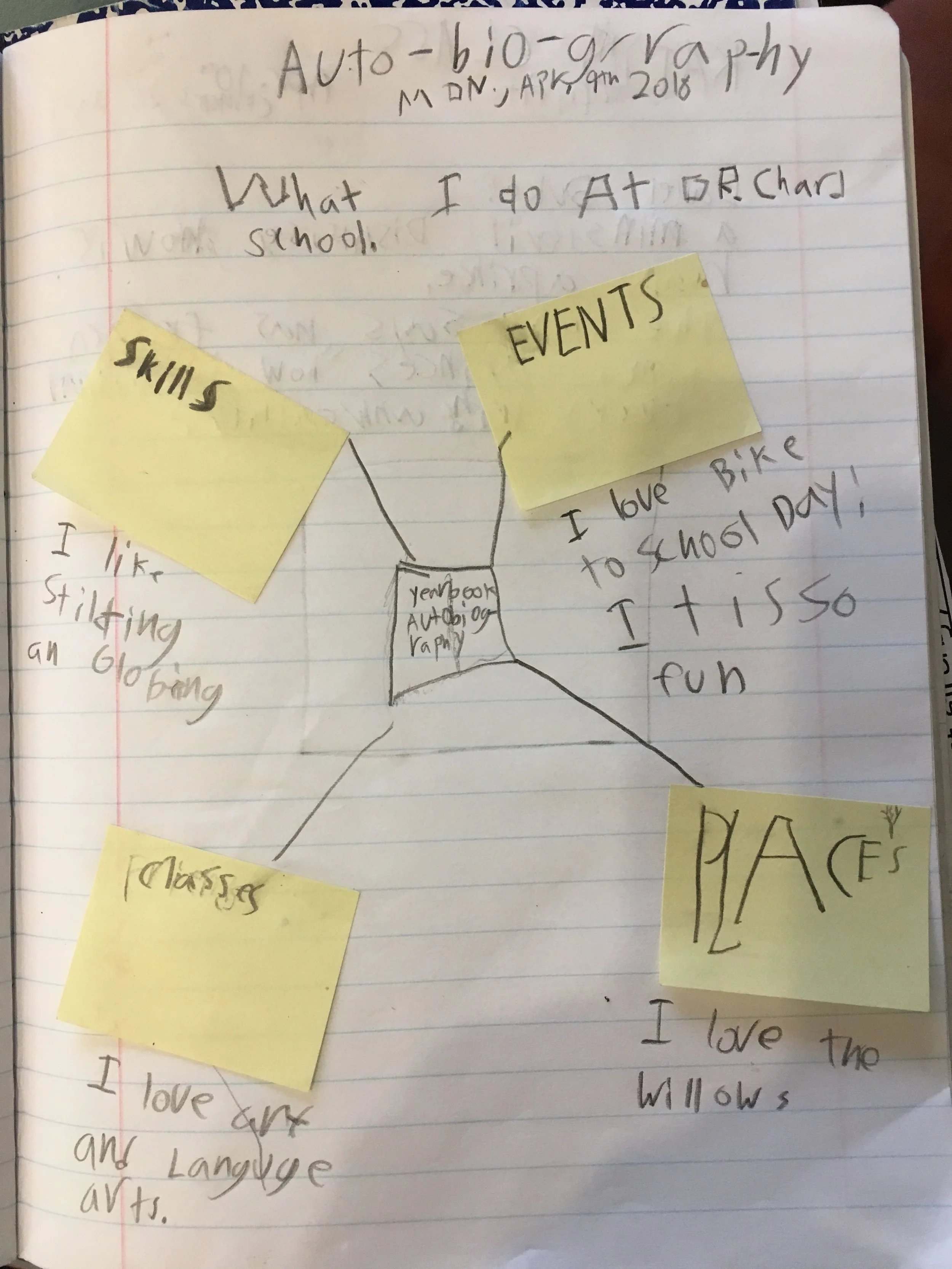
After spring break, we began our non-fiction writer’s process. (In the fall they focused on fiction writing with their Halloween story). The kids went through the writing steps of brainstorming, graphic organizing, drafting, peer revising, peer editing, and self-editing. We always have so much fun reading yearbooks from years past. We use the yearbooks as a tool to notice how one can structure their writing, and offer examples of topics a student may want to write about. The kids get a kick seeing teachers and students over time, and they enjoy reading about what other kids have enjoyed about that school year at Orchard.
Our Tuesdays continue with Katy and Matt. We are working on concurrent literature study groups. Katy’s group has begun The 13 Clocks by James Thurber and Matt and I are reading Esperanza Rising by Pam Munoz Ryan. In these groups, the kids read, write summaries, and lead analytical discussion groups.
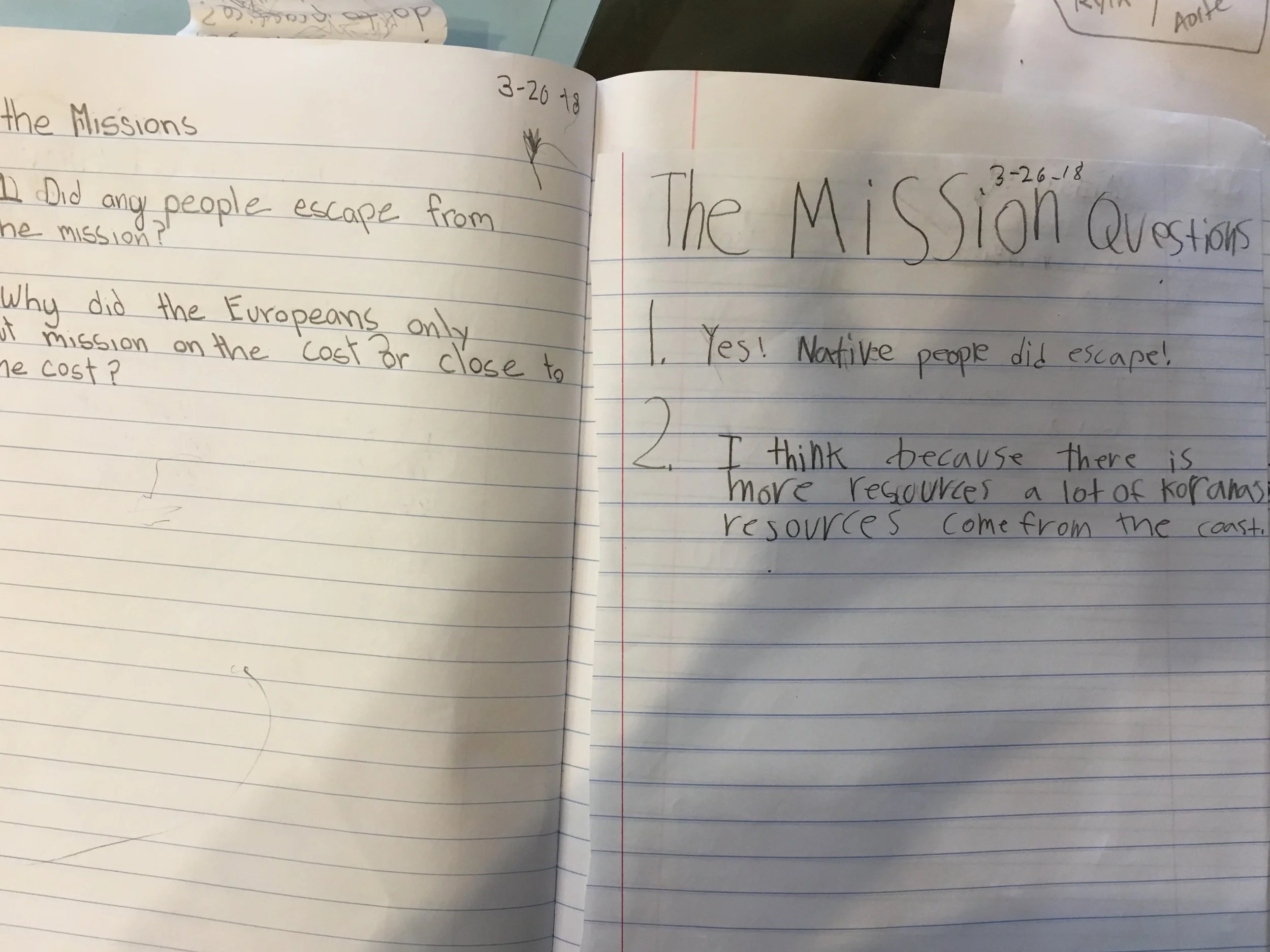
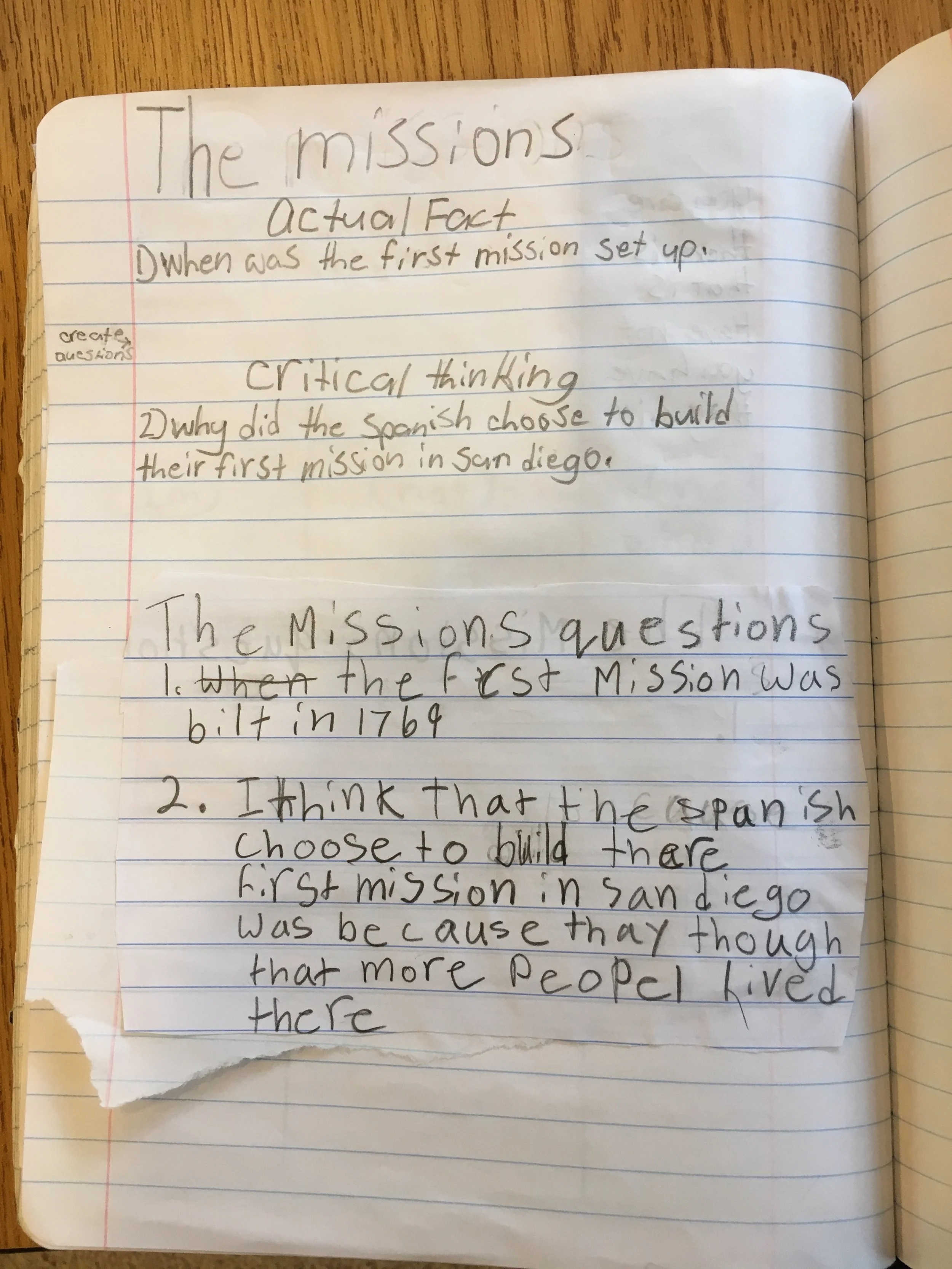
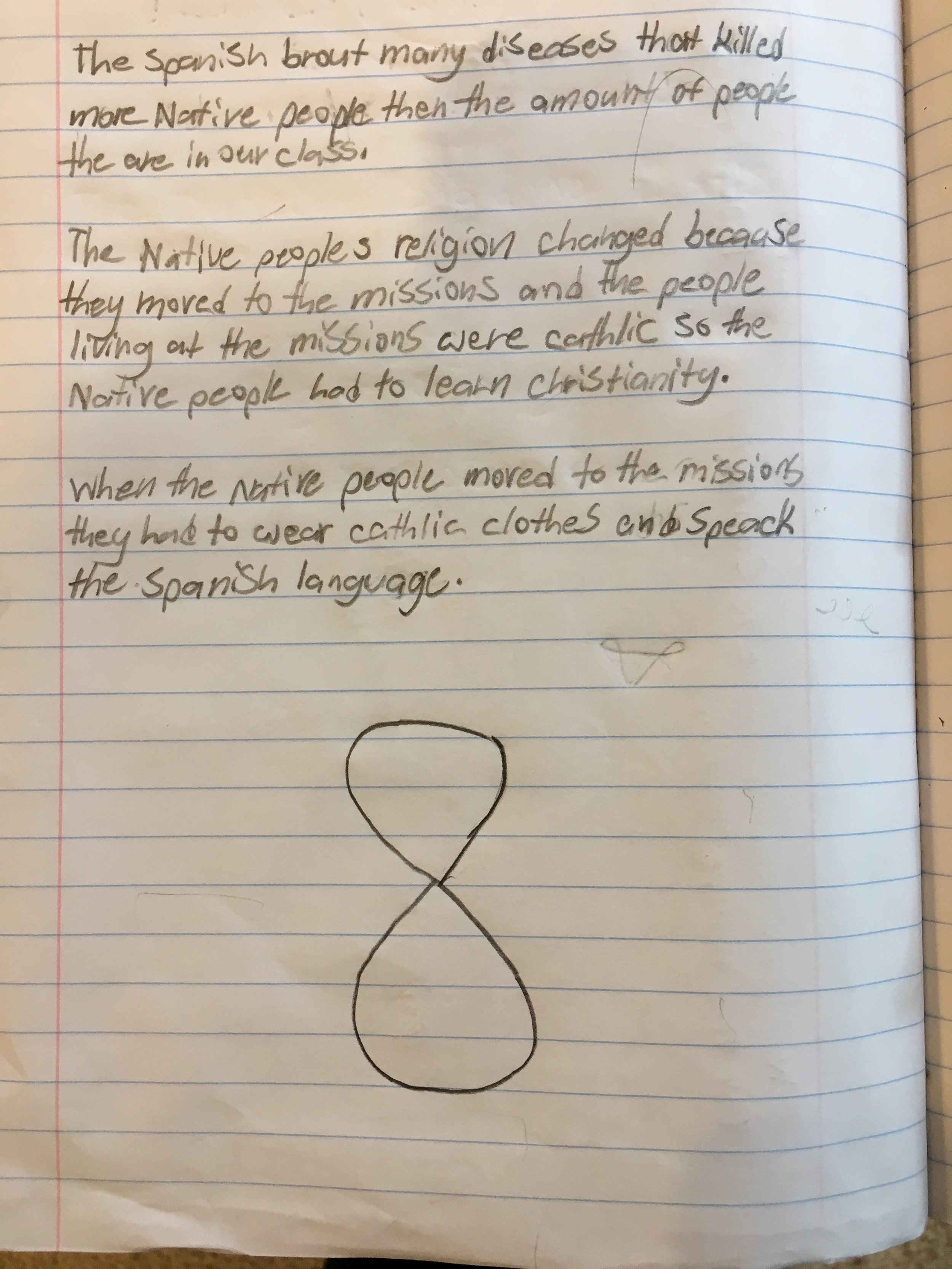
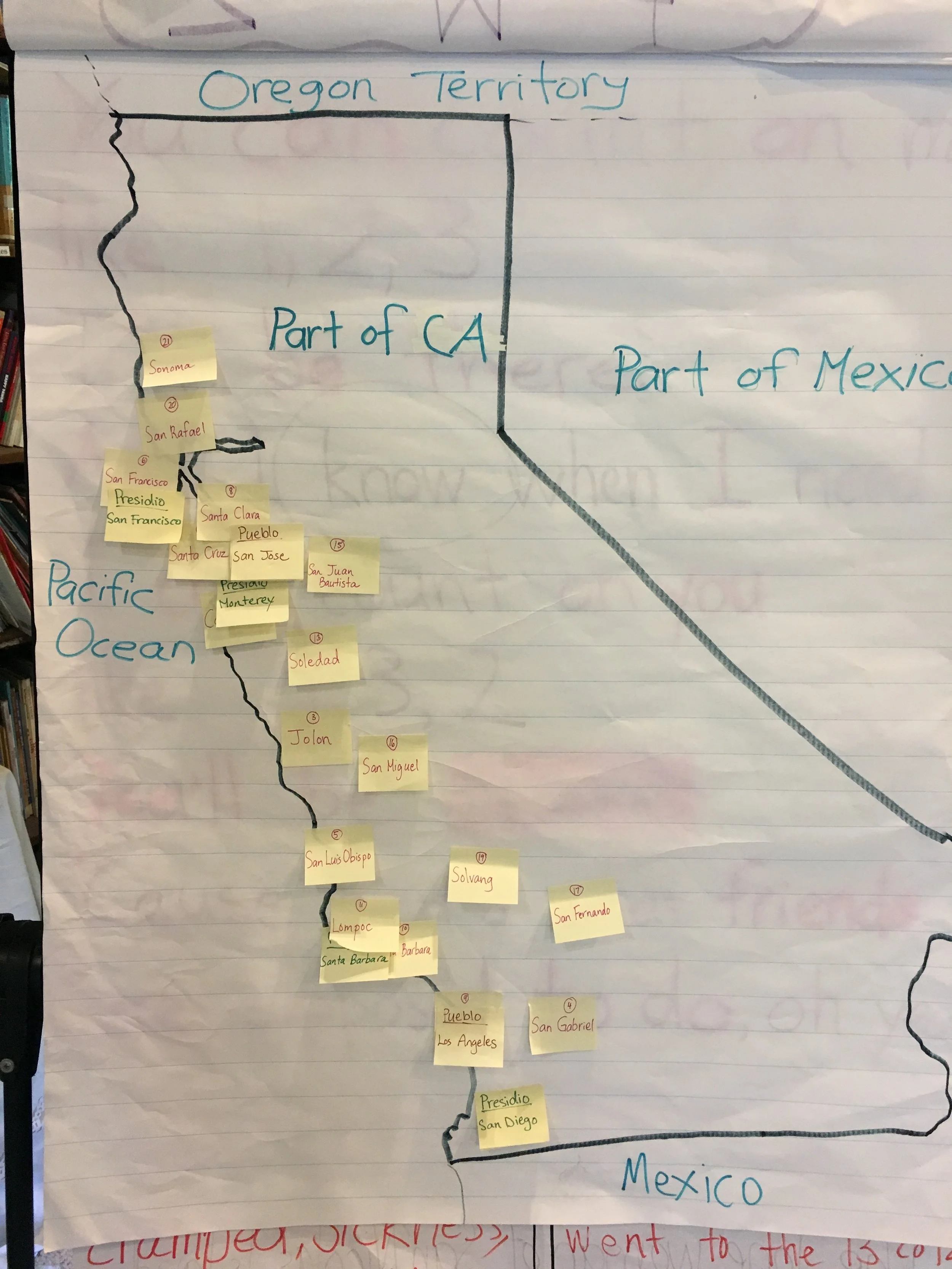
We started our Californio Rancho era studies with a dictation about the transition from Spanish Missions to California Ranchos. We used our spelling skills to write about the motivating factors for the Spanish bringing in pueblos and presidios, which eventually led to the rise of the Mexican rancho culture. Later, we focused on those two words, pueblos and presidios, for a vocabulary study. Also, we worked on our map skills by adding to our California missions map. This time, we added the original 4 presidios and 2 pueblos to our map. It was fun drawing historical conclusions about the where and why the Spanish chose to establish the presidios and pueblos where they did.
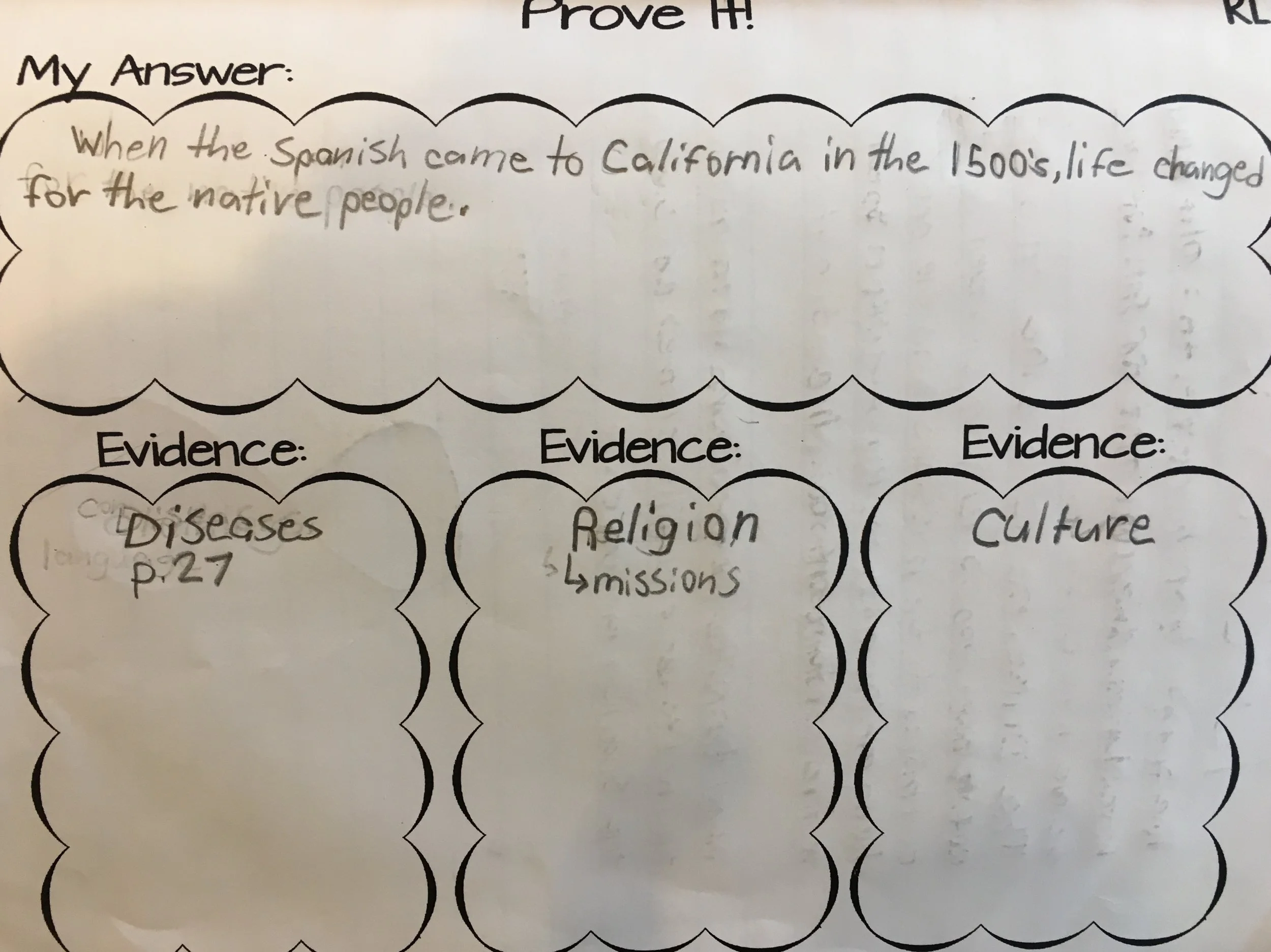
We have been reading a non-fiction source to help our understanding of this transition in California history. We are using this to help us analyze various categories of life on a rancho-from economy, jobs/roles, food, transportation, and more. After working all together to tease out the reading’s information about the rancho economy, the children worked in their table groups on two assigned categories. Later, one member of each table group combined with other classmates so they could all teach each other about their table’s categories.
The children have also started their Rancho Day activities. In class and for homework, the students studied bovine pyroglyphics, designing their own ranch brand and translating its meaning. The kids also created their disenos (ranch map), using Orchard’s campus to illustrate this important element of rancho life.
We will spend this coming week in class preparing for Wednesday’s Rancho Day activities. Please let me know if you have any questions about this project. The kids are very excited!