
Math
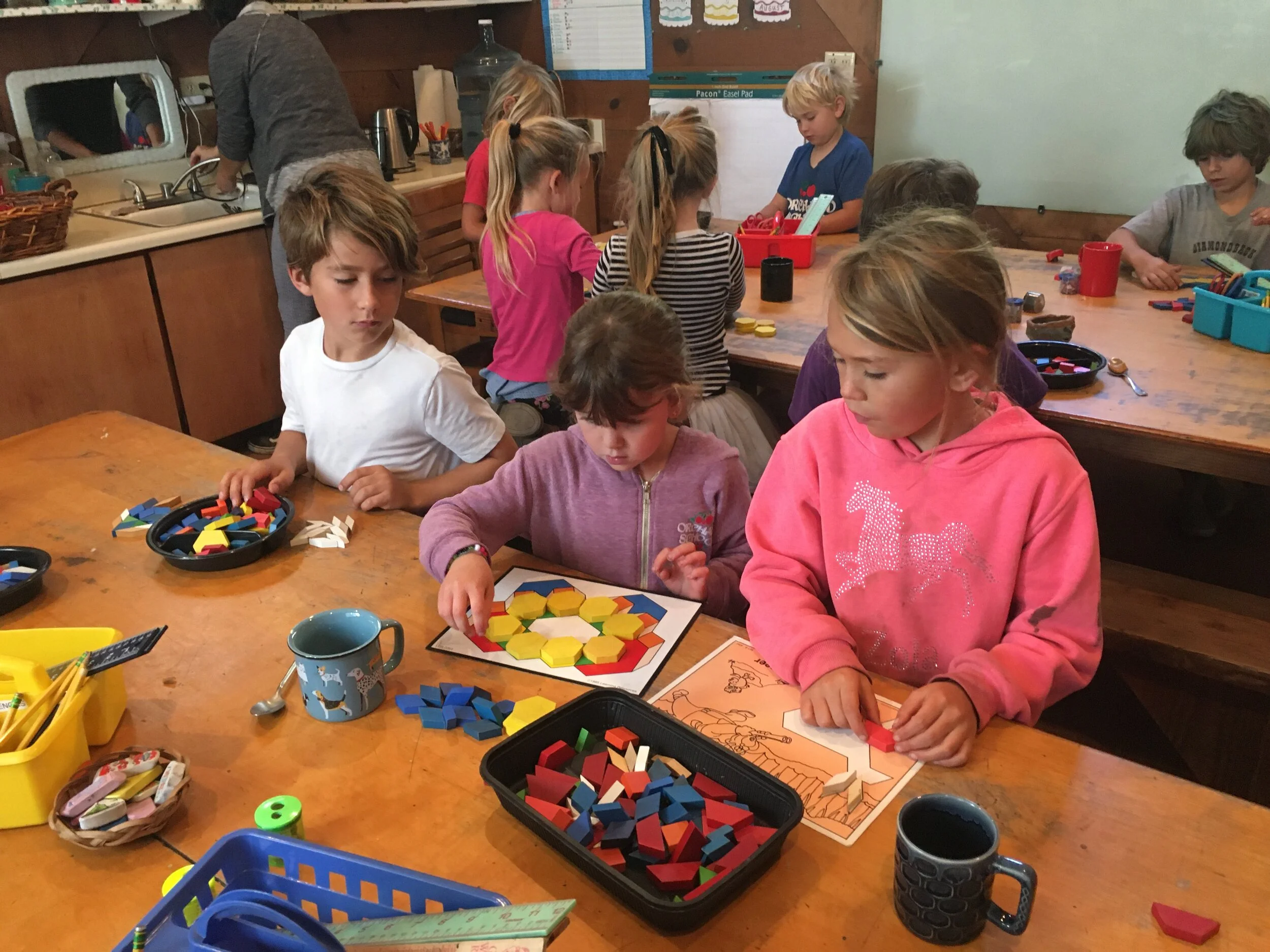
The students seem to be enjoying having a bigger class, in which older students can mentor, inspire, and make friendships with younger students; and younger students can connect more deeply socially and mentally with older students. The students continue to benefit from the presence of Valerie Phipps (art) and Brenda Surrey (grandparent) because they either provide more support in whole group lessons or teach a group themselves enabling two math lessons during the same period.
In terms of data, both grades turned in their favorite apple homework and created a class graph of all of the favorite apples, with honey crisp and fuji receiving the most votes. We even had a pineapple! We continued our data practice with the Pumpkin Caper. For this activity, we created a Pumpkin Mind Map as a whole group brainstorming all the various uses for pumpkins. We also read the book, ‘How Many Pumpkin Seeds?’ in which the smallest pumpkin has the most seeds and we find out why.
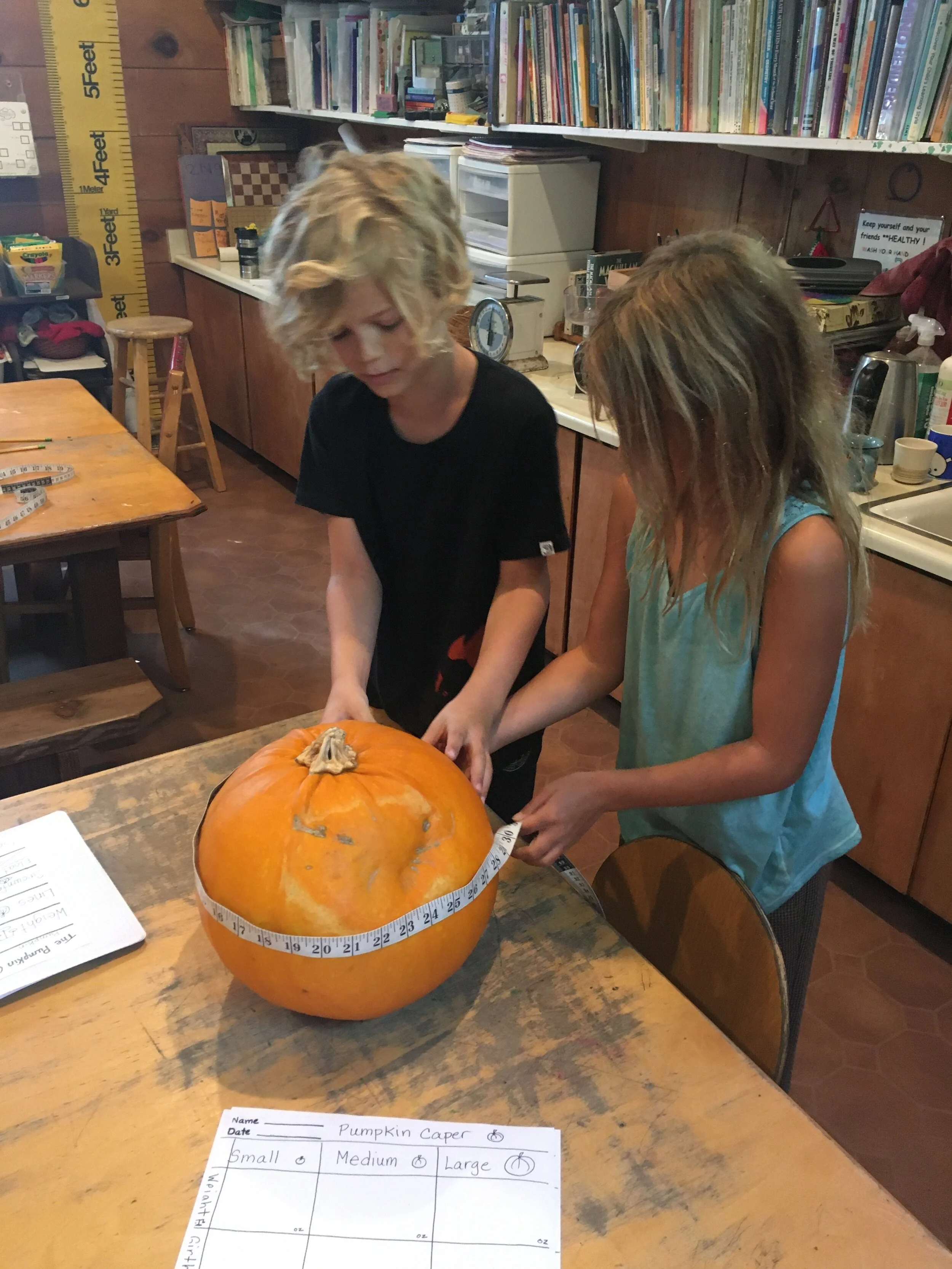
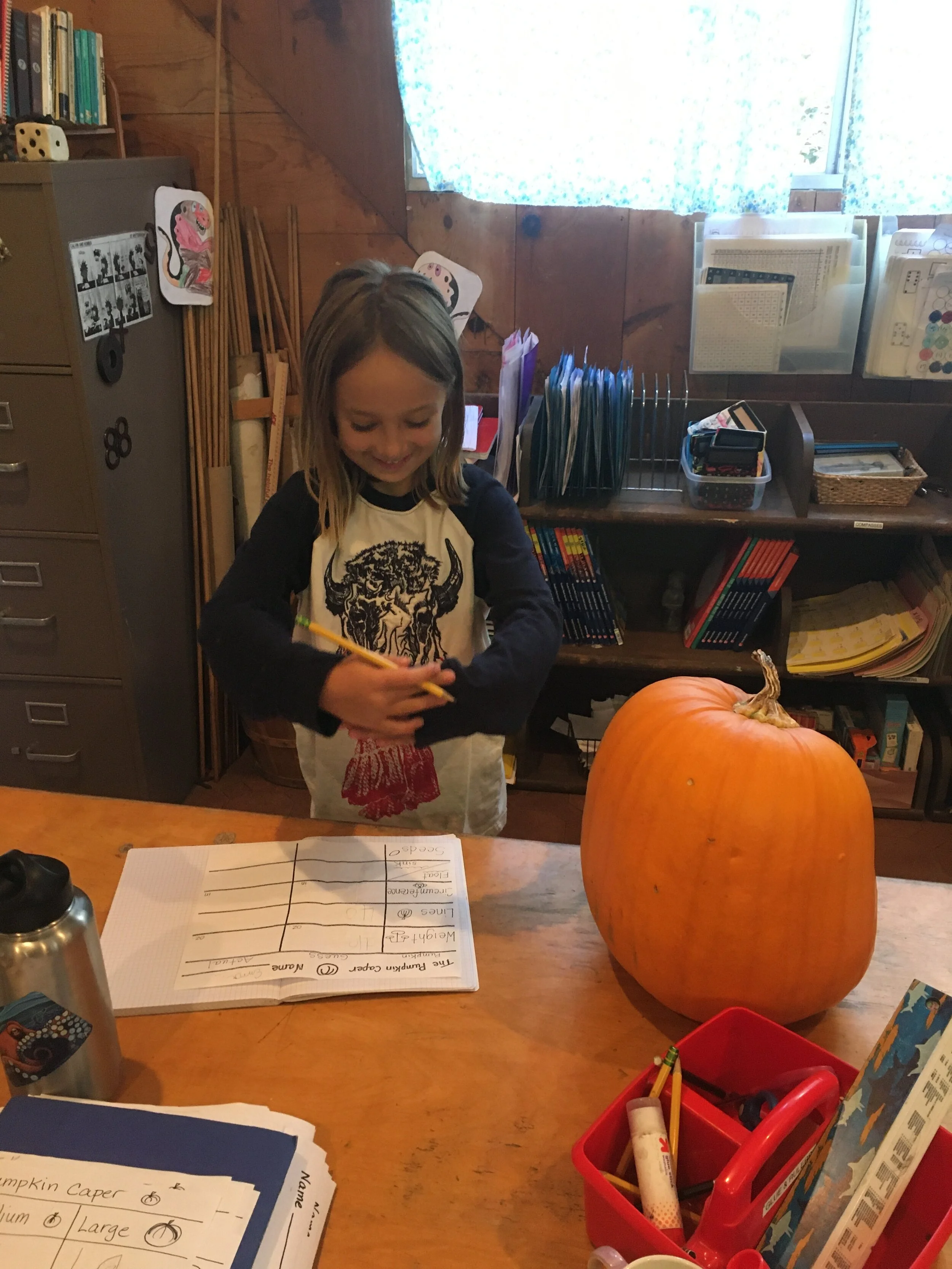
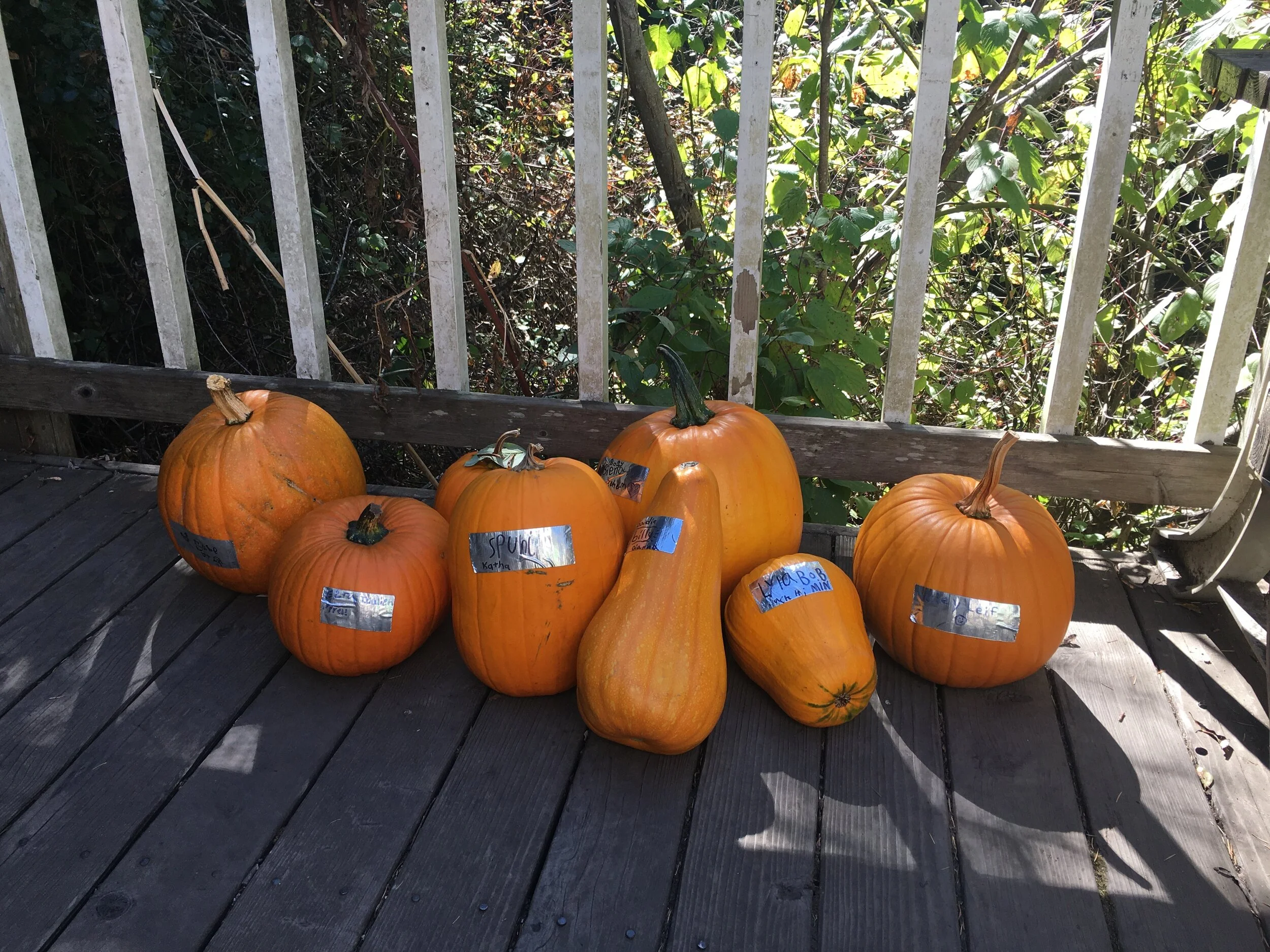
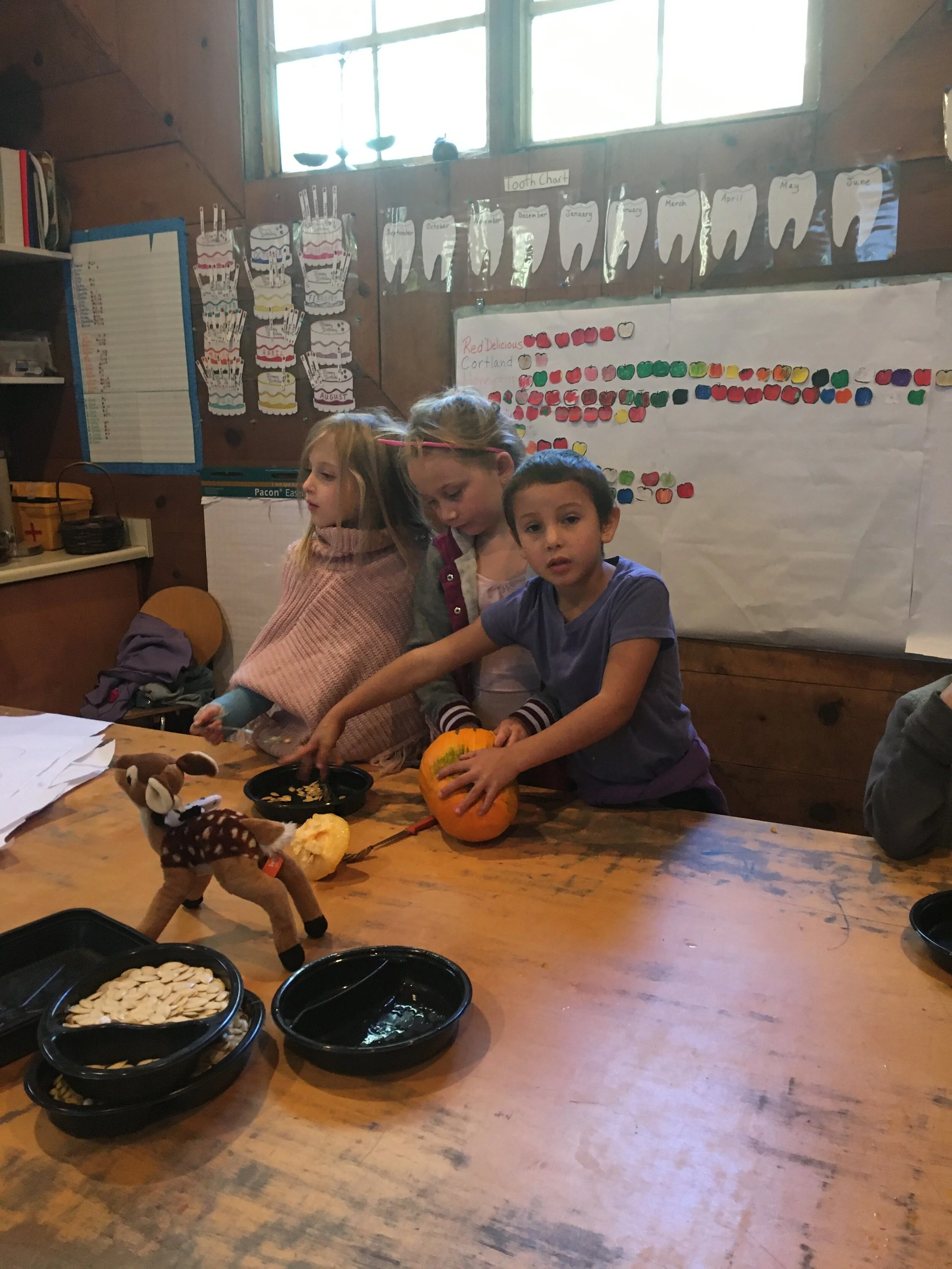
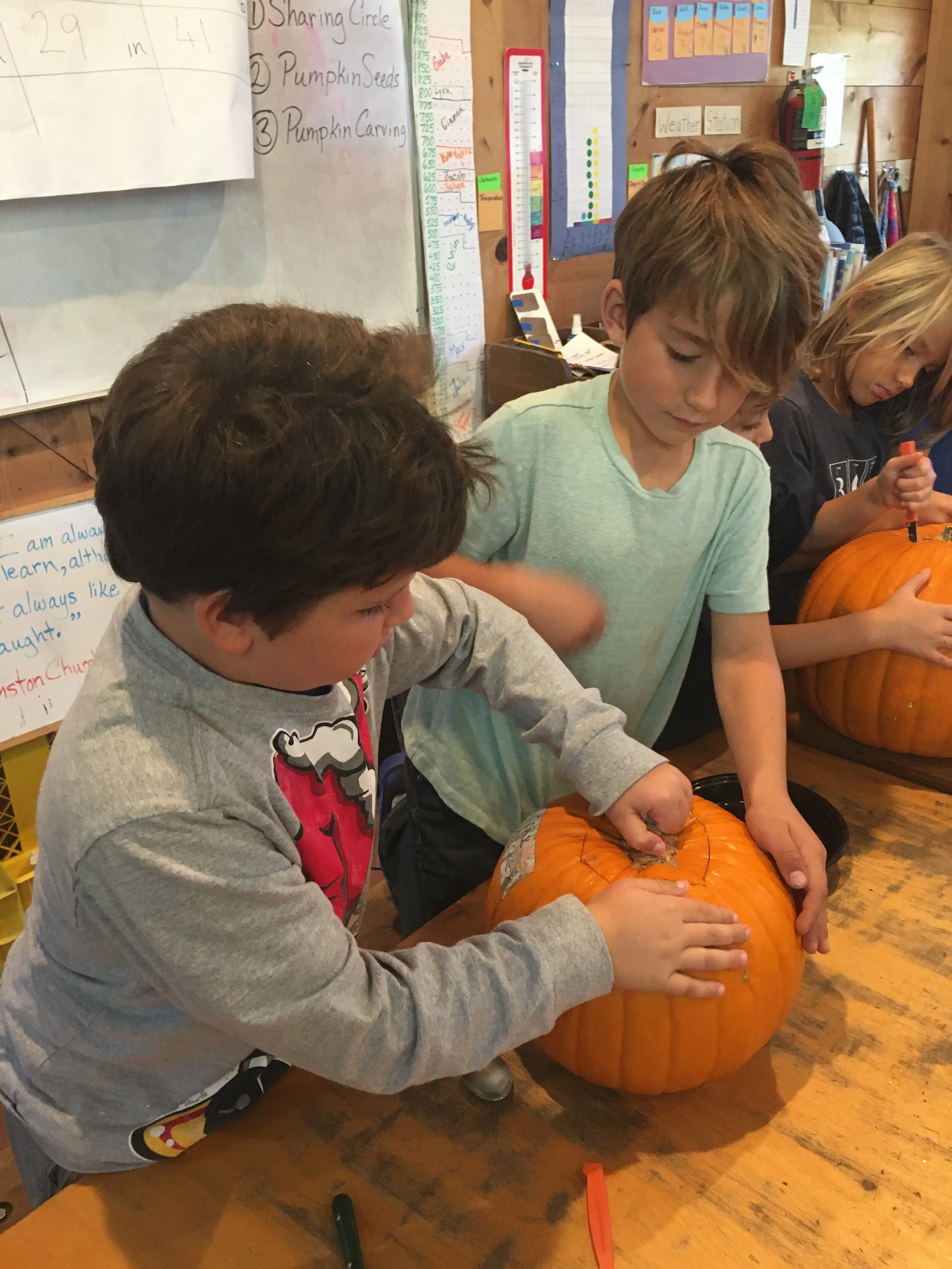
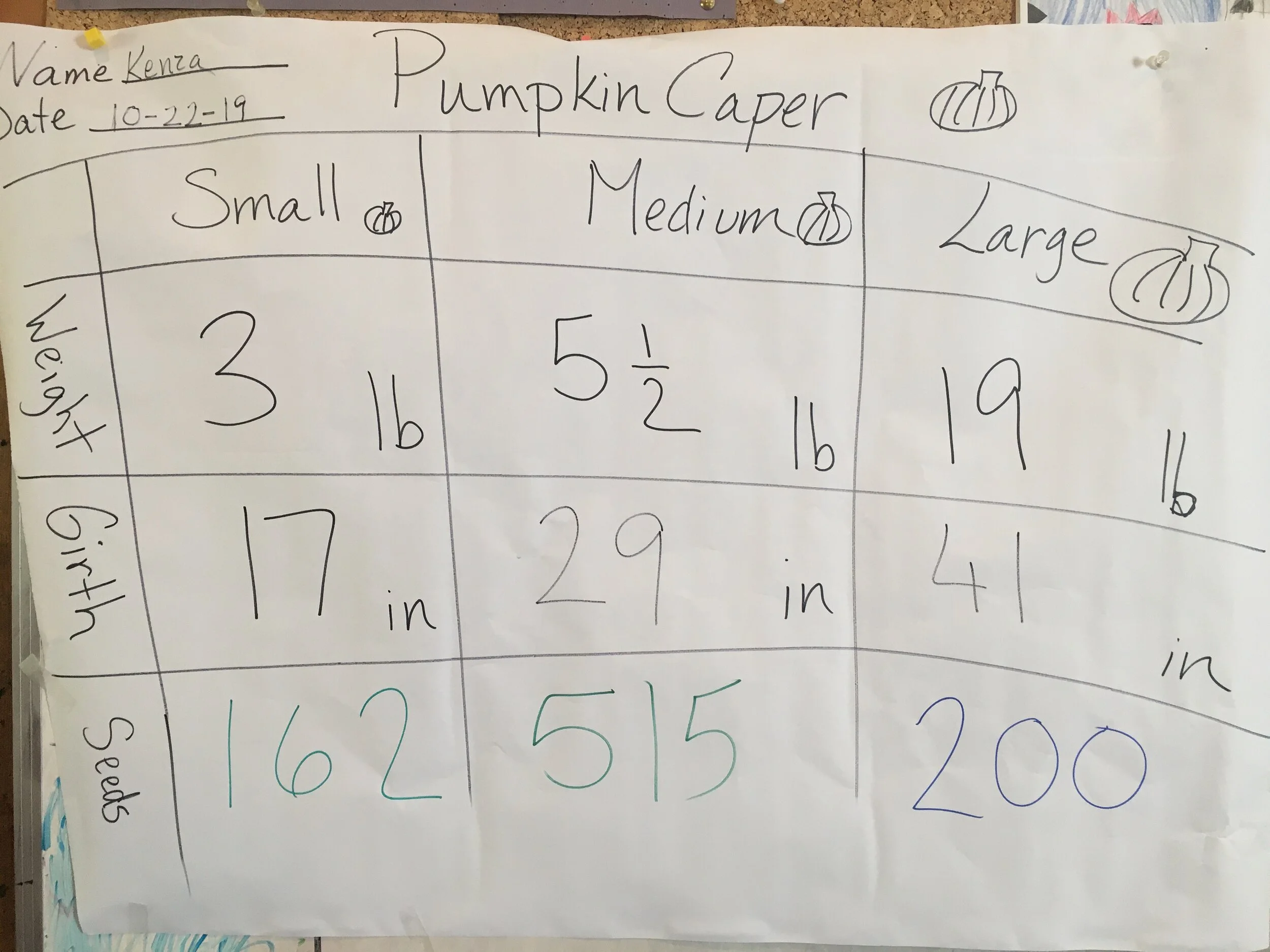
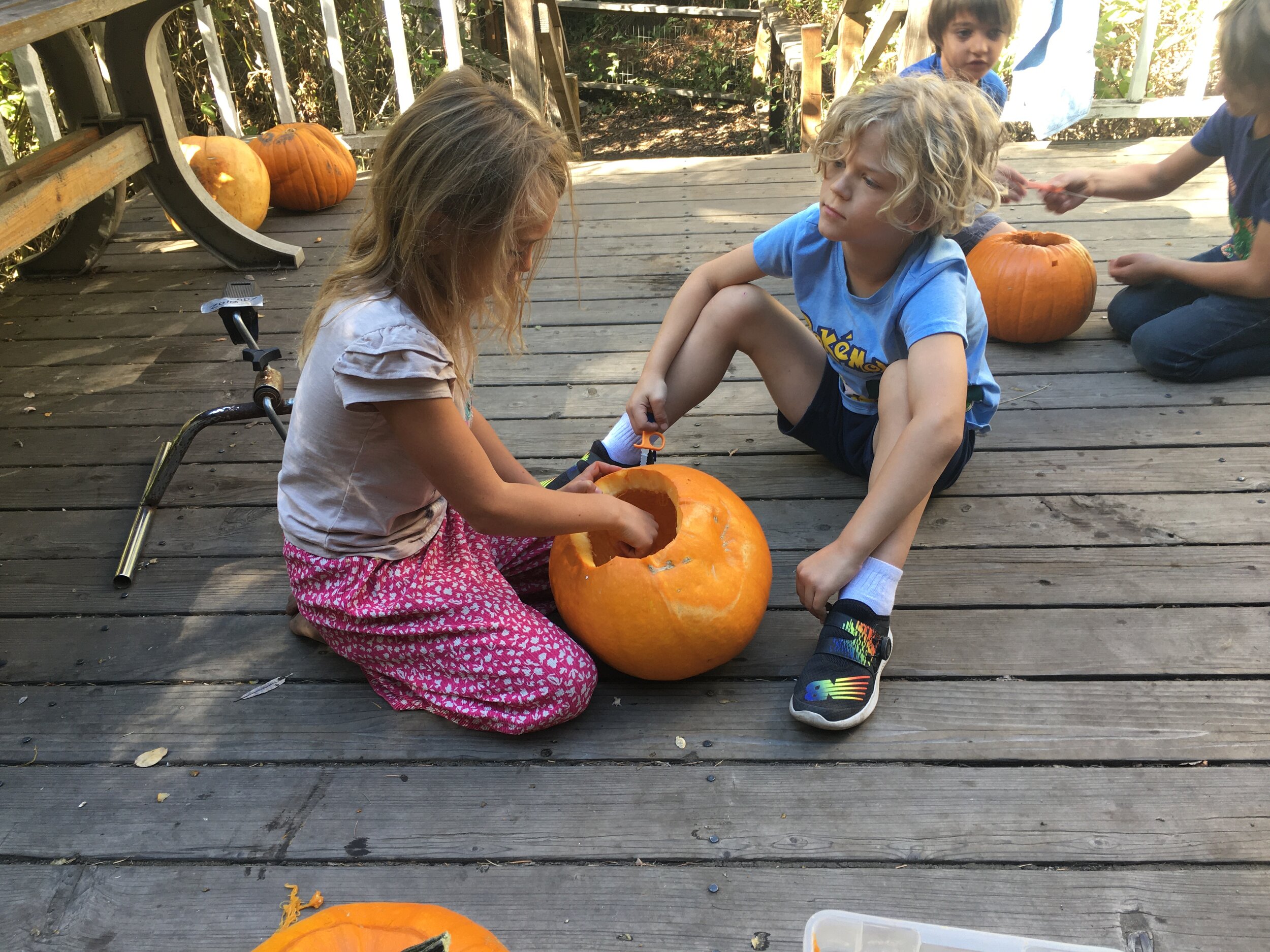
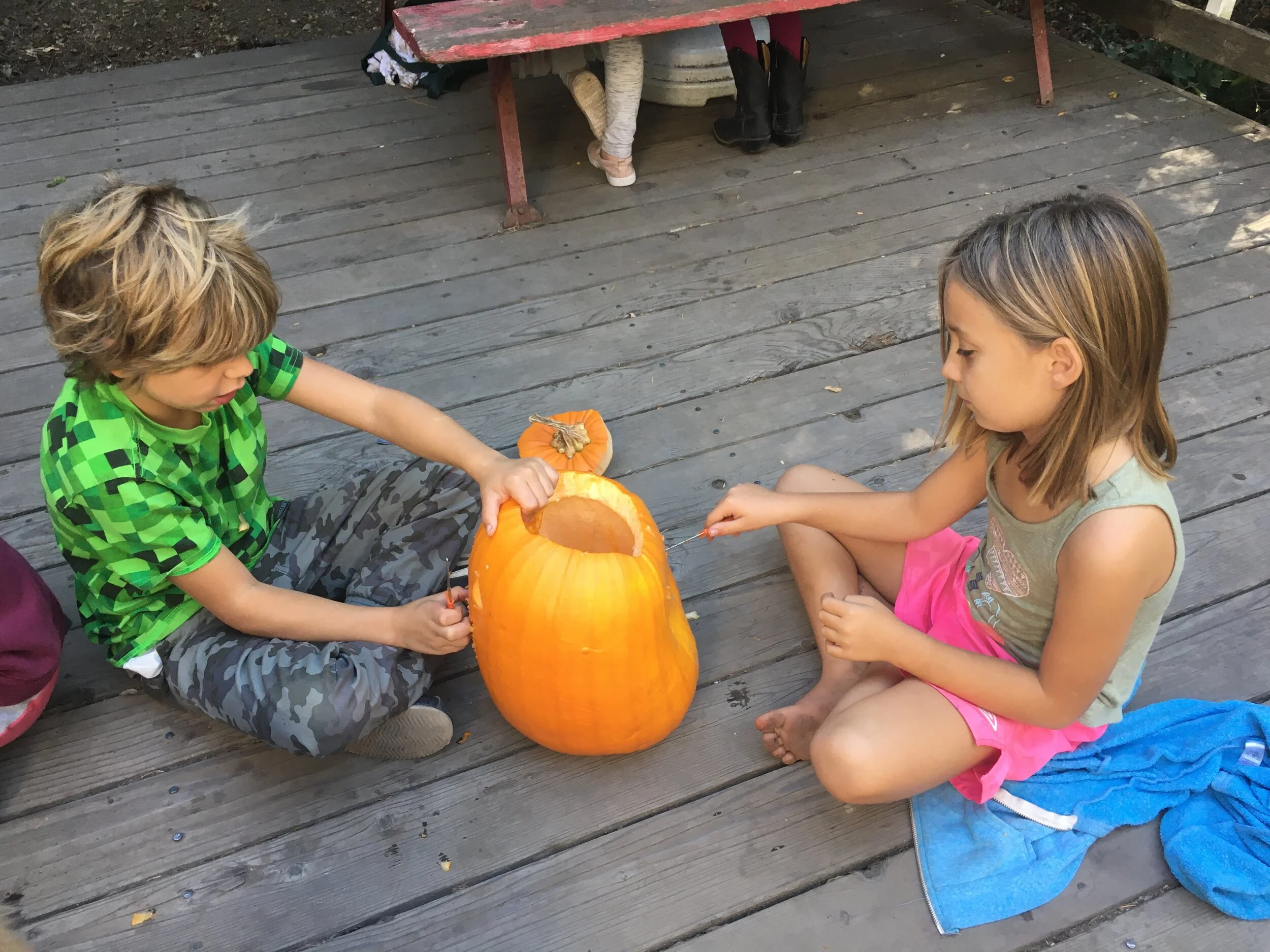
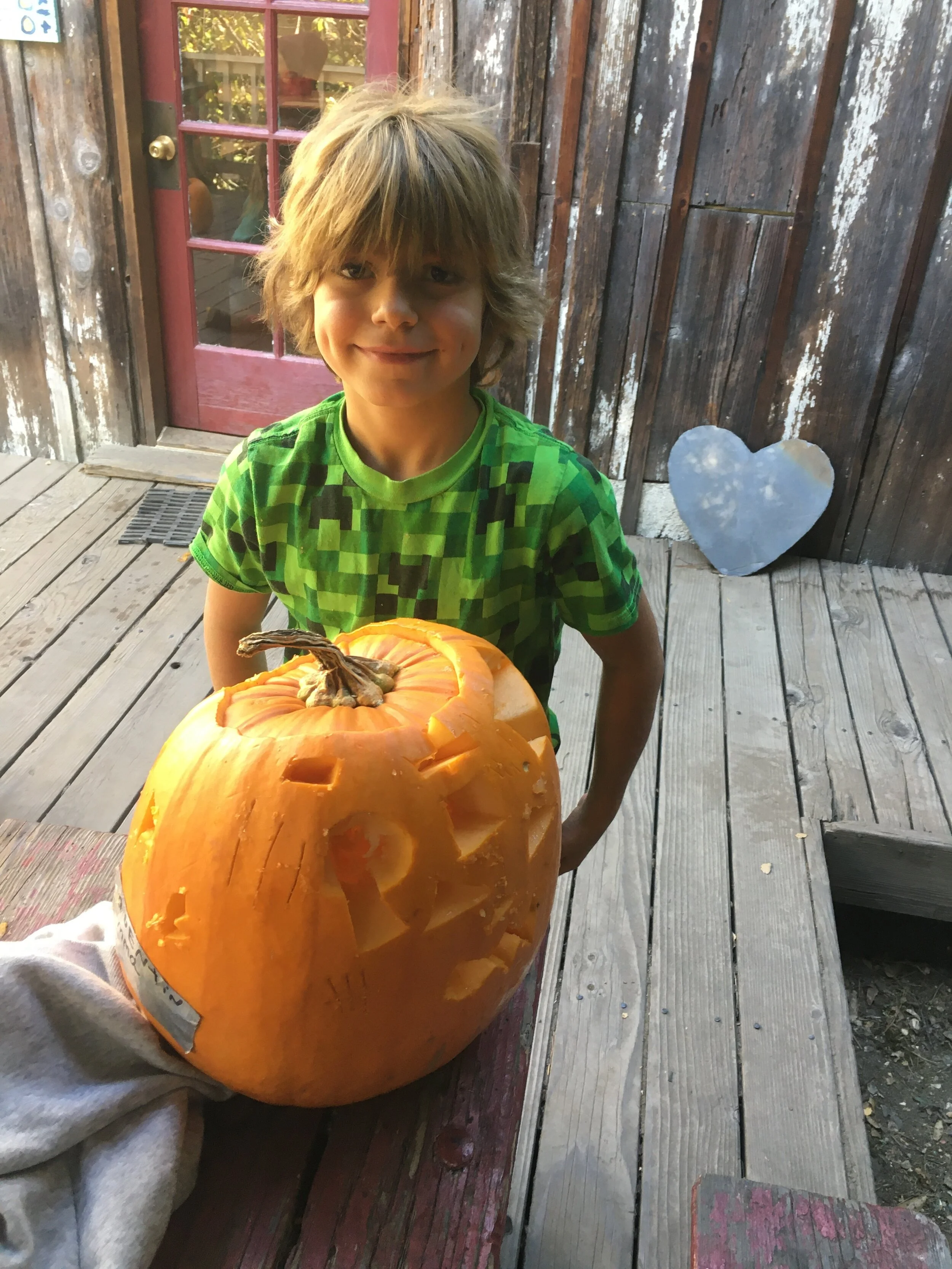
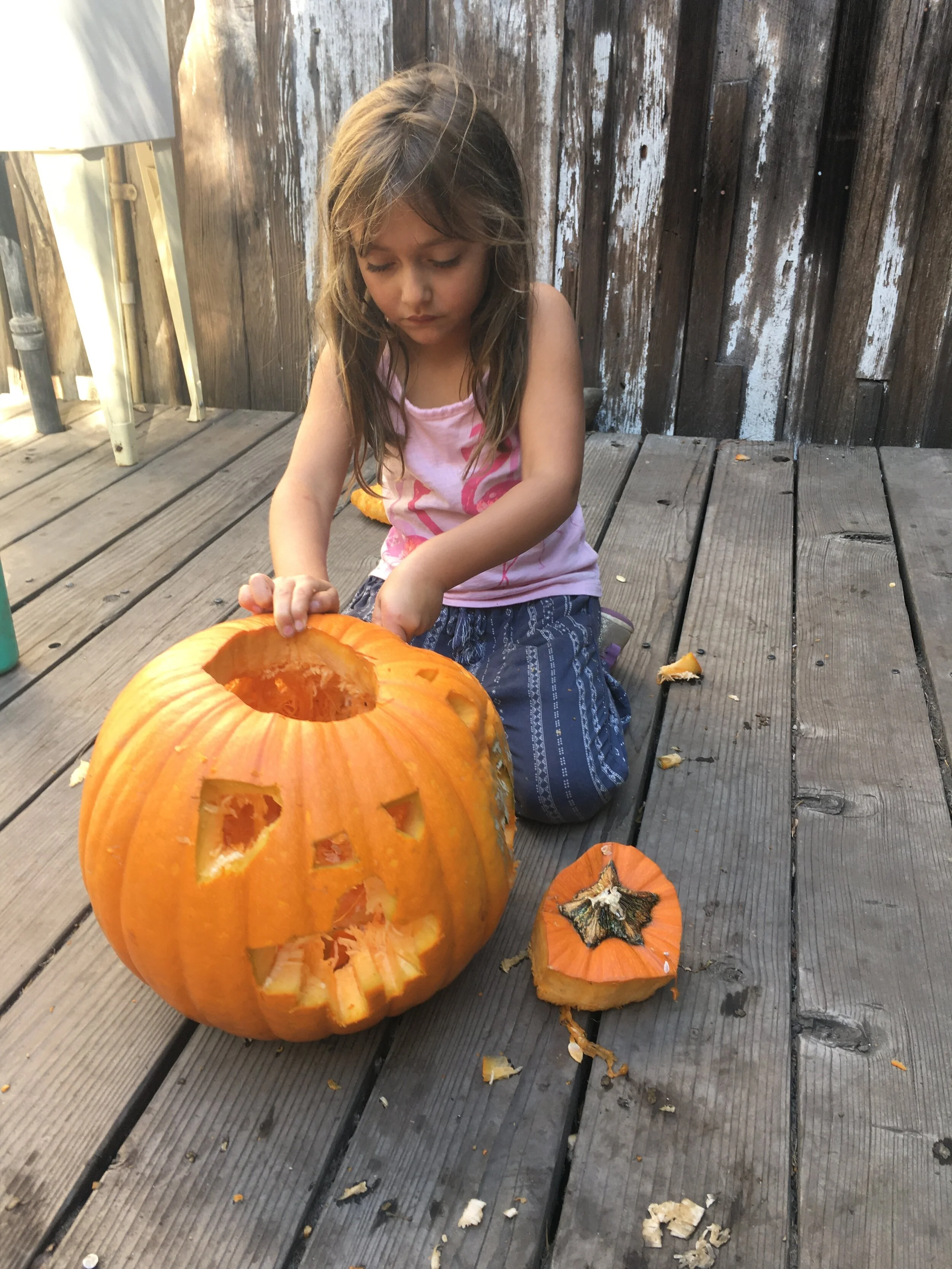
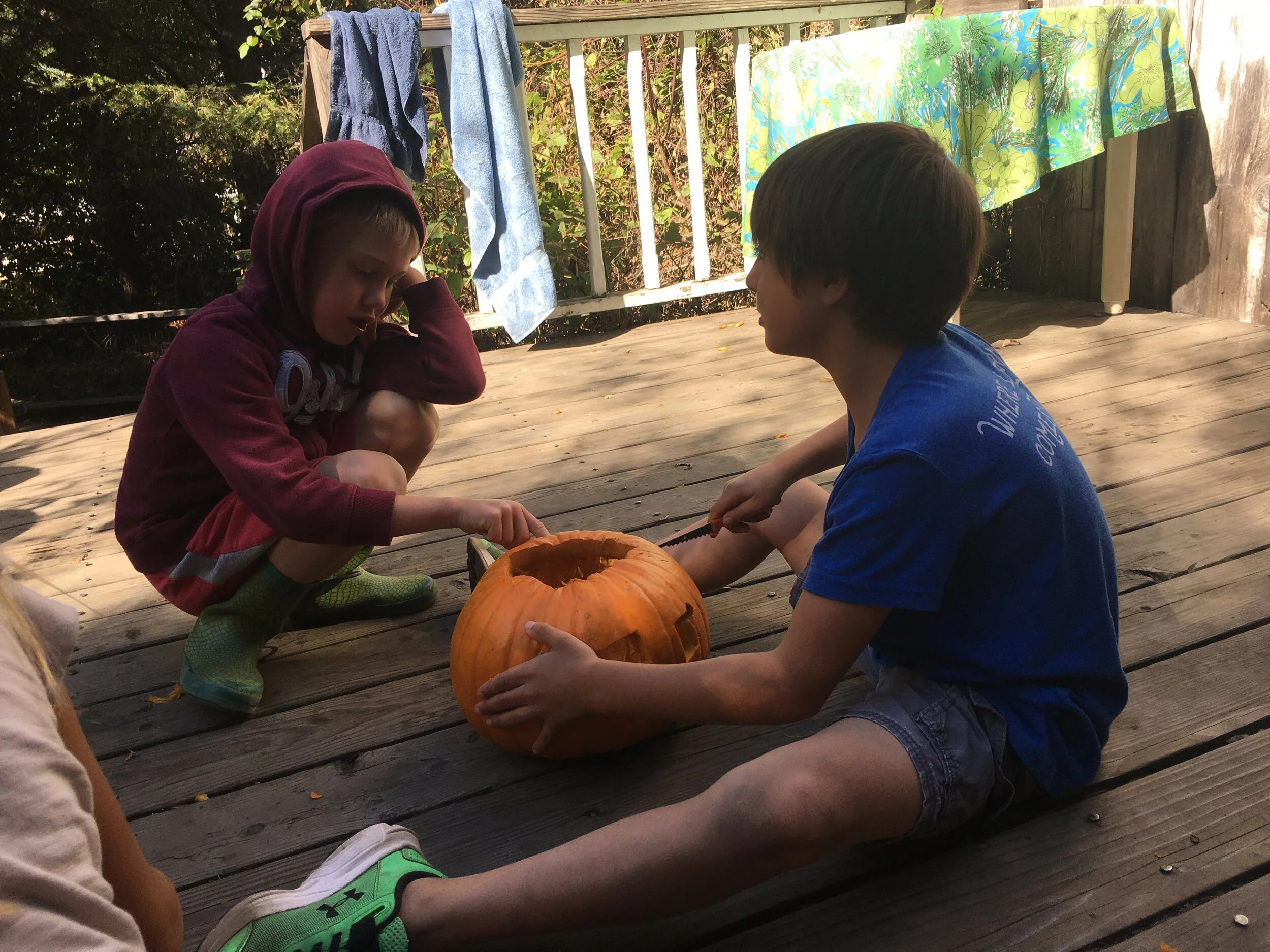
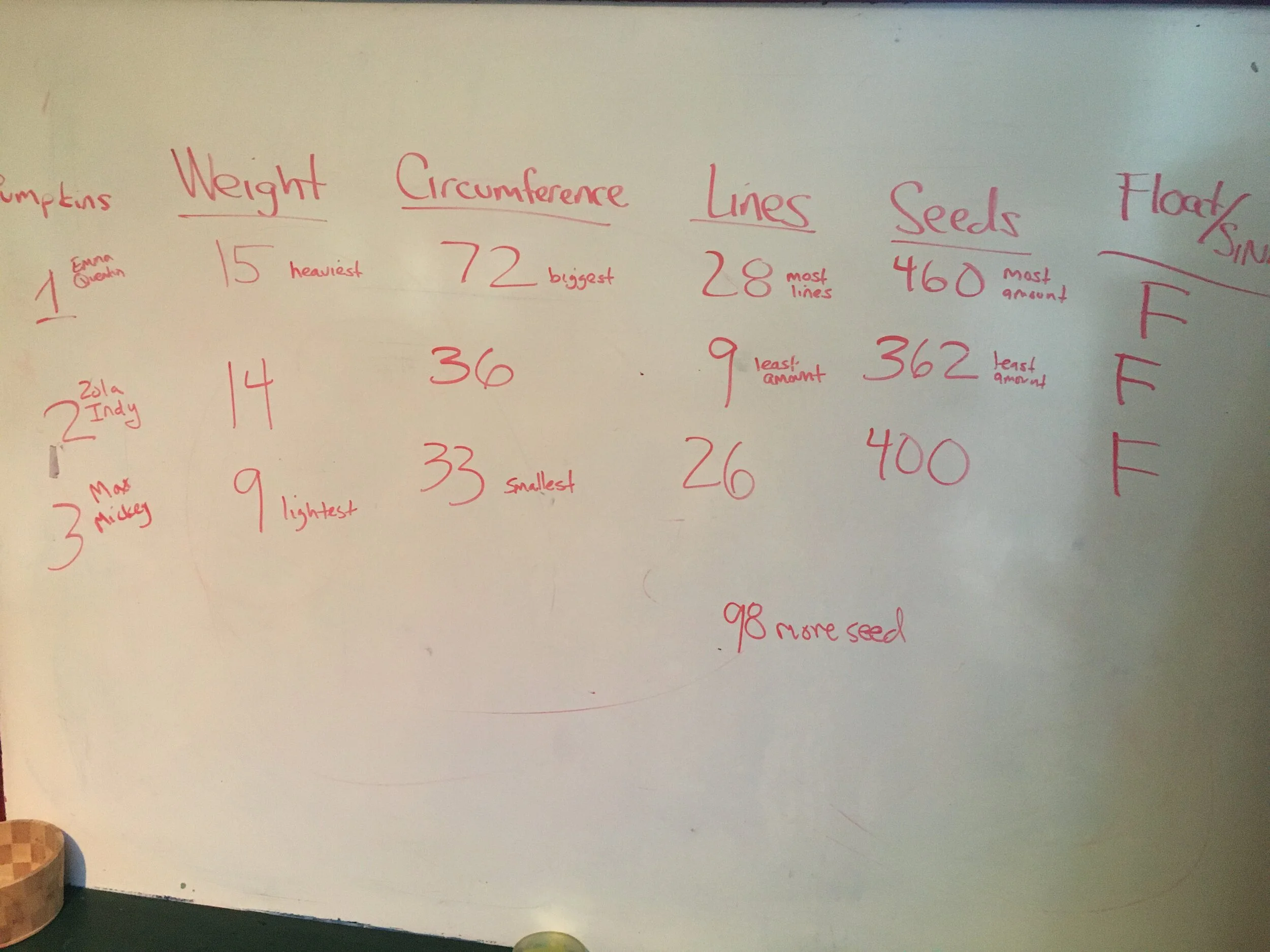
First grade students shared either a big, medium, or small pumpkin with two or three other students. All first graders were asked to make predictions as to the weight, circumference, and number of seeds of each pumpkin. Then, with the members of their group, they measured and weighed their pumpkins and we recorded that information on a class graph. Students also recorded the information on their own data sheets. Next, they scooped out the seeds and counted them by 1s, 2s, 5s, or 10s and recorded this data. They finished by carving the pumpkins you saw at our Halloween party. We also extended the pumpkin investigation by reading about the pumpkin life cycle and creating a book of the pumpkin life cycle.
Second grade students shared pumpkins with a partner. Each partnership made predictions as to weight, circumference, whether or not their pumpkin would float or sink, and number of seeds for their pumpkin. The partners then determined the actuals and recorded the data. They later used the data from the larger 2/3 class to review the concepts they had learned during the apple investigations of maximum, minimum, and range. I also asked students to figure out, for example, if they had 640 seeds and they counted by 10s, how many groups of ten did they have? Thus practicing beginning division.
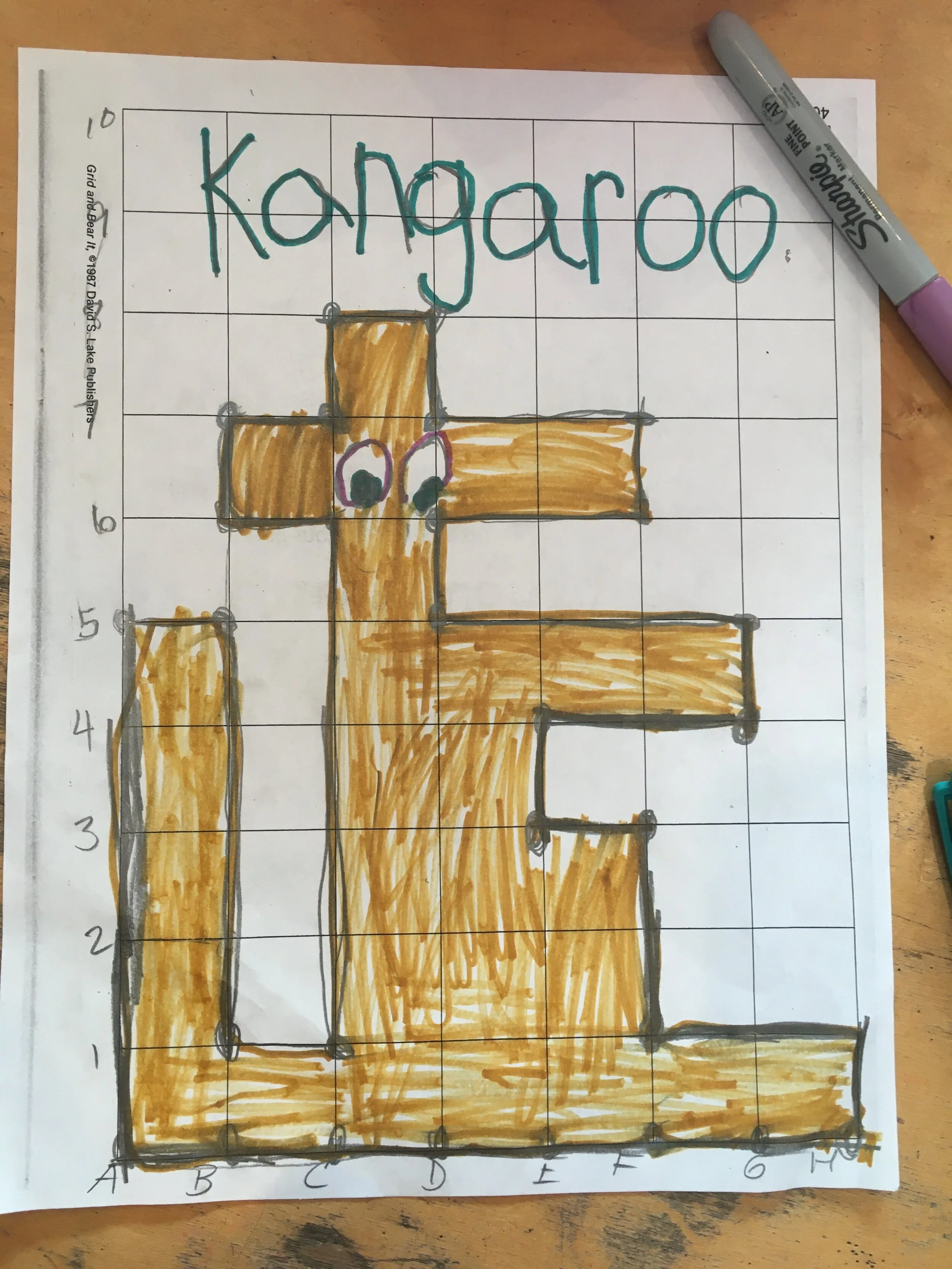
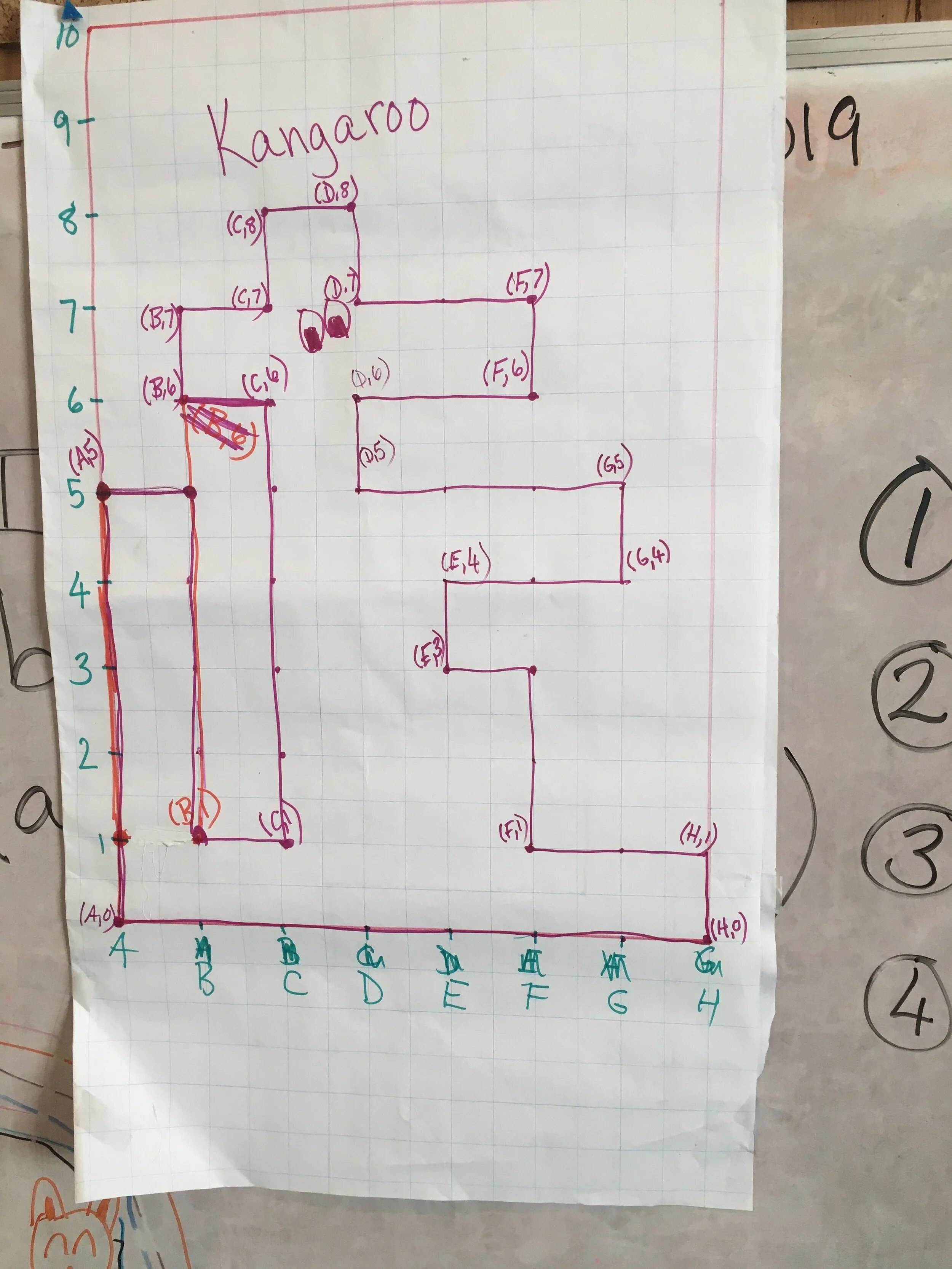
For whole group lessons, students created a kangaroo over two lessons by following graphing instructions from a book called Grid & Graph It. Although, this lesson did not require the use of coordinates, I labeled the coordinates on my graph and encouraged students who felt comfortable to label their graphs. I also called out the coordinates for each point, or solicited the coordinates from students. They tend to love the graphing activities. We also read a book called ‘How Much Is a Million?’ prompted by some conversation about large numbers.
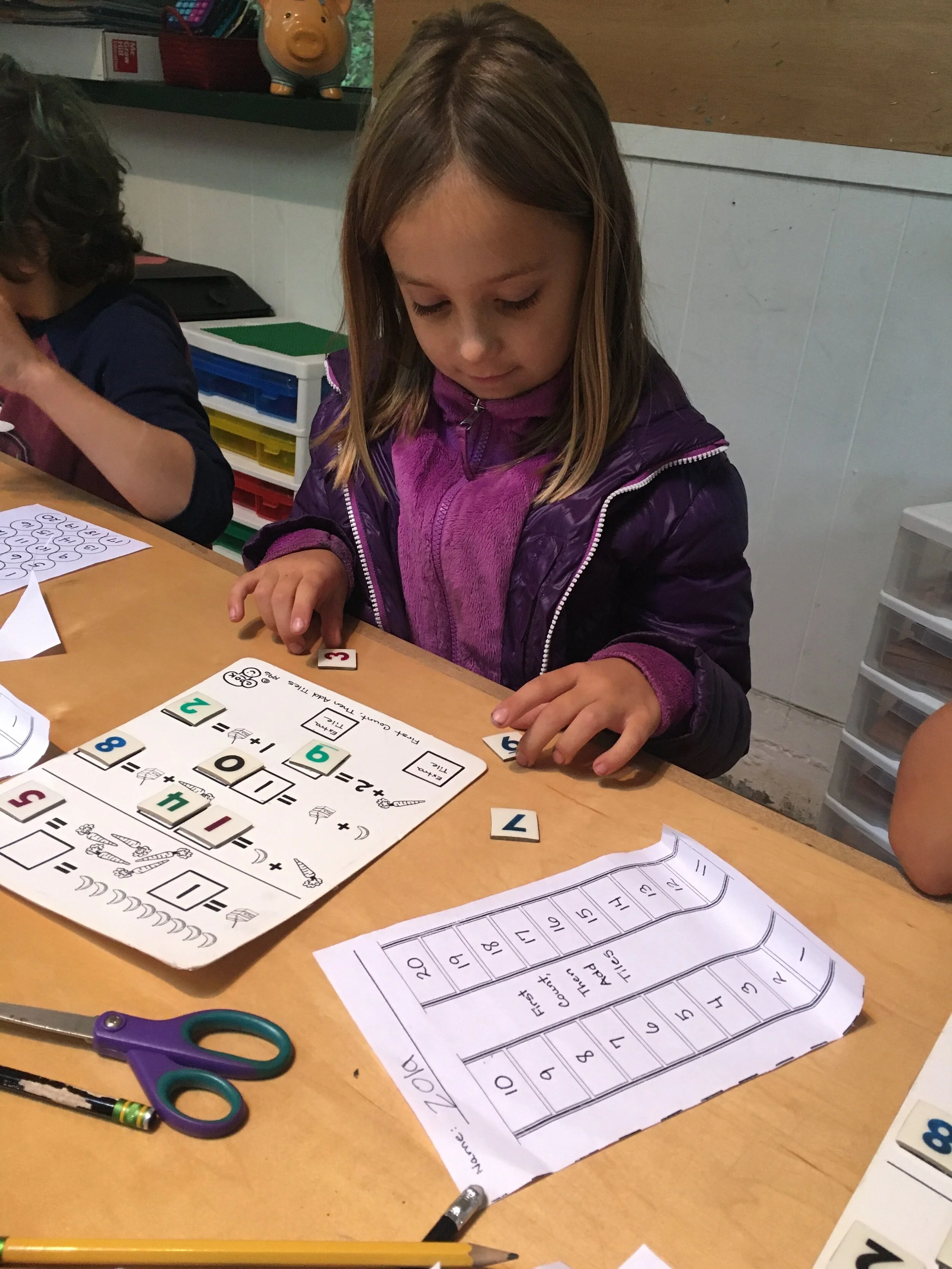
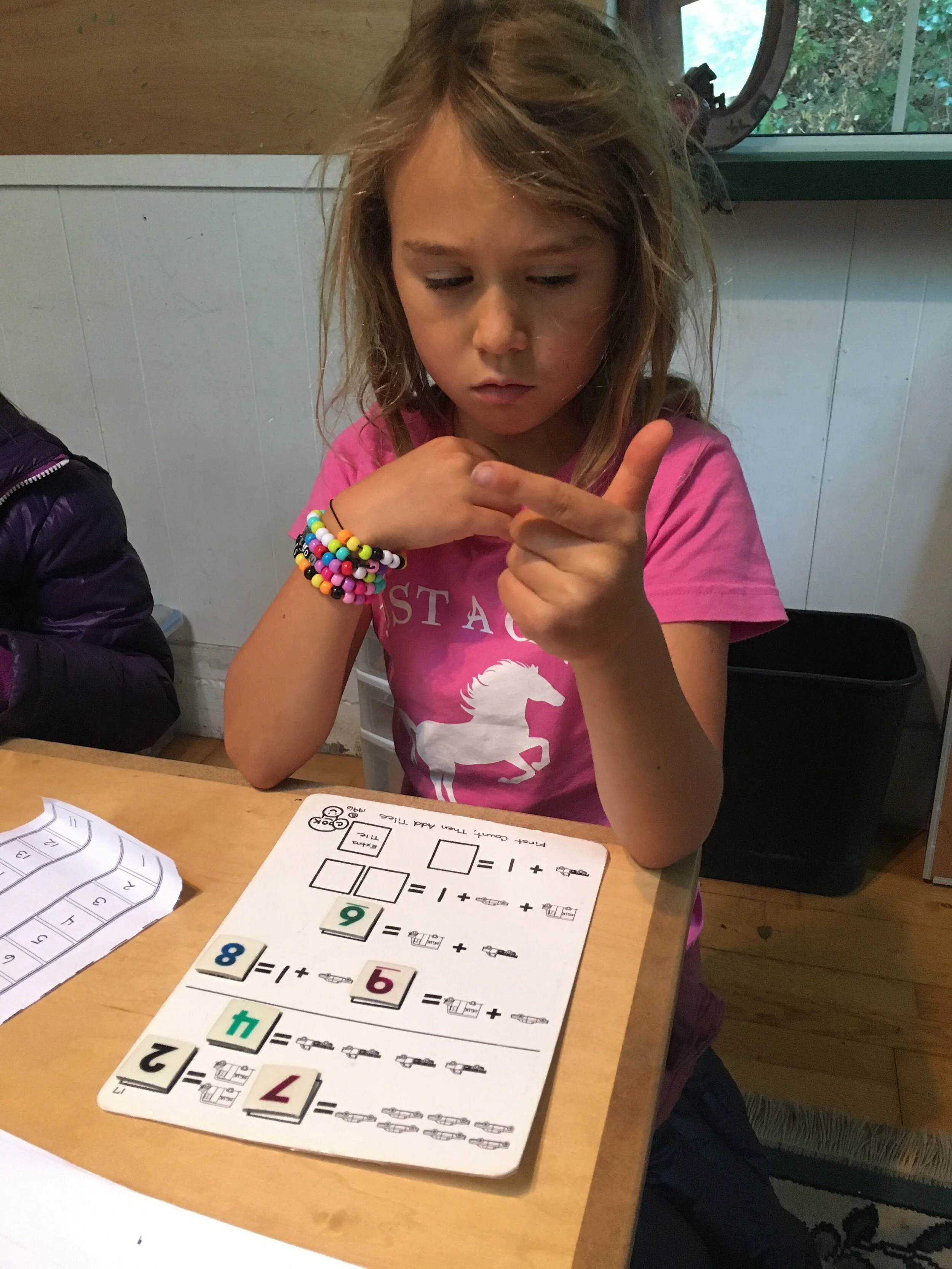
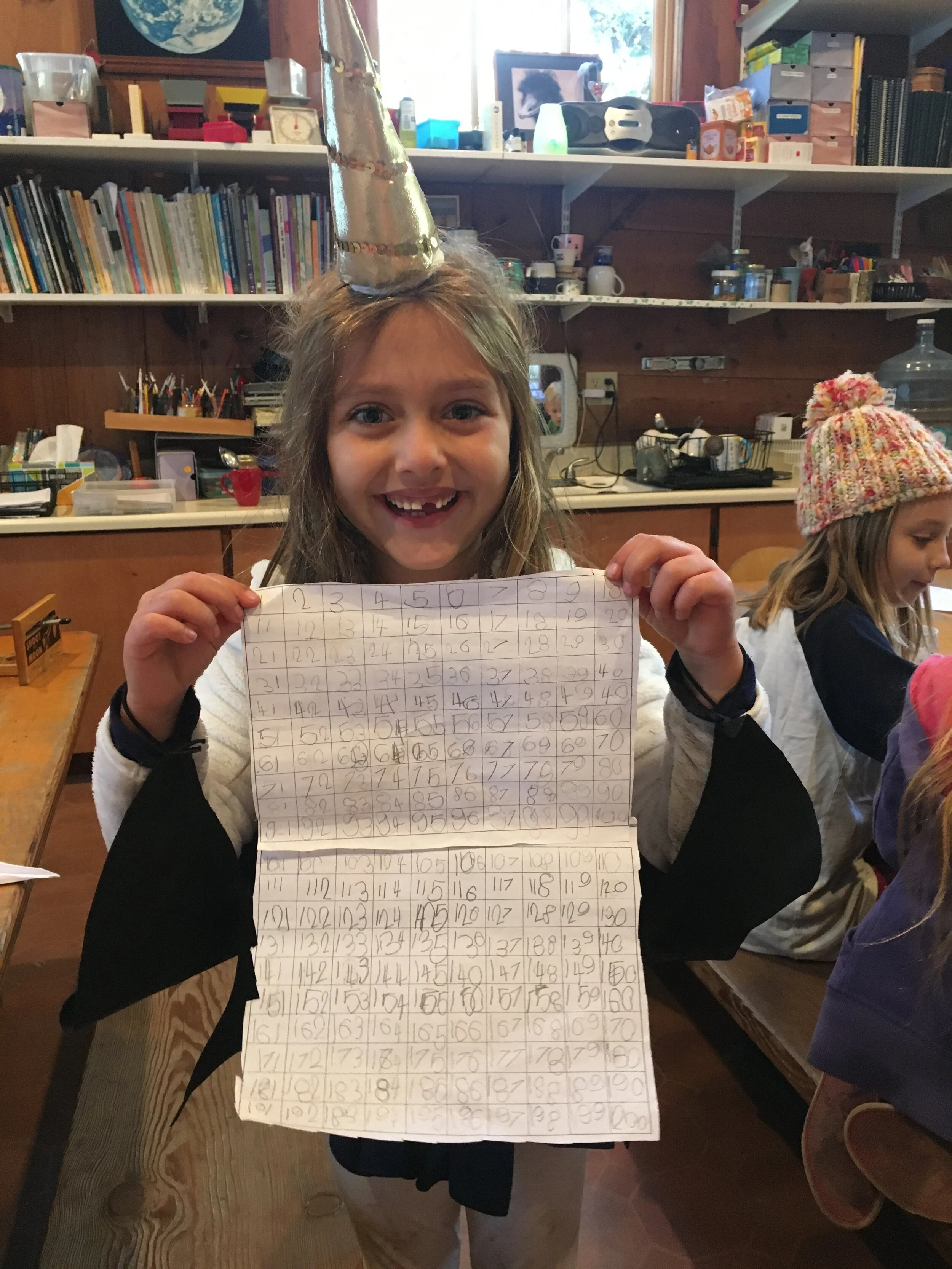
First graders played the penny dice game, went over number formation for the numbers 2 and 3, practiced tally marks in the game Dice Roll and Tally, worked on their number scrolls, and were introduced to the Add A Dot task cards. Second graders learned how to play Shakin Tic Tac Toe, practiced addition through the game of Addition Top It, wrap ups, and parcheesi. They practiced money value with the penny nickel exchange game and learned the game, Less Than You. Students have begun solving the task cards and for some this involves a review from last year, or finishing a set they began last year, or moving on to a new set that matches their skills and challenges them to acquire new skills.
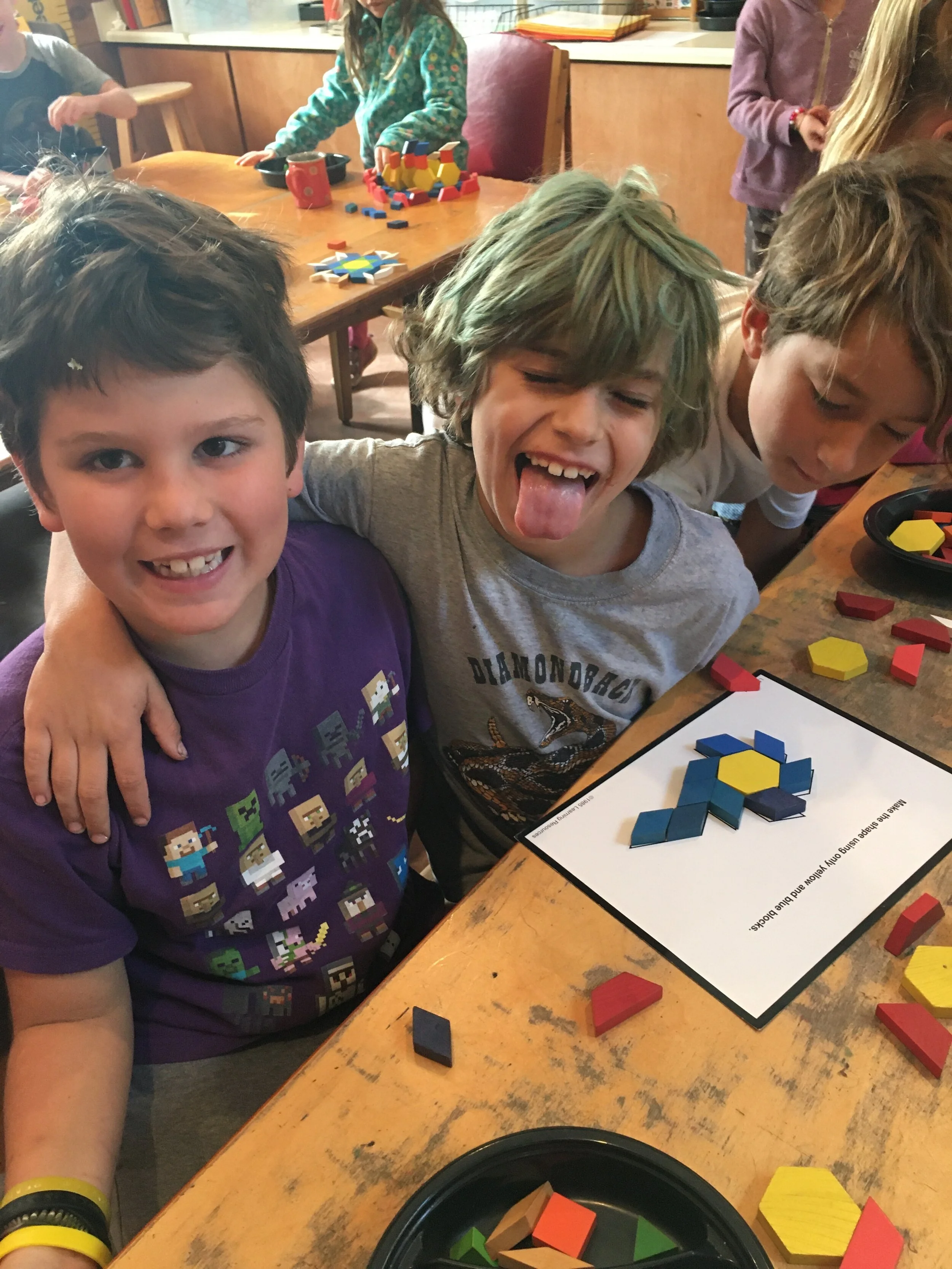
In terms of positive discipline, I shared the format for ‘I feel statements’ where one says: “I feel ______ because ______ and I need _______/or would you be willing to __________.” They seem to be a pretty harmonious group and to parents I say, try to create opportunities for connection with all members of the class, not just those your child is most drawn to, that is what we try to do in our teaching so as to create many invisible filaments that connect all members of the group.