
Science
In science this month, students continued their study of habitats. The class went on an exploration of mini habitats under rocks and logs around our campus. Then, each student selected a different animal and completed a paper plate habitat diorama as well as a habitat research booklet related to their animal.
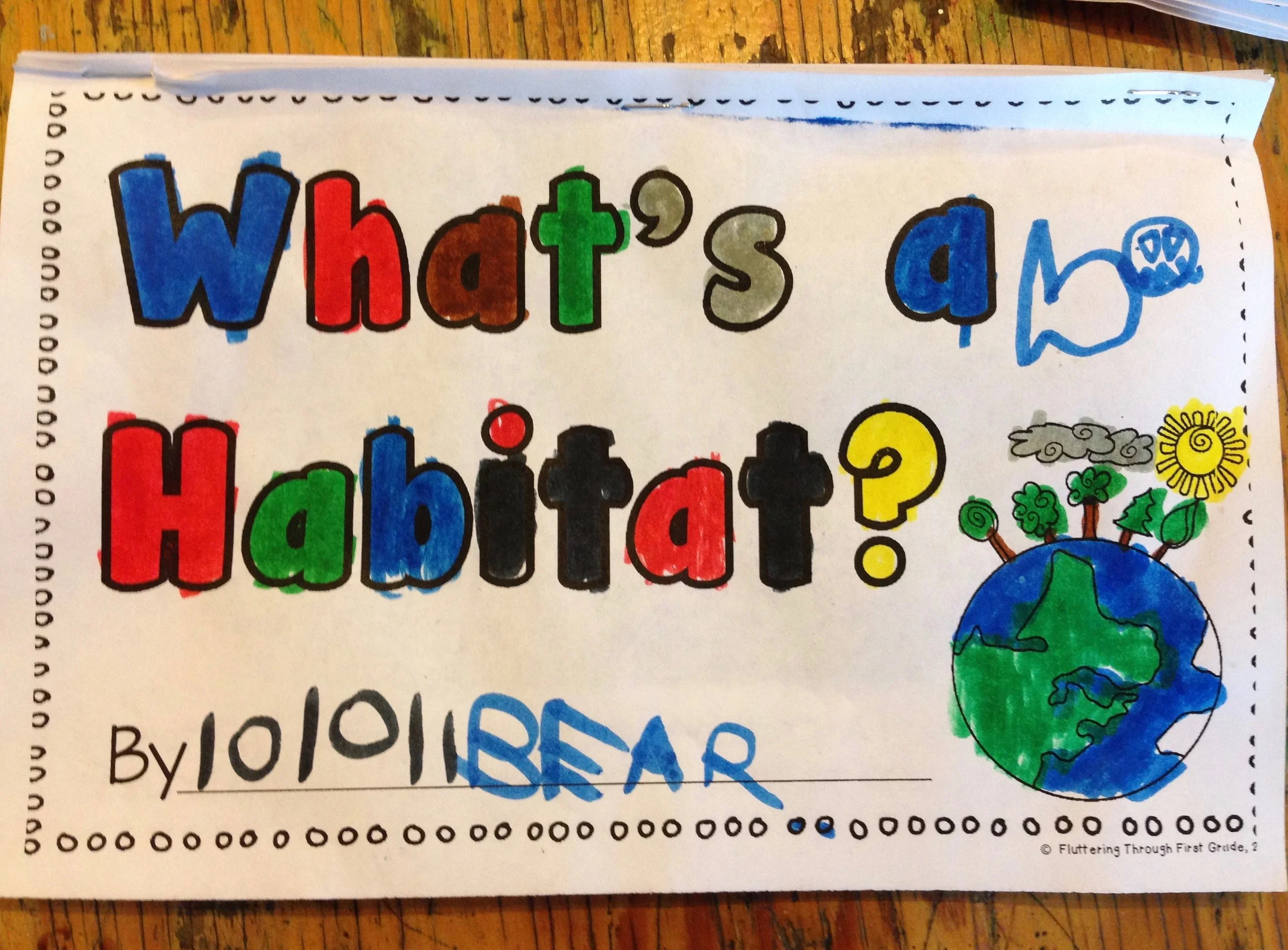
Bear chose a shark as his animal to research.
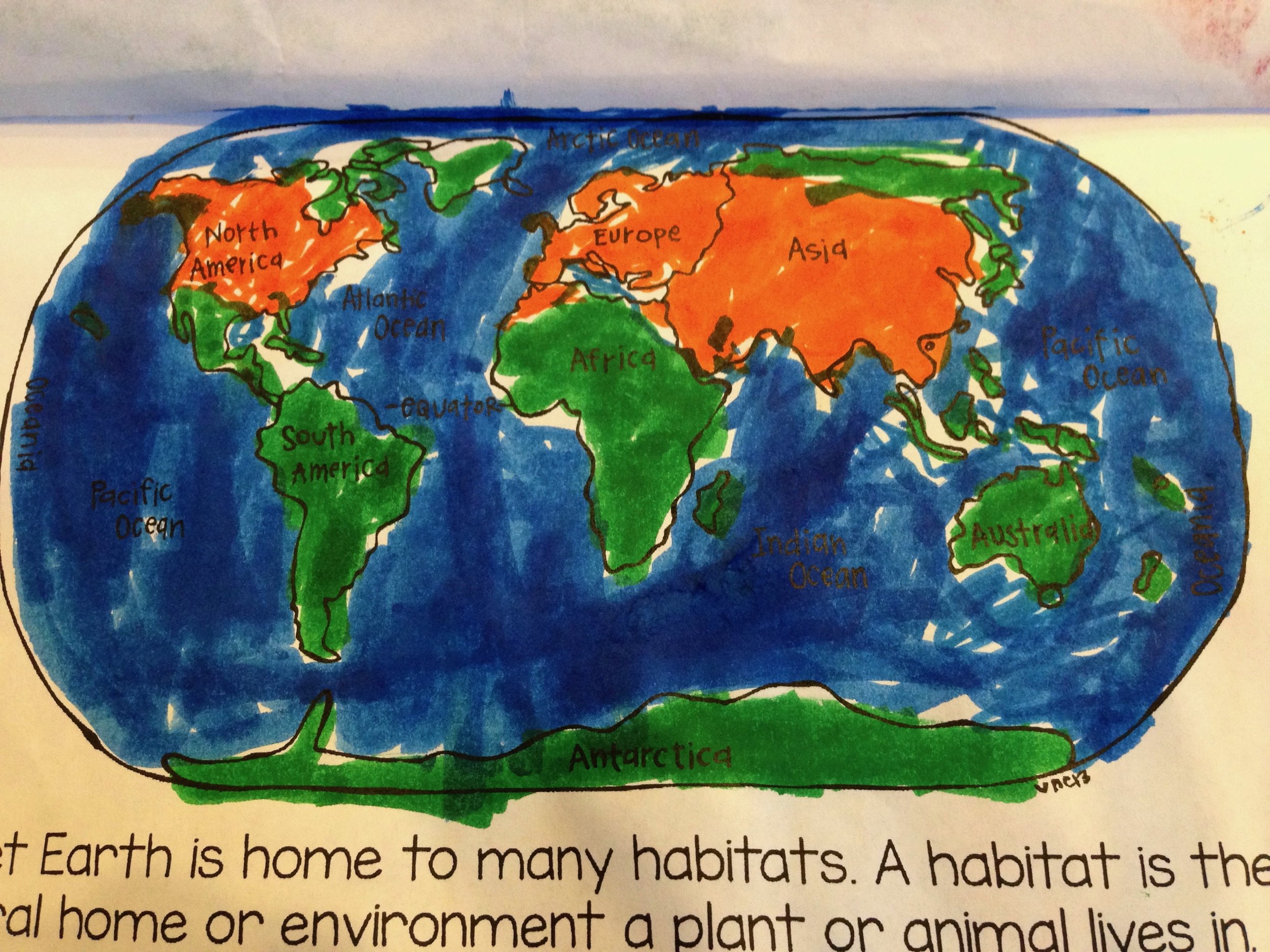
Students colored their animal’s range a different color on their maps.
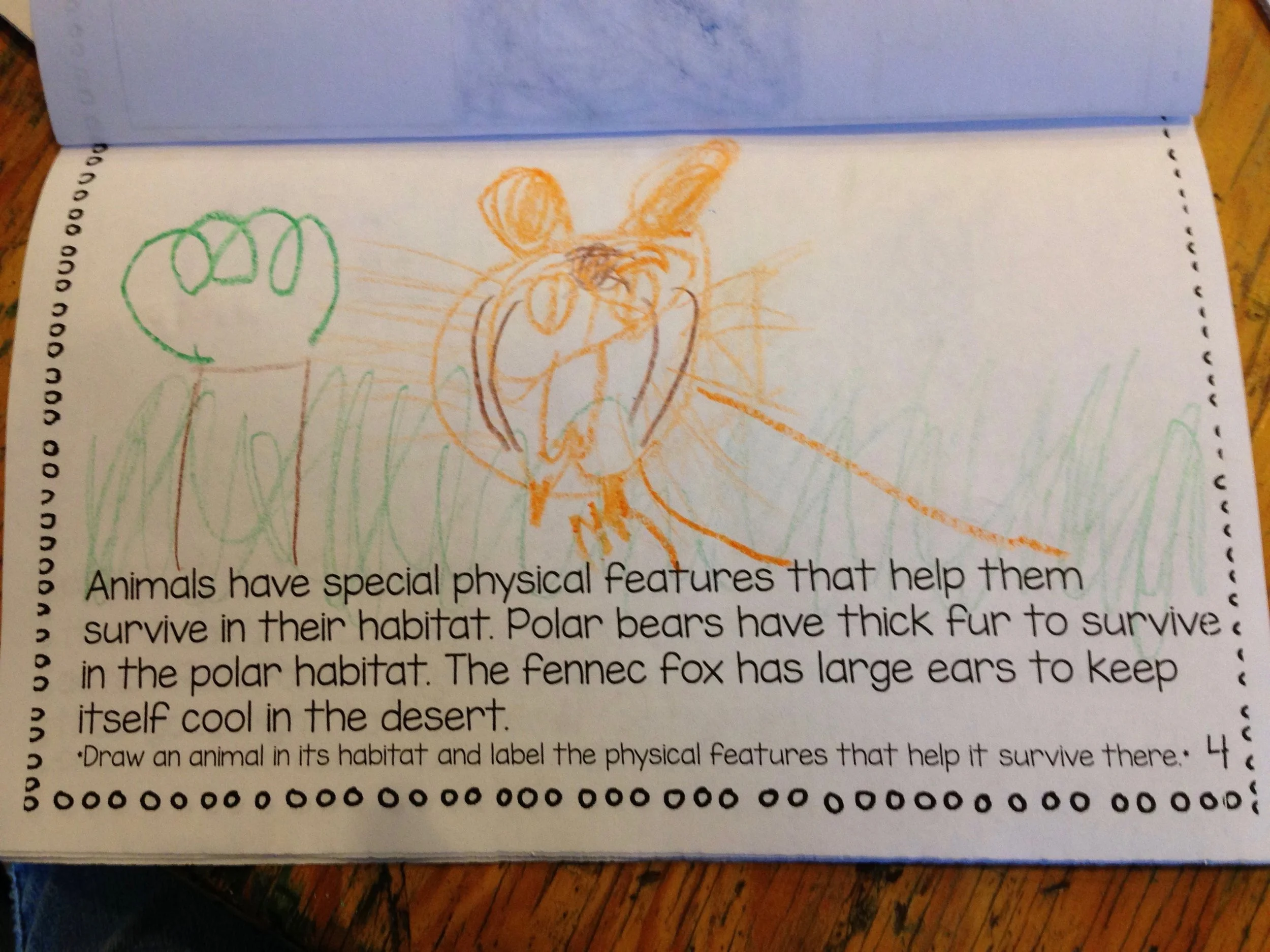
Mickey’s tiger showing off the physical features that help it survive in its habitat.
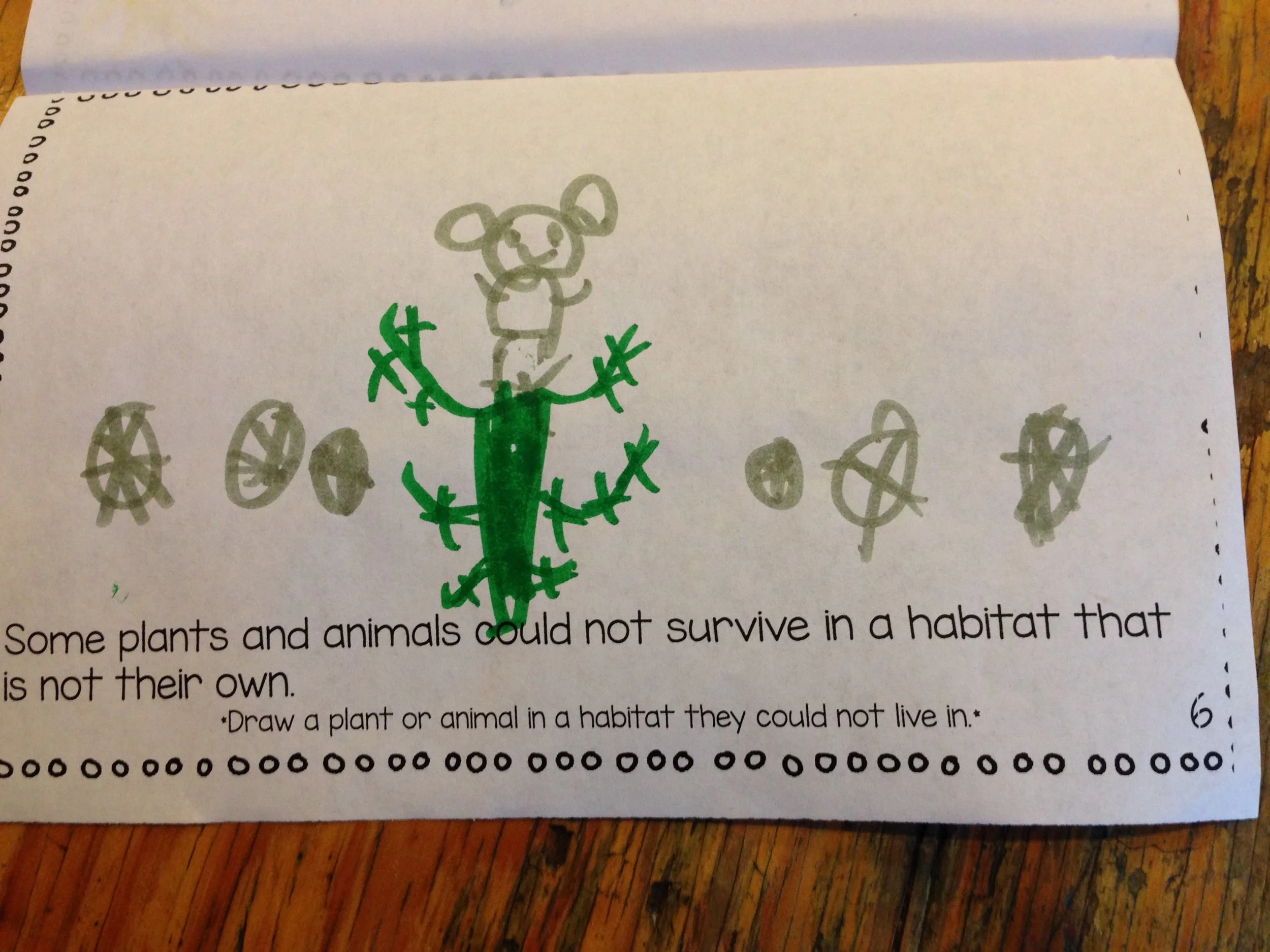
Emma’s depiction of how a koala could not survive in the desert among cactus and tumble weeds.
Next, we started a unit on how babies look similar to their parents. Students looked at photos of each other, and discussed what differences and similarities they noticed between each student and their parents.
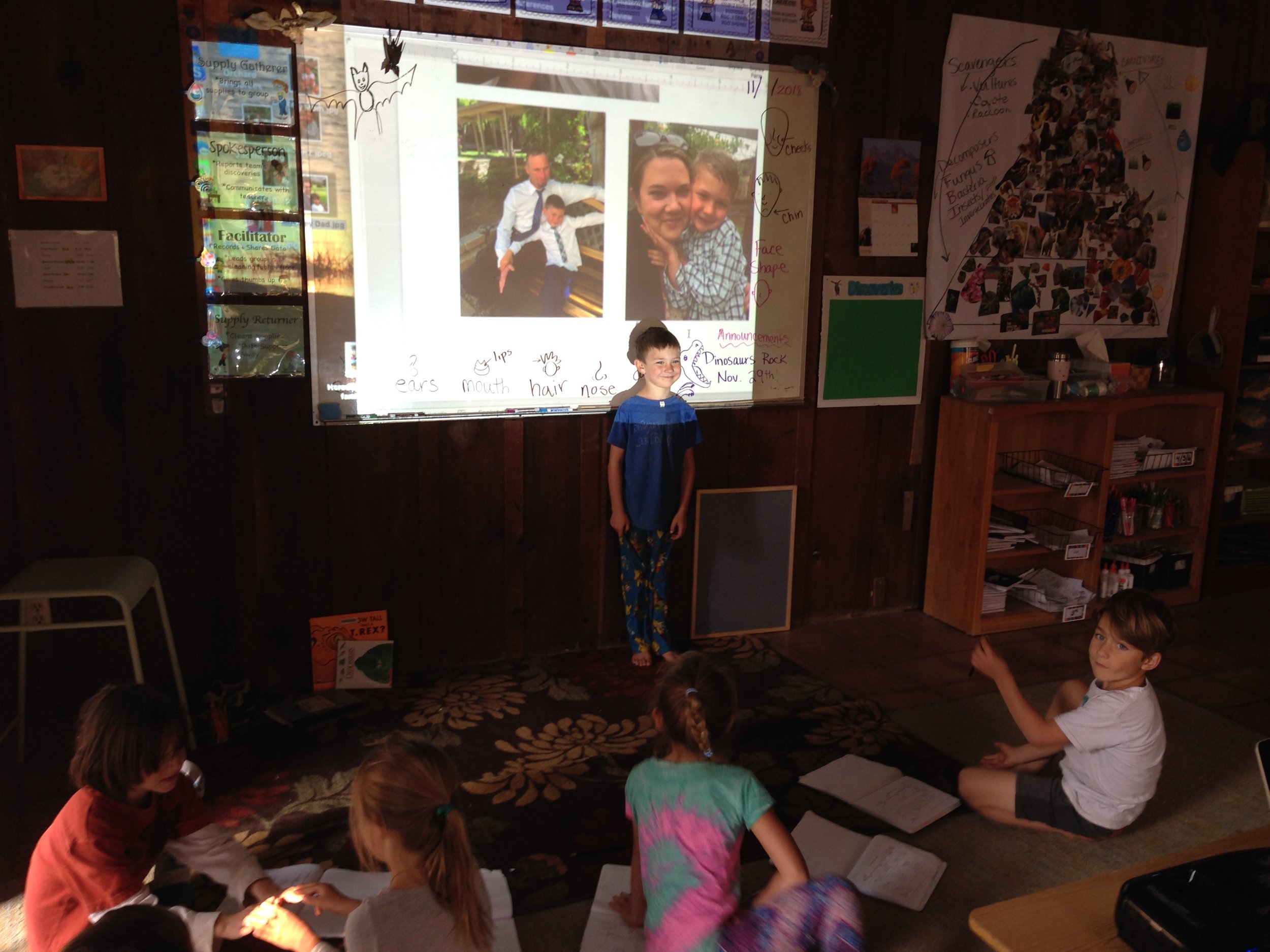
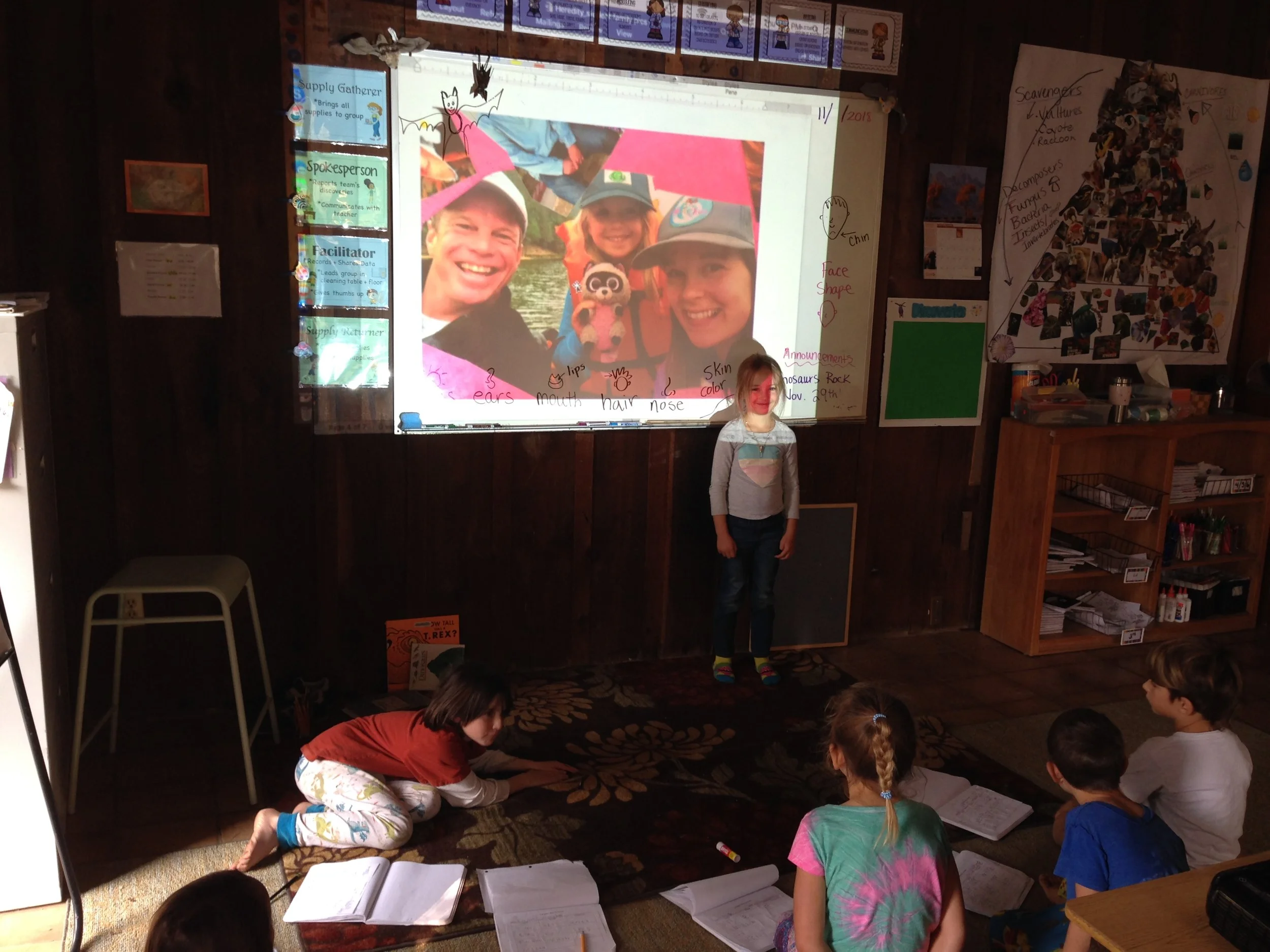
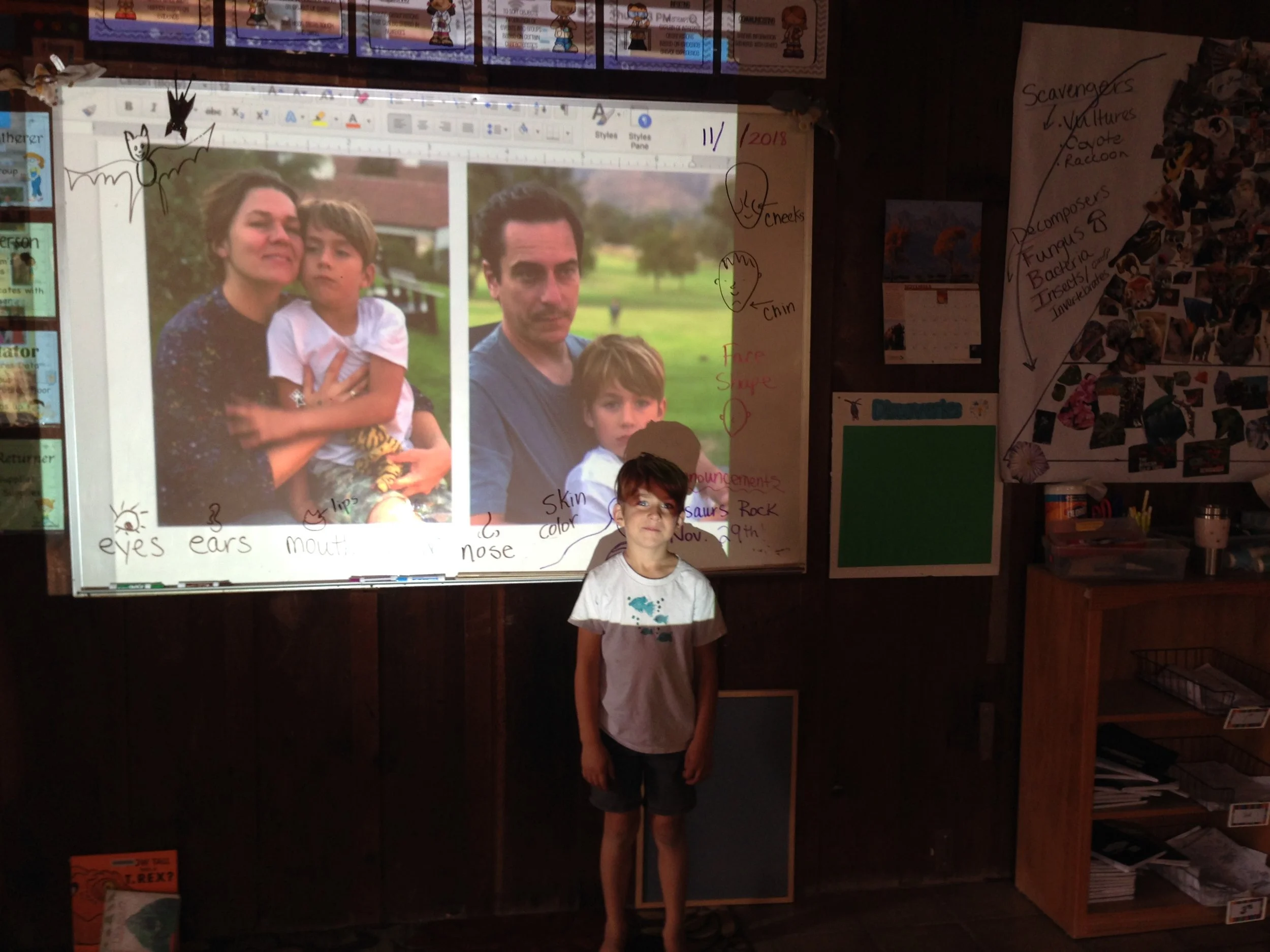
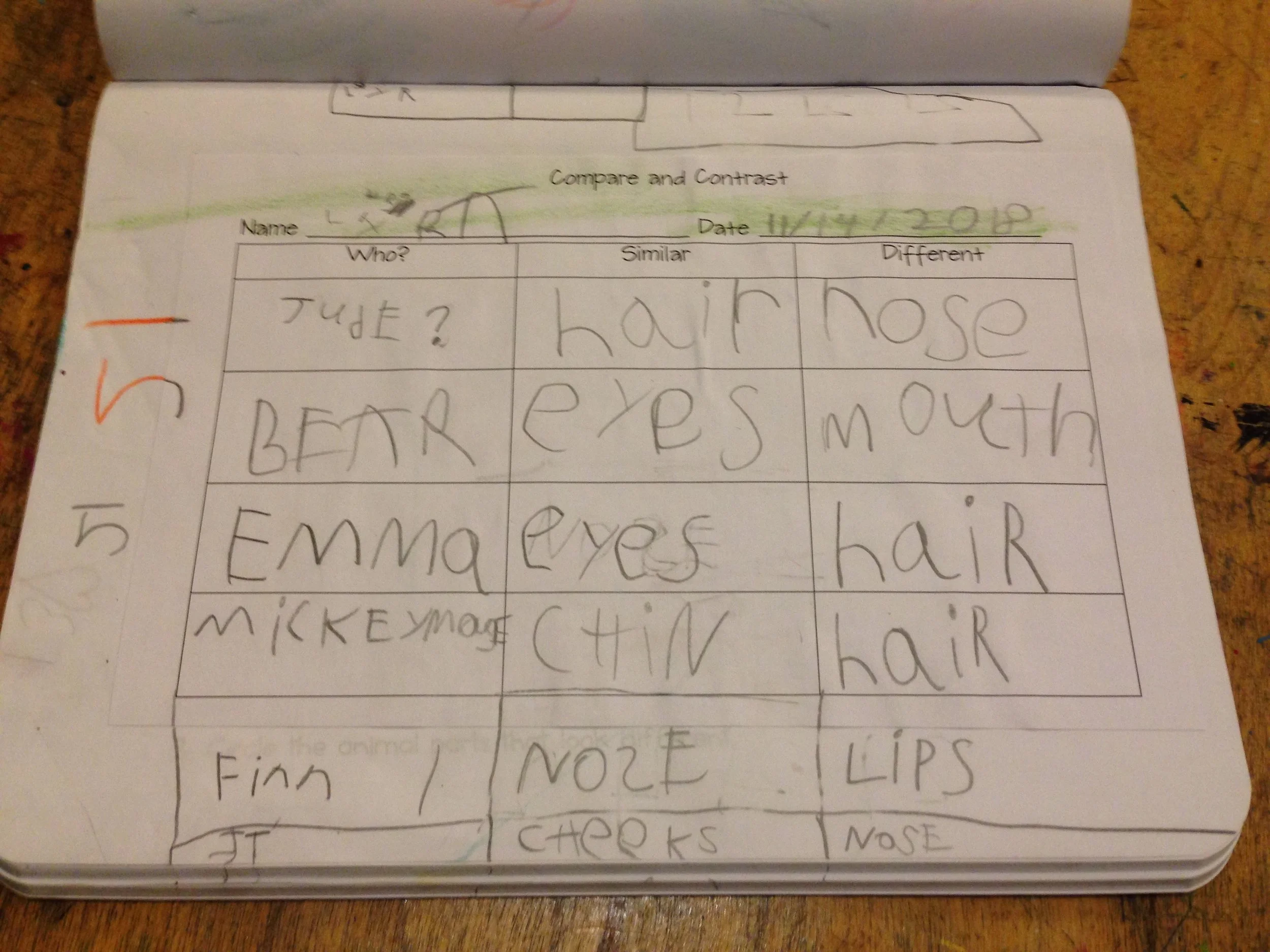
Students recorded their observations of how their classmates look similar to and different from their parents.
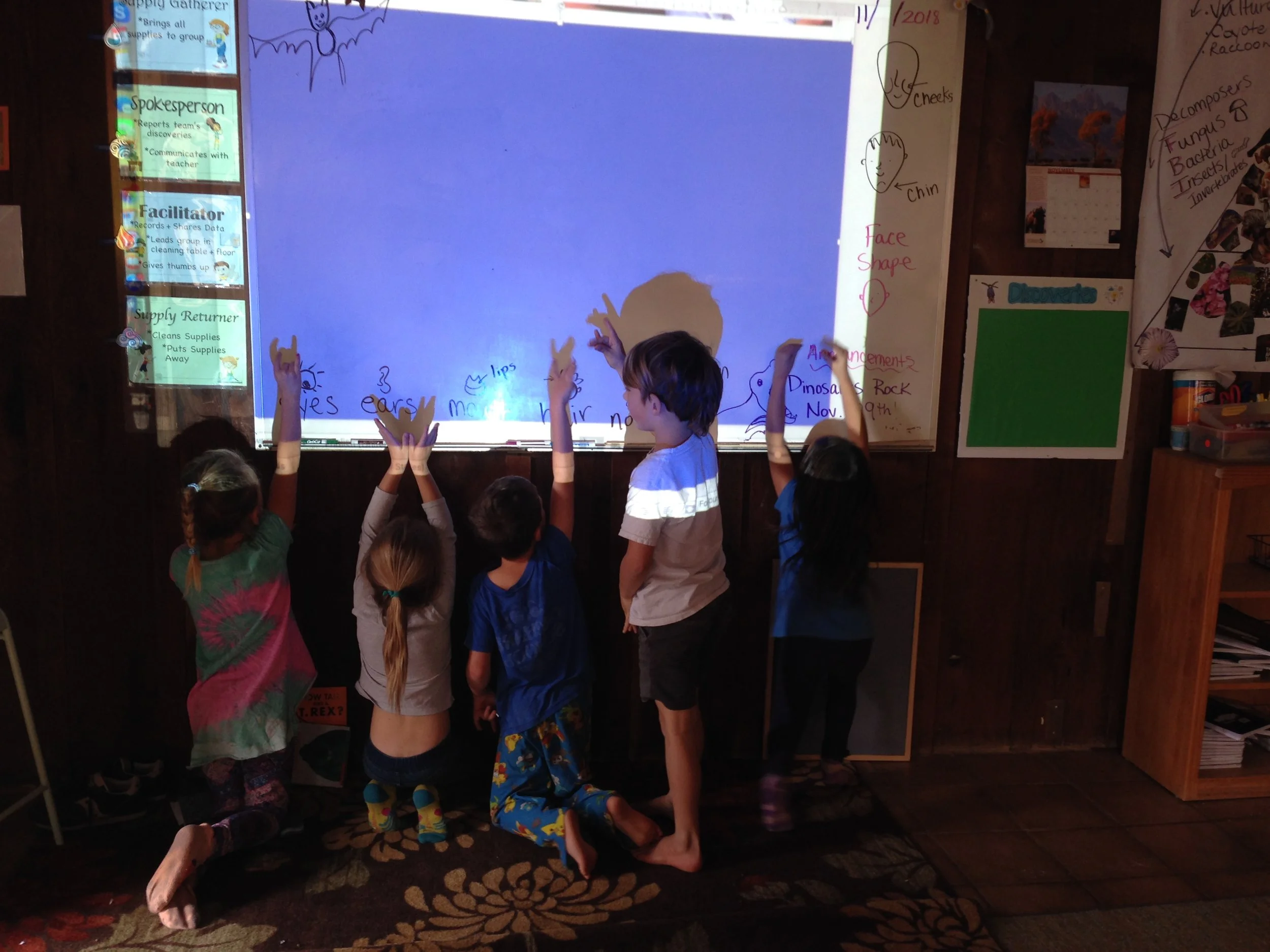
We also saved time for some shadow puppets.
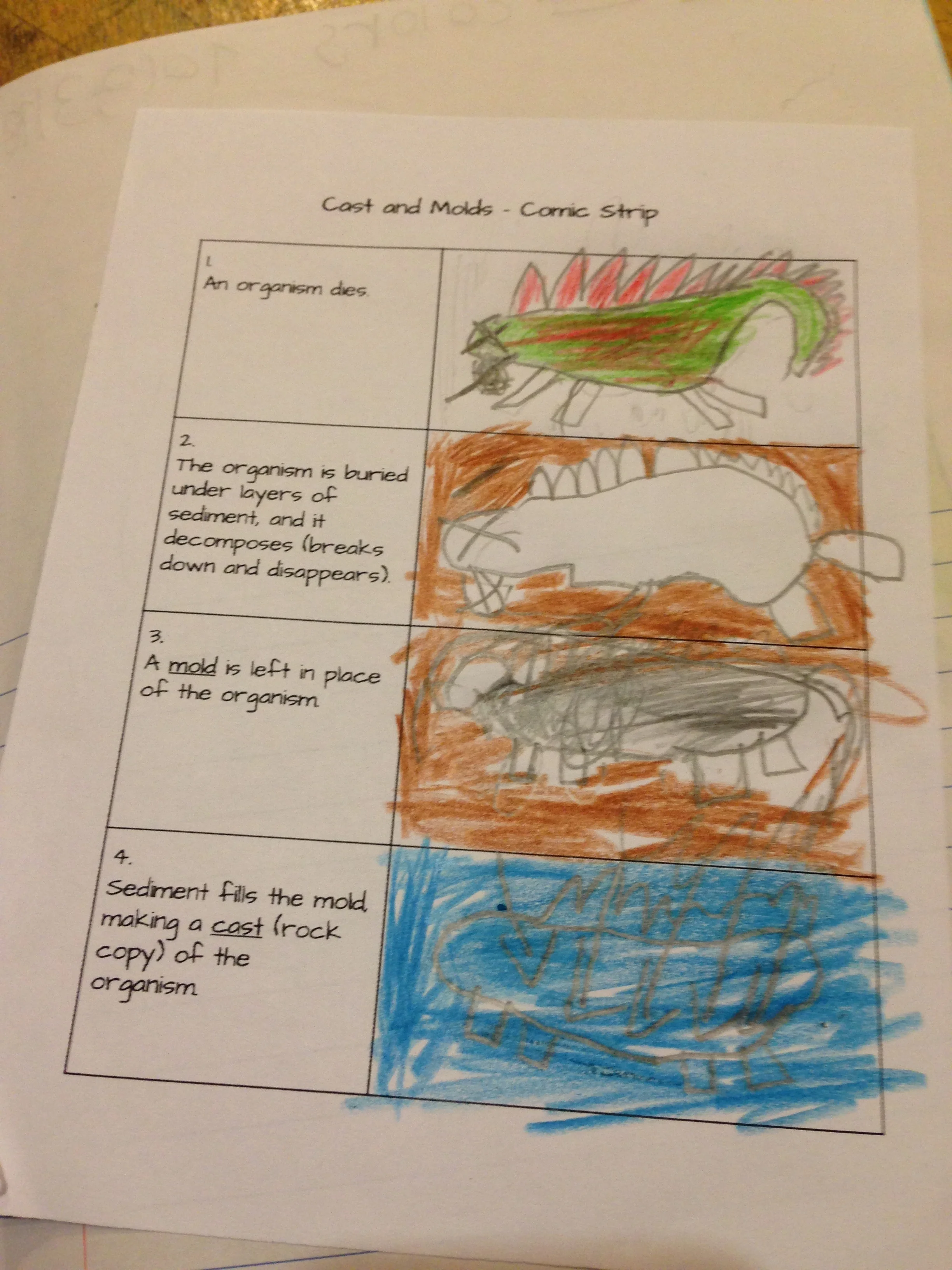
After Thanksgiving we paused this unit to focus on dinosaurs and fossils. Students learned about the process of how cast and mold fossils are formed, and created some of their own.
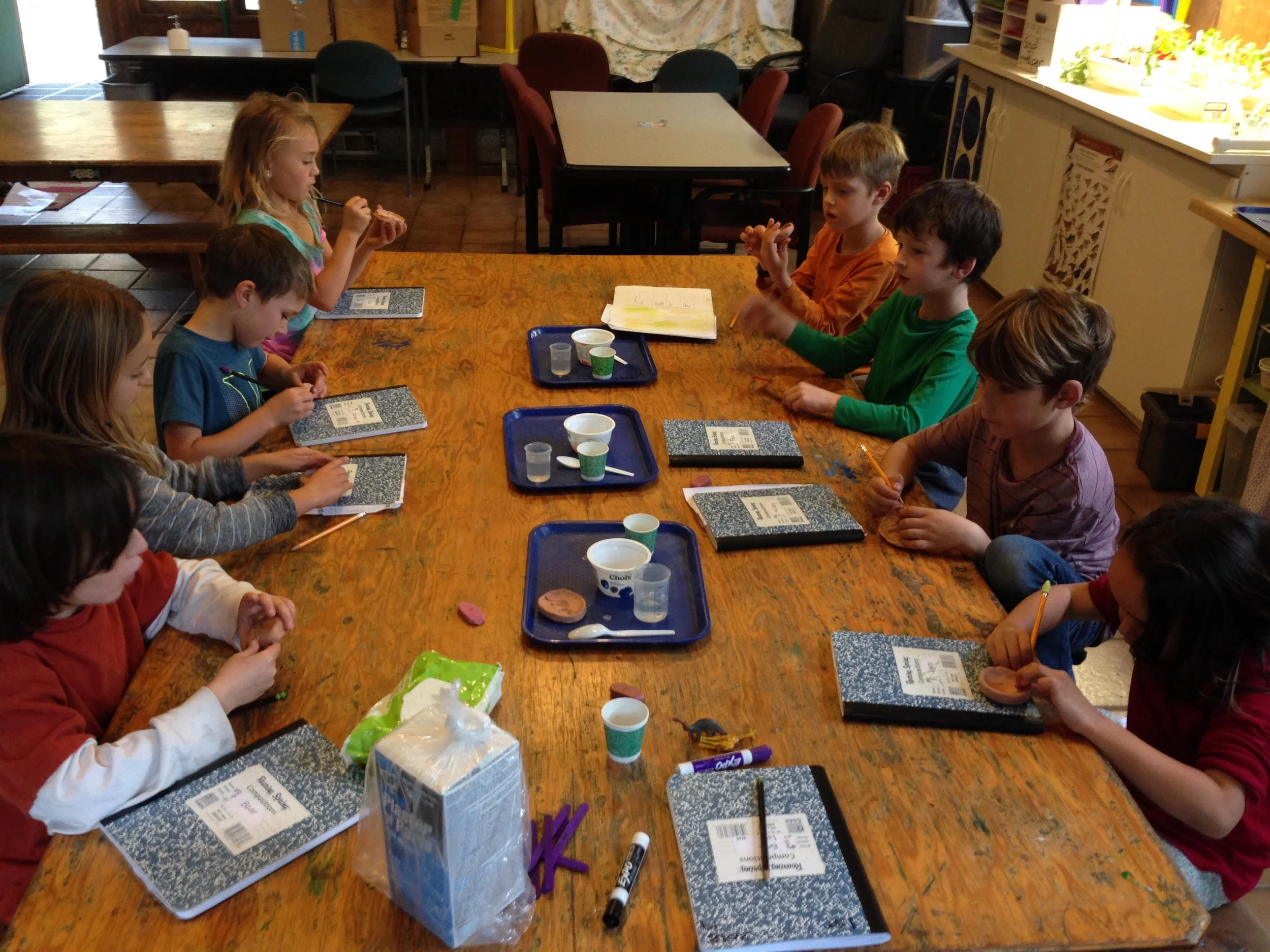
Creating a mold from clay.
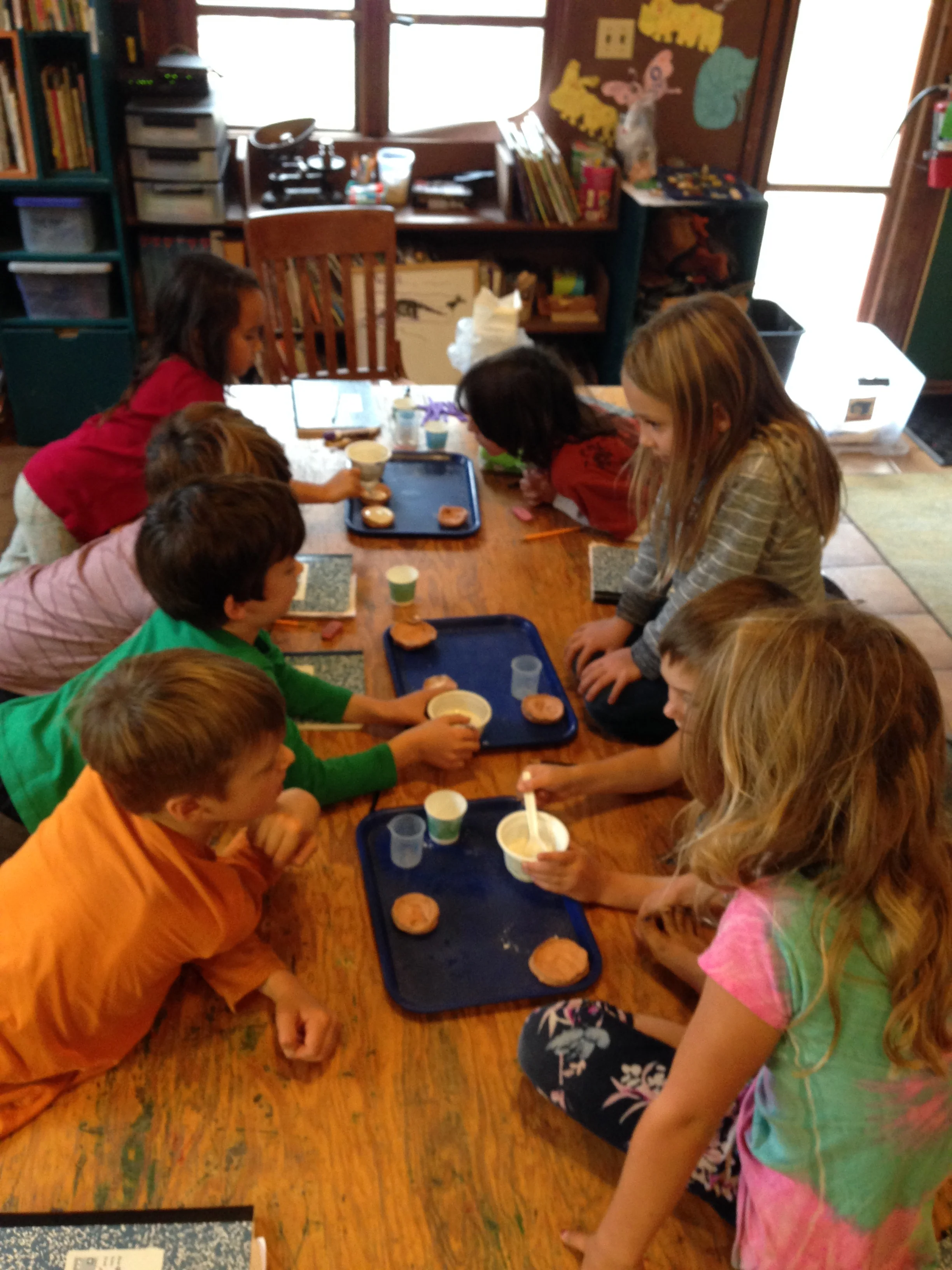
Filling the mold with plaster.
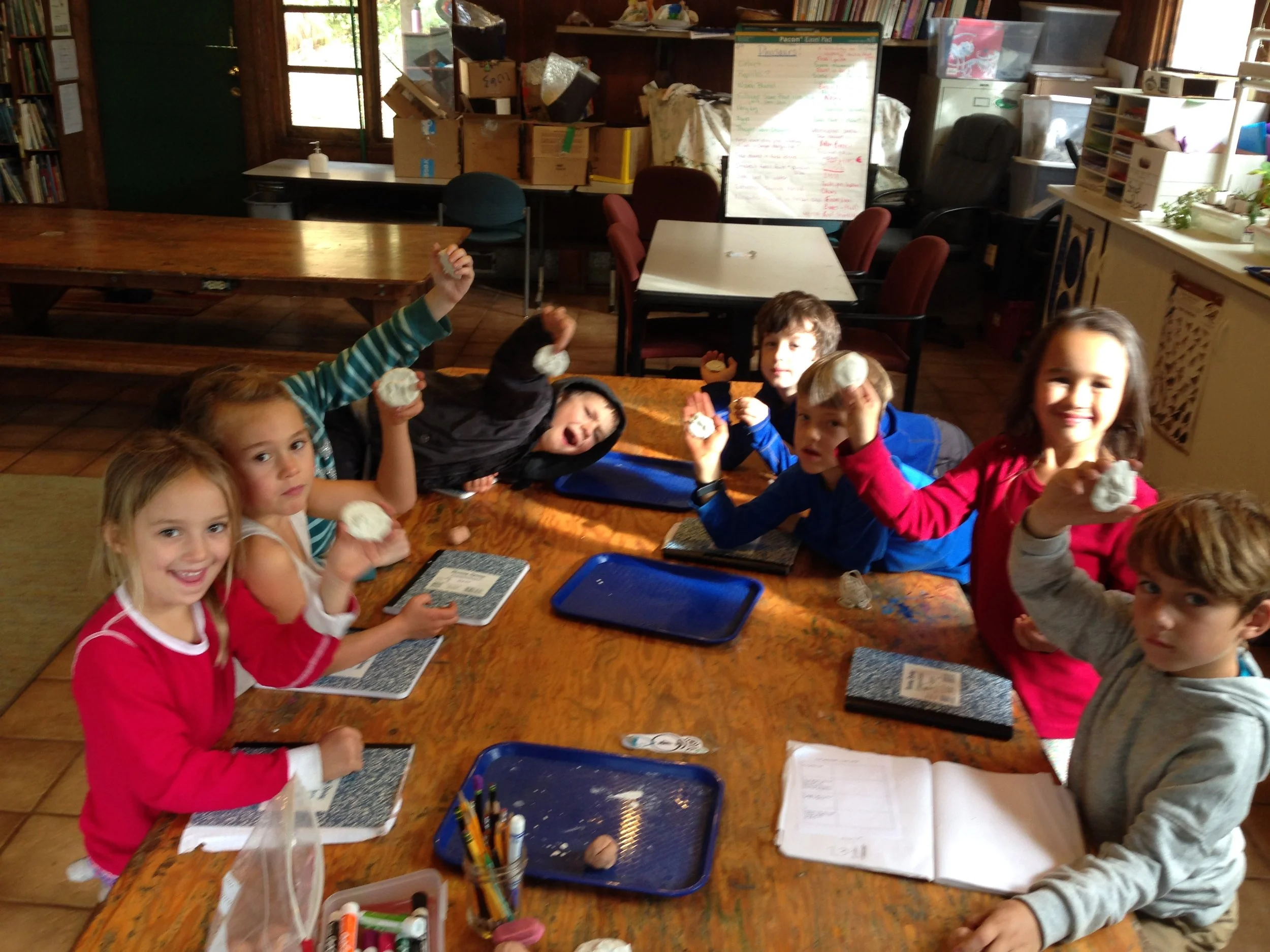
Students displaying their casts.
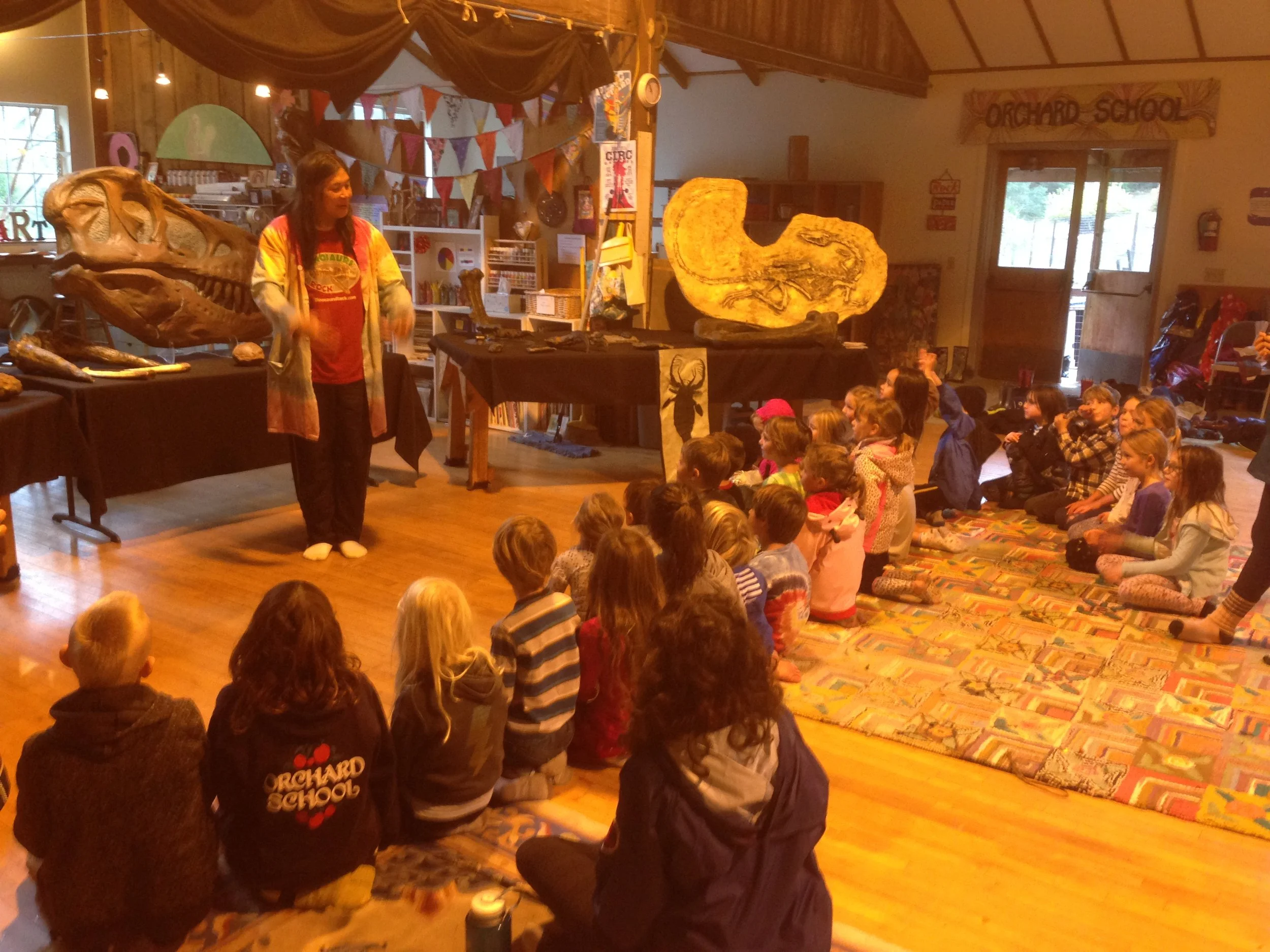
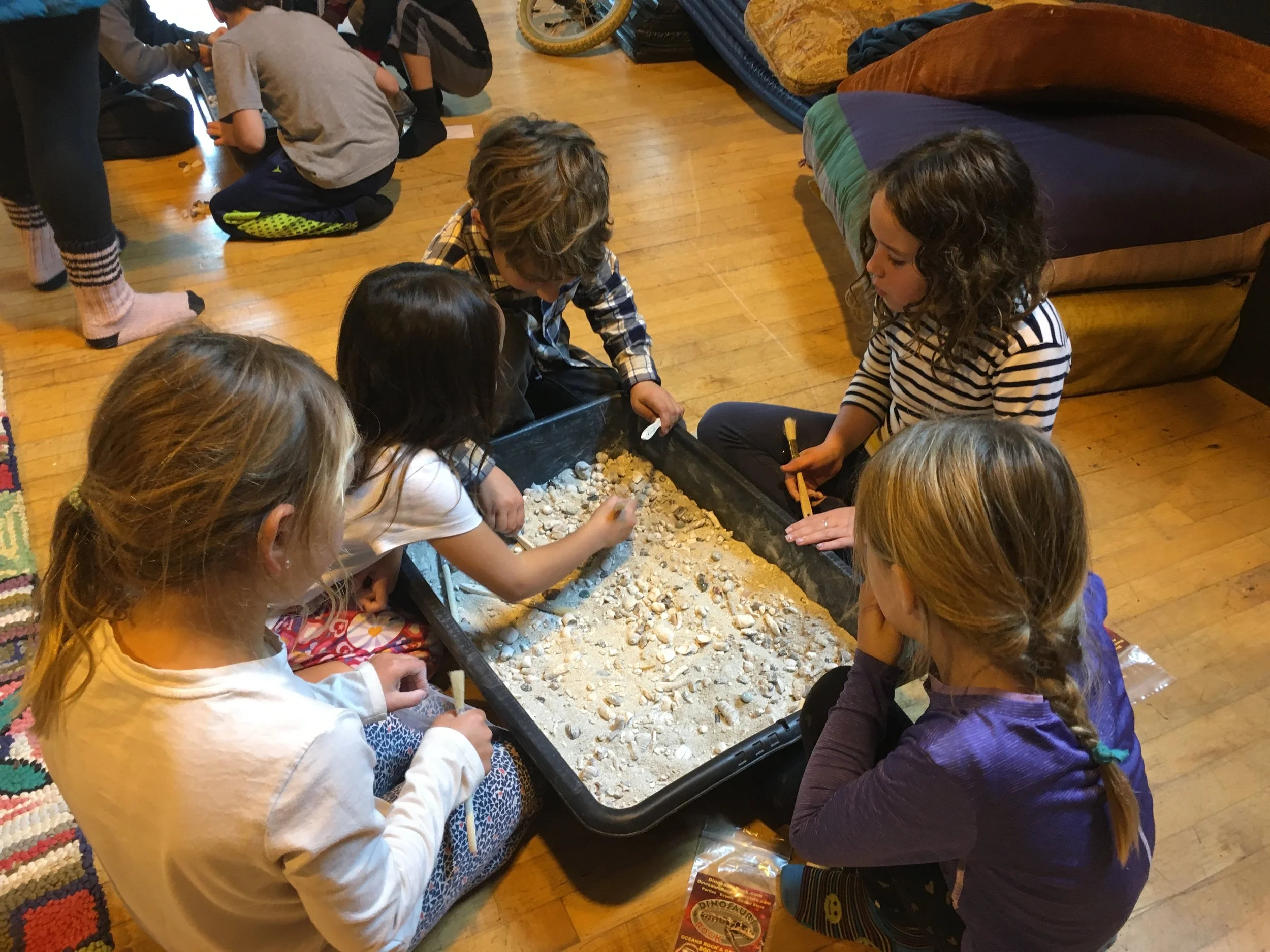
At the end of the month, Orchard got a visit from Dinosaurs Rock. We had a very enthusiastic presenter who called on students to act out dinosaur scenarios, interact with dinosaur fossils (some real and some copies), and even touch fossilized dino poo! Students also had the opportunity to be paleontologists and dig for some fossils of their own.
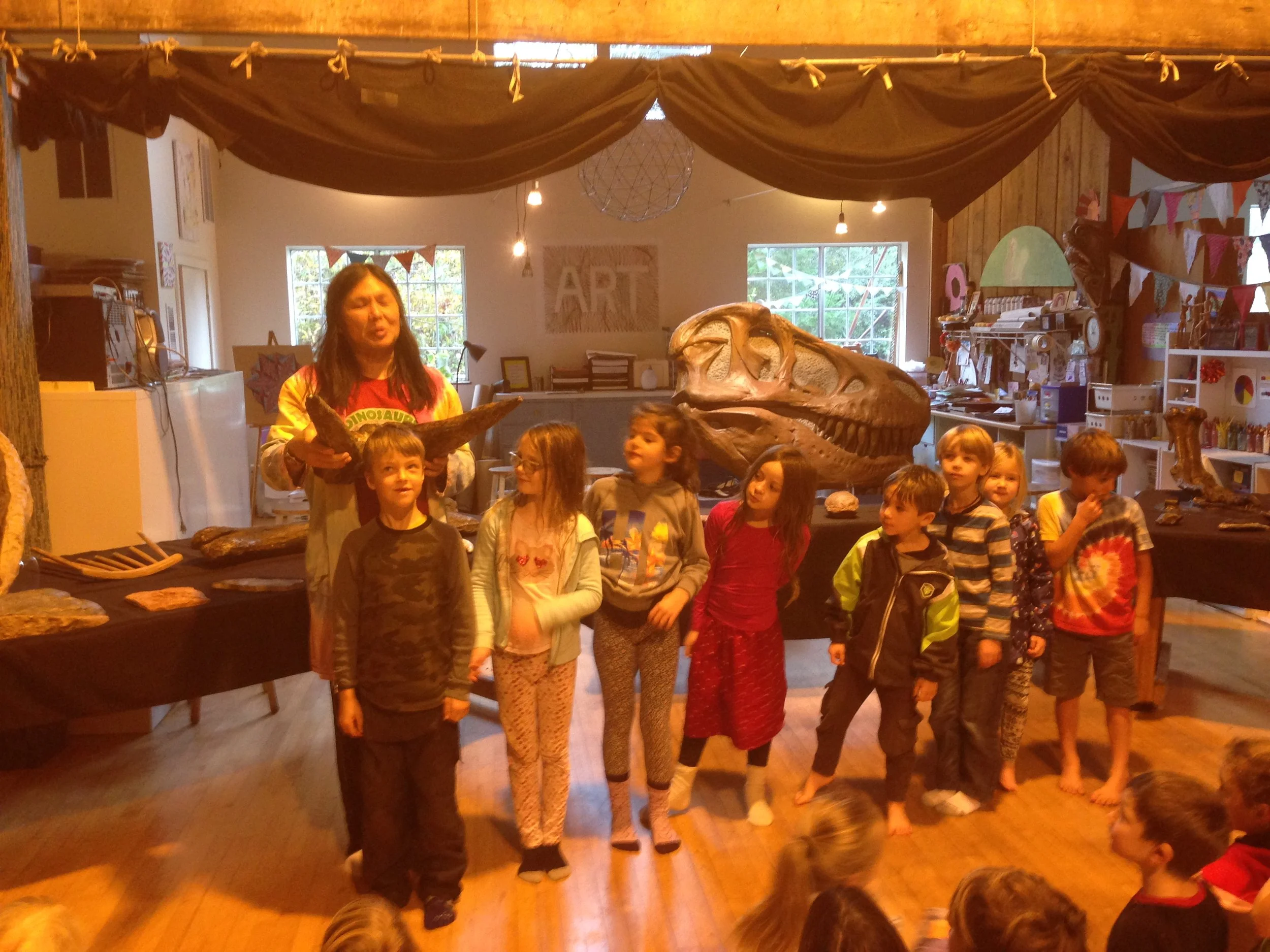
Jude trying out the triceratops horns.
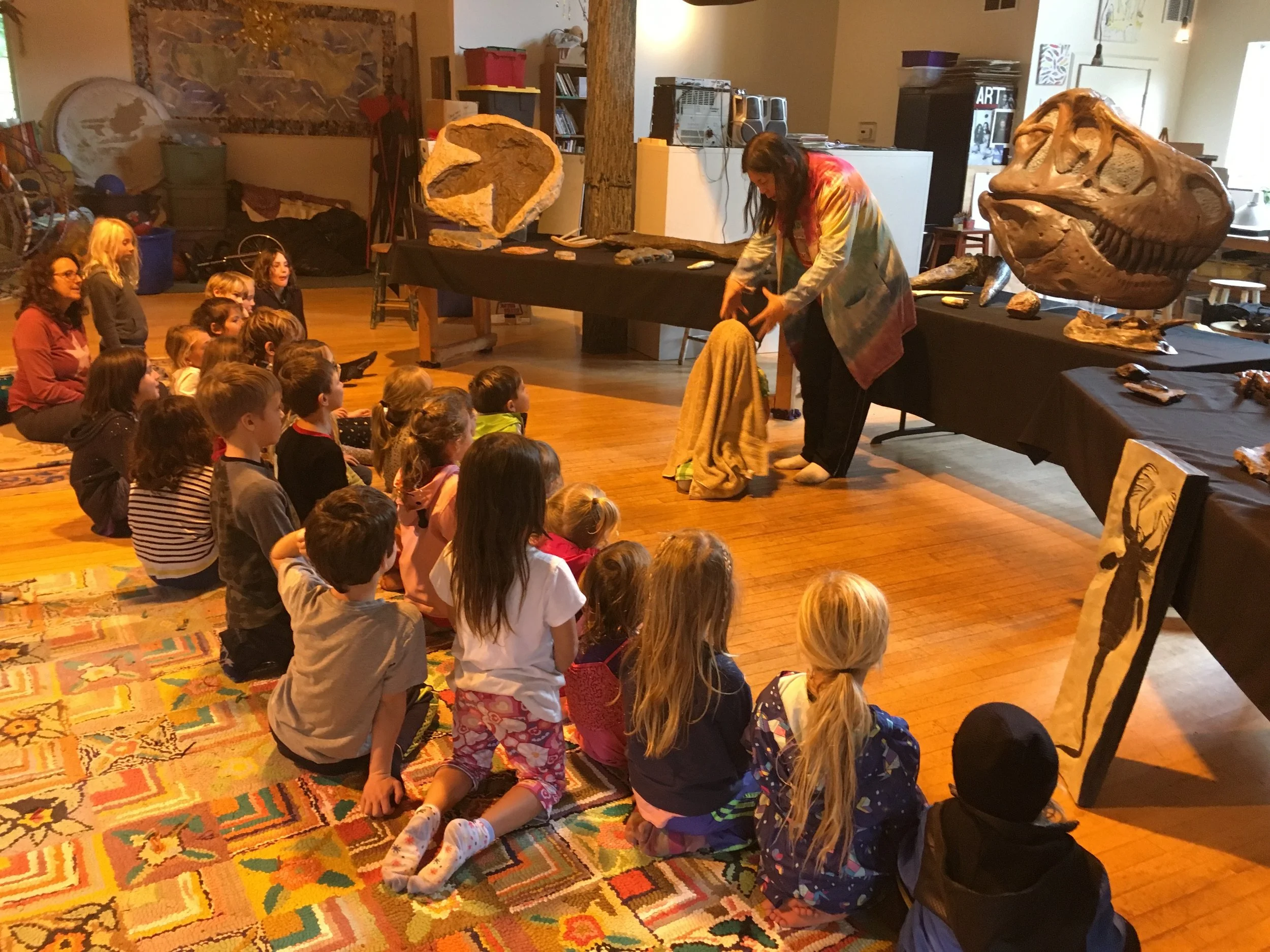
Maxine demonstrating how an egg gets covered with mud and becomes a fossil.
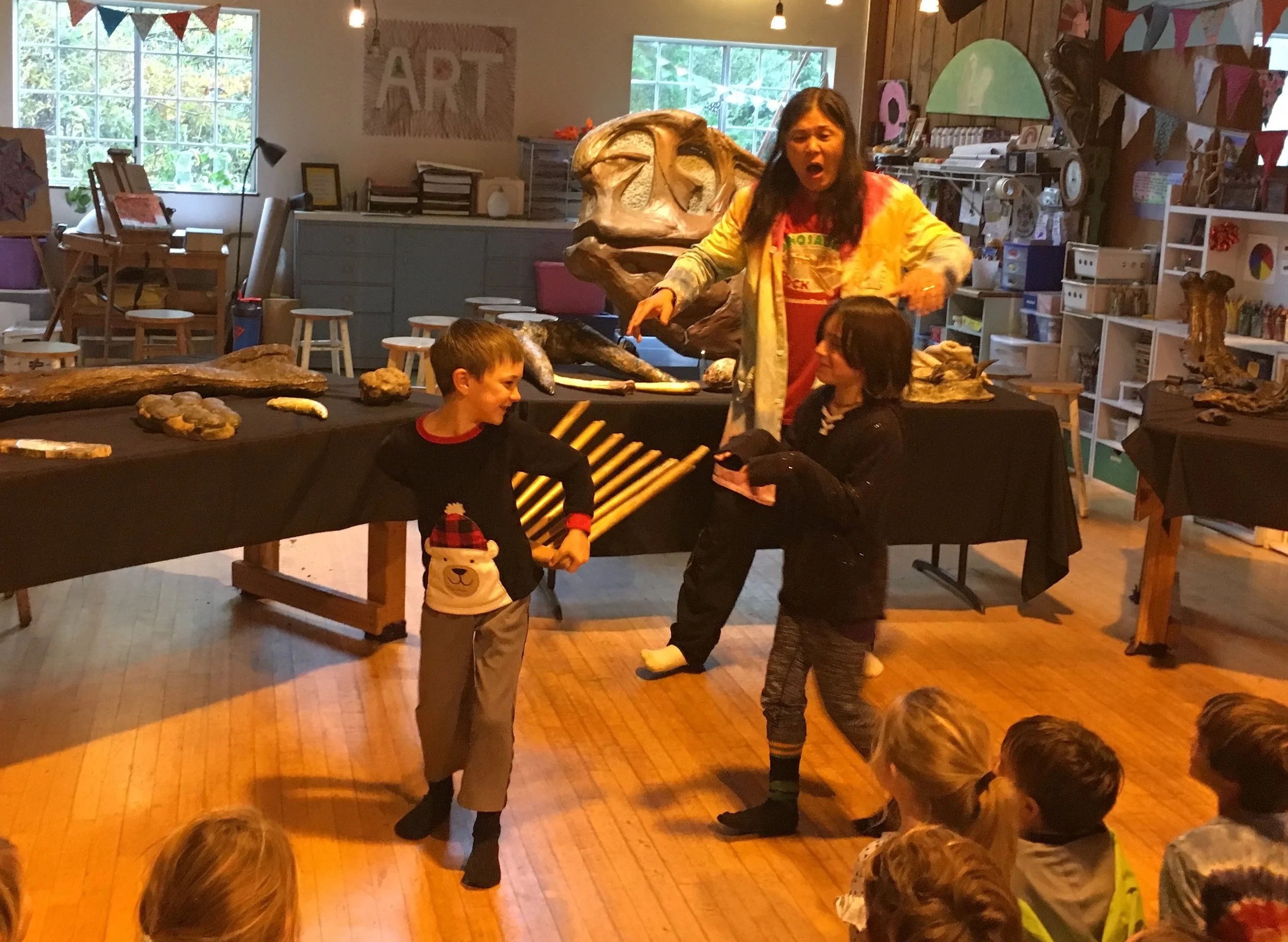
Jacen demonstrating how a dinosaur defends himself against a T-Rex.
Currently, our class has resumed its study of how baby animals look similar to but not exactly like their parents. In the next few weeks students will also be discussing how animals adapt to winter, and doing some holiday related science labs.