
Math
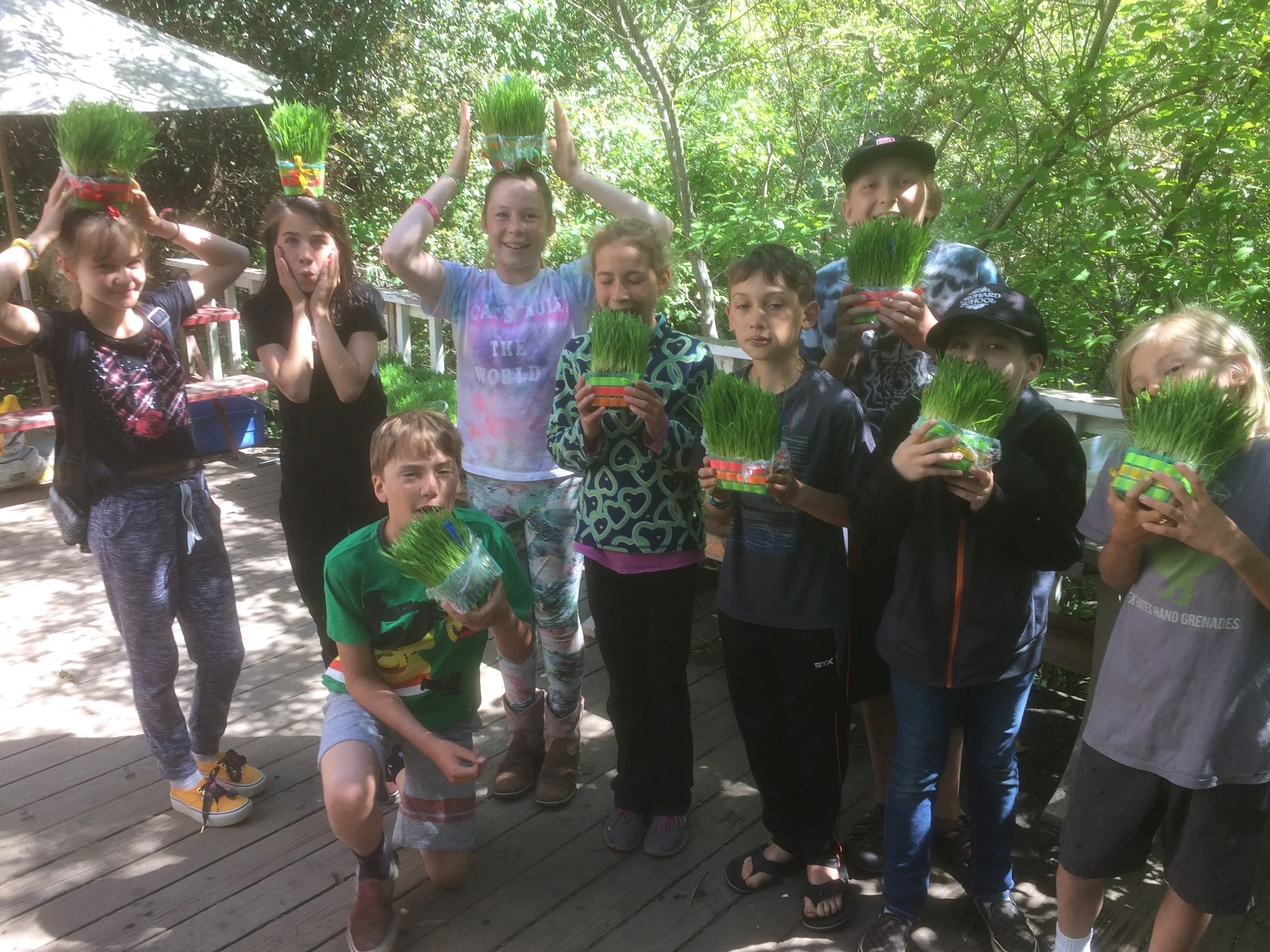
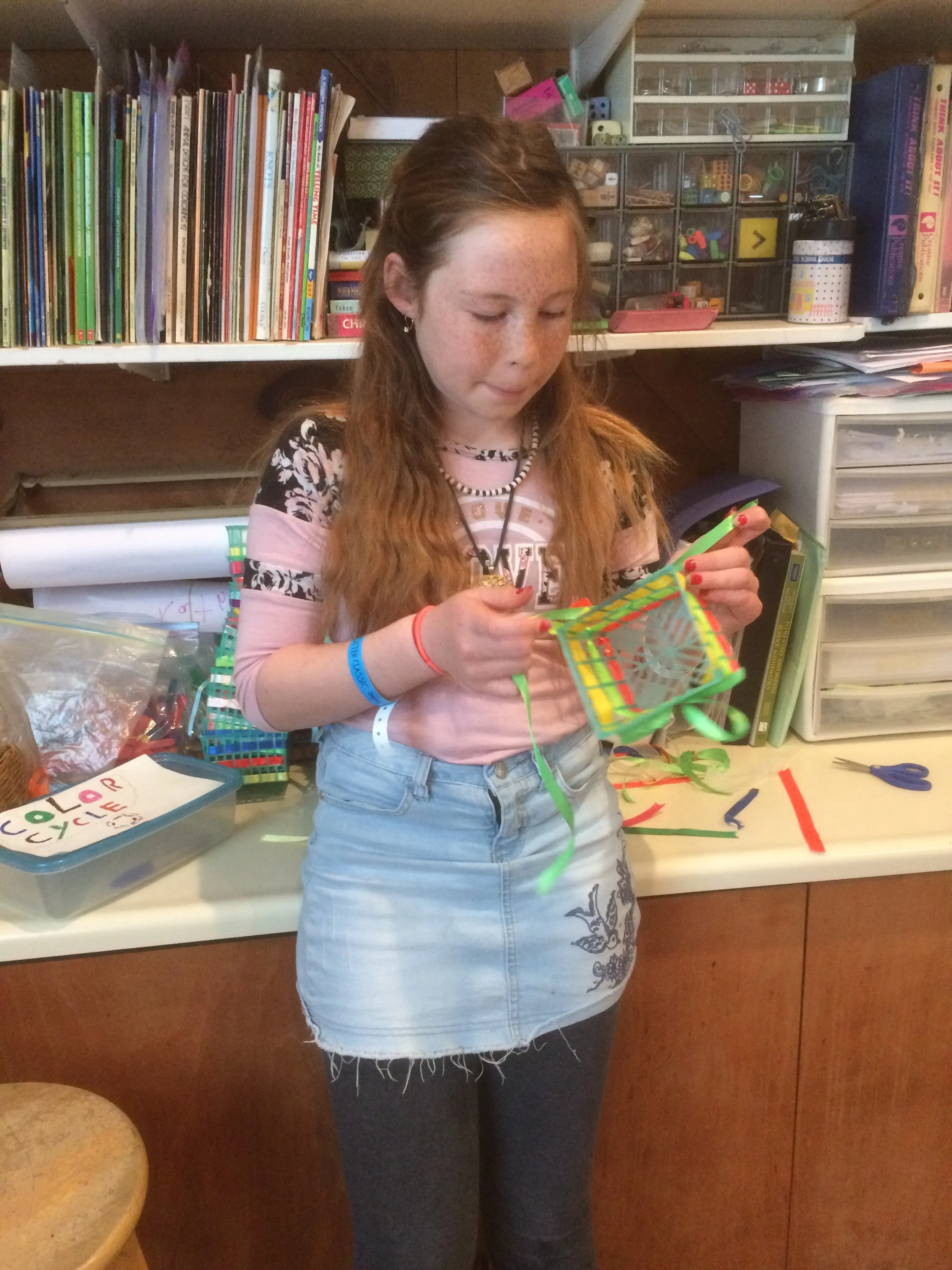
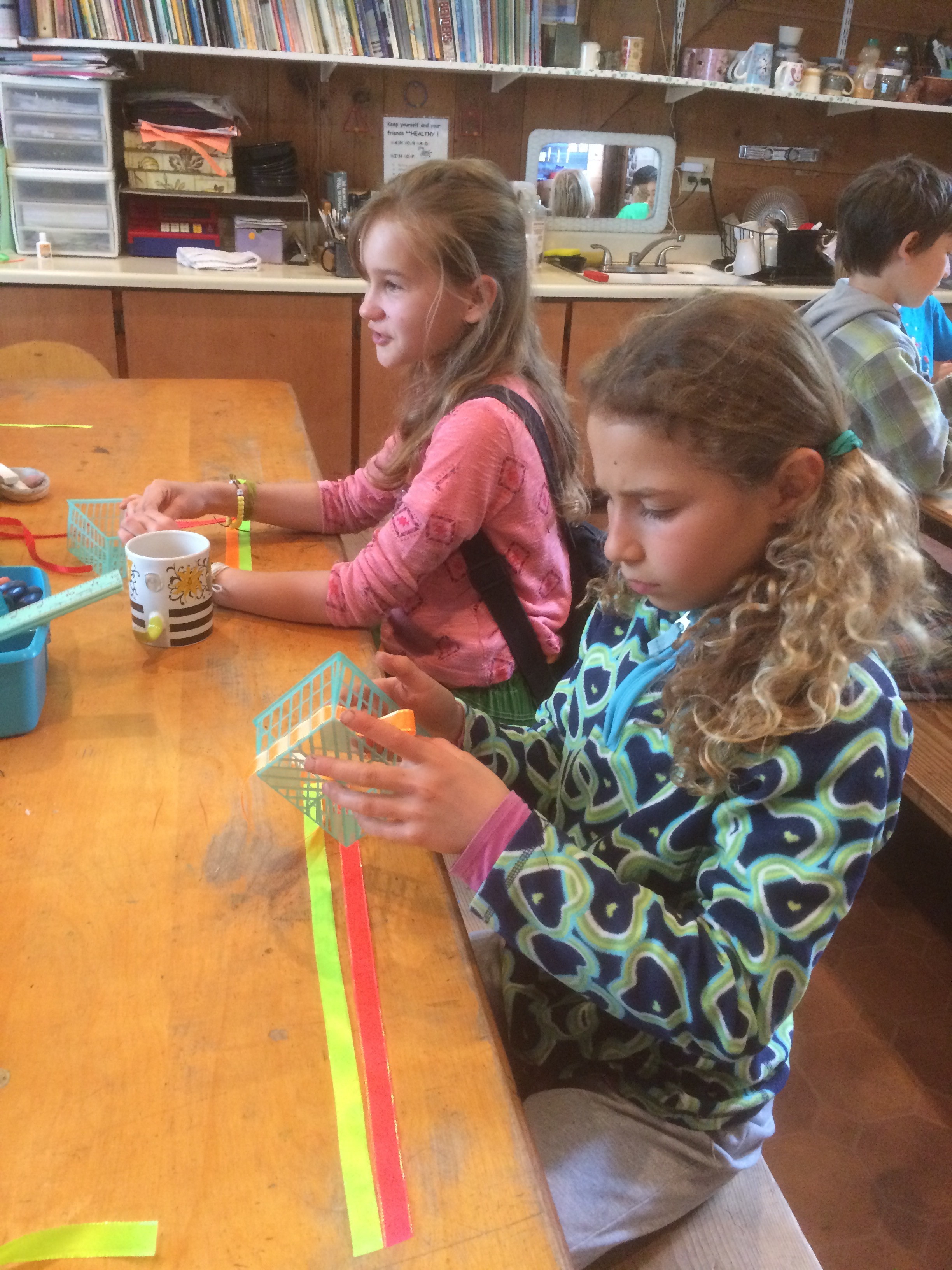
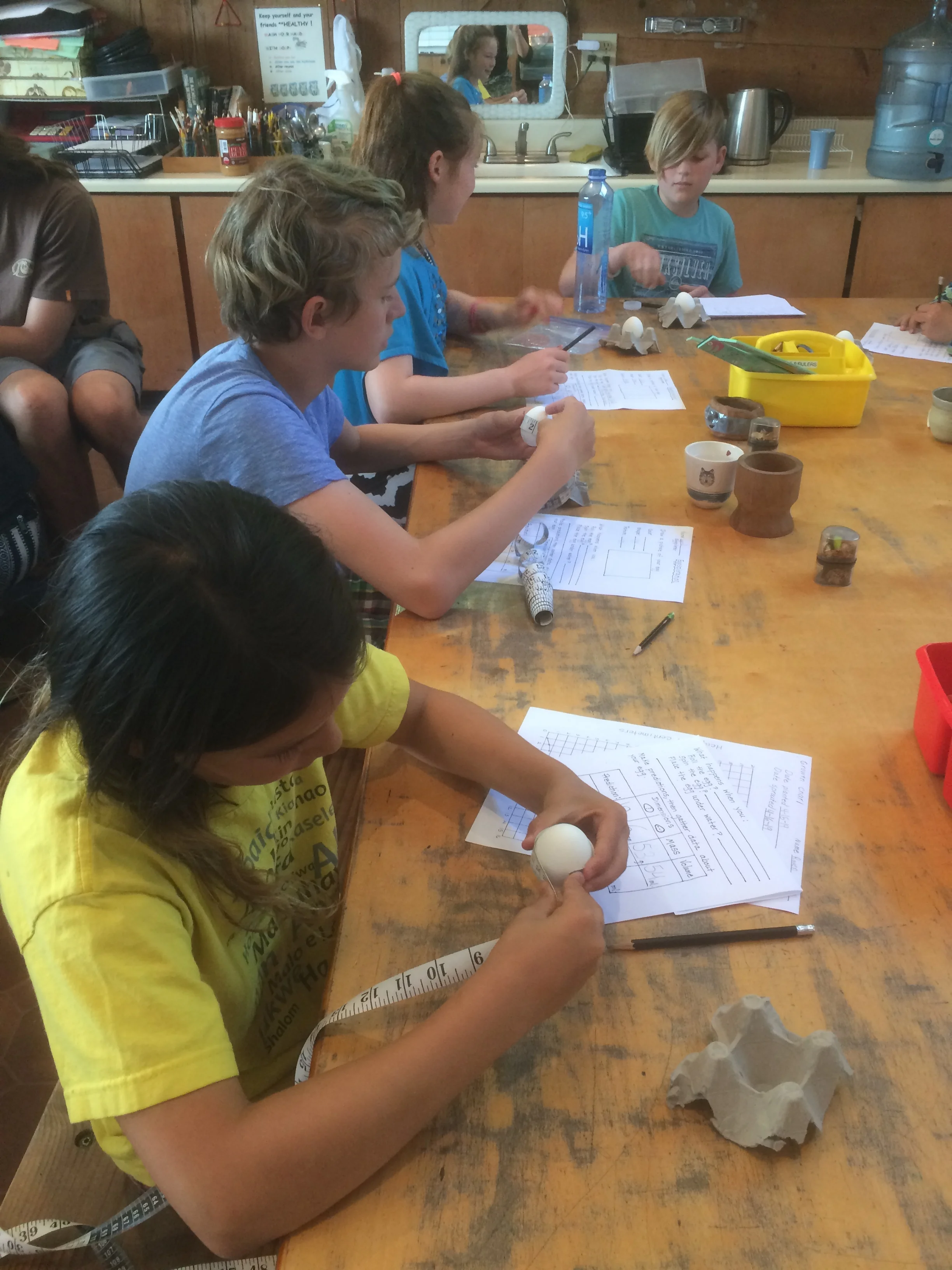
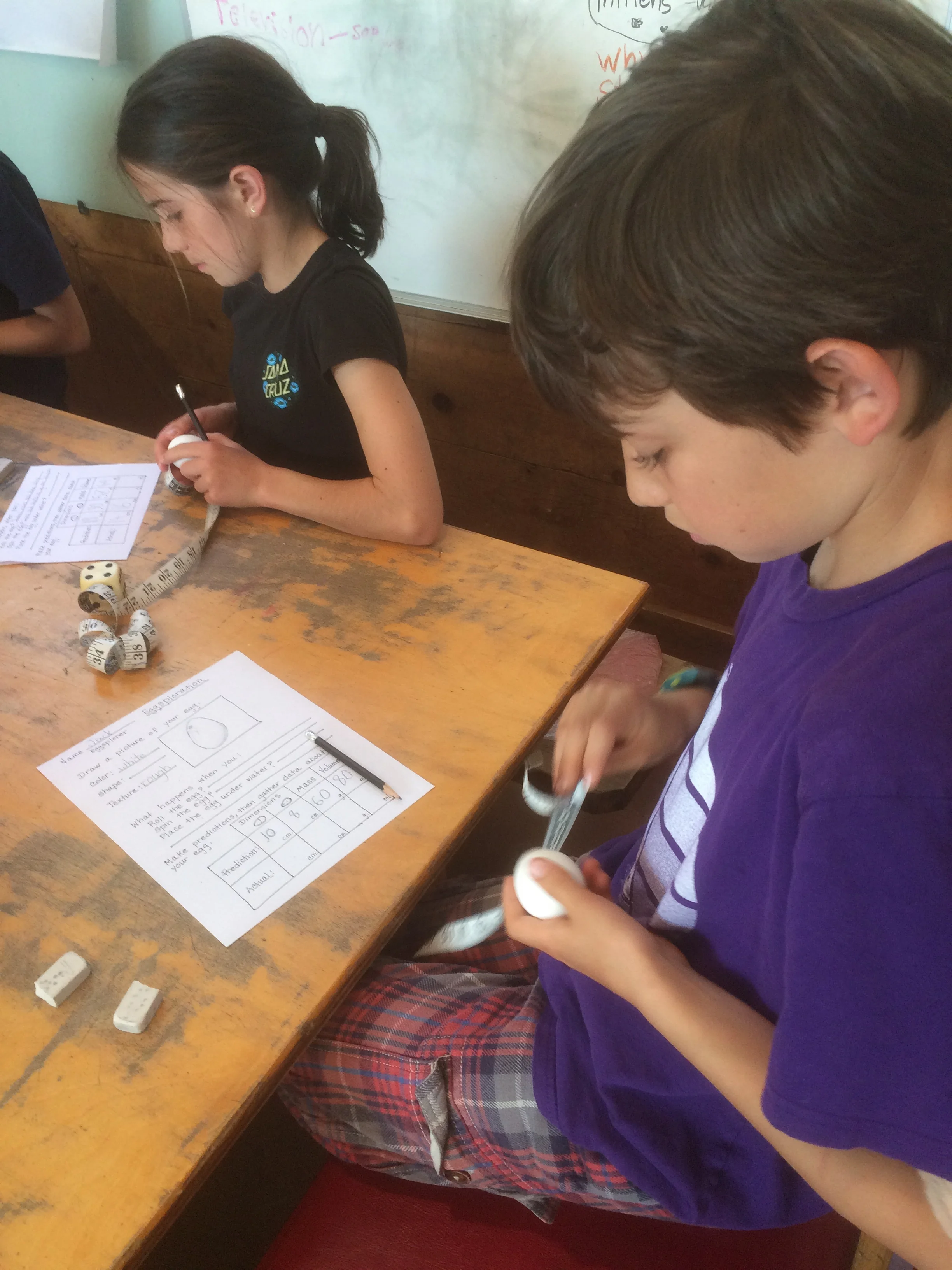
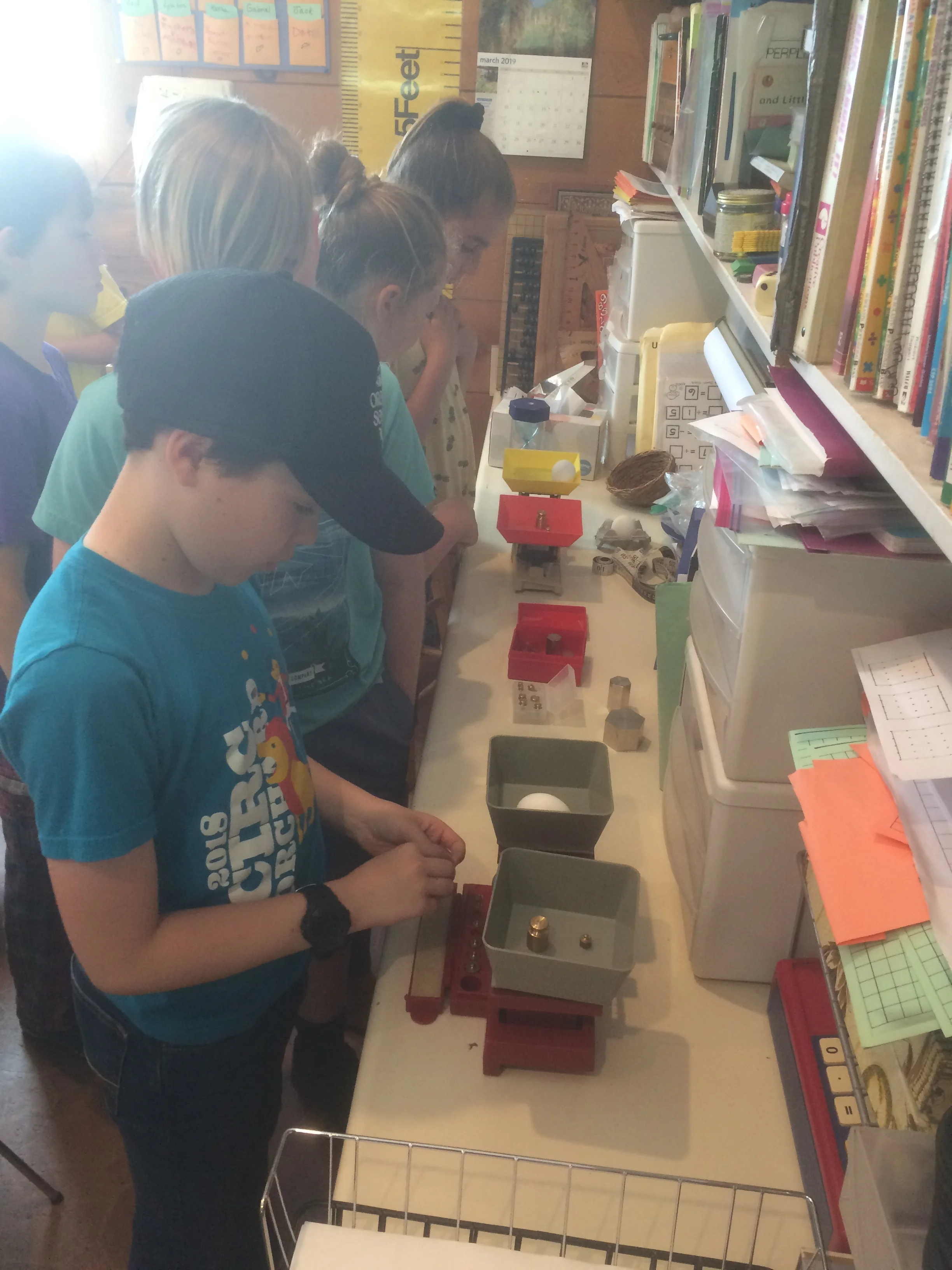
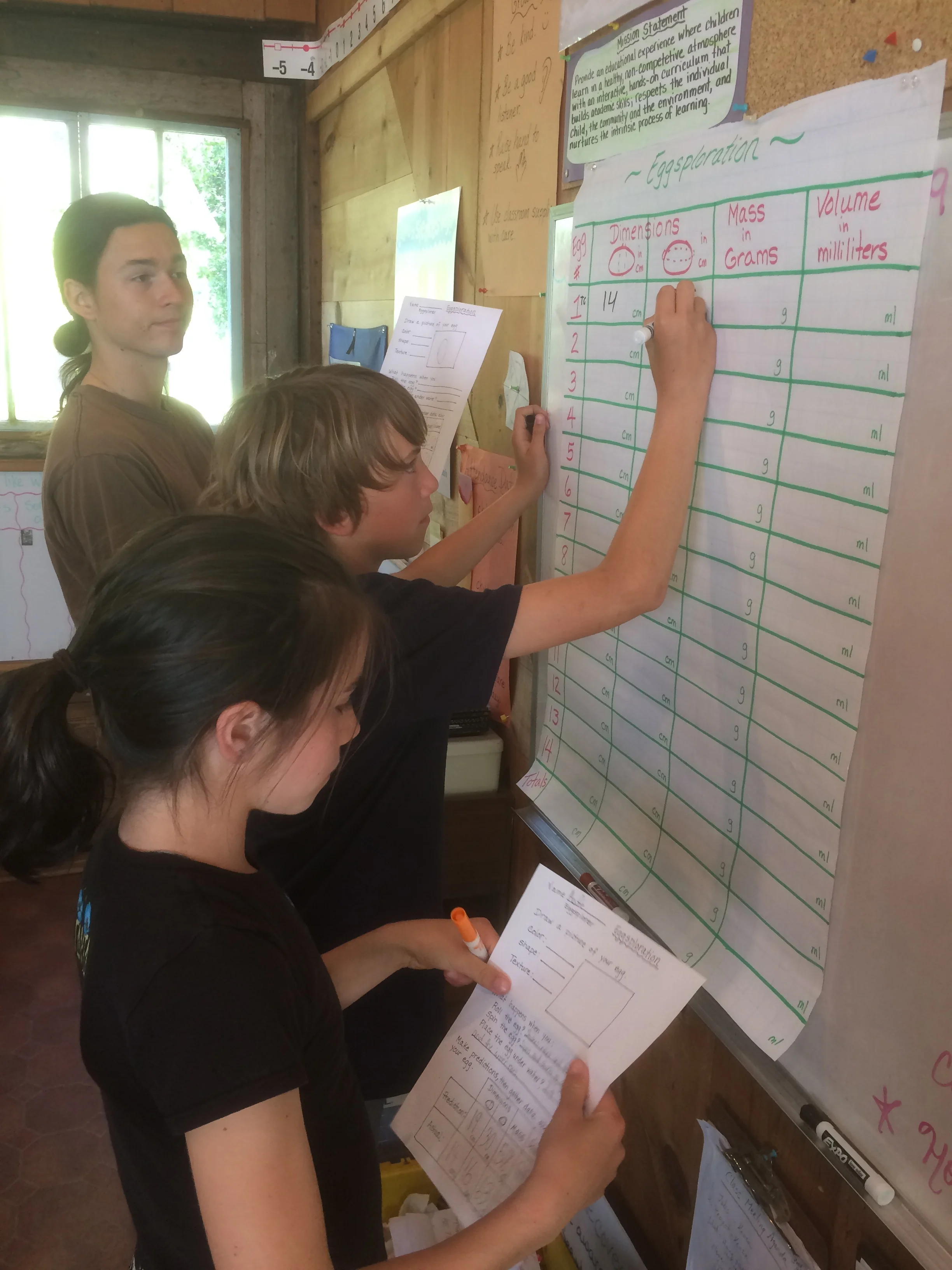
The students celebrated spring with measurement activities such as growing wheat grass baskets and doing the Eggsploration investigation. With the wheat baskets, a favorite annual tradition, the fourth/fifth/sixth graders wove ribbons through berry baskets, planted wheat berry seeds, and recorded the daily centimeter growth of their grass using a bar graph or line graph. In the Eggsploration investigation, students predicted, figured, and recorded the dimensions, mass, and volume of an egg. From the class chart, they made observations and then used the values to figure the mean, median, mode, and range for each category. The students are becoming adept at figuring each, although they may need some reminding on the process.
The fourth/fifth/sixth graders have been making terrific progress with their independent fraction study simplifying fractions, creating equivalent fractions, adding and subtracting like and unlike fractions, and multiplying and dividing fractions. All did well renaming a mixed number as an improper fraction and visa-versa. A number of students continued their studies with operations involving mixed numbers.
We began our formal study of decimals as another notation for representing fractions. Students brainstormed everything they already knew about decimals and where they might have seen numbers such as .369, 1.75, and .5. The fourth/fifth/sixth graders have already had experiences with operations involving decimals; however, understanding the concept of the place value can be confusing. Therefore, it’s helpful to use the base 10 blocks as a concrete and visual reminder of the value of a decimal number when introducing decimal notation. The students experienced a decimal number by building it with the base 10 blocks, and writing it in words, as a fraction, and as a decimal number: Twenty-five-hundredths, 25/100, .25, two rods (2 tenths) and five units (5 hundredths). Soon they will begin operations with decimals by reviewing the concept of division and the four different ways to write a division problem: words, standard, horizontal, and fraction.
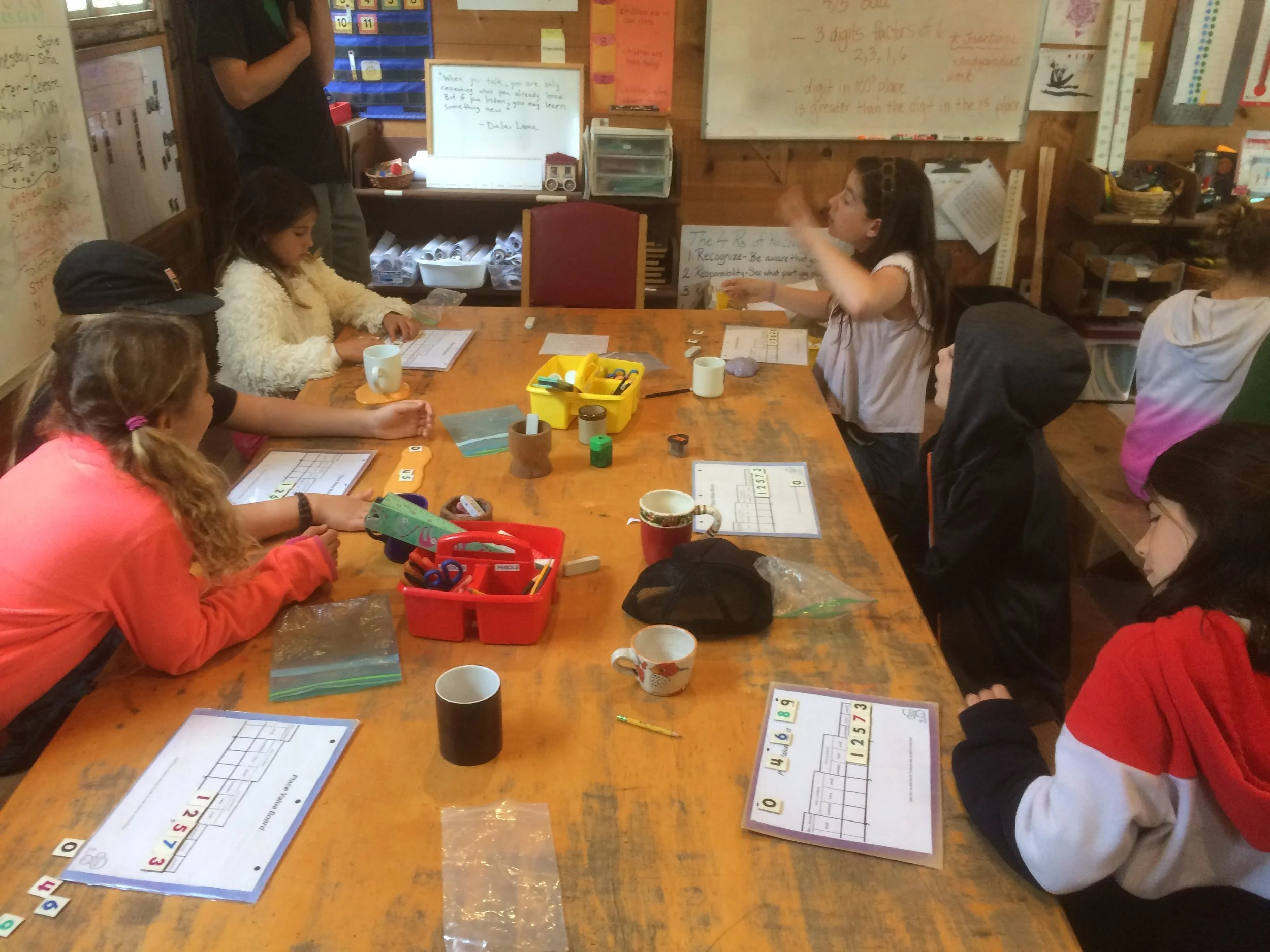
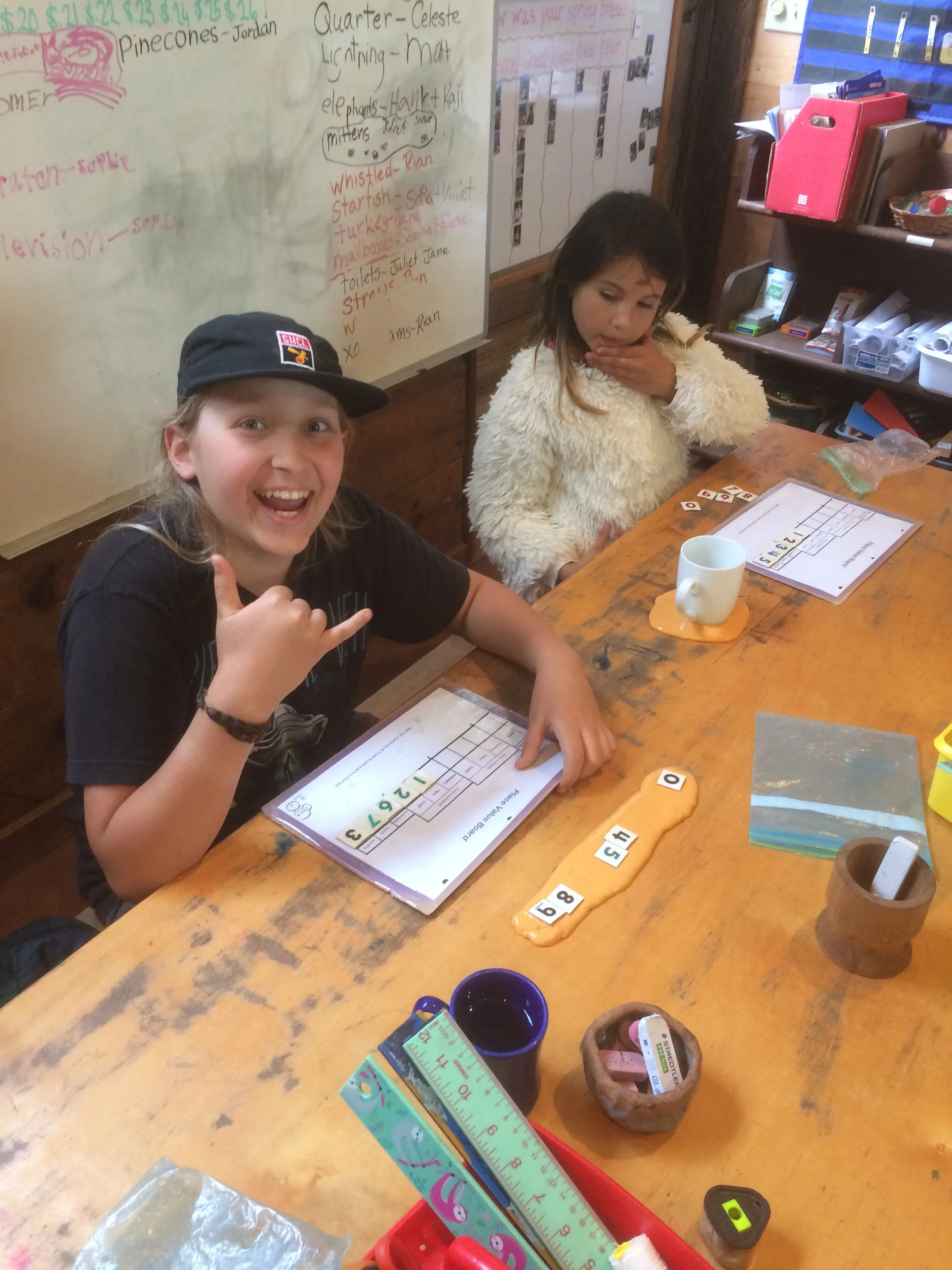
Problem solving the solution to a place value activity, following a set of clues.
In addition, the students continued their independent work in their algebra book and with the problem solving task cards. Also, they enhanced their mental math skills each week through Digits and Place, Find X, Place Value, Logic Pattern, and other problem solving activities.
- June 2026
- March 2026
- February 2026
- January 2026
- December 2025
- November 2025
- October 2025
- September 2025
- February 2025
- October 2024
- January 2023
- November 2022
- October 2022
- September 2022
- March 2022
- January 2022
- December 2021
- November 2021
- October 2021
- June 2021
- April 2021
- March 2021
- February 2021
- January 2021
- December 2020
- November 2020
- May 2020
- April 2020
- March 2020
- February 2020
- January 2020
- December 2019
- November 2019
- October 2019
- September 2019
- May 2019
- April 2019
- March 2019
- February 2019
- December 2018
- November 2018
- October 2018
- May 2018
- April 2018
- March 2018
- February 2018
- January 2018
- December 2017
- November 2017
- October 2017
- September 2017