
Math
Wow! I have so much to share. I am sorry it has been so long. It was difficult for me to type for a while so I held off. I would like to continue where I left off, with the $1 word activity. The beauty of including all types of activities is that different activities appeal to different personalities and sometimes it is hard to predict just who will be excited by a particular activity, and yet if there are structured paper and pencil linear activities, creative artistic geometry activities, group lessons, individual work, partner work; each student will have buy in and enjoy class and the lessons will appeal to their particular learning style some of the time. Also, each type of activity incorporates various aspects of math and sometimes other subjects. The $1 word activity incorporates language arts, using a calculator, addition, problem solving, persistence, and much more. Every student in the class became very involved in this activity, particularly Sophie who continues to tell me $1 words that she finds at home.
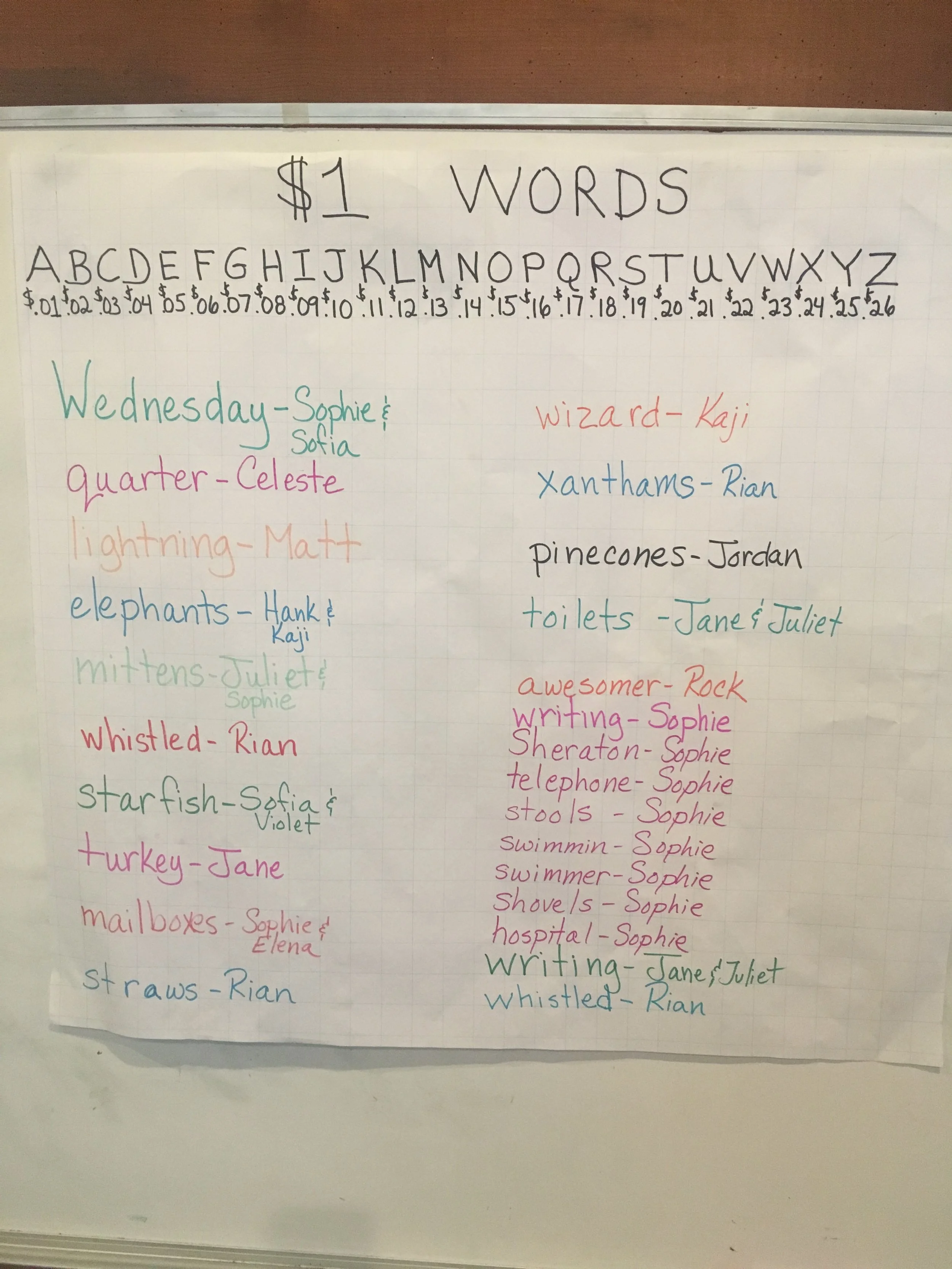
There should be an ‘s’ added to wizard, Kaji informed me today.
Multiplication
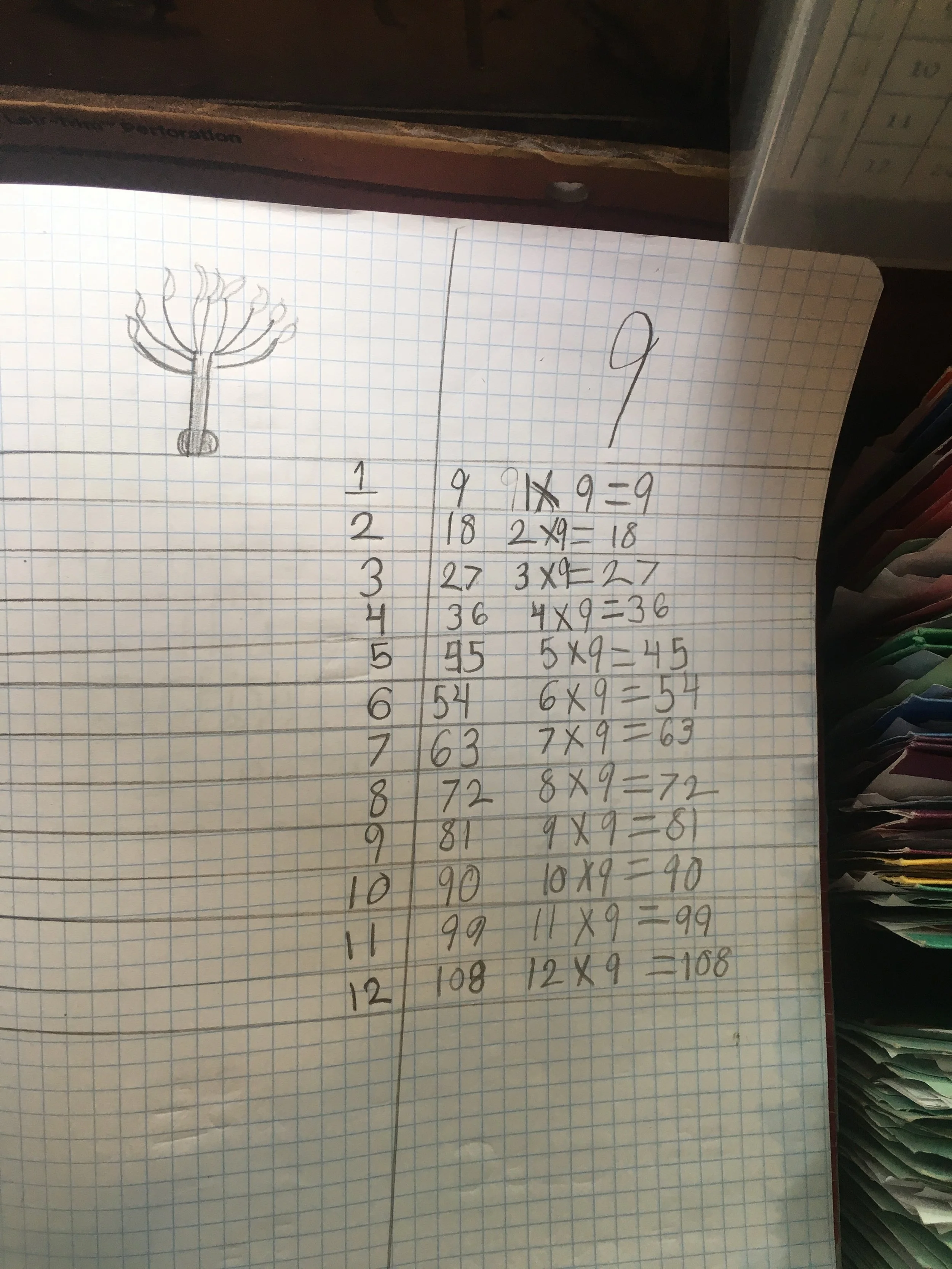
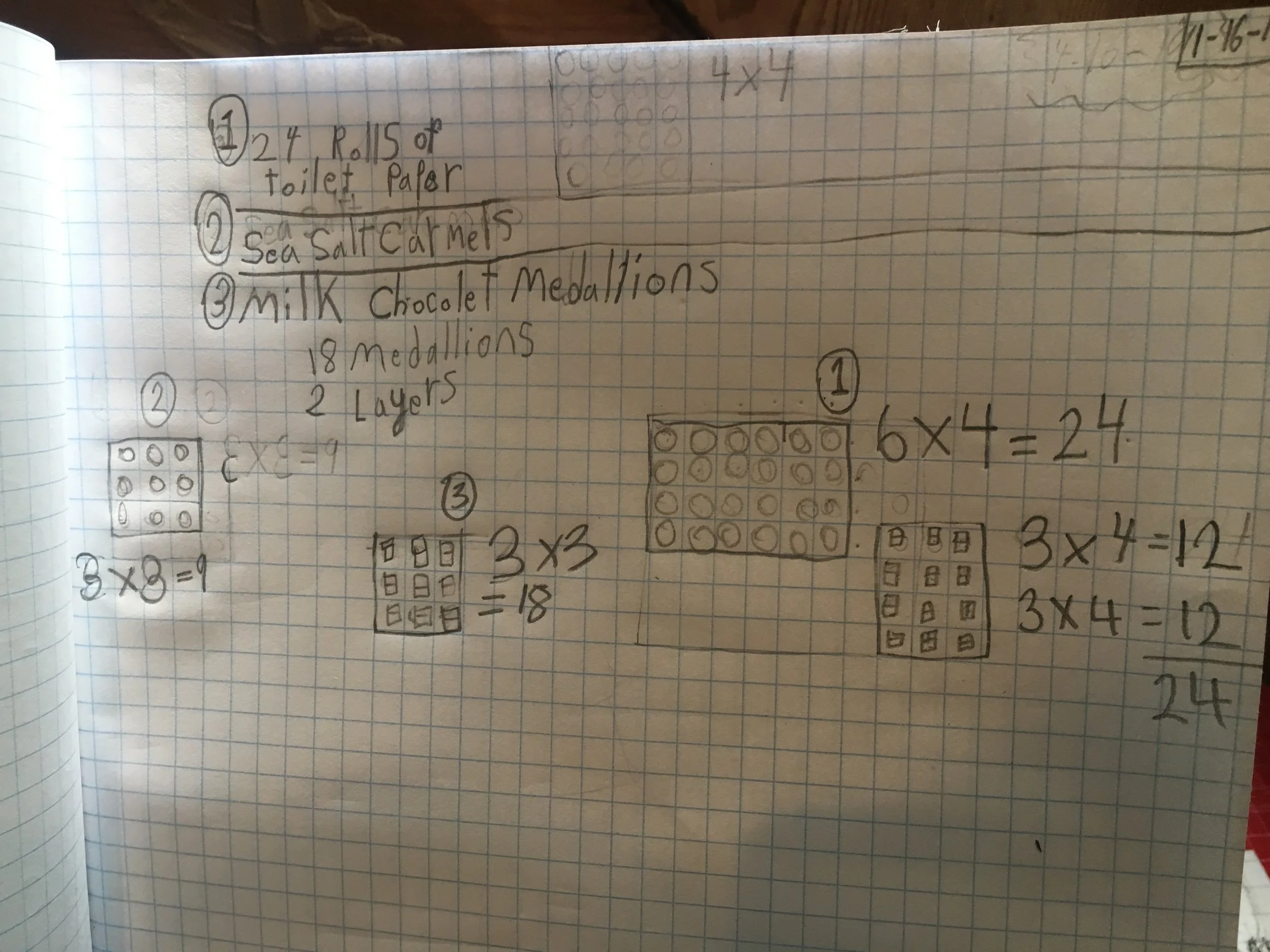
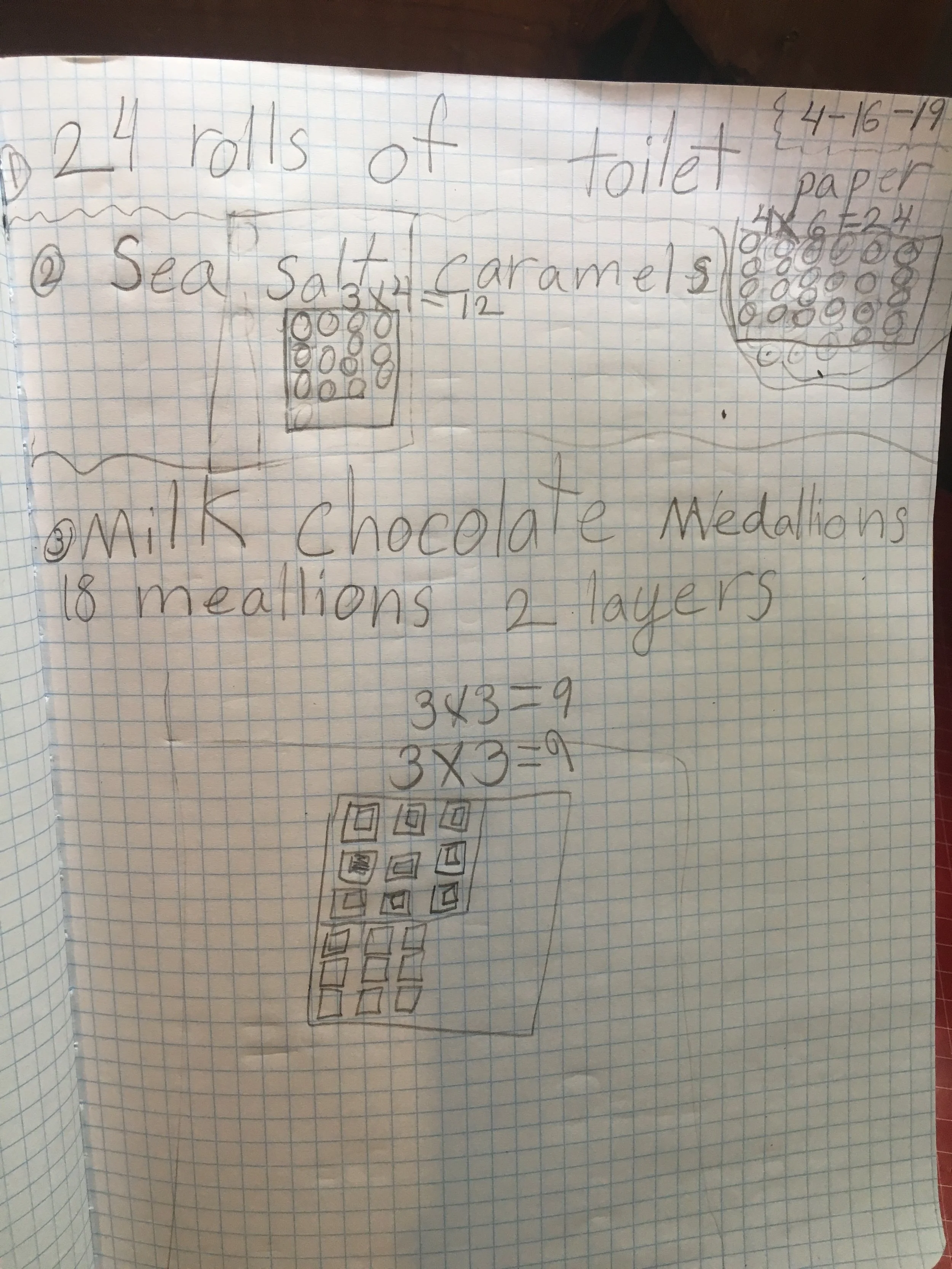
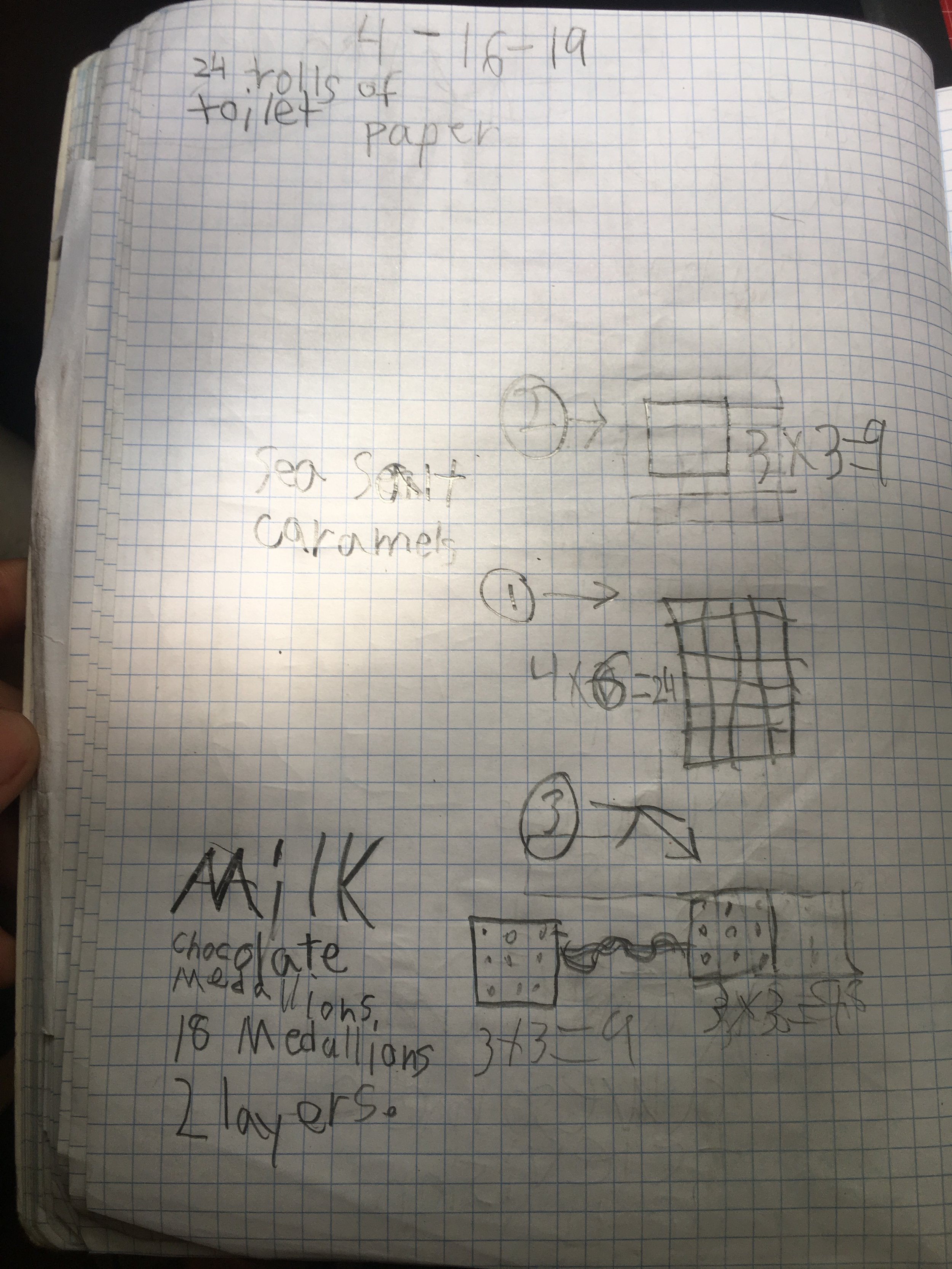
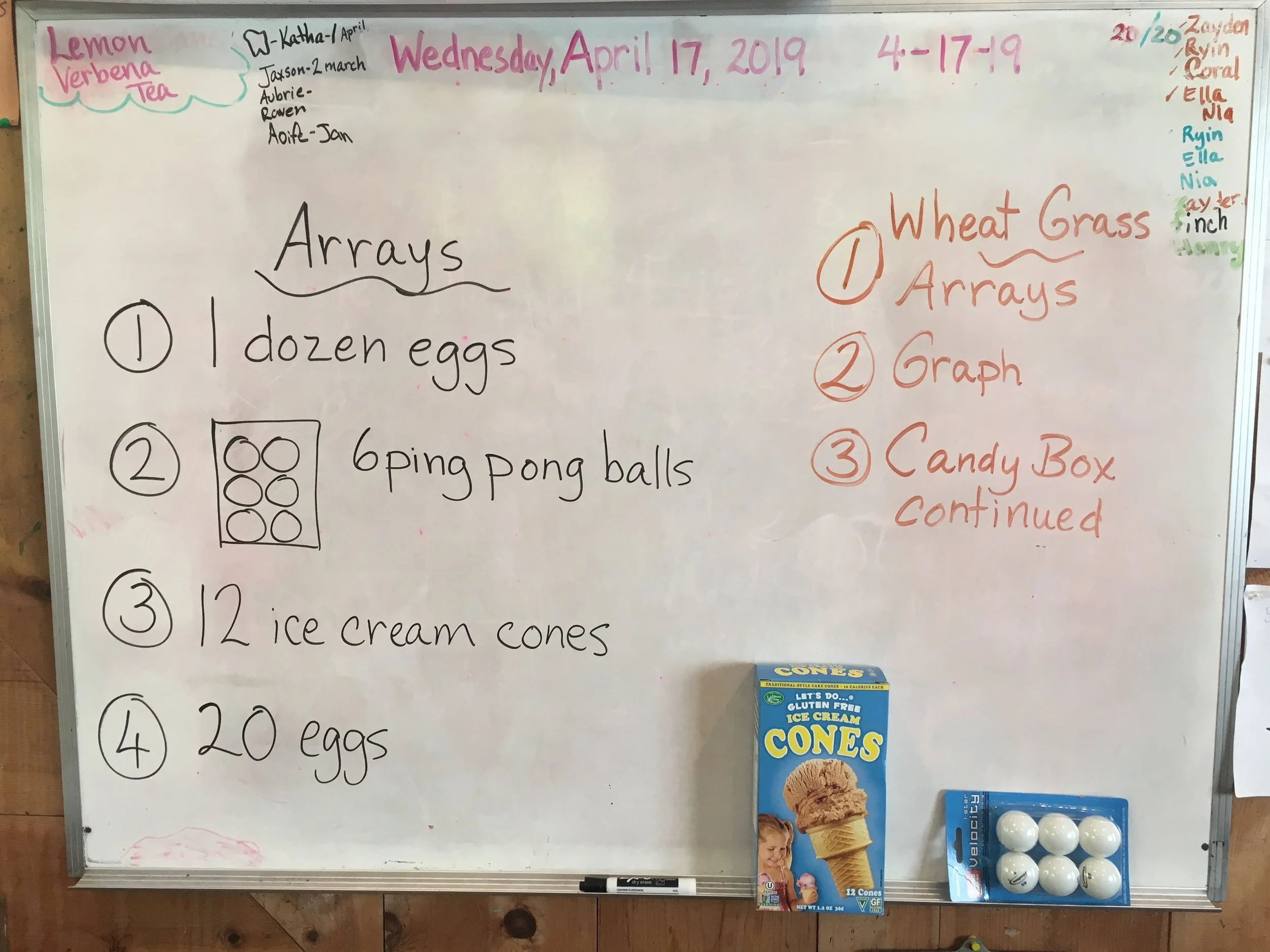
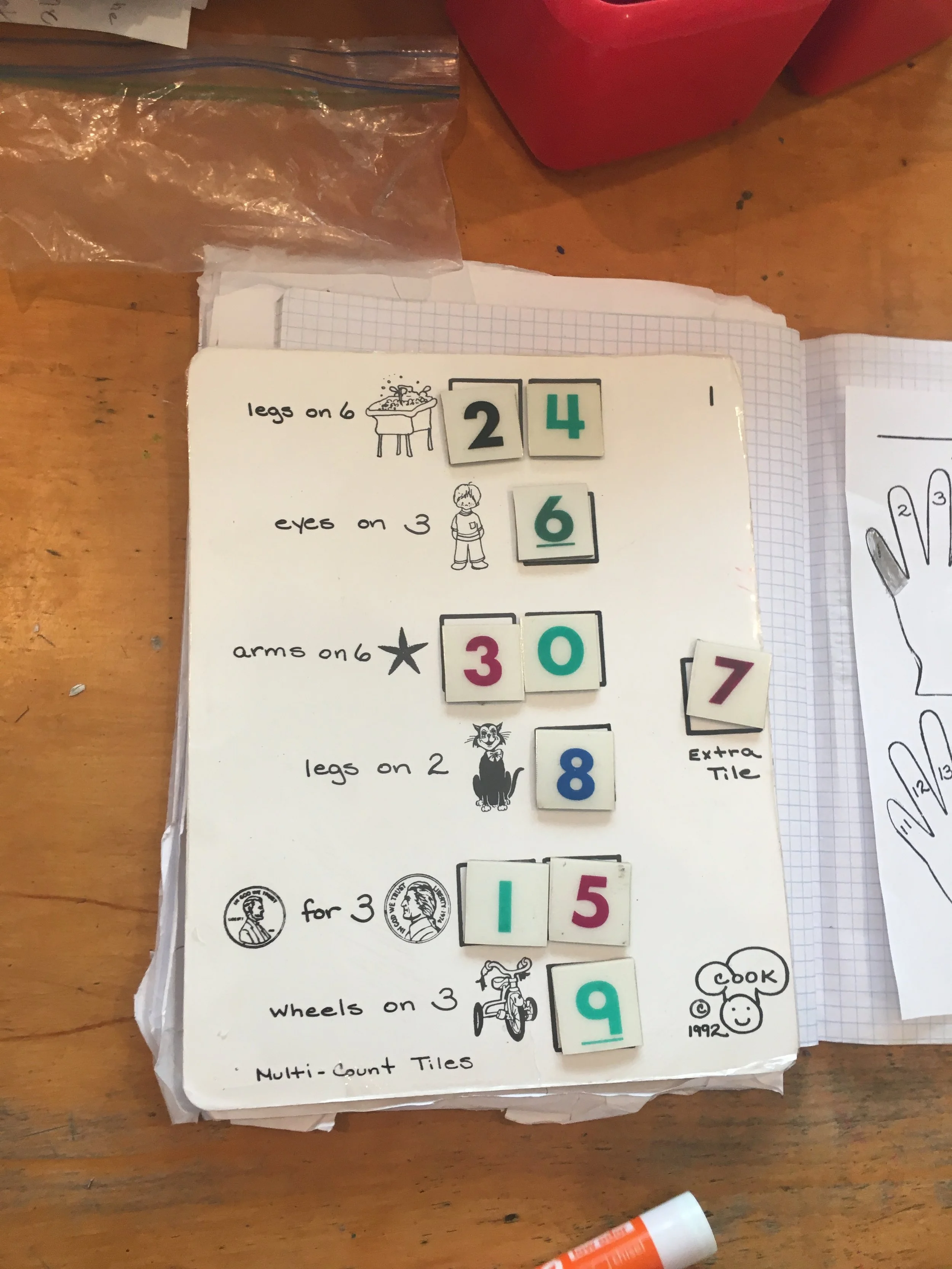
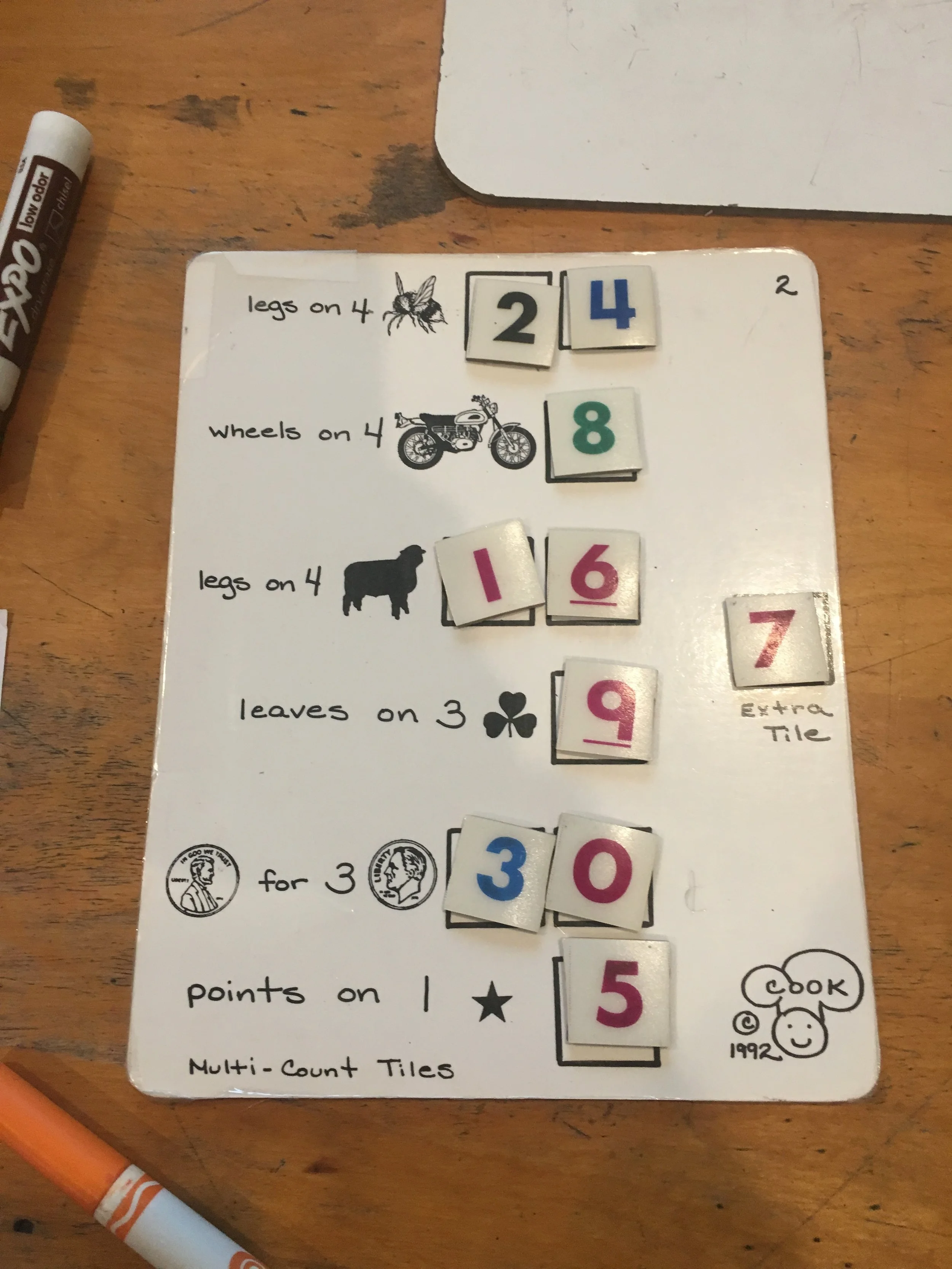
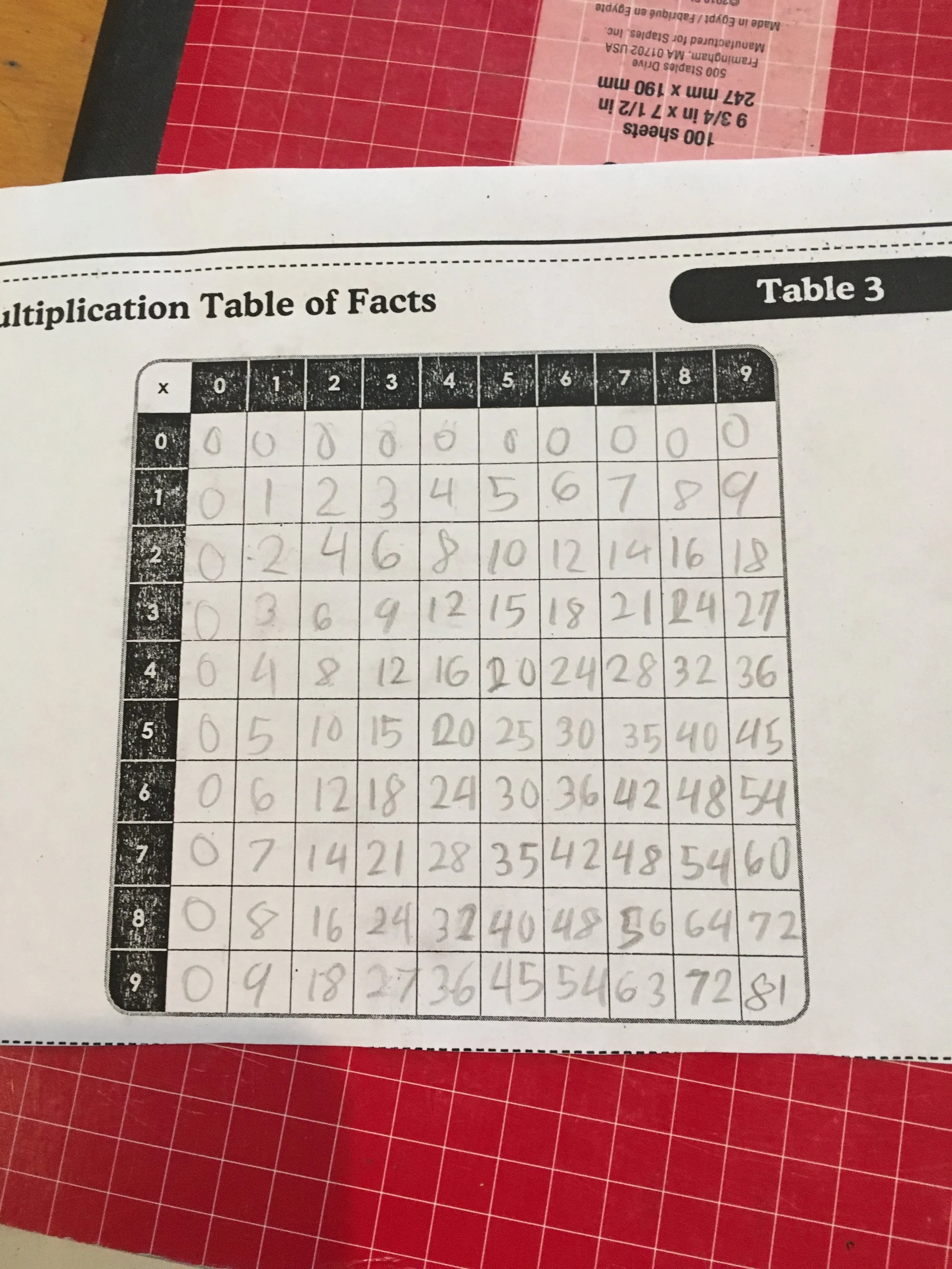
All students completed the candy box research investigation, in which they found arrays for 6 chocolates, 12 chocolates, and 24 chocolates. Each student wrote a letter to the owner of the chocolate factory recommending a specific box for each amount. Then, I brought in a few chocolate boxes and students were challenged to figure out the array for each box. Of course, we each got a chocolate once they had completed the activity. We continued with arrays, guessing and creating them for 48 rolls of toilet paper, a flat of eggs, 6 ping pong balls, a dozen eggs, and 12 ice cream cones. Students are also creating all the possible arrays out of centimeter graph paper for the numbers 1-36. This activity helps them to see area, make multiplication real, and notice squares and prime numbers. I read a book called “Sea Squares”, a rhyming story which depicts the arrays of the square numbers through 12, students had to guess the multiples for each page. In addition, all students are working on the Multi-Count task cards if they have not previously completed them, and we are working on memorizing our multiplication facts. Last Thursday, students filled out a blank multiplication fact table and wrote out the squares to take home and memorize. Please support them in this endeavor and let it be fun.
Other activities
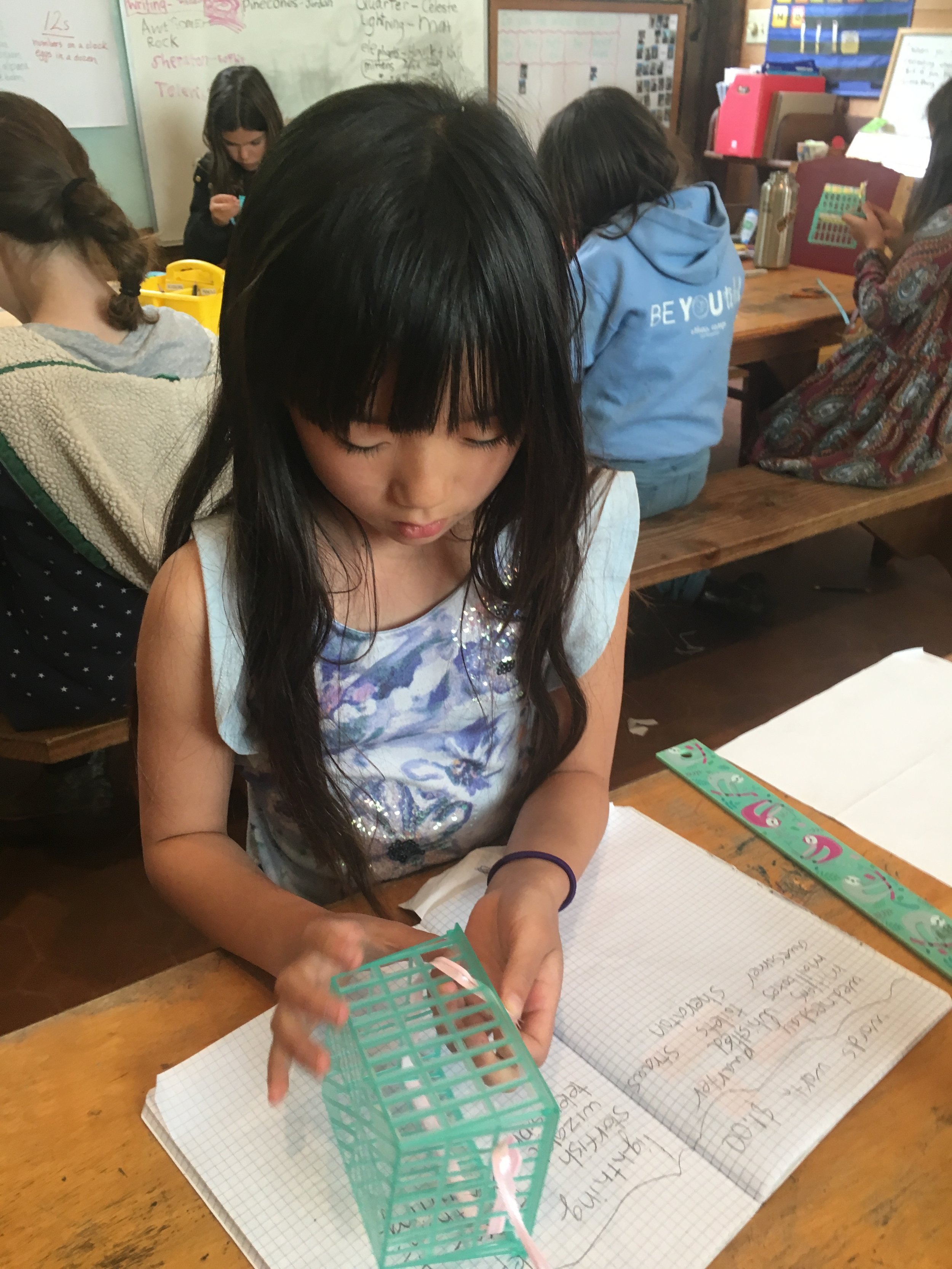
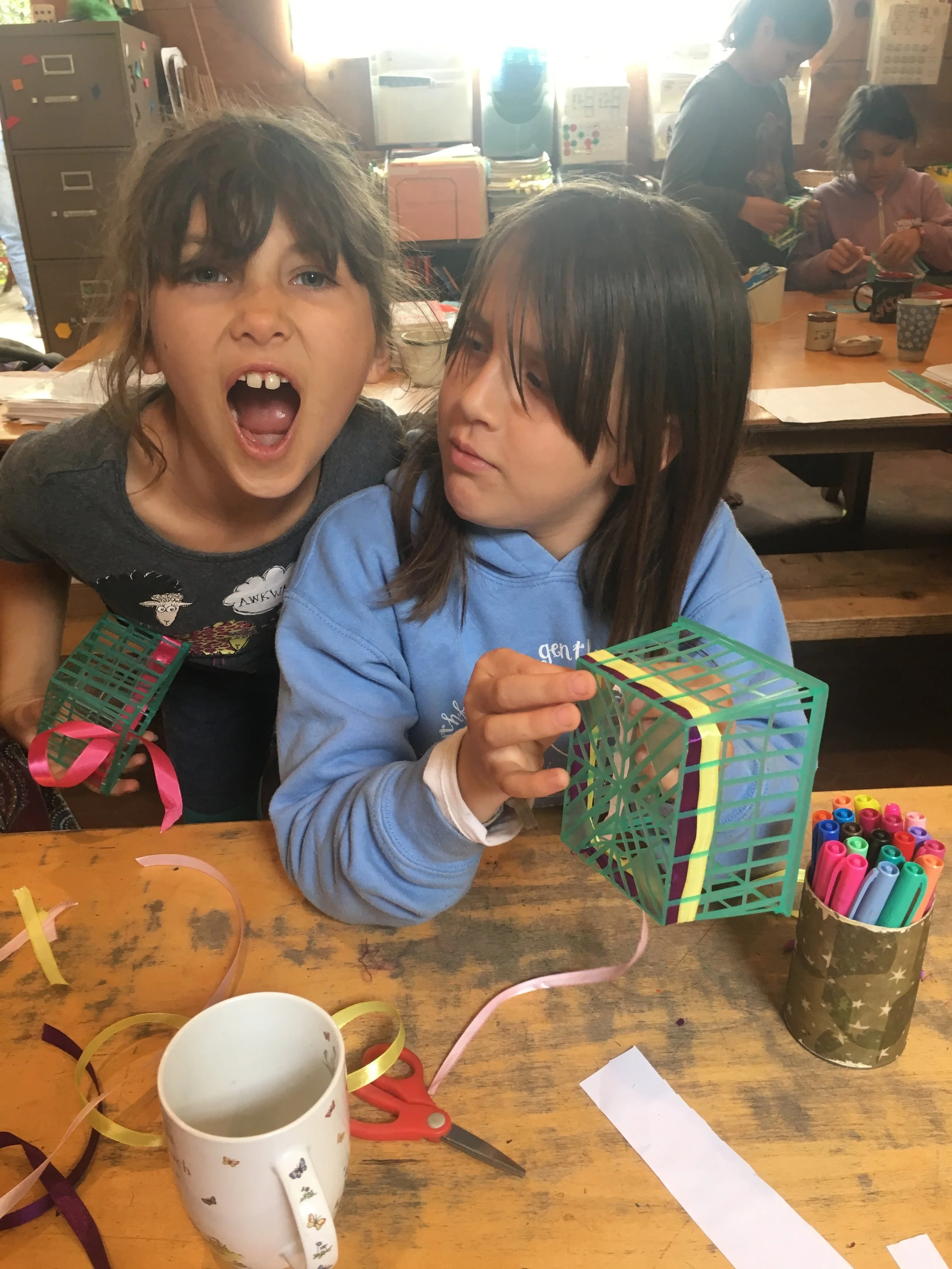
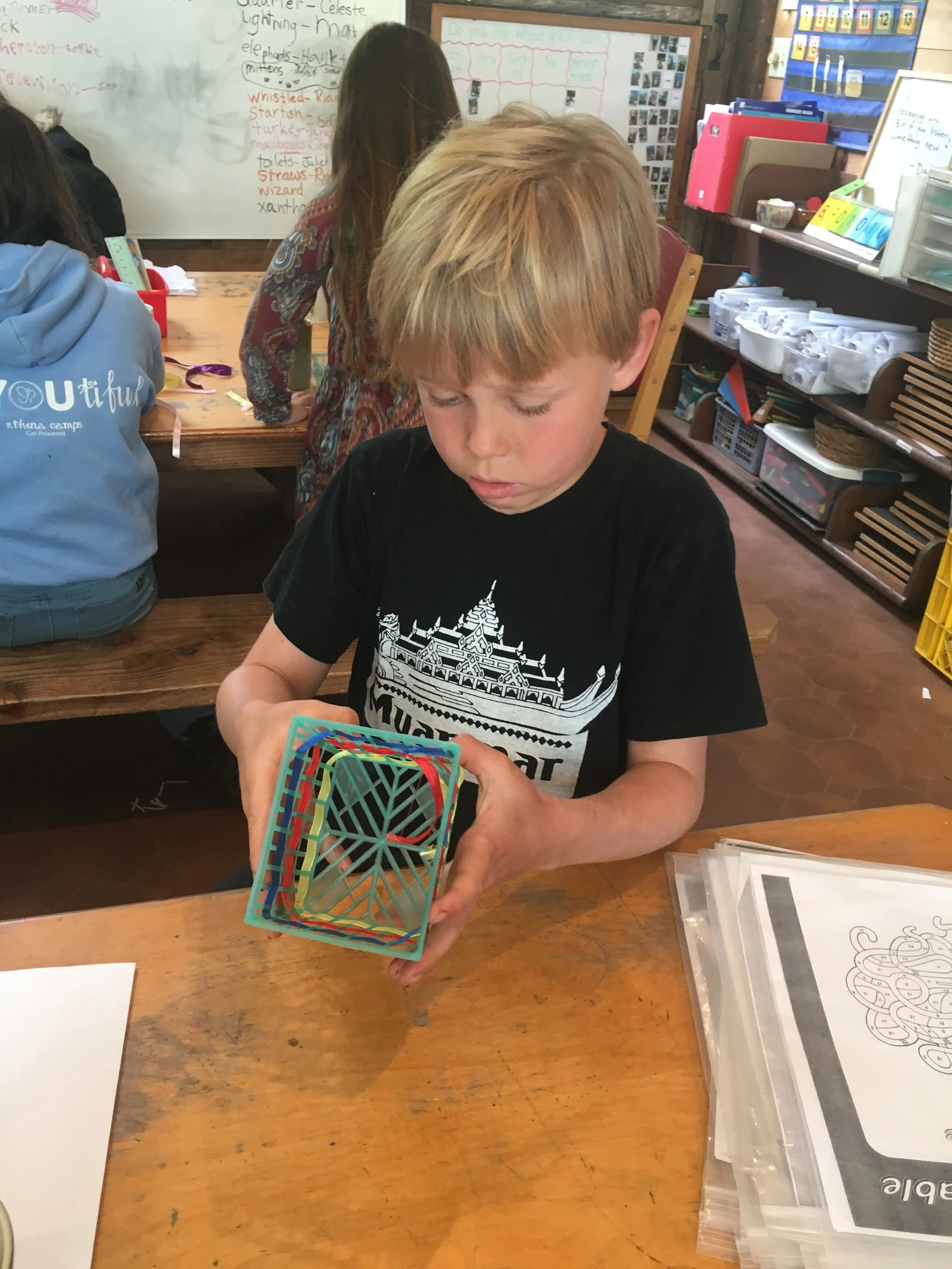
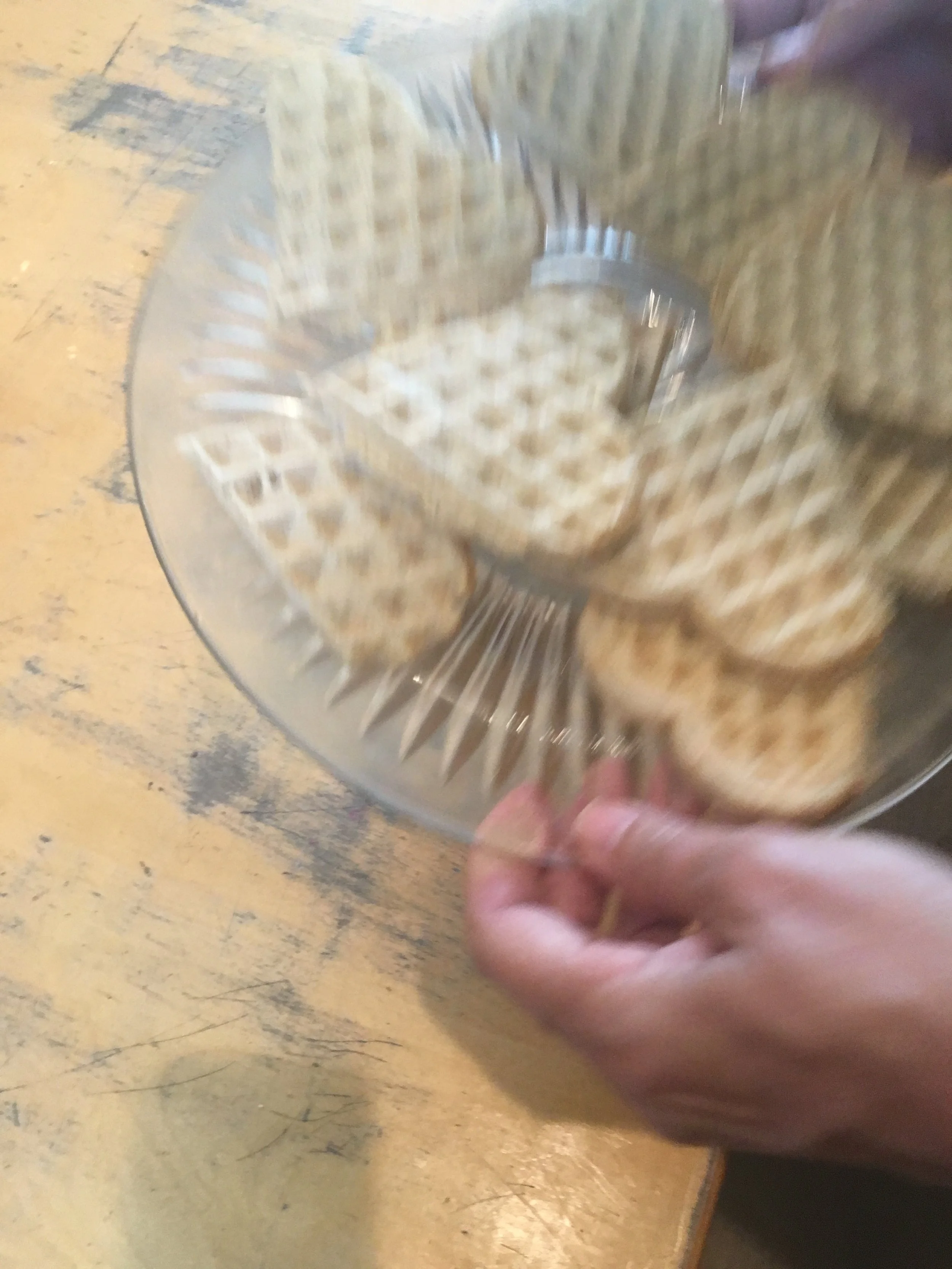
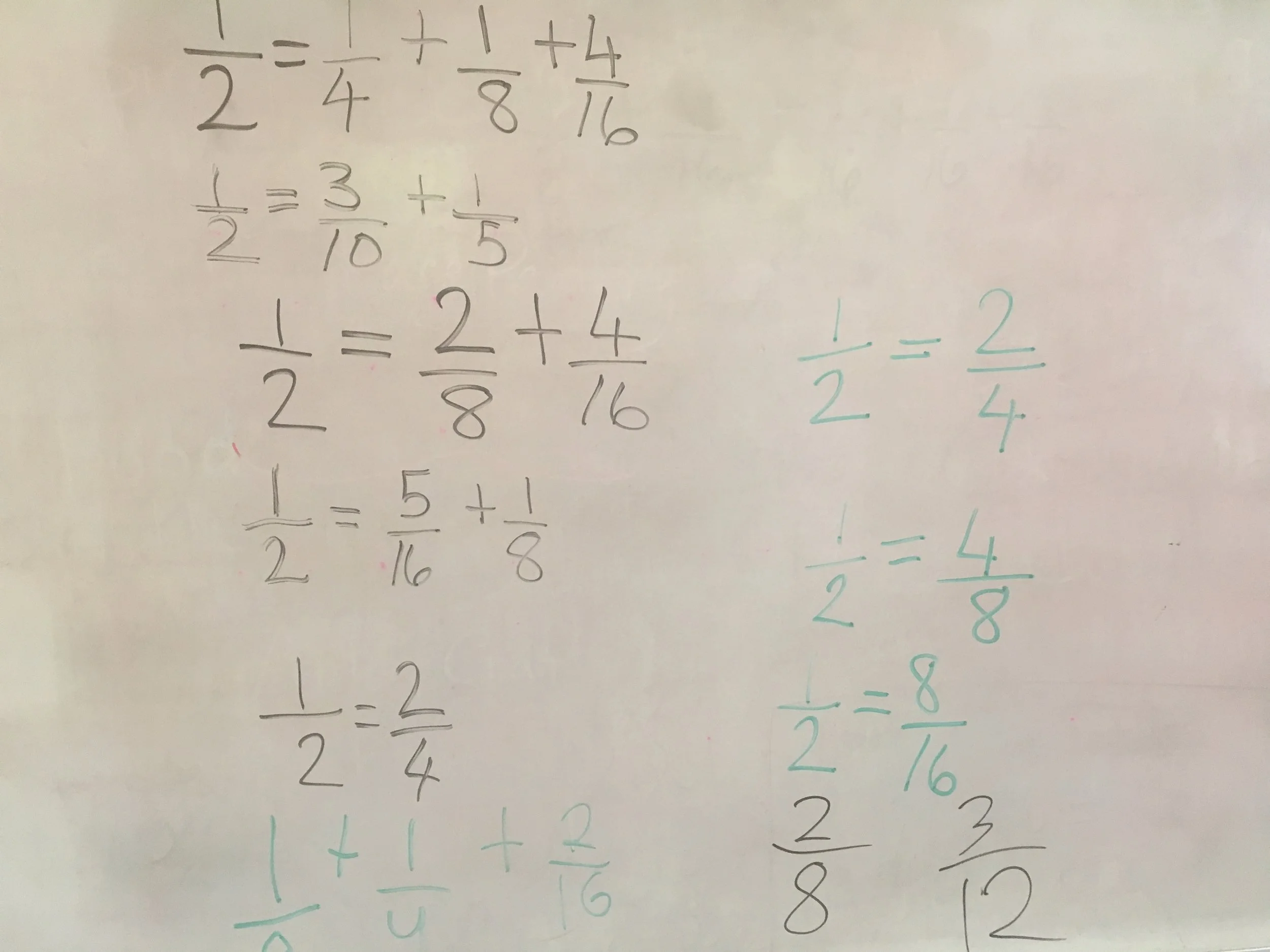
Students completed the annual wheat grass activity, in which they weave ribbons around strawberry baskets and plant wheat grass. They practiced graphing as they watered and measured their wheat grass daily using centimeters. And of course, the famous fraction waffles. We began our fraction unit by creating fraction kits: whole, halves, quarters, eighths, sixteenths. We explored fraction manipulative and solved fraction riddles. We created equivalent fractions using our fraction kits or the fraction manipulatives. And, we made and ate fraction waffles, recording our totals in fifths and finding the maximum, minimum, and mode for our data. Thank you to Michael Collins and Barbara Temsamani for help with fraction waffle day. And thank you always to Matt for his support on Mondays and Wednesdays.
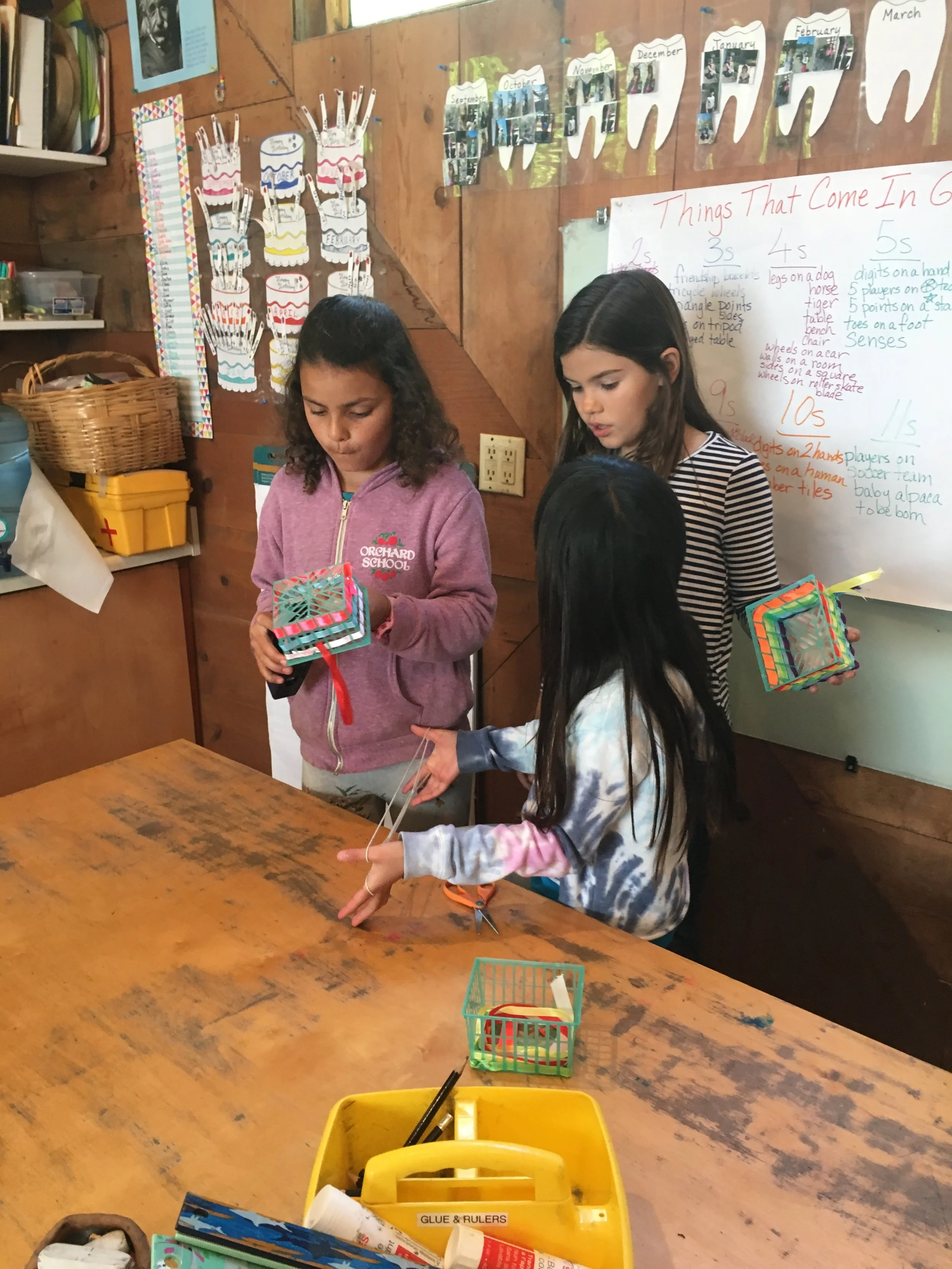
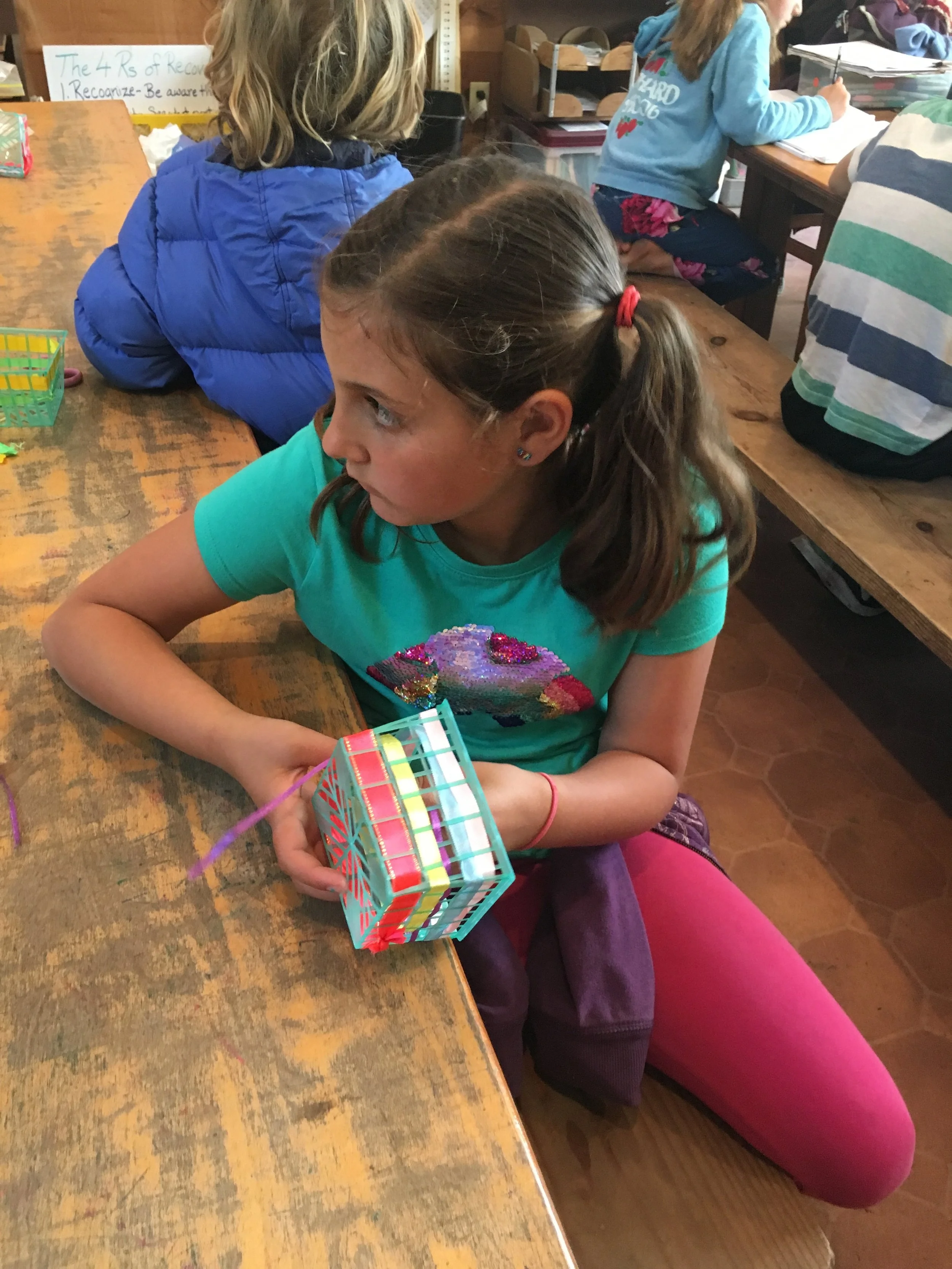
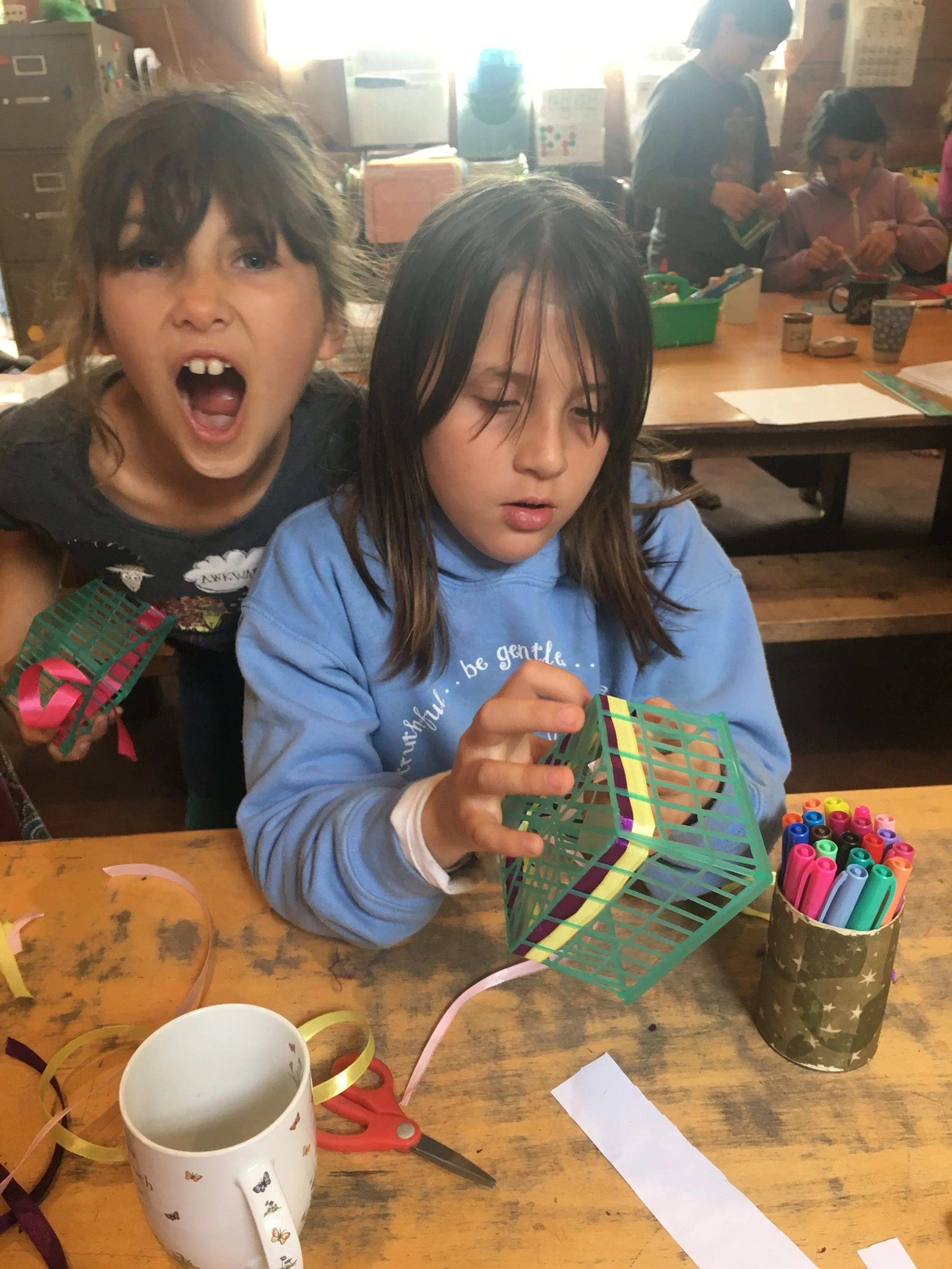
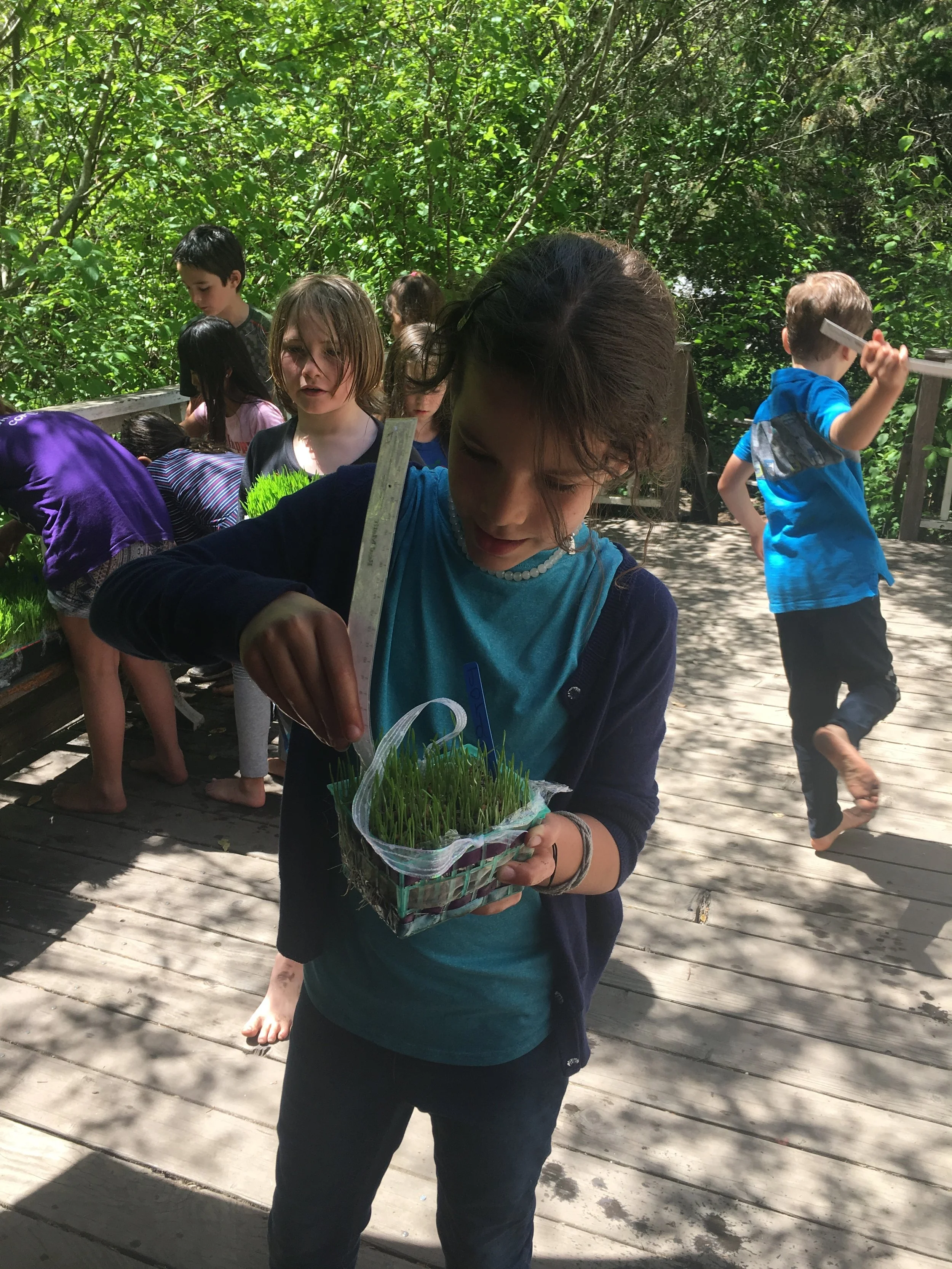
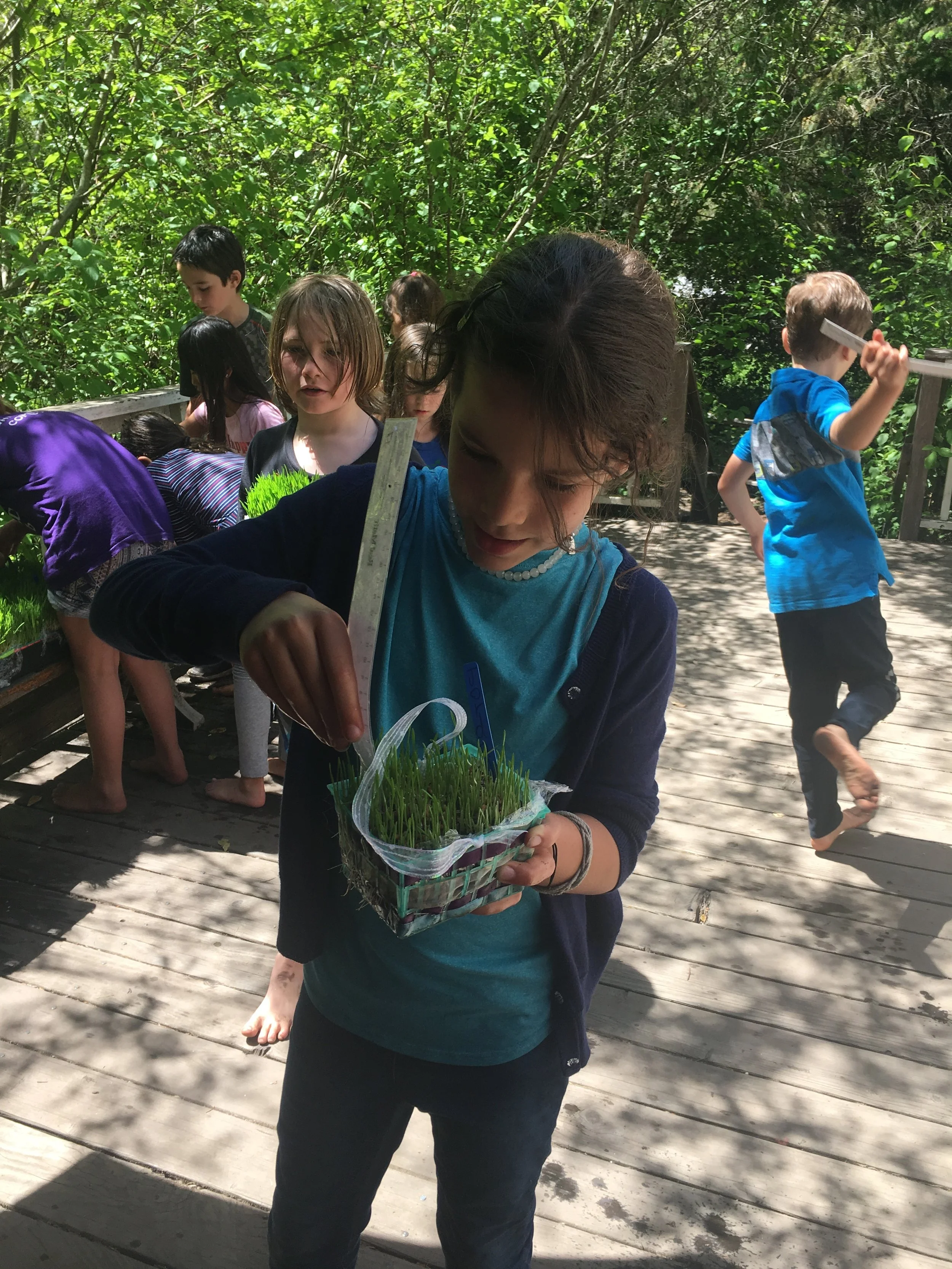
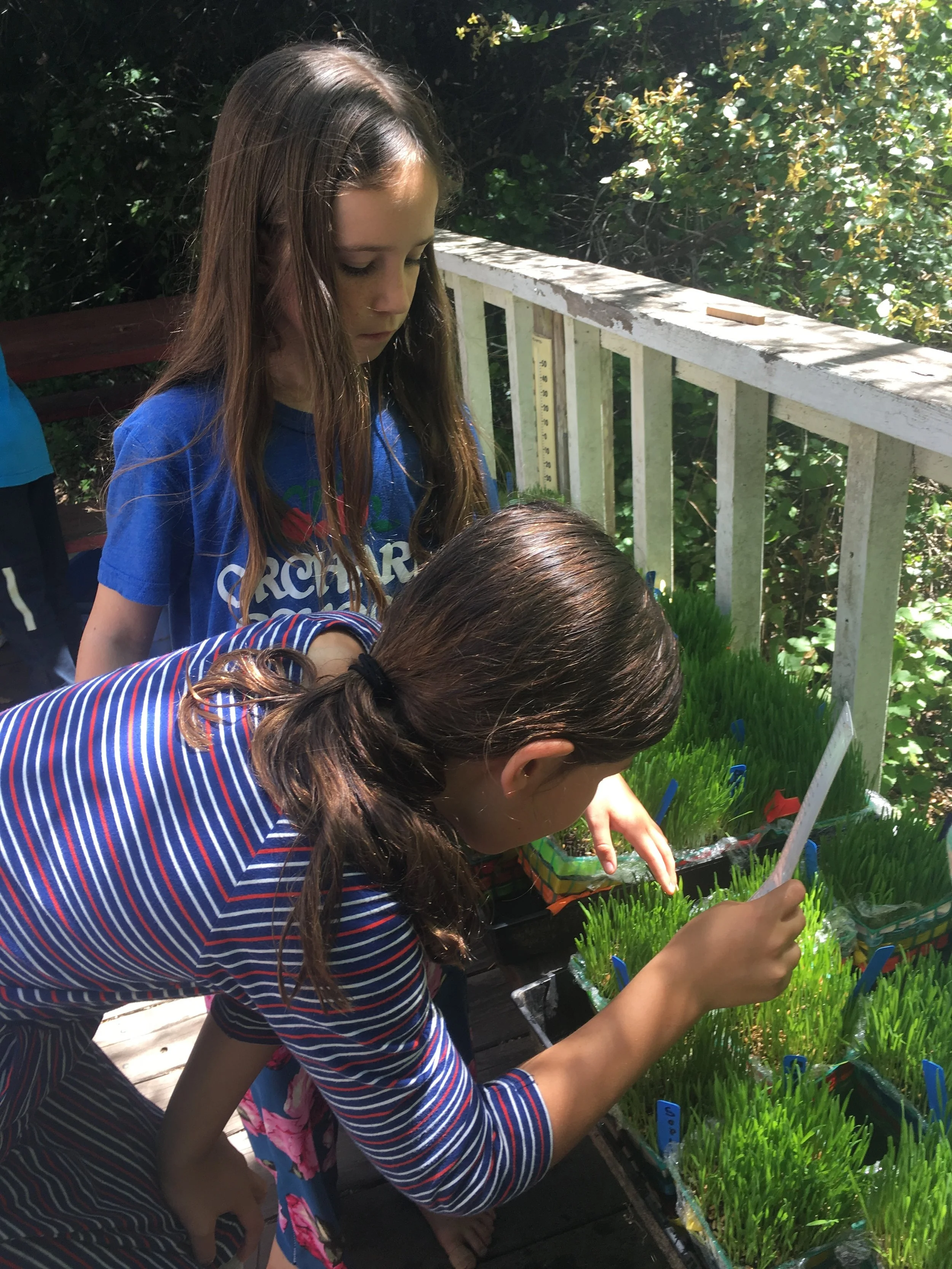
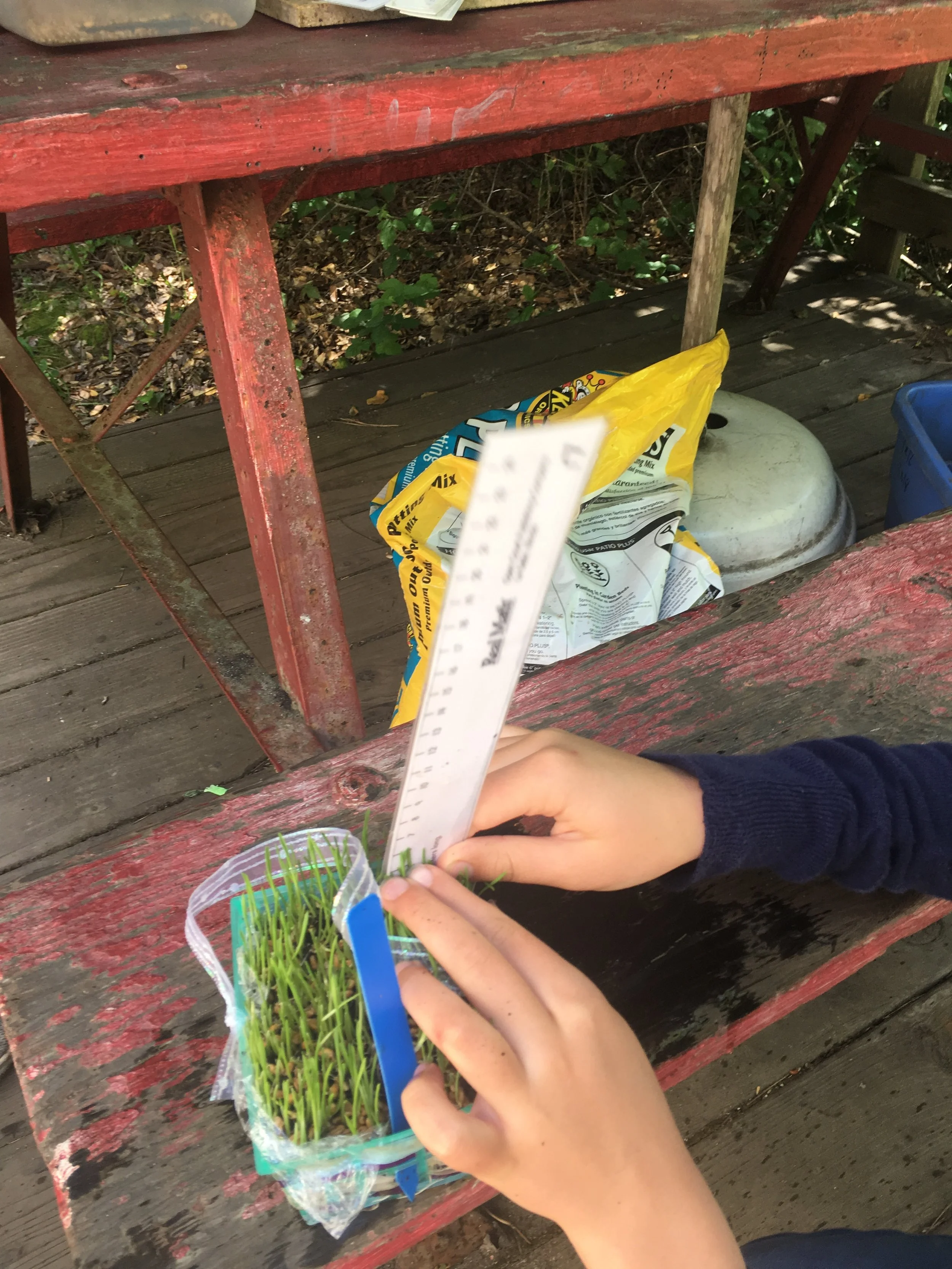
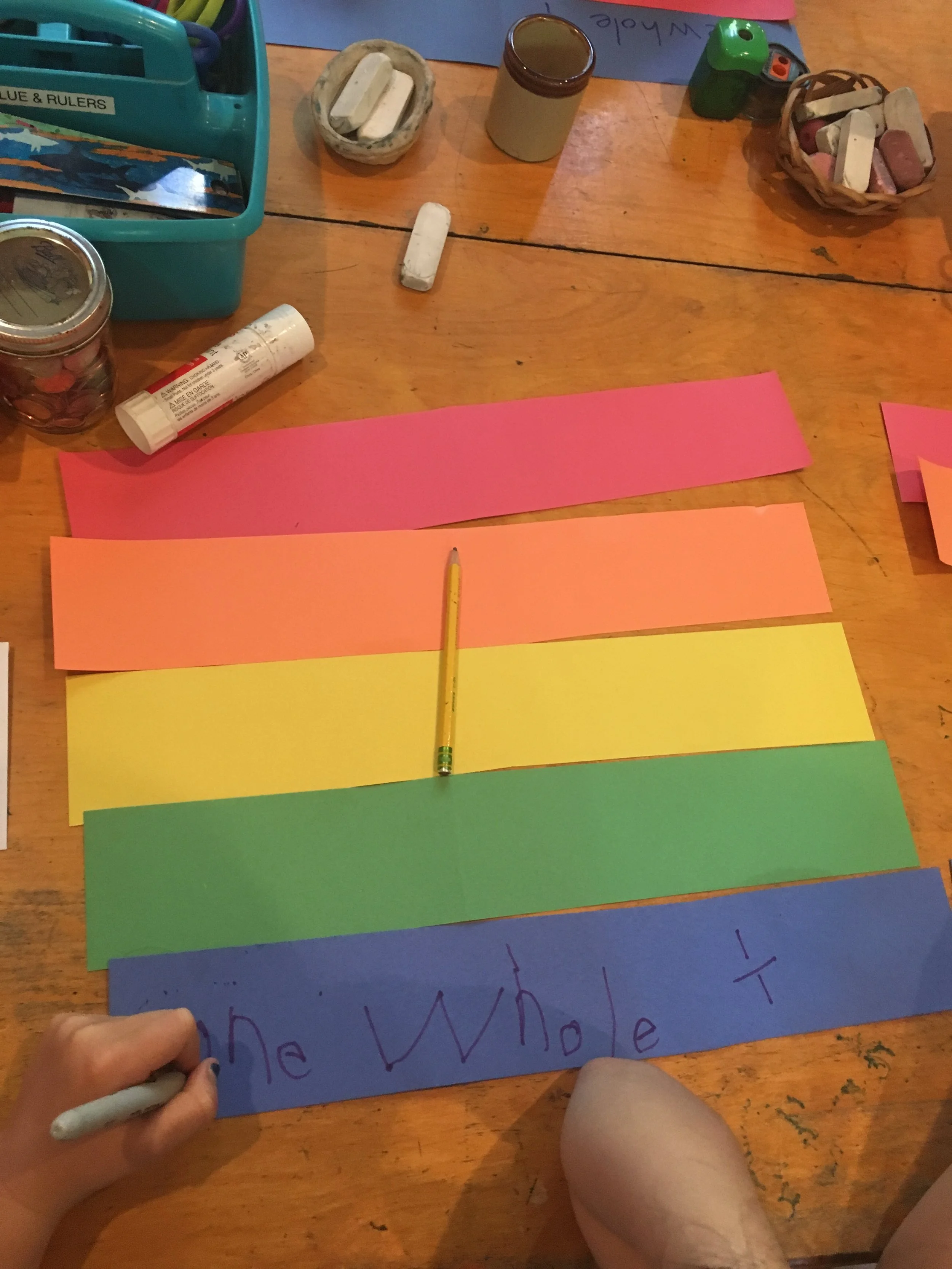
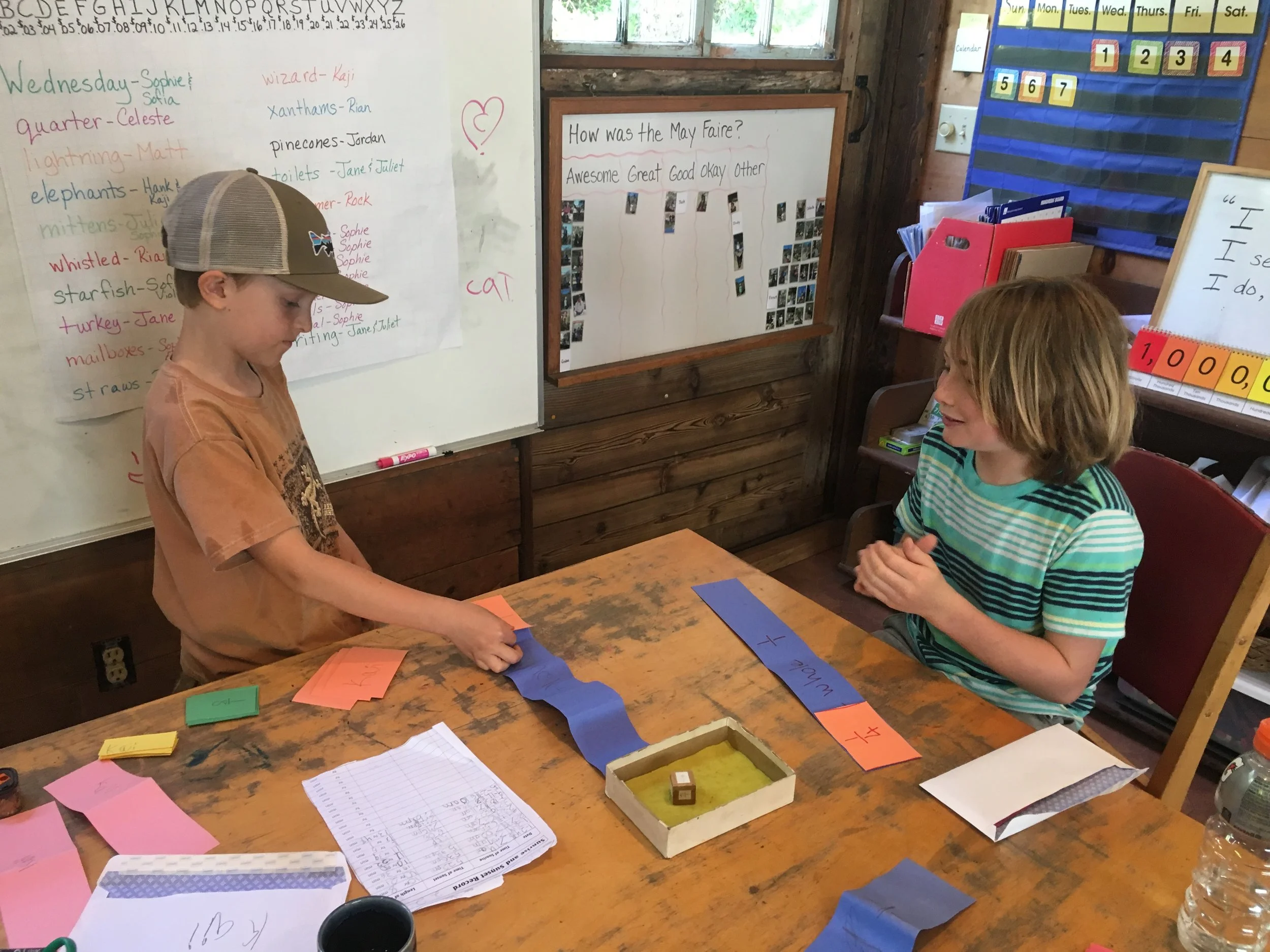
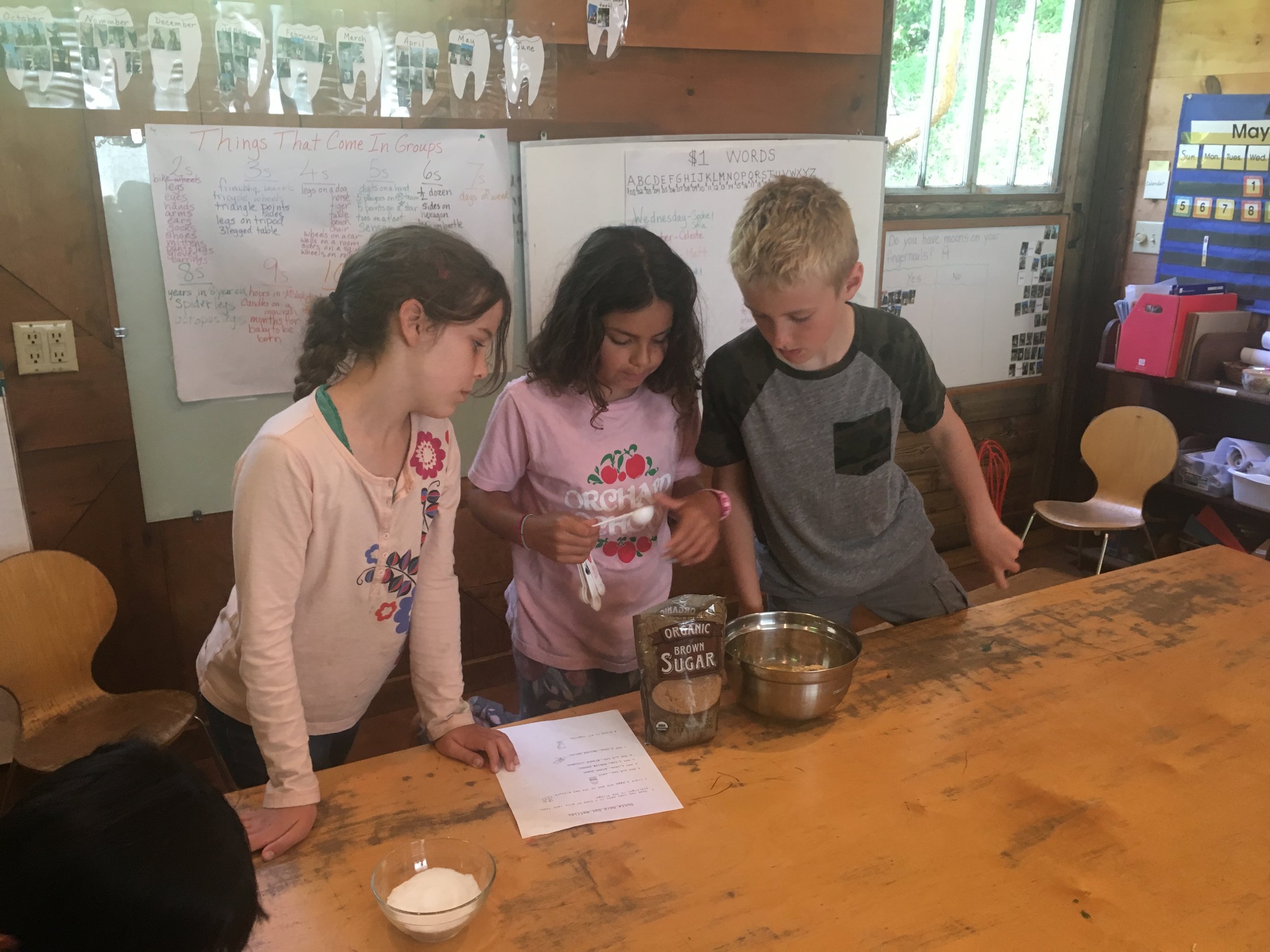
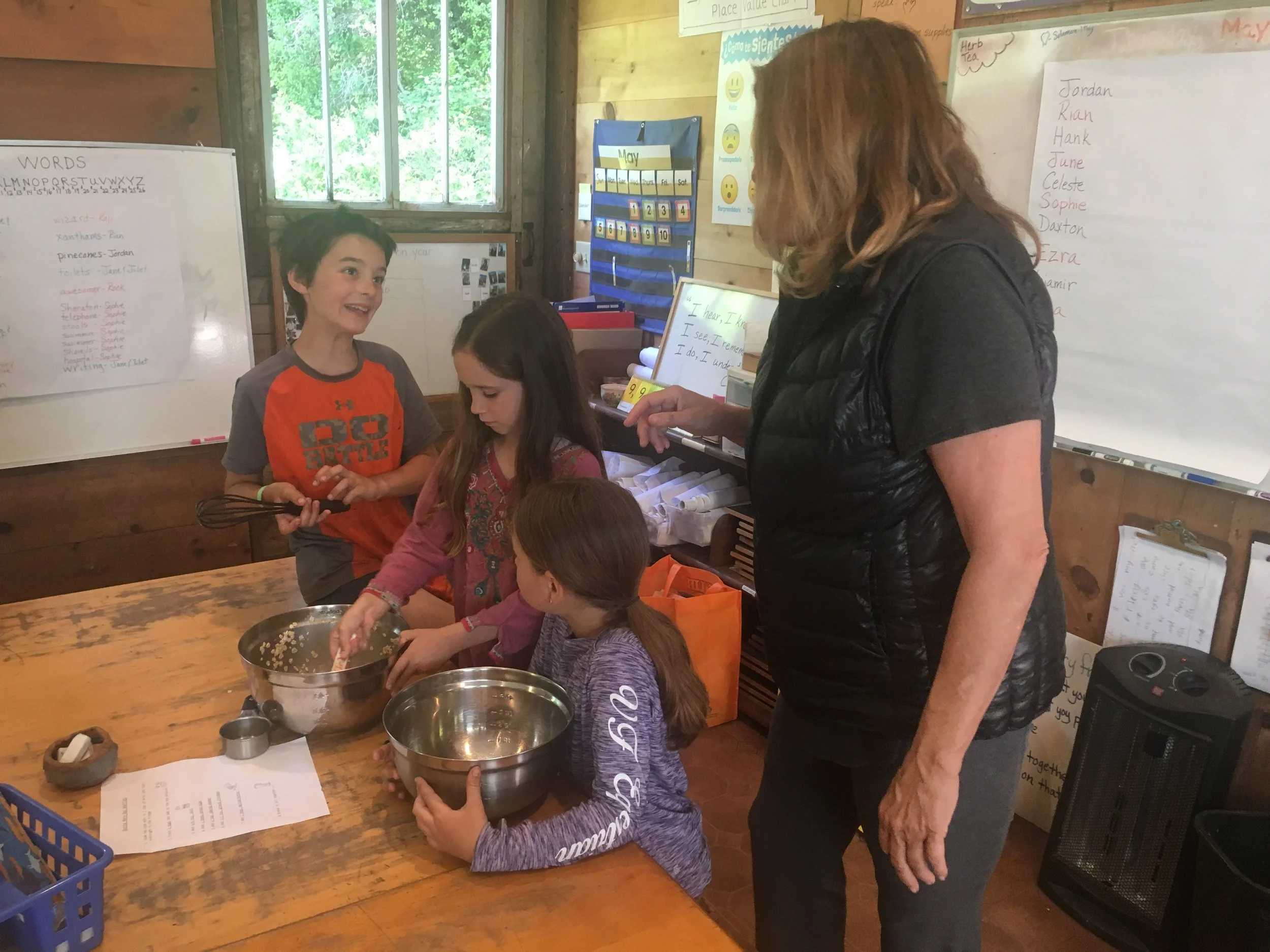
In terms of the social emotional. We have had a few class meetings, as requested by students around conflicts they have had outside of class. It is wonderful to hear them express themselves, listen to each other, and come up with solutions. Sometimes, a student will have the role of summarizing what he or she has heard a fellow student say and that is an amazing skill.
Ok, that is most of it. Enjoy and be mathematical!
- June 2026
- May 2026
- March 2026
- February 2026
- December 2025
- November 2025
- October 2025
- February 2025
- December 2024
- October 2024
- May 2024
- January 2024
- November 2023
- September 2023
- May 2023
- February 2023
- January 2023
- November 2022
- October 2022
- September 2022
- May 2022
- March 2022
- January 2022
- December 2021
- November 2021
- October 2021
- May 2020
- April 2020
- March 2020
- February 2020
- January 2020
- December 2019
- November 2019
- October 2019
- September 2019
- May 2019
- April 2019
- March 2019
- February 2019
- December 2018
- November 2018
- October 2018
- September 2018
- May 2018
- April 2018
- March 2018
- February 2018
- January 2018
- December 2017
- November 2017
- October 2017
- September 2017