
Science
Since winter break the first graders have studied more winter weather by discussing symmetry in the context of snow crystals, making models of snowflakes with Borax crystals and doing many activities exploring animals that are well adapted to the cold. An especially engaging yet simple experiment was when the students recorded the temperature of ice water and watched the temperature fall below zero (celsius) with the addition of salt to the water. There were excited exclamations when frost started to form on the outside of the container.
We read many stories about penguins and other polar animals as well as focused more on local marine mammals in preparation for our visit to the Seymour Center. We revisited the idea of habitats with the addition of identifying what features an animal has that make it suited for the home that it lives in. A favorite activity among the children was taking a familiar animal and giving it additional adaptations to create a new strange and whimsical species.
Our exploration of marine mammals included comparing our ability to hold our breath to a few marine mammals, an experiment with body shape and temperature loss as well as a look at how blubber helps whales, sea lions and seals to keep warm. Students got an up close look at some marine mammal skulls and furs and compared and contrasted diet and teeth as well as other observable features.
Around the blue moon/blood moon/super moon we discussed each of these events and explored how moon craters are formed with different sizes and weights of balls hitting the "moon" surface of flour in a pan.
We took a break from marine animals to do a few experiments with static electricity and a Steve Spangler device that lights up and makes noise when you complete the circuit.
Thank you to everyone for supporting our trip to the Seymour Center with the Kinder. I was so proud of how engaged and respectful our young scientists were during the visit. It was a brisk and windy day, but everyone had a blast.
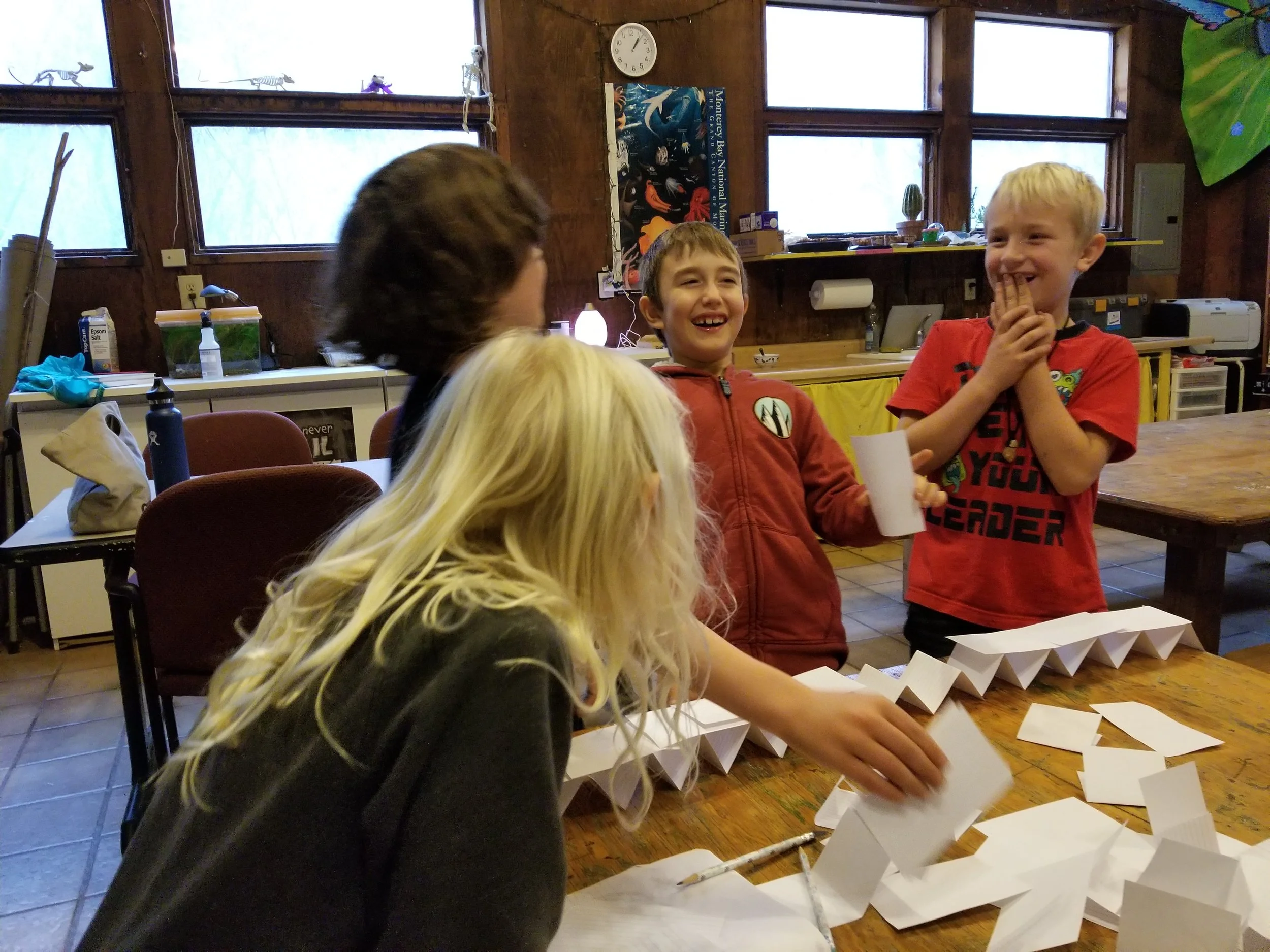
A STEM challenge using only index cards.
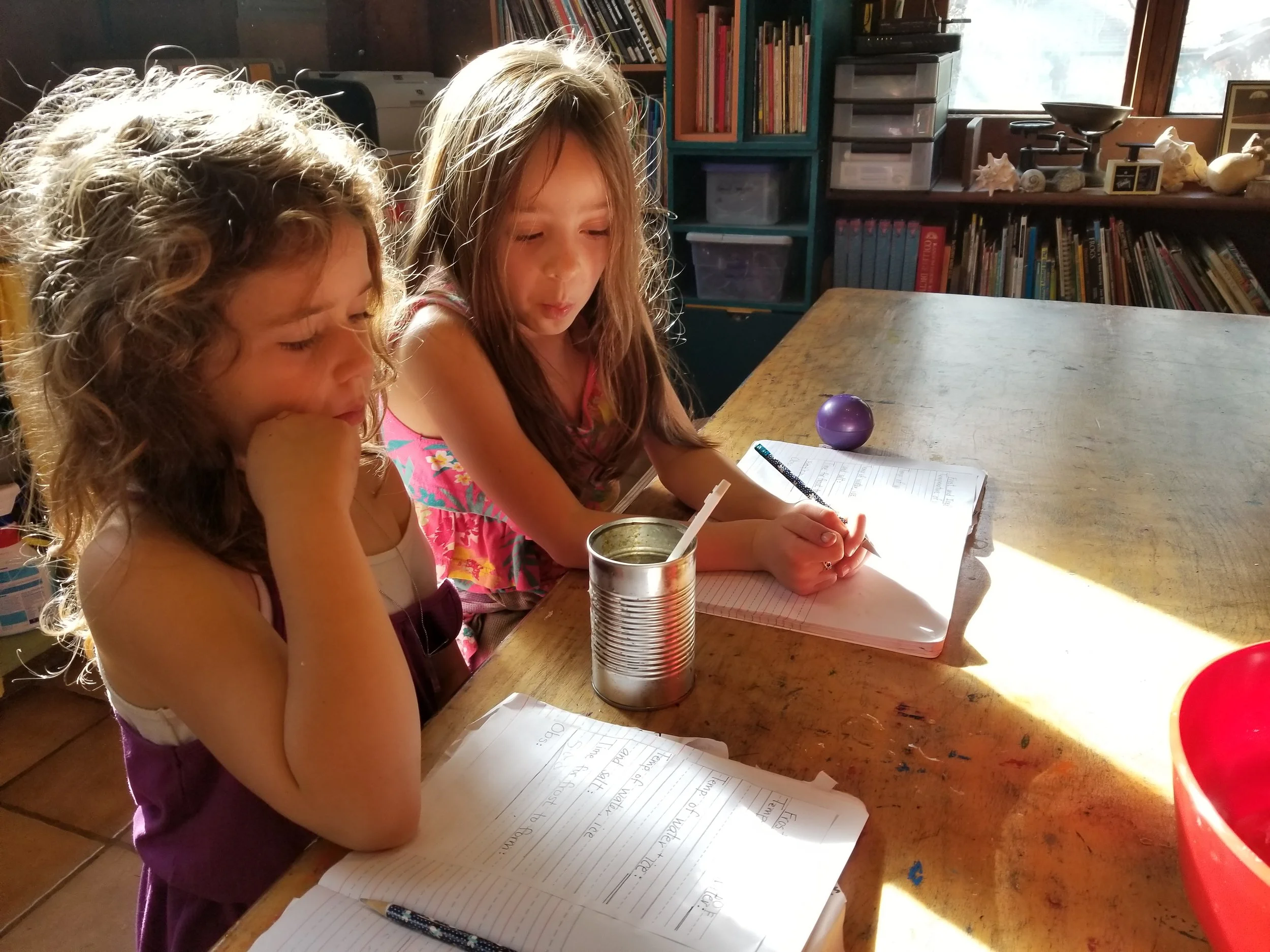
Watching the temperature drop with ice water and salt.
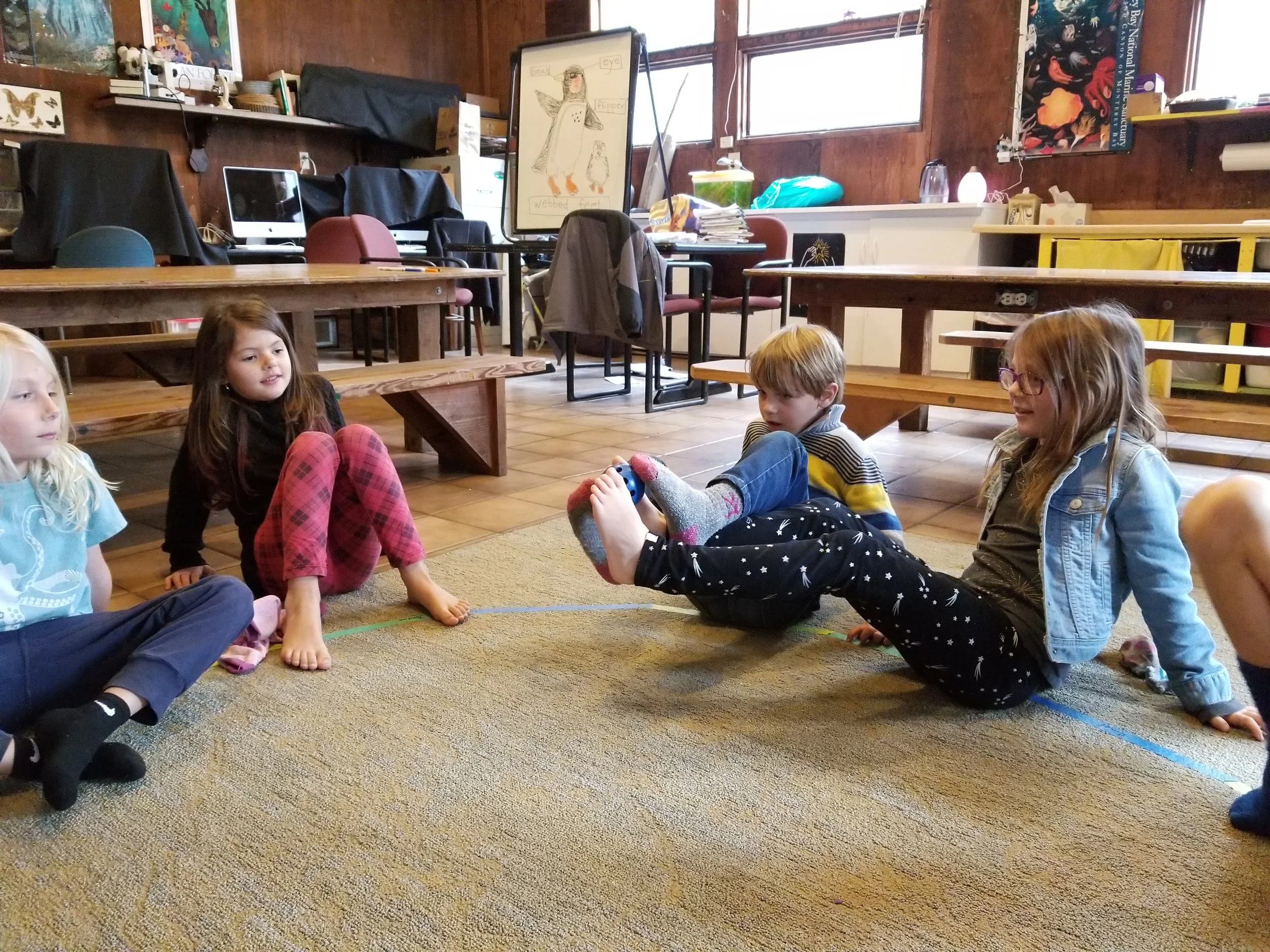
A game that playfully reminds us how tough penguins are (they incubate their eggs on their feet).
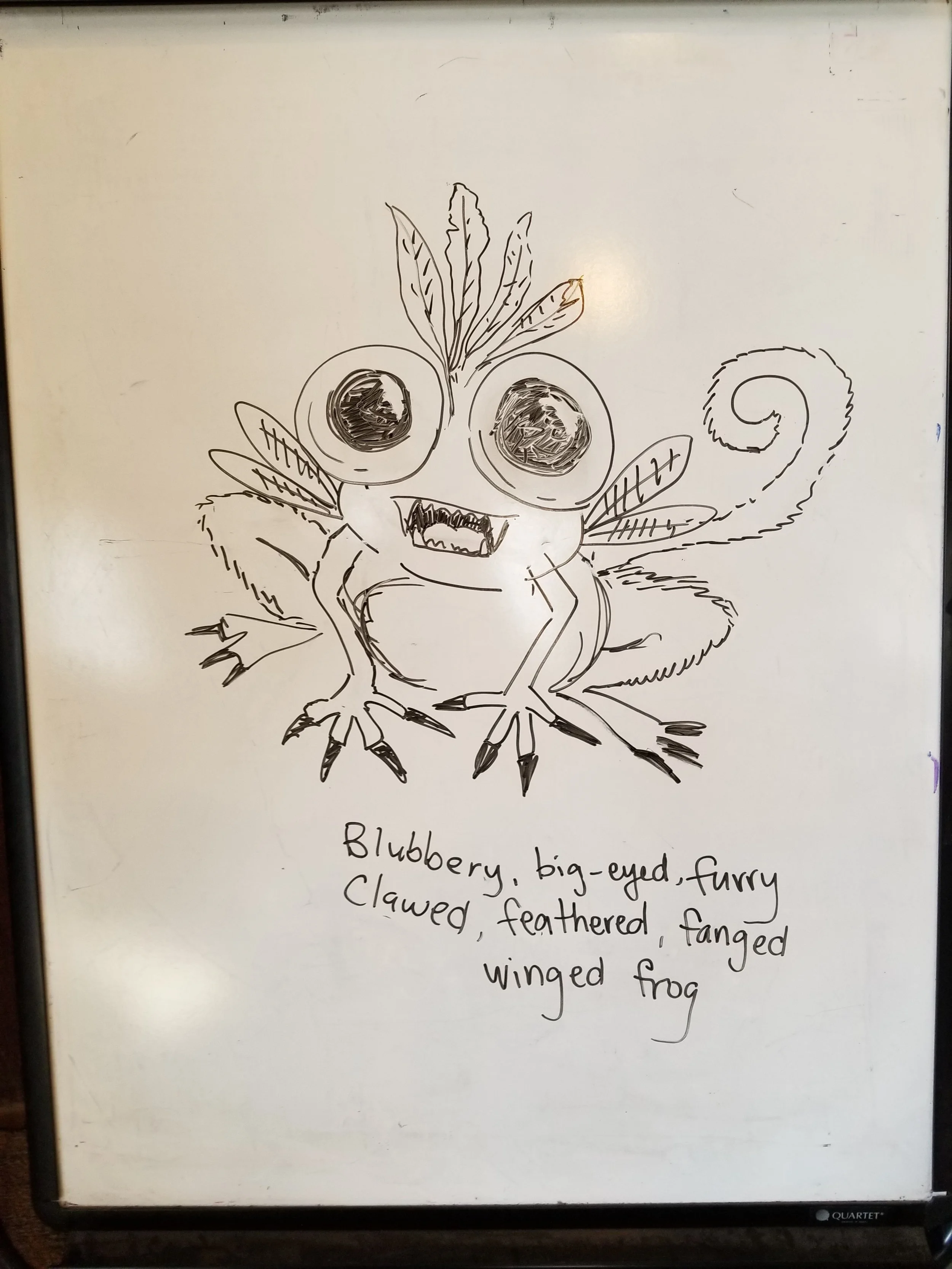
My example of an animal with fantastical adaptations.
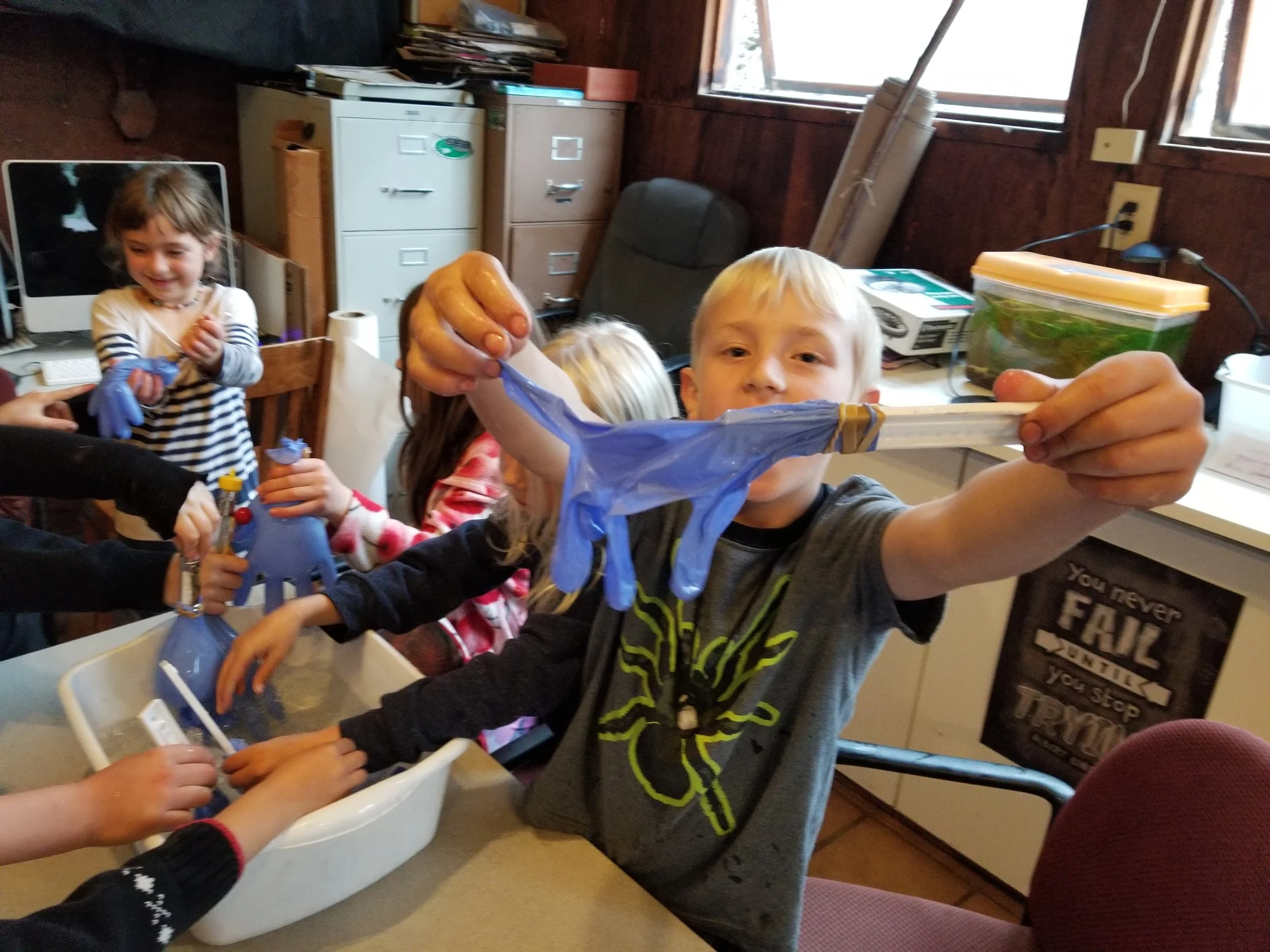
An experiment illustrating that a rounder body shape retains heat better in cold water.
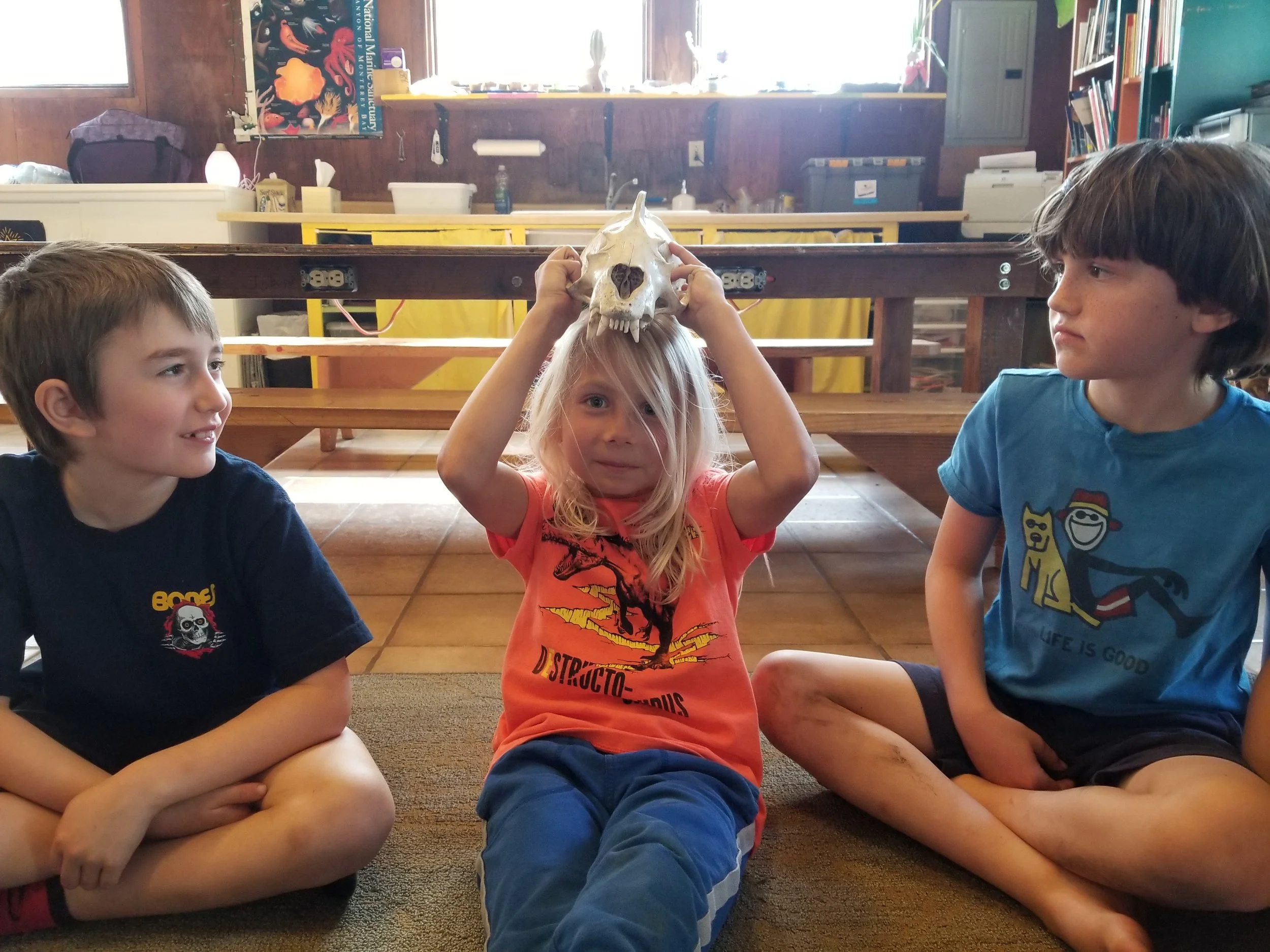
Marine mammal pelts and skulls. This one is a sea lion (and Leif).
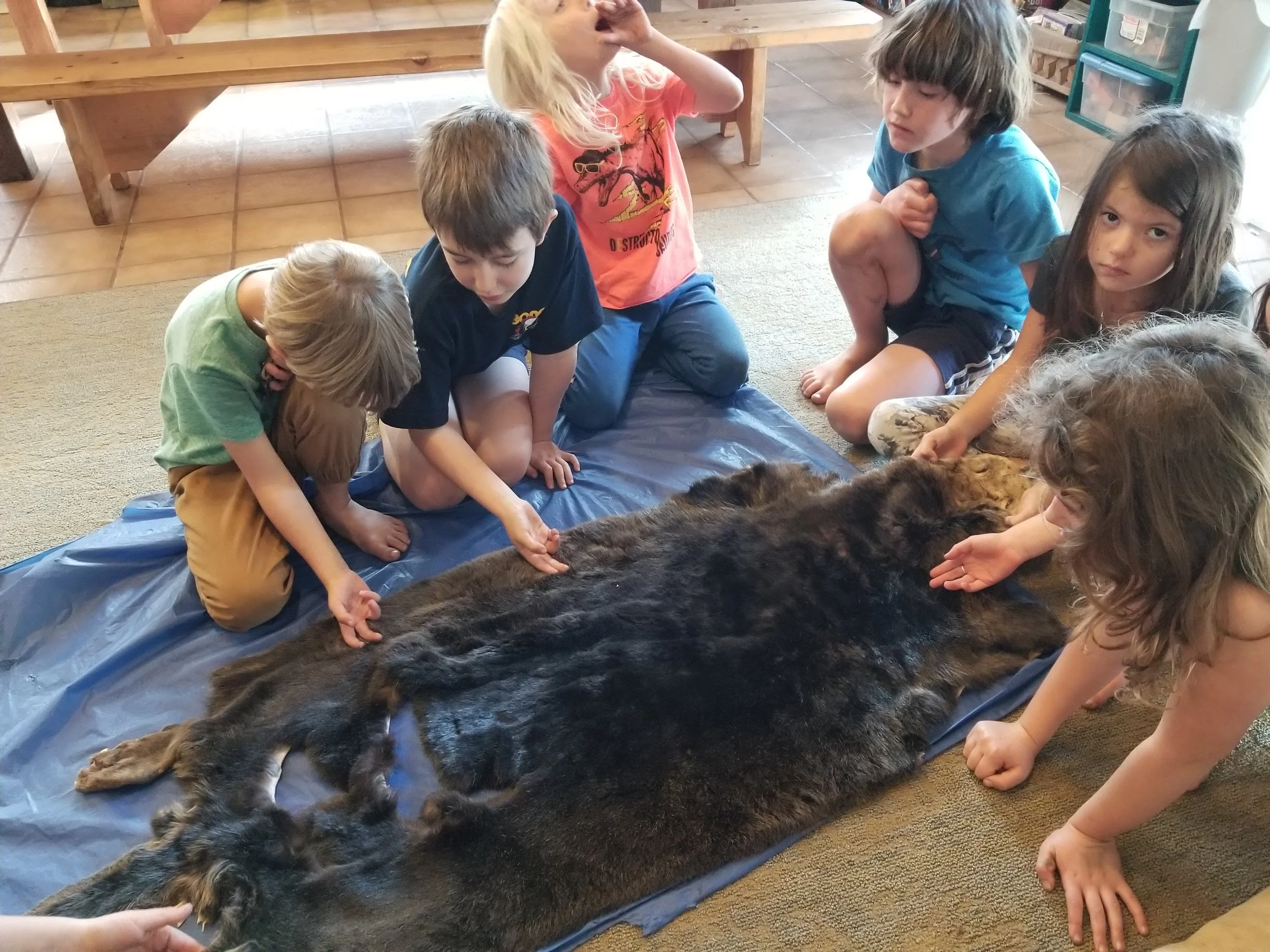
Adult sea otter pelt.
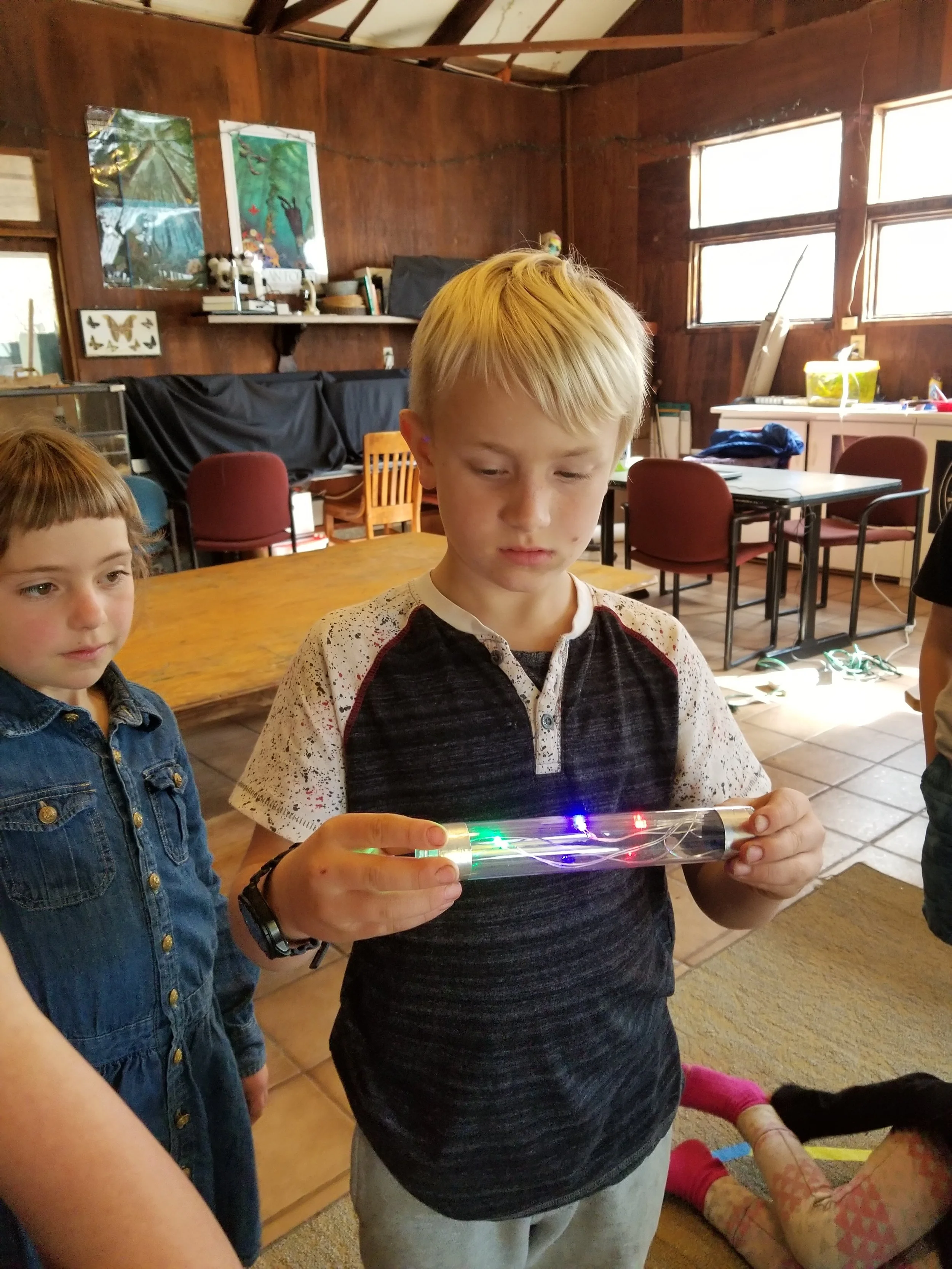
Circuits.
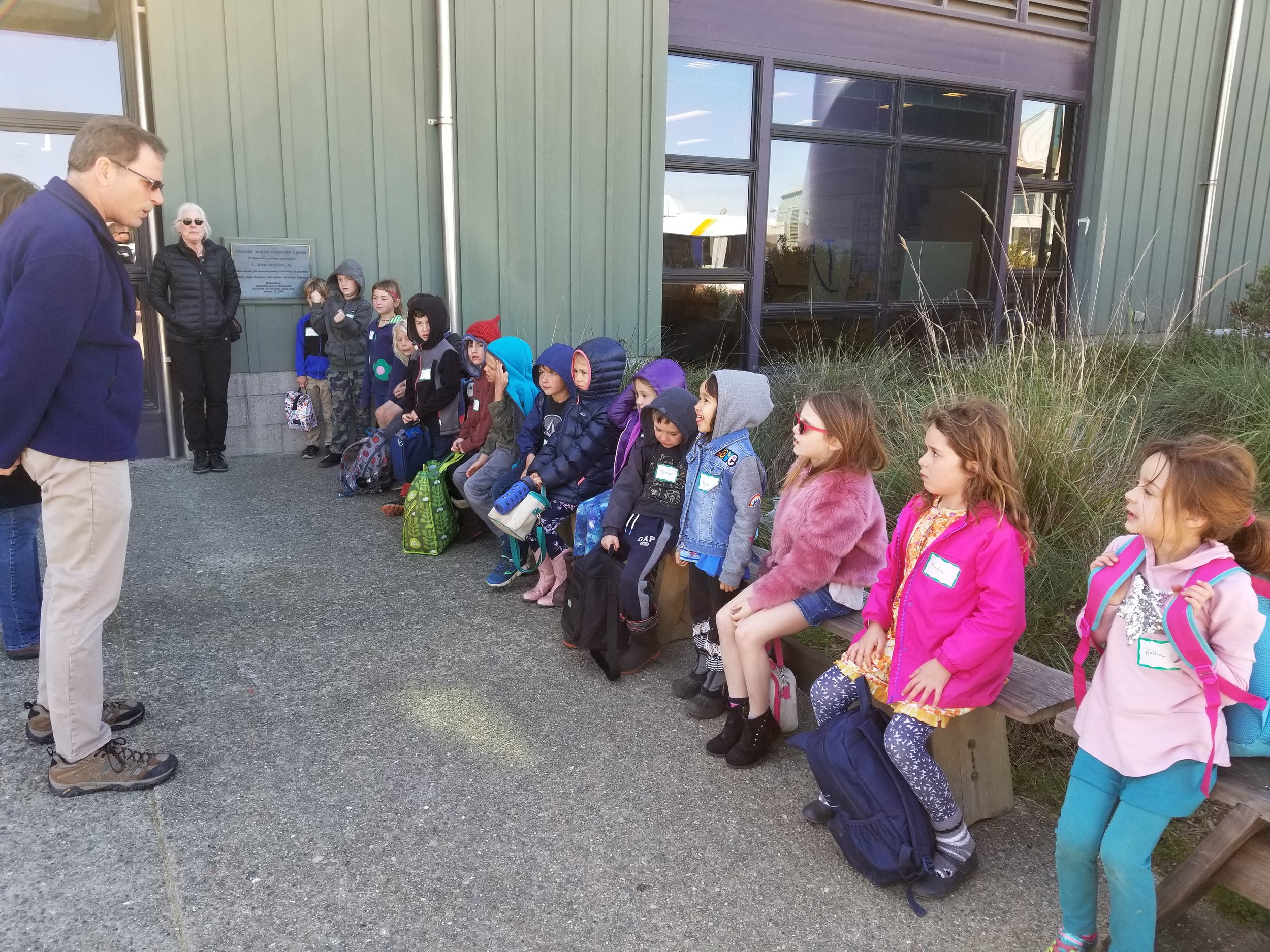
Listening at the Seymour Center.
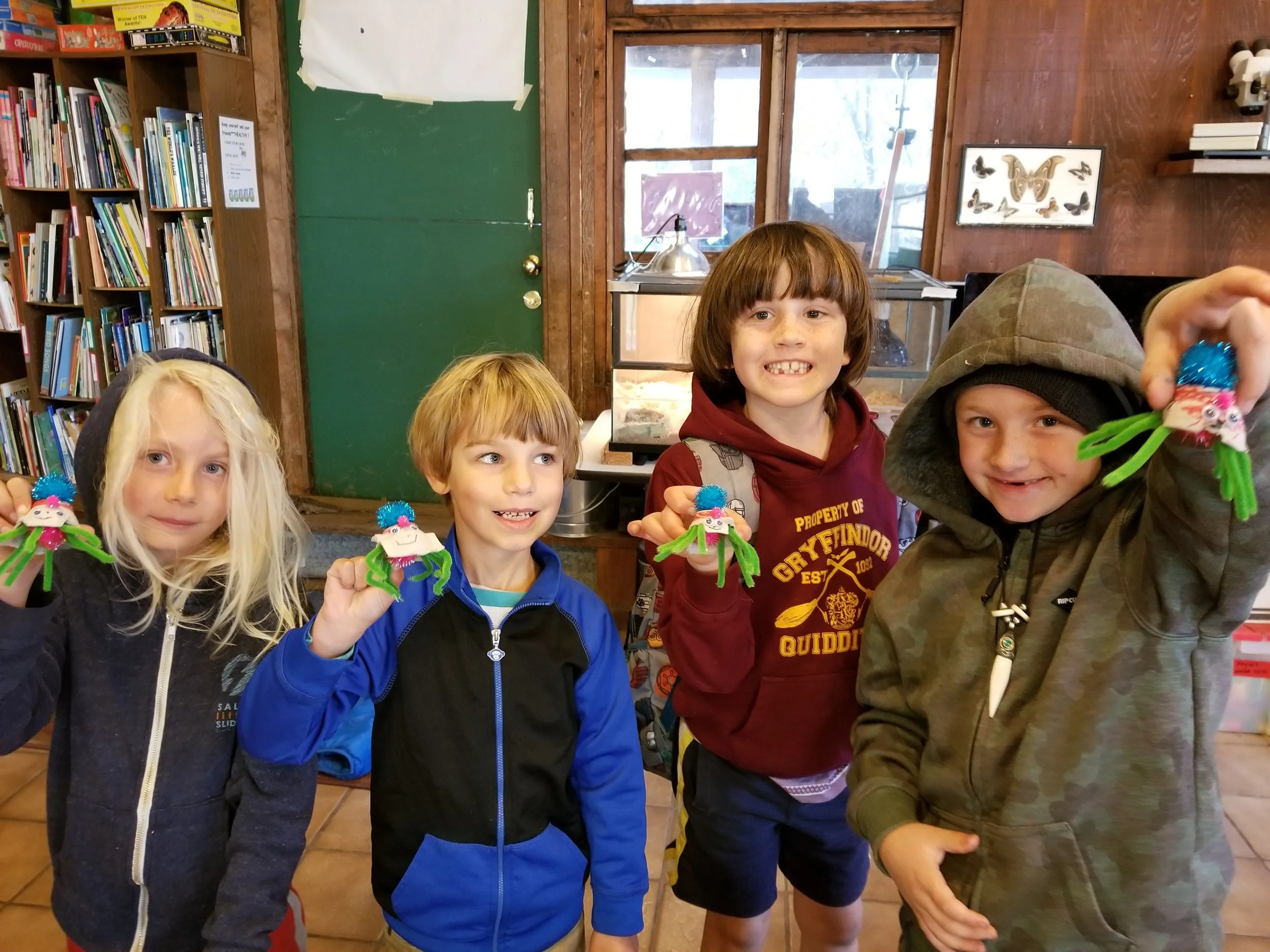
Showing off our decorator crabs.
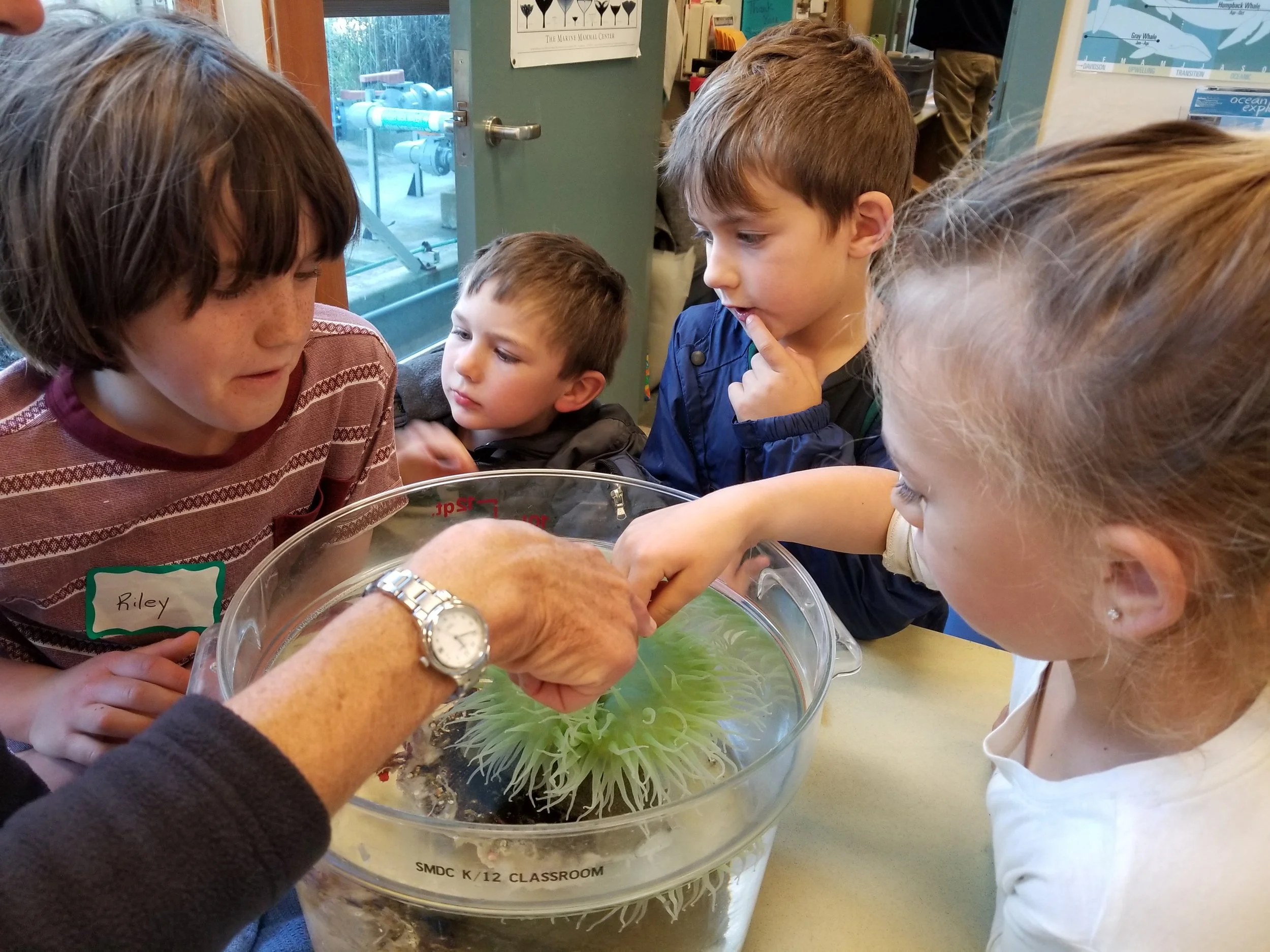
Sea anemone!