Math
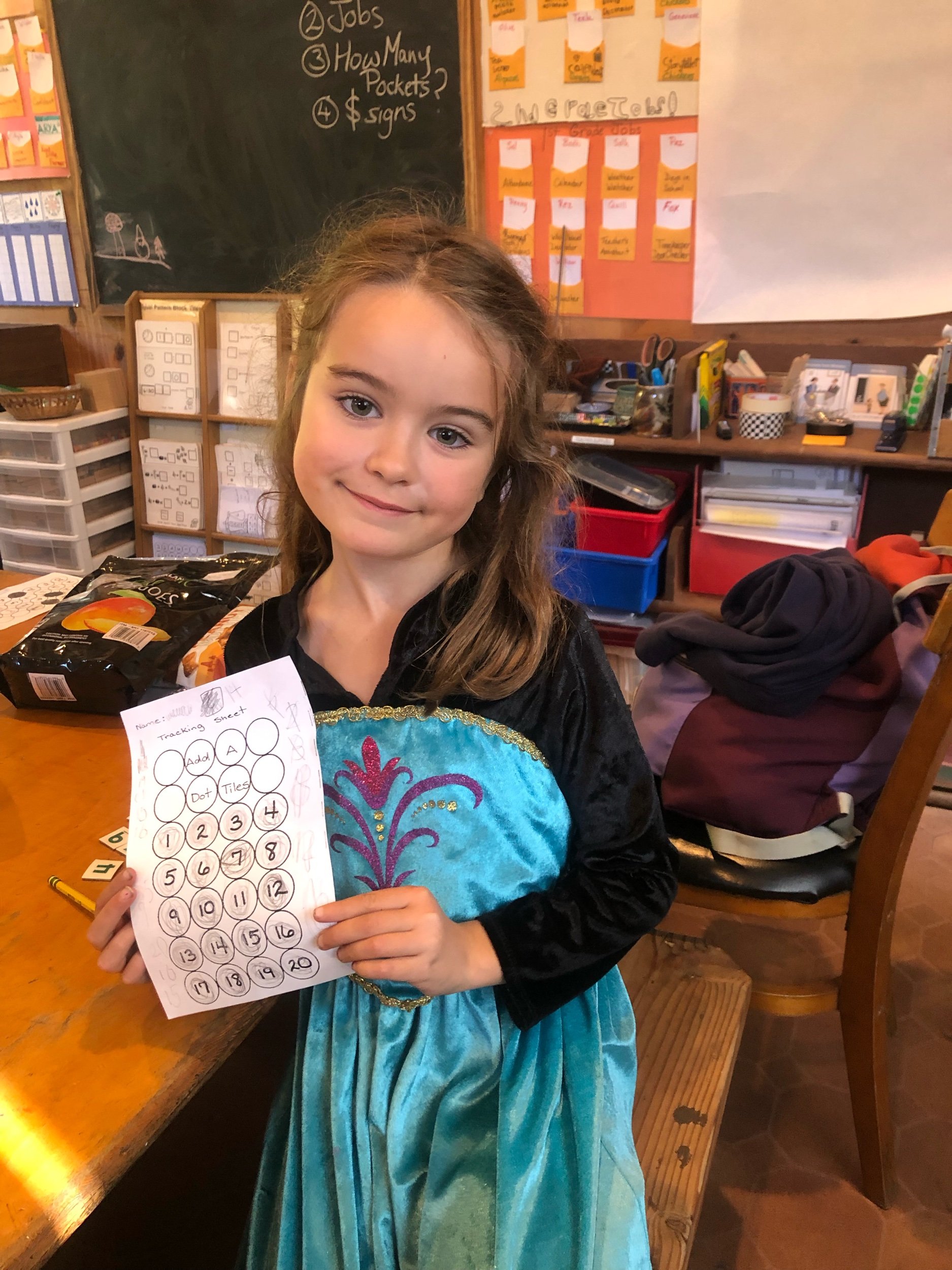
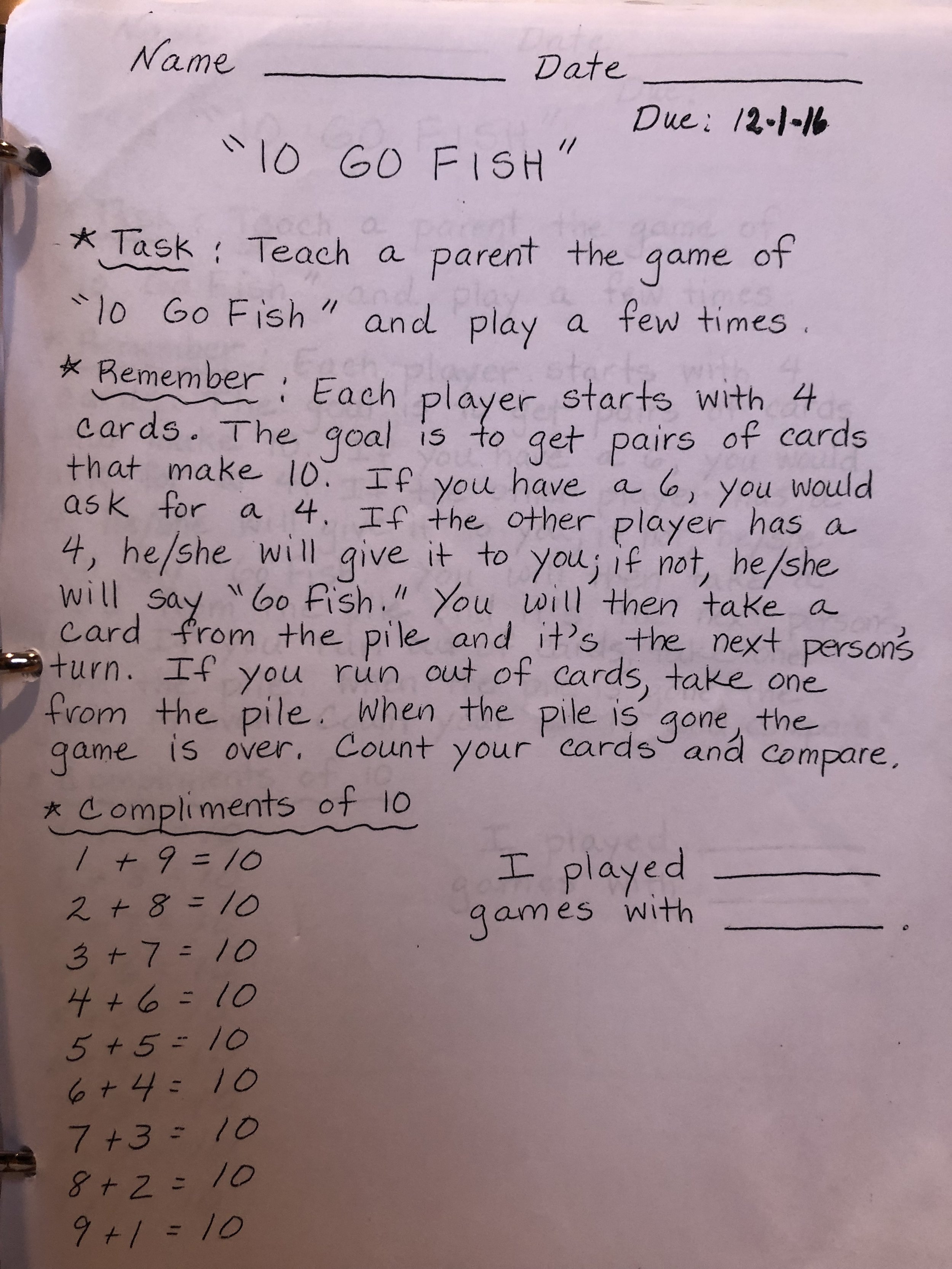
Hi. There are two games and concepts that I have been really trying to emphasize in my recent teaching of the first graders. One is complements of 10, through the investigation titled Mouse Count, based on the book of that name by Ellen Stoll Walsh. In this investigation students explore all the ways that ten mice can be arranged between the grass and a jar when being hunted by a snake. This investigation was followed by the introduction of the game 10 Go Fish, a version of the Go Fish card game in which players ask for the number that helps them add up to 10. Yesterday, students created a chart on a piece of card stock in order to help them to play the game at home and I would love for you to play this game over the holiday break. Below is a photo of the directions.
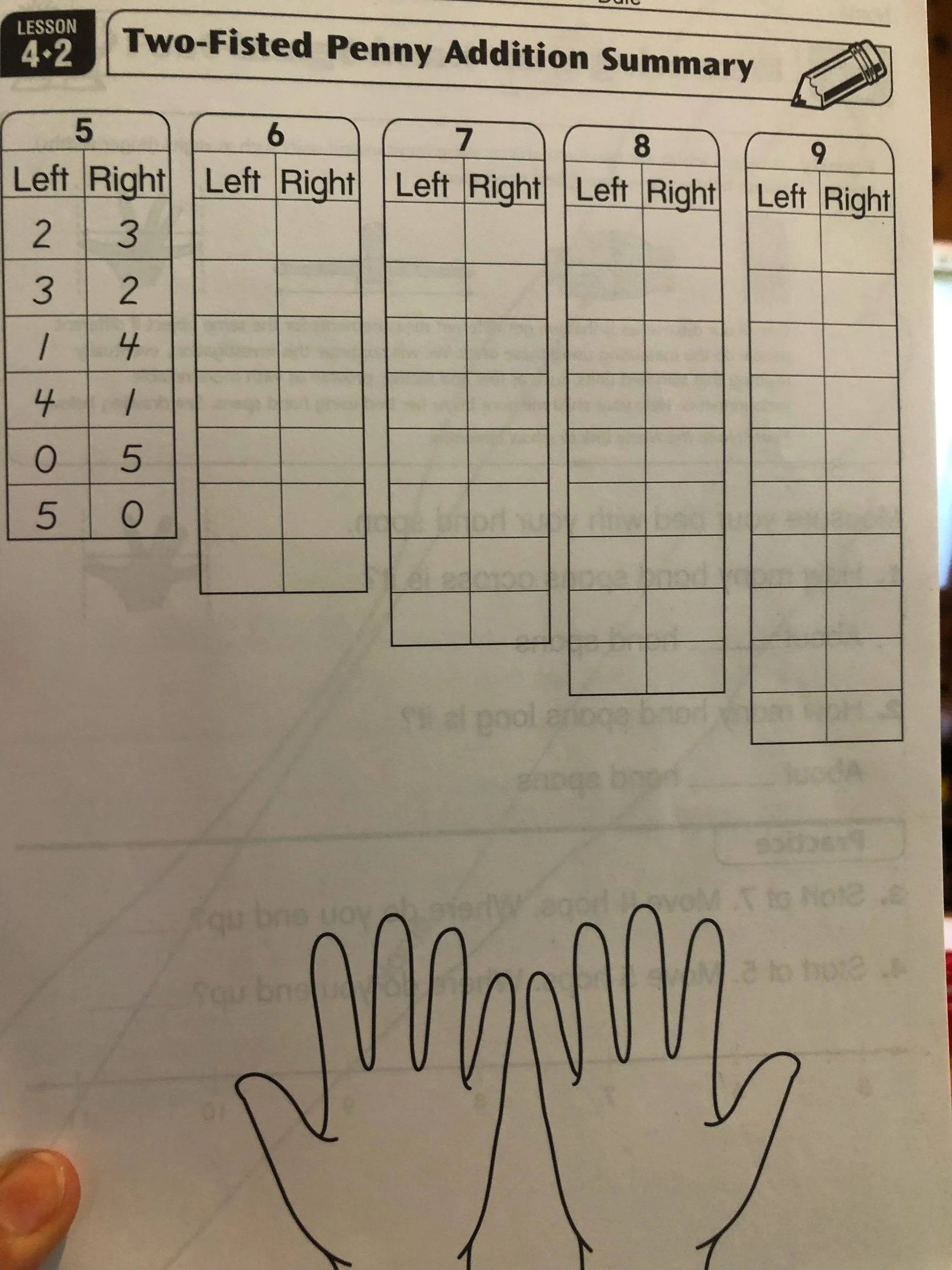
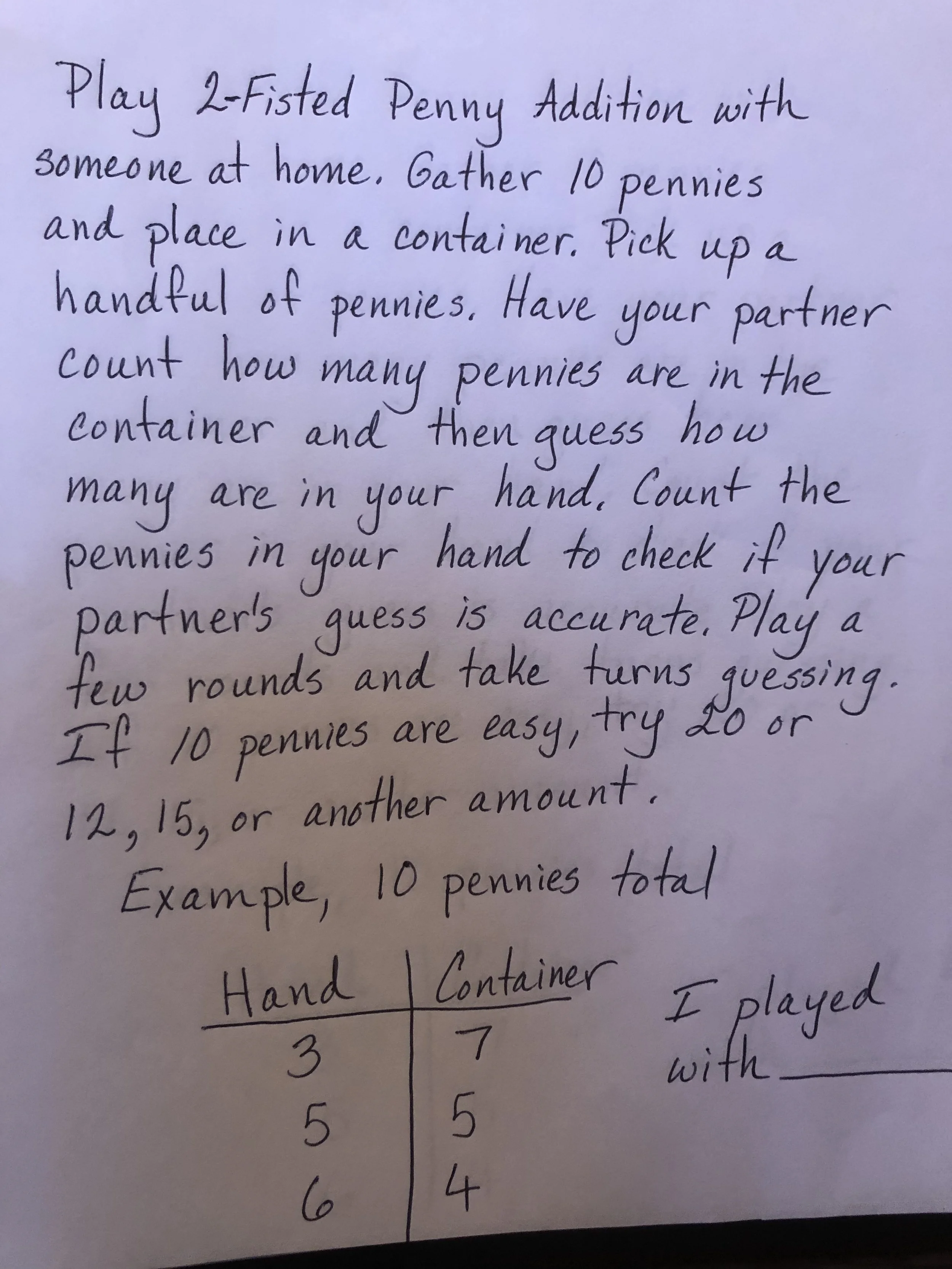
The other game we played that involved complements was Two Fisted Penny Addition. In this game partners are provided with a plate and a certain number of pennies, let’s say 10. One partner hides some of the pennies in his or her hand and the other is asked to determine how many pennies are hidden based on the number of pennies left in the plate. This is a great game as it can be tailored to the student’s needs; maybe your child should begin by practicing with 5 pennies and then after mastery move on to 6 and then 7, etc. Maybe your child has 10 pennies down and needs practice with amounts ranging between 10 and 20, or maybe 33. Instructions for this game are below. Students are familiar with both games.
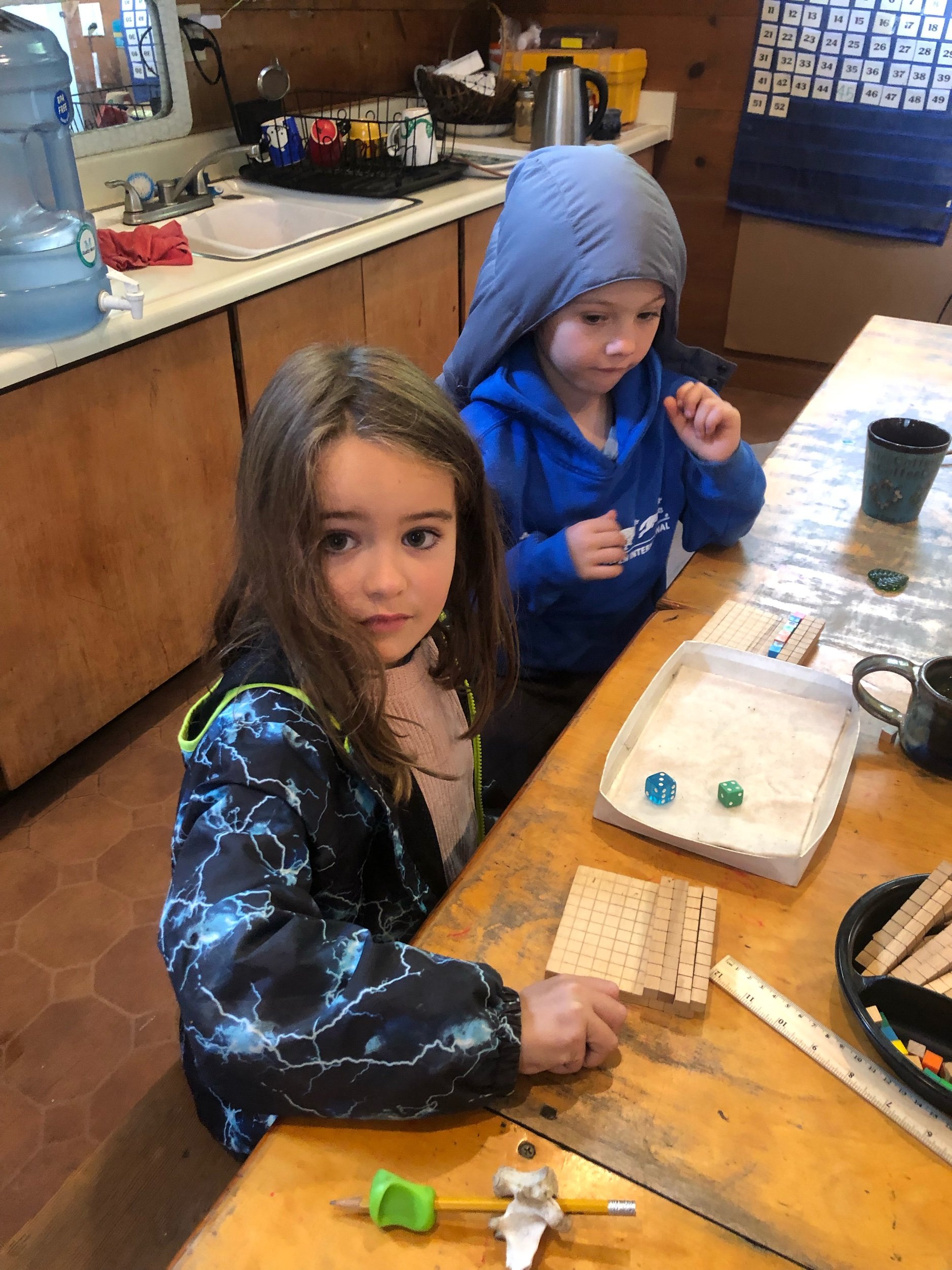
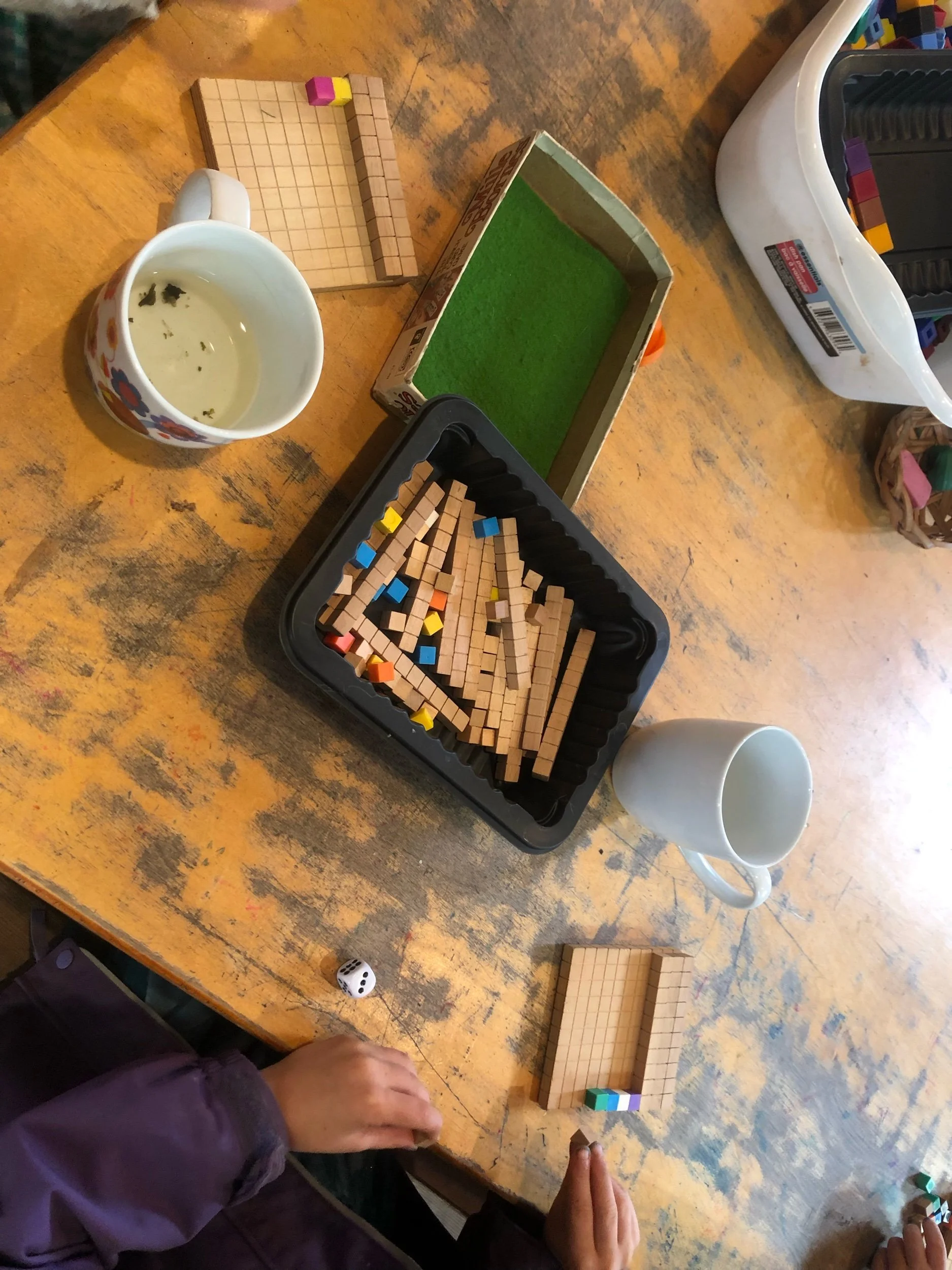
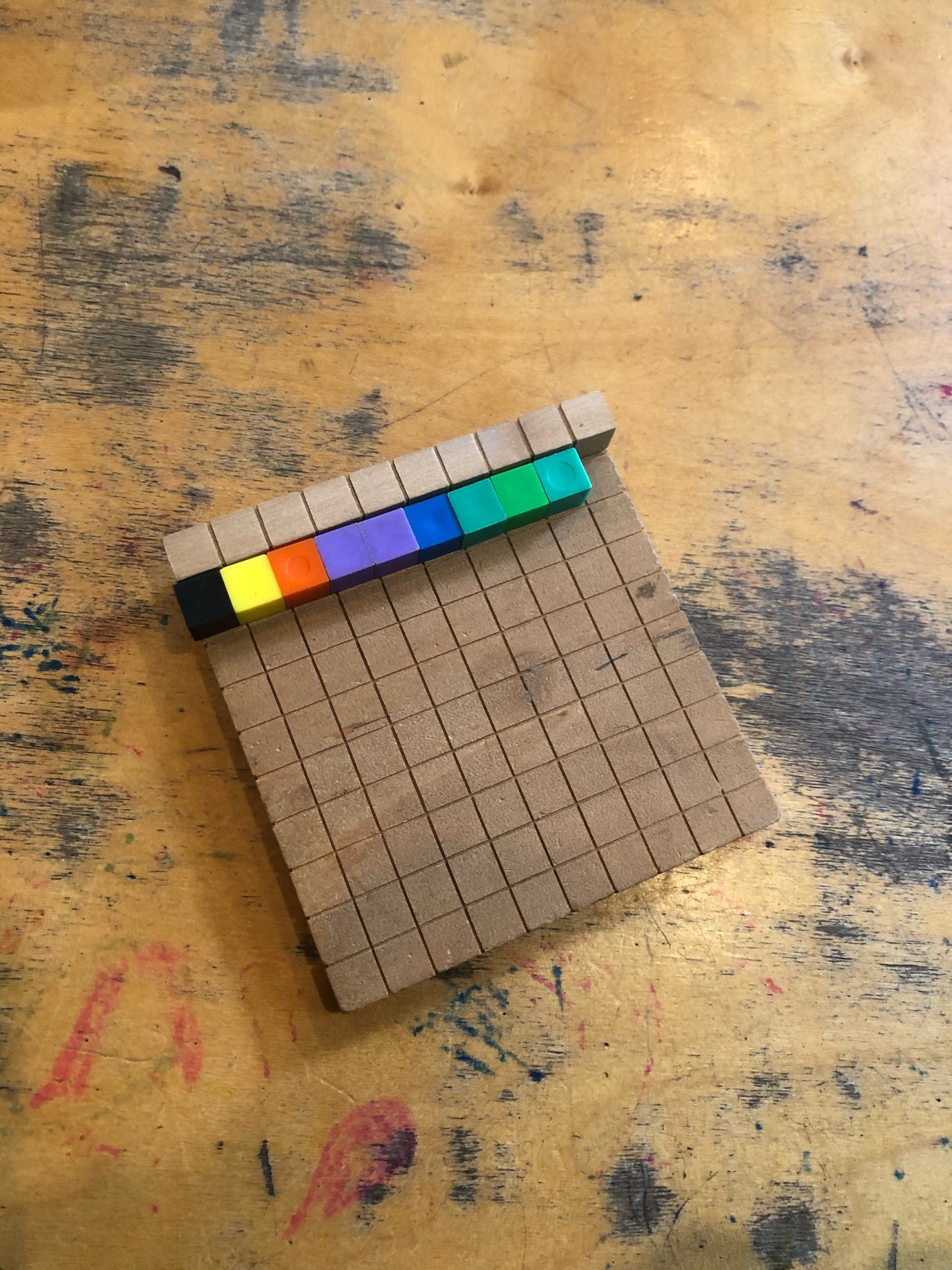
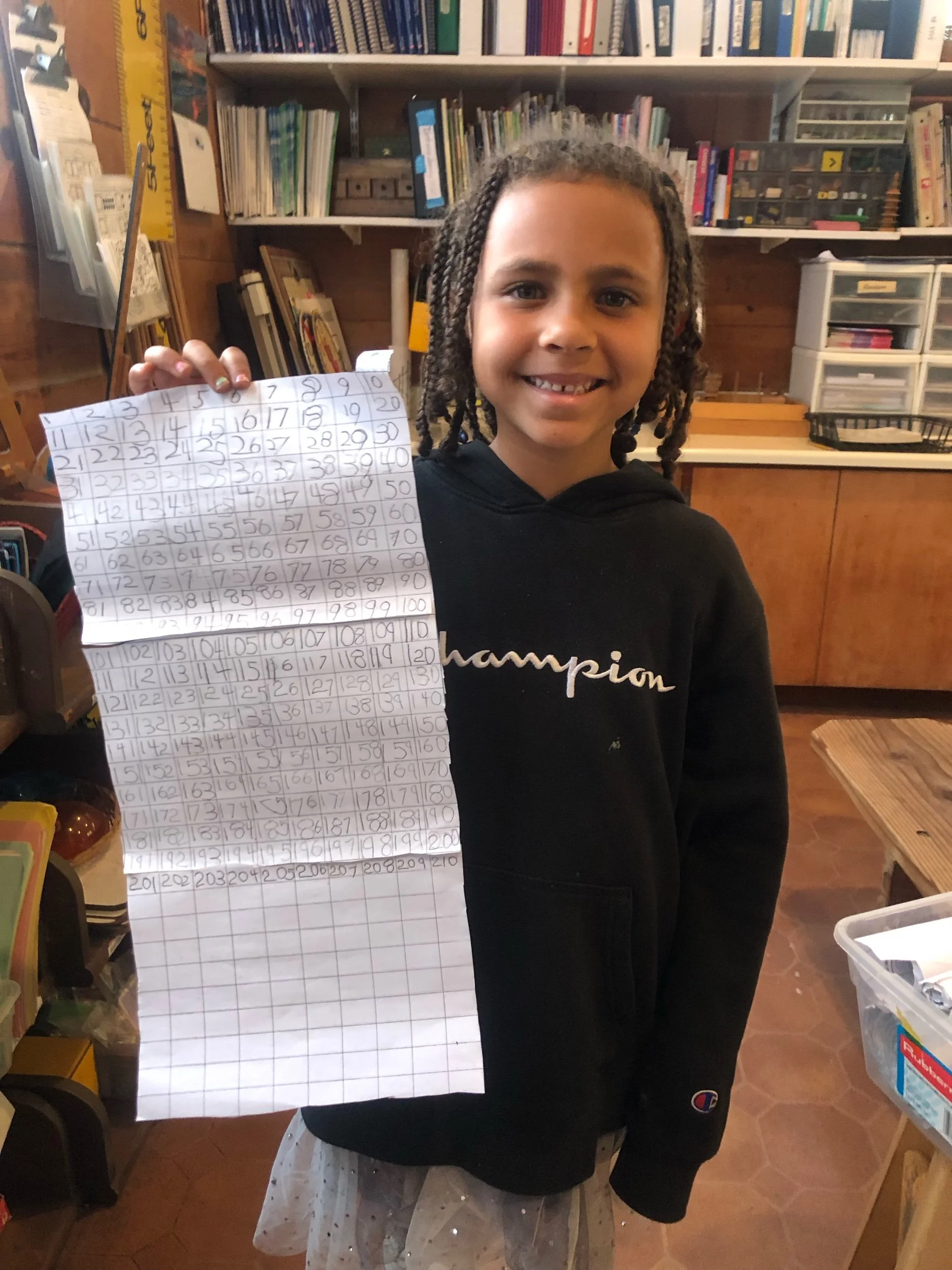
Prior to this unit, we continued our exploration of place value by reading the book The King’s Commissioner, a story in which the students are asked to count the king’s commissioners by 1s, 2s, 5s, and 10s and realize that the answer is the same no matter which way one counts. We played a game called Cover a Flat, using the base ten cubes, rods, and flats to reach 100. Right now these students ofter prefer to play games collaboratively with their partners as opposed to competitively. Students used dice and a number grid to play Roll to 50 and we explored number grids as part of the Everyday Math curriculum. We continue to work on our number scrolls with some students being more drawn to them than others.
As always please encourage a comfortable pencil grip and the formation of numbers from sky to earth, and include math always. Happy Holidays!