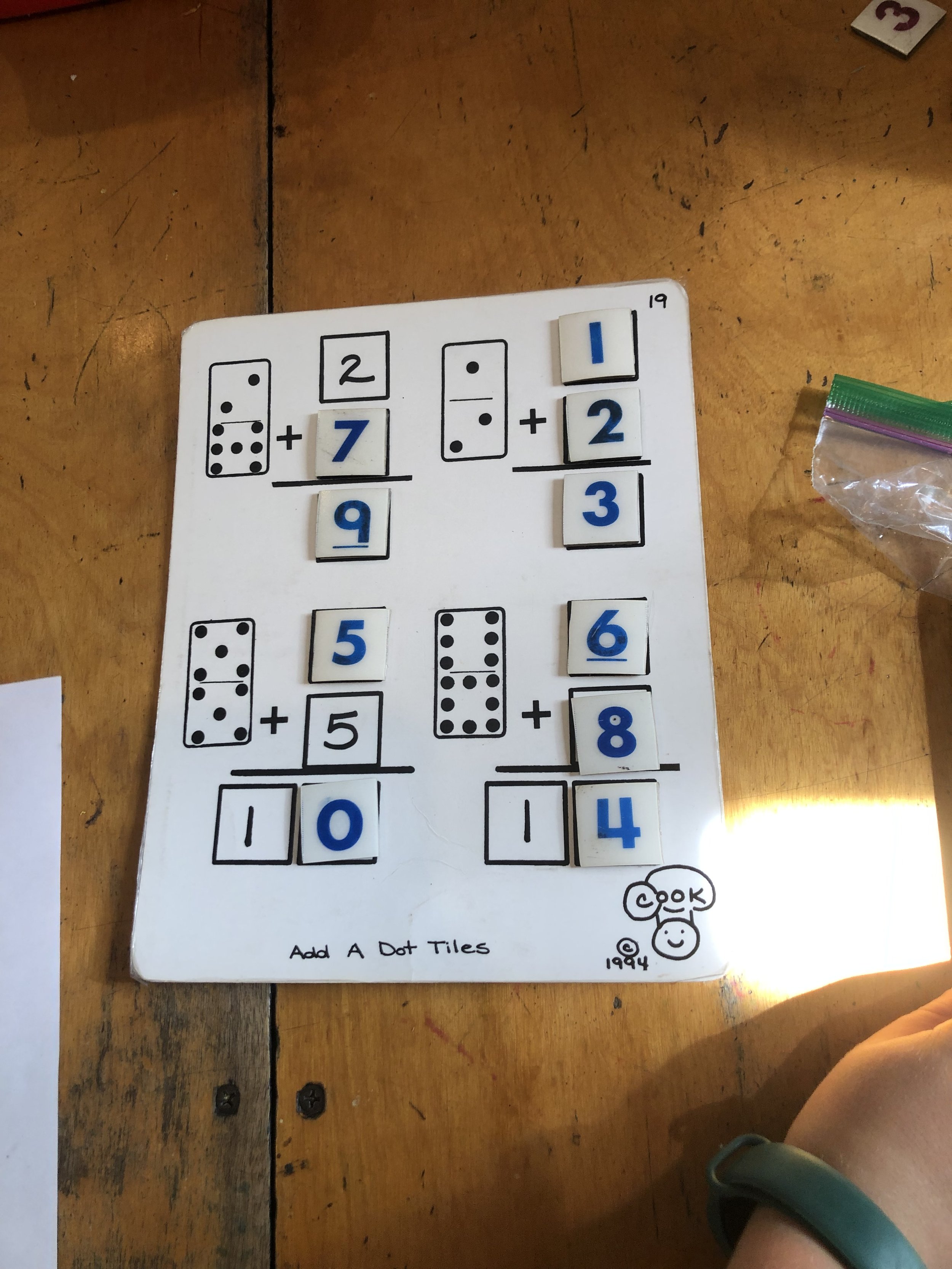
math
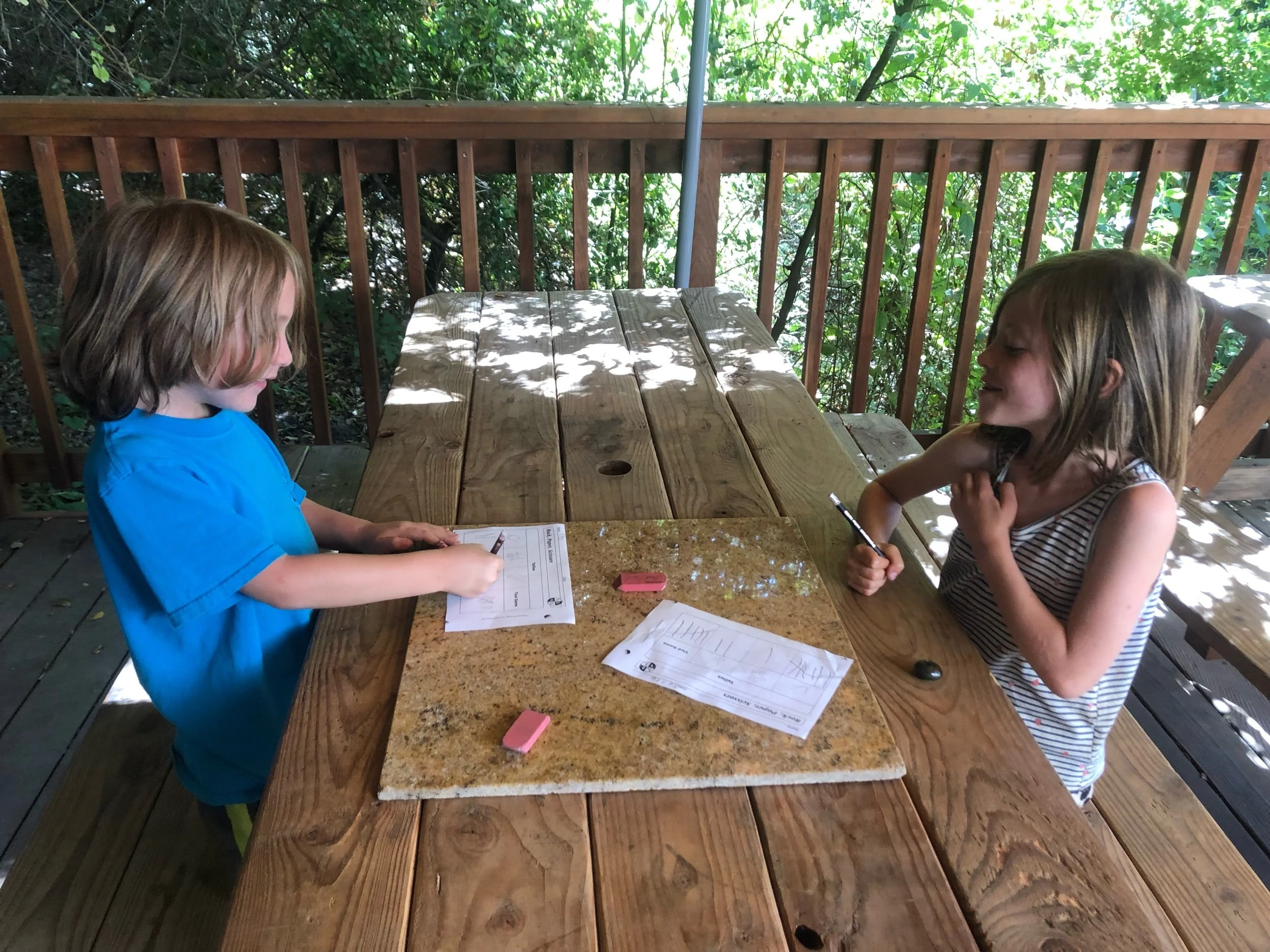
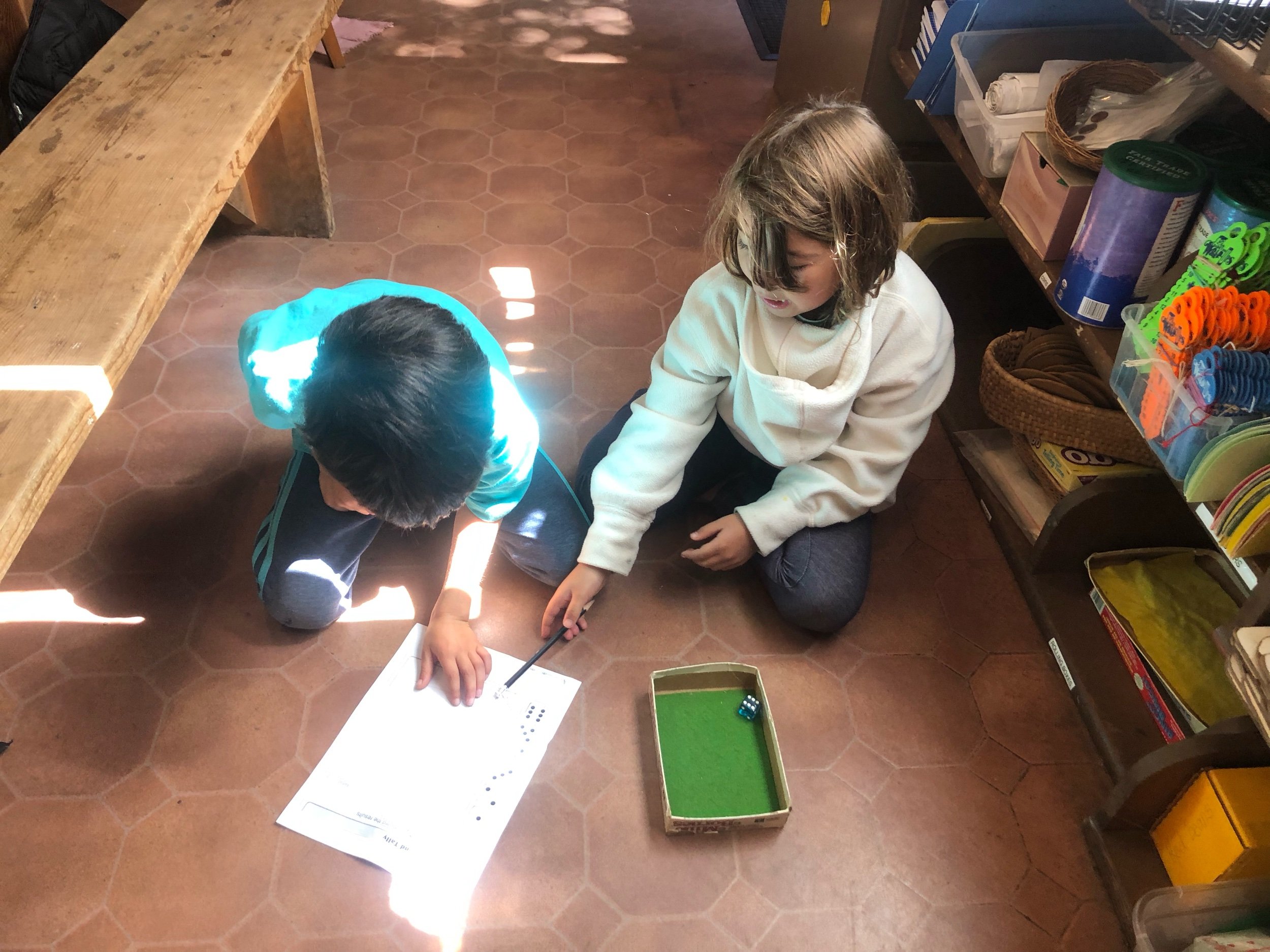
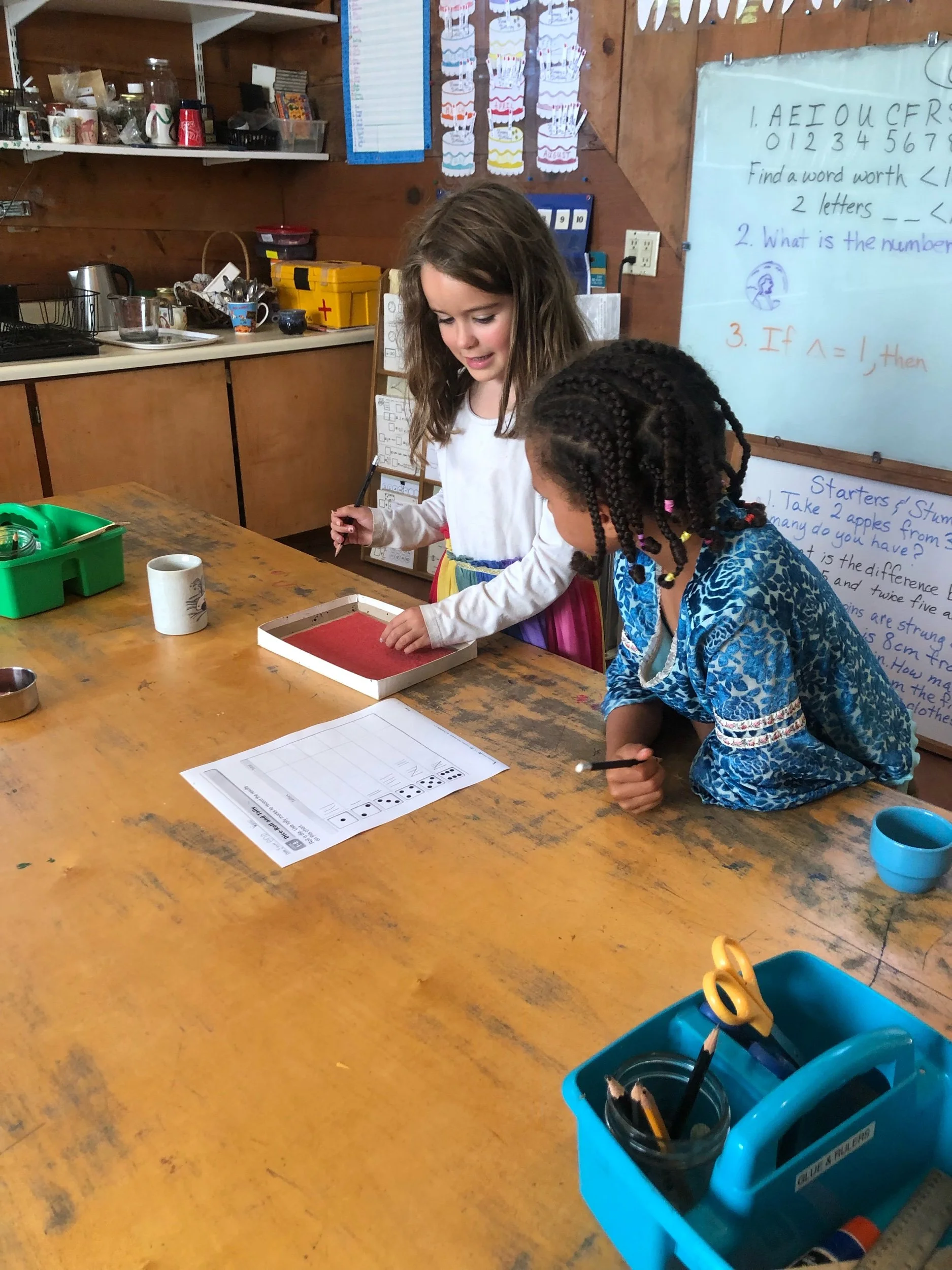
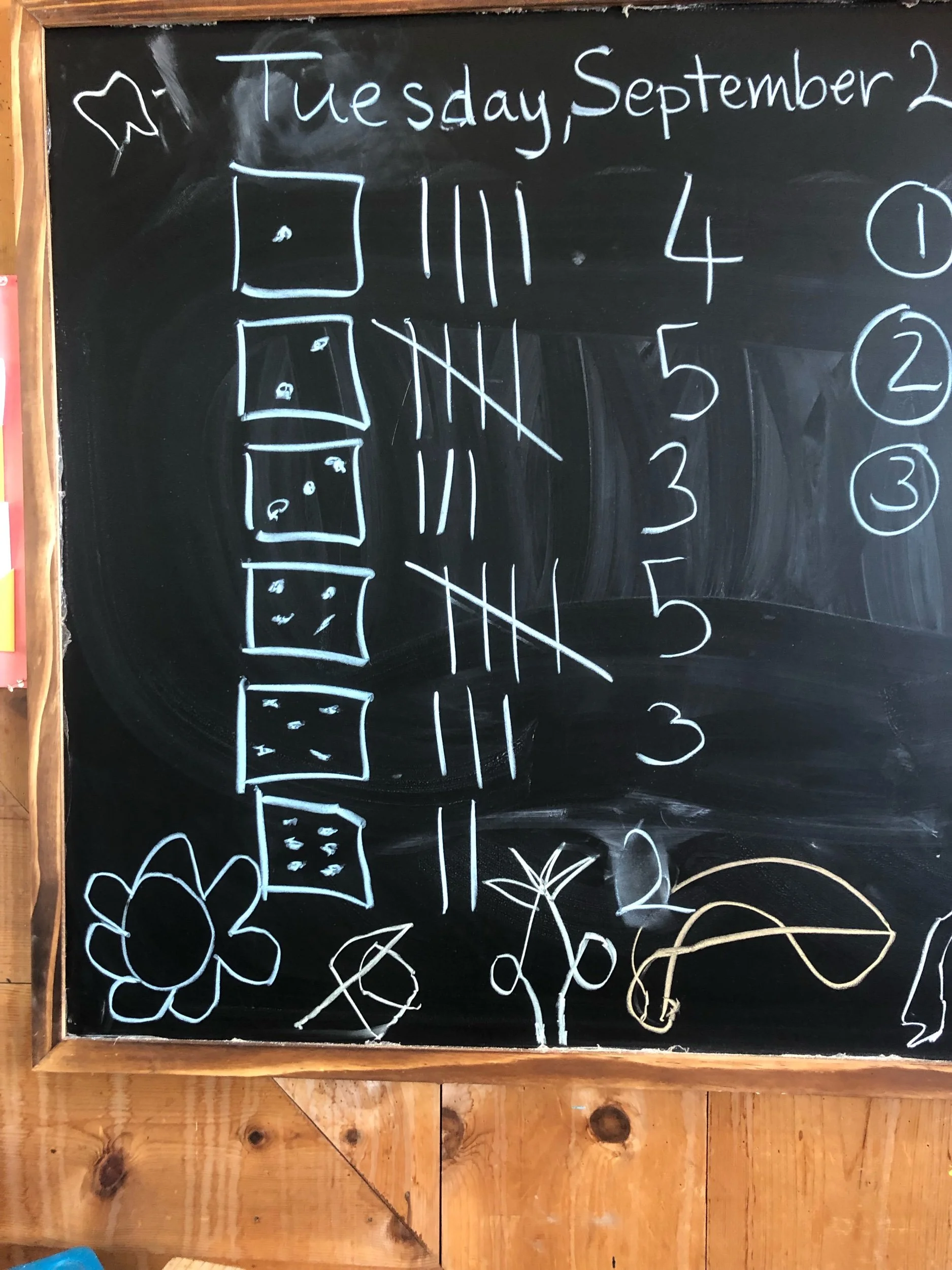
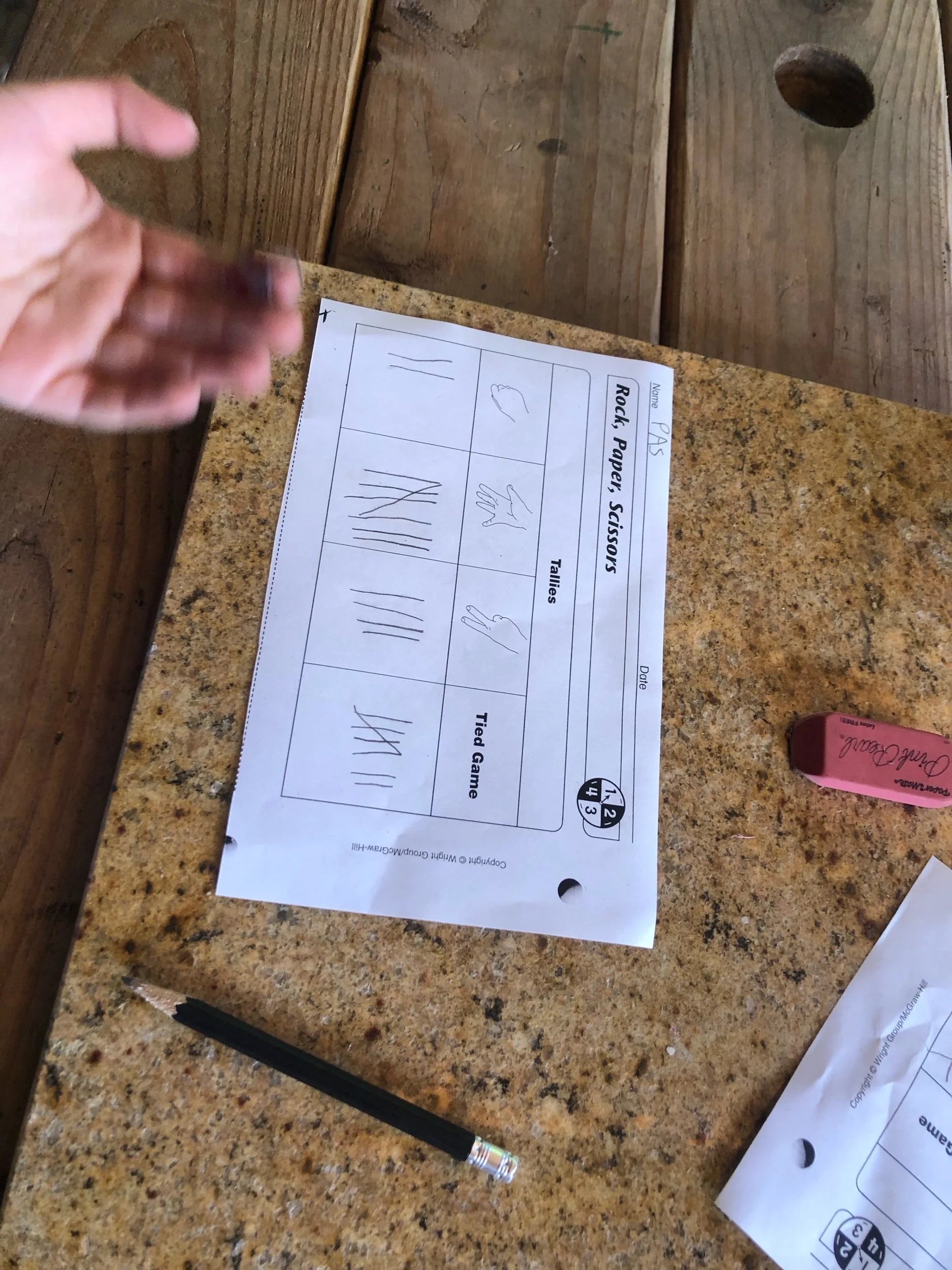
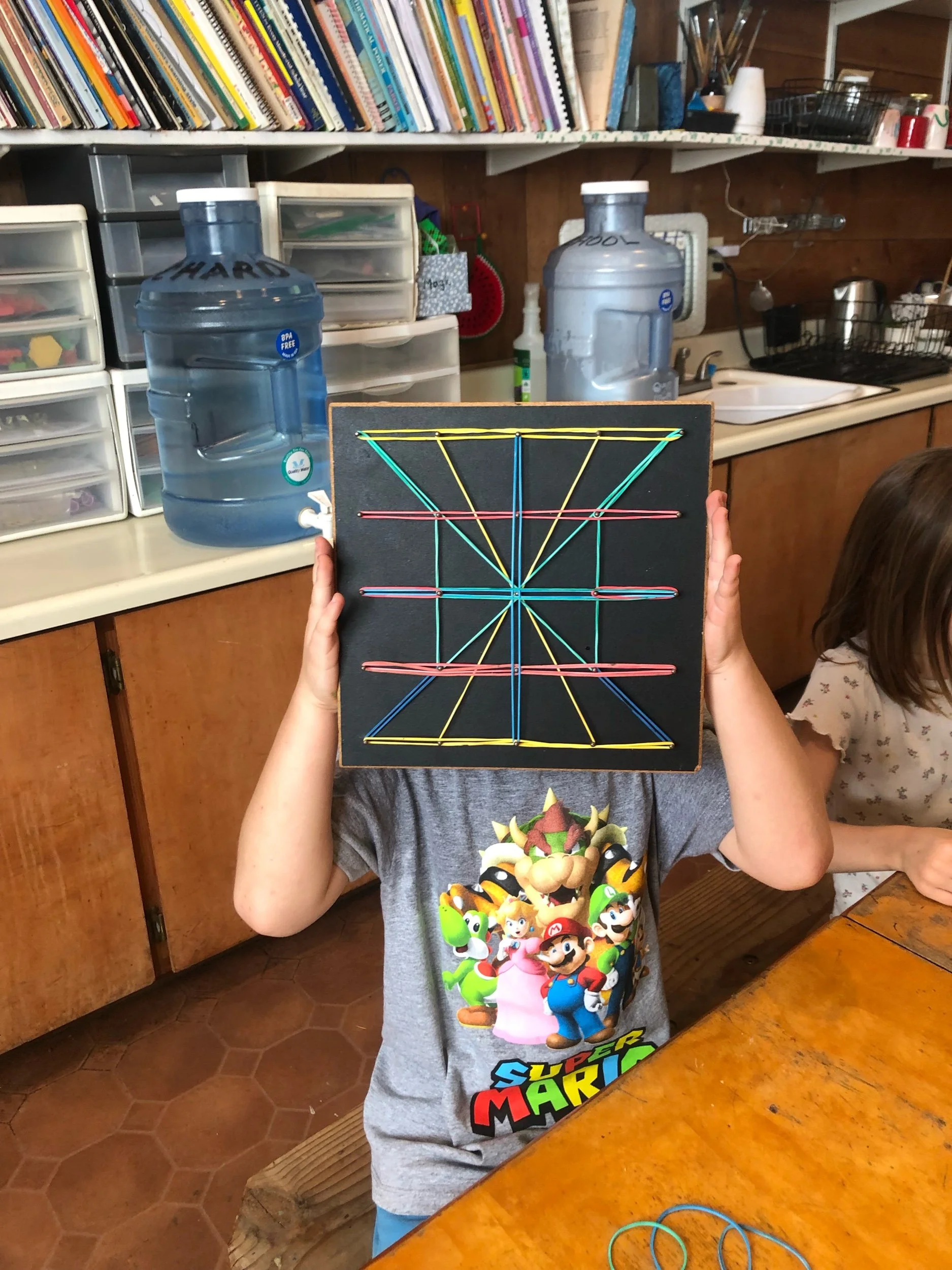
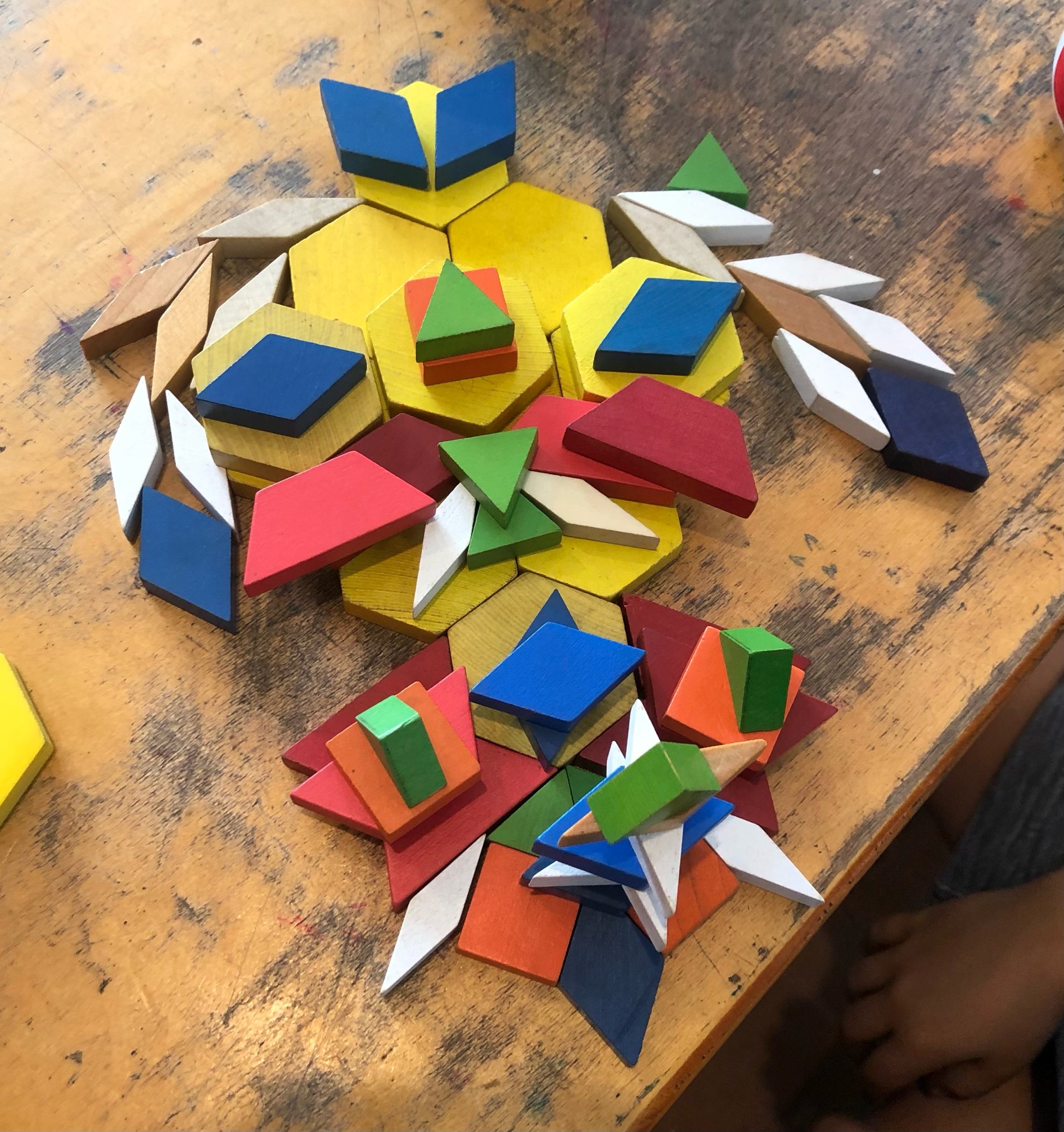
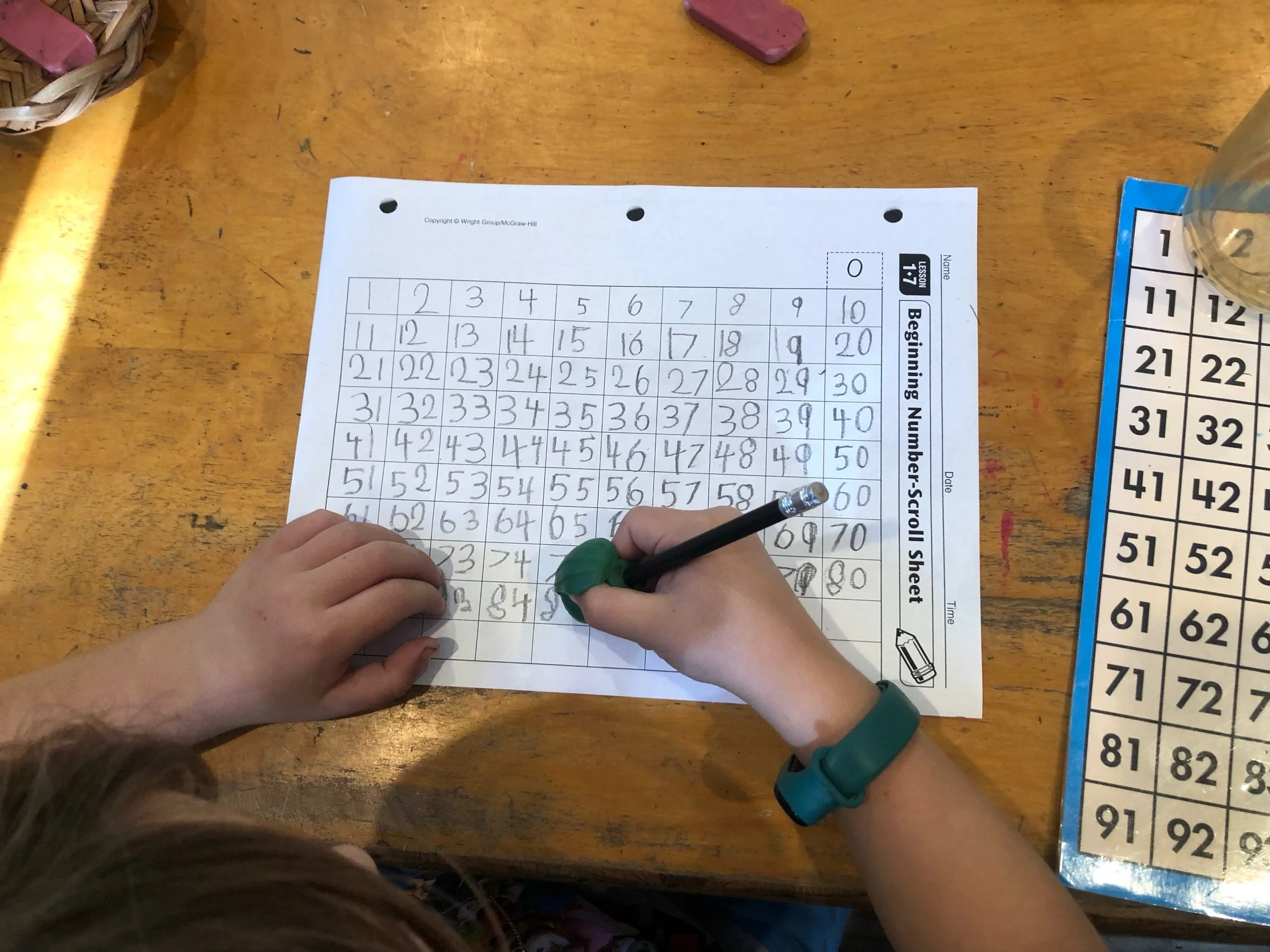
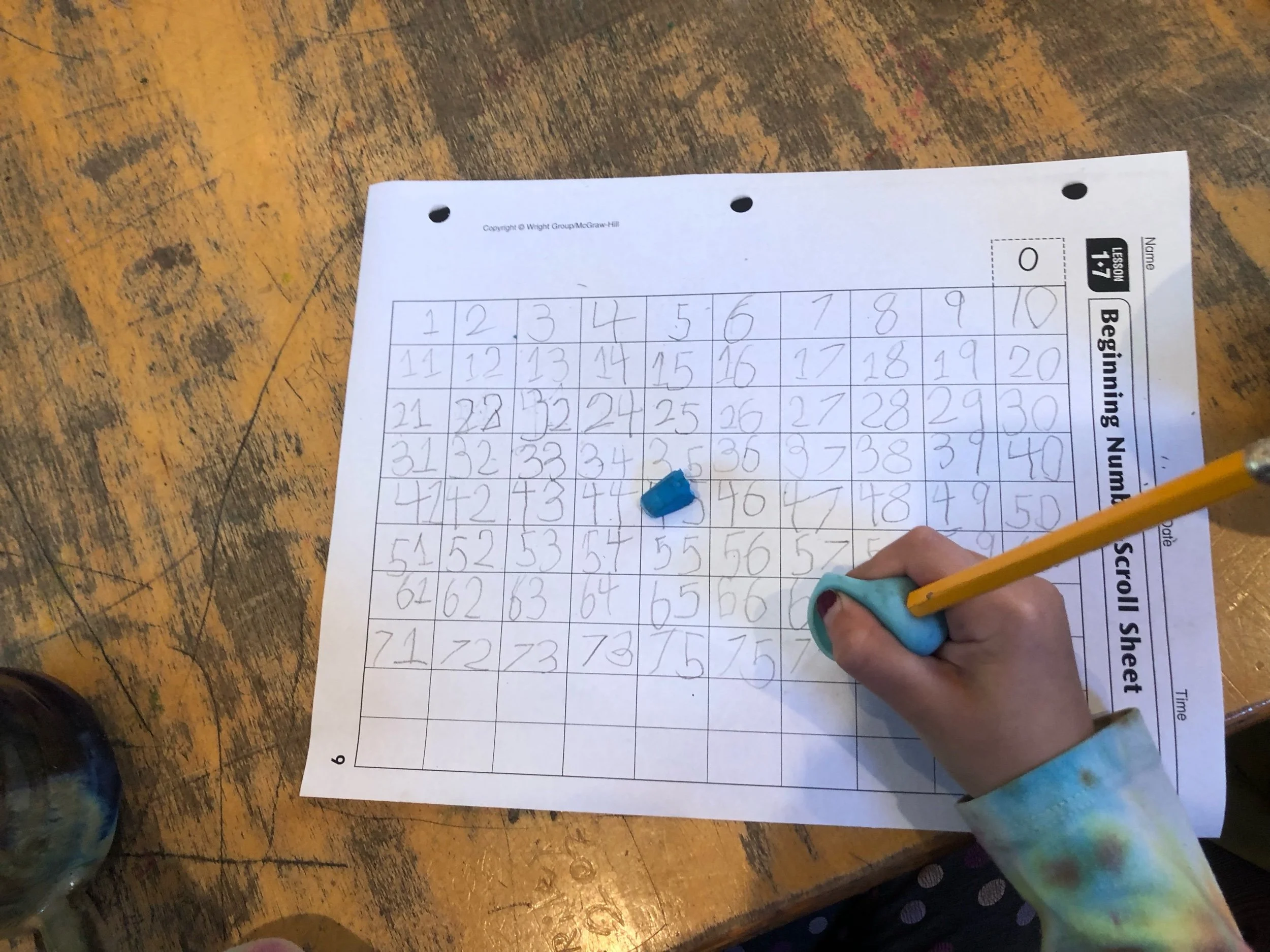
We have done so much since my first post. In terms of the Everyday Math curriculum, students have been practicing tally marks, probability, strategy and familiarity with dice by playing the games: dice roll and tally and rock, paper, scissors. Students were introduced to number scrolls and were very excited to begin working their way towards 100. They completed a calendar for the month of November and we discussed special days in November and drew a drawing to represent the month. They drew number stories and added numbers and words to go with them. Students also did explorations of the math manipulatives in order to become familiar with some of the tools we will be using in this curriculum.
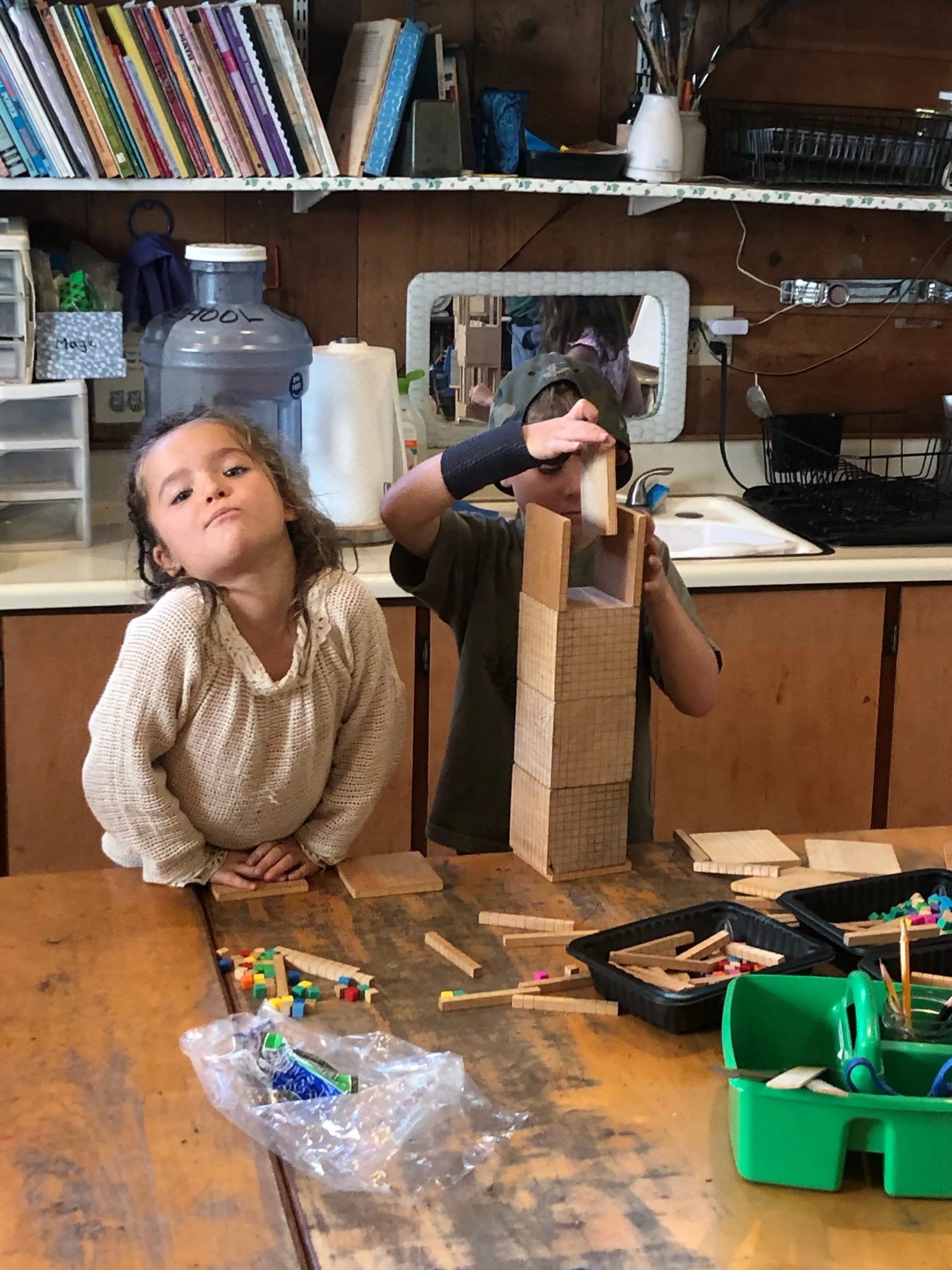
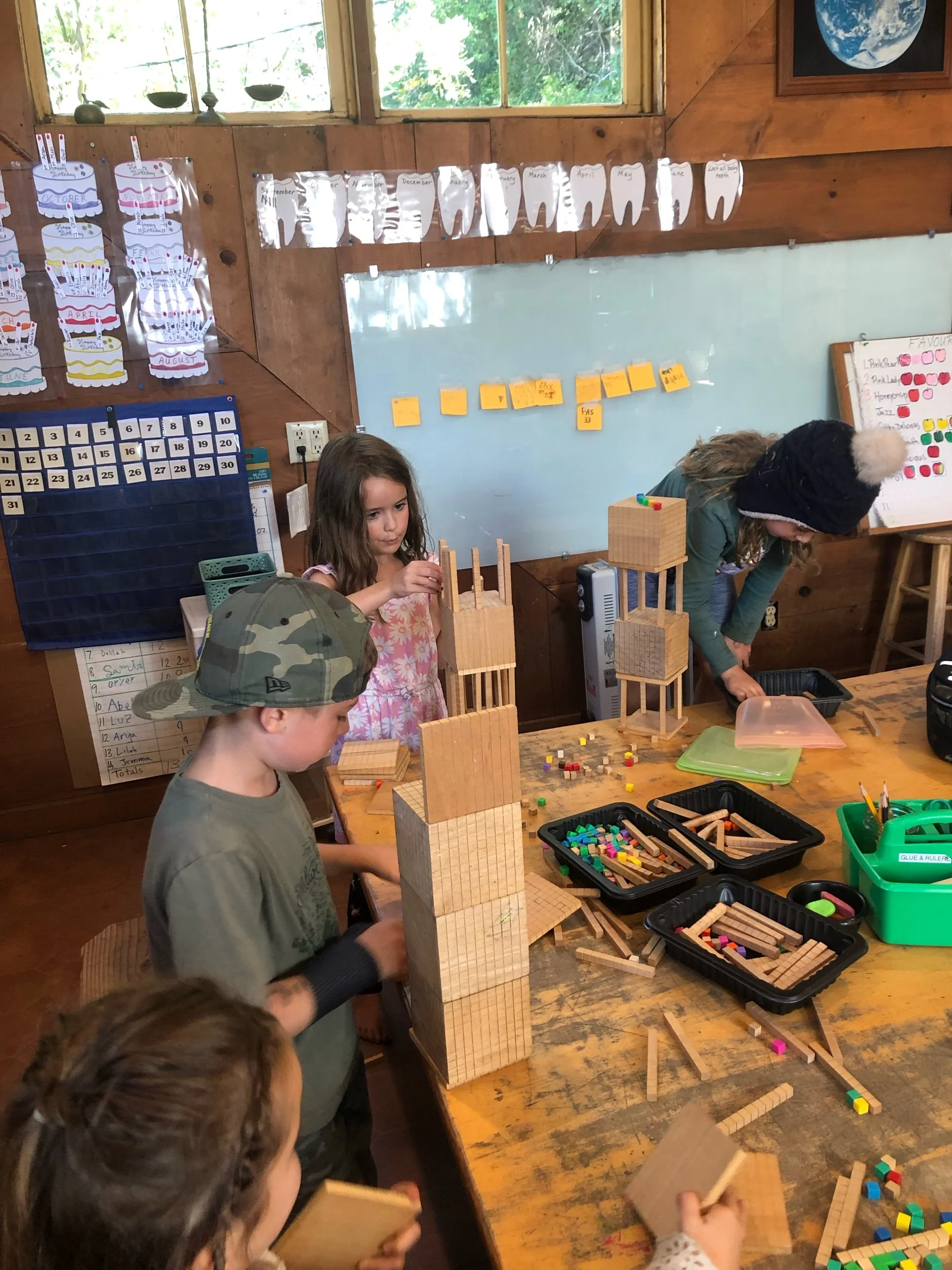
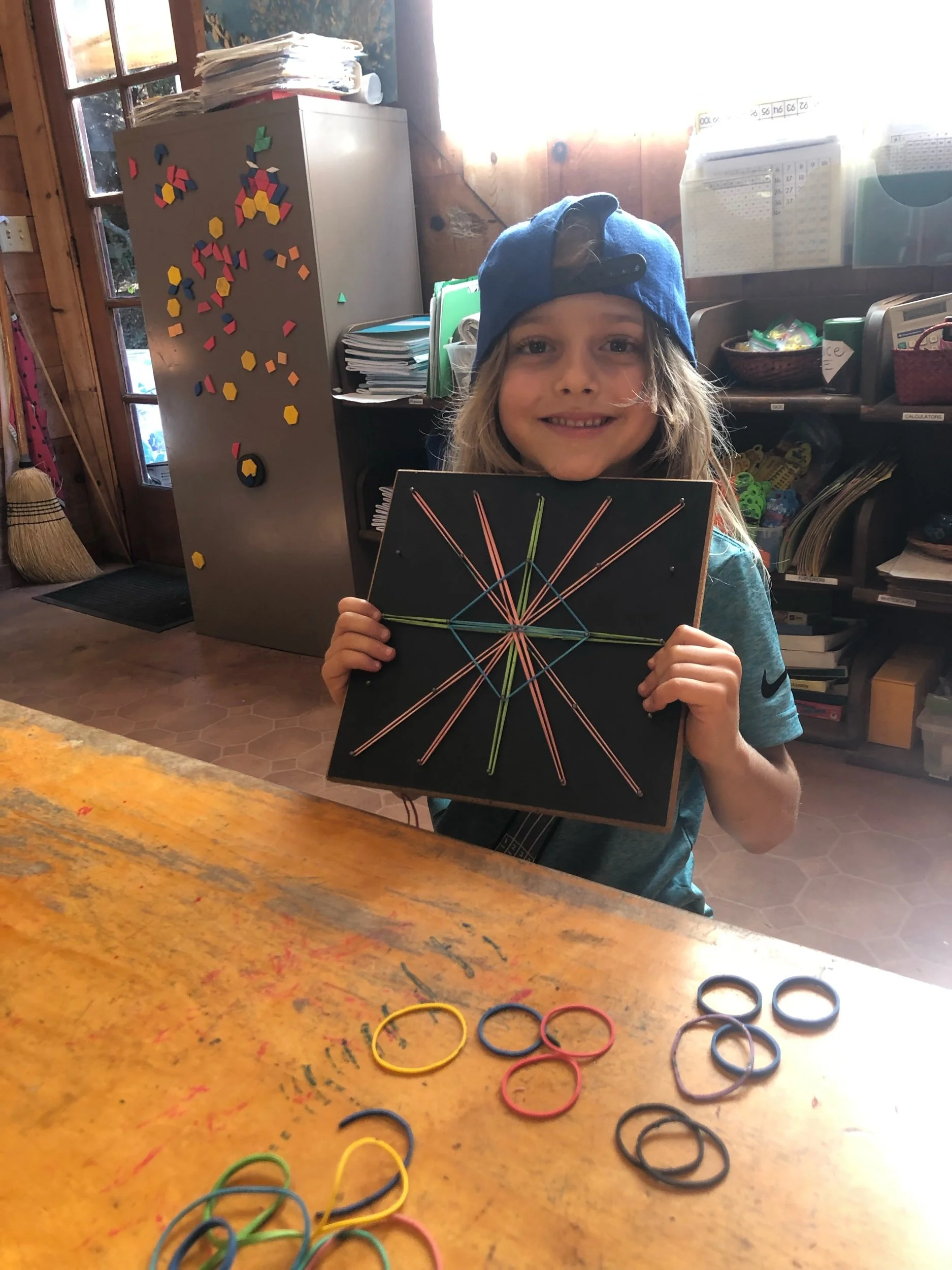
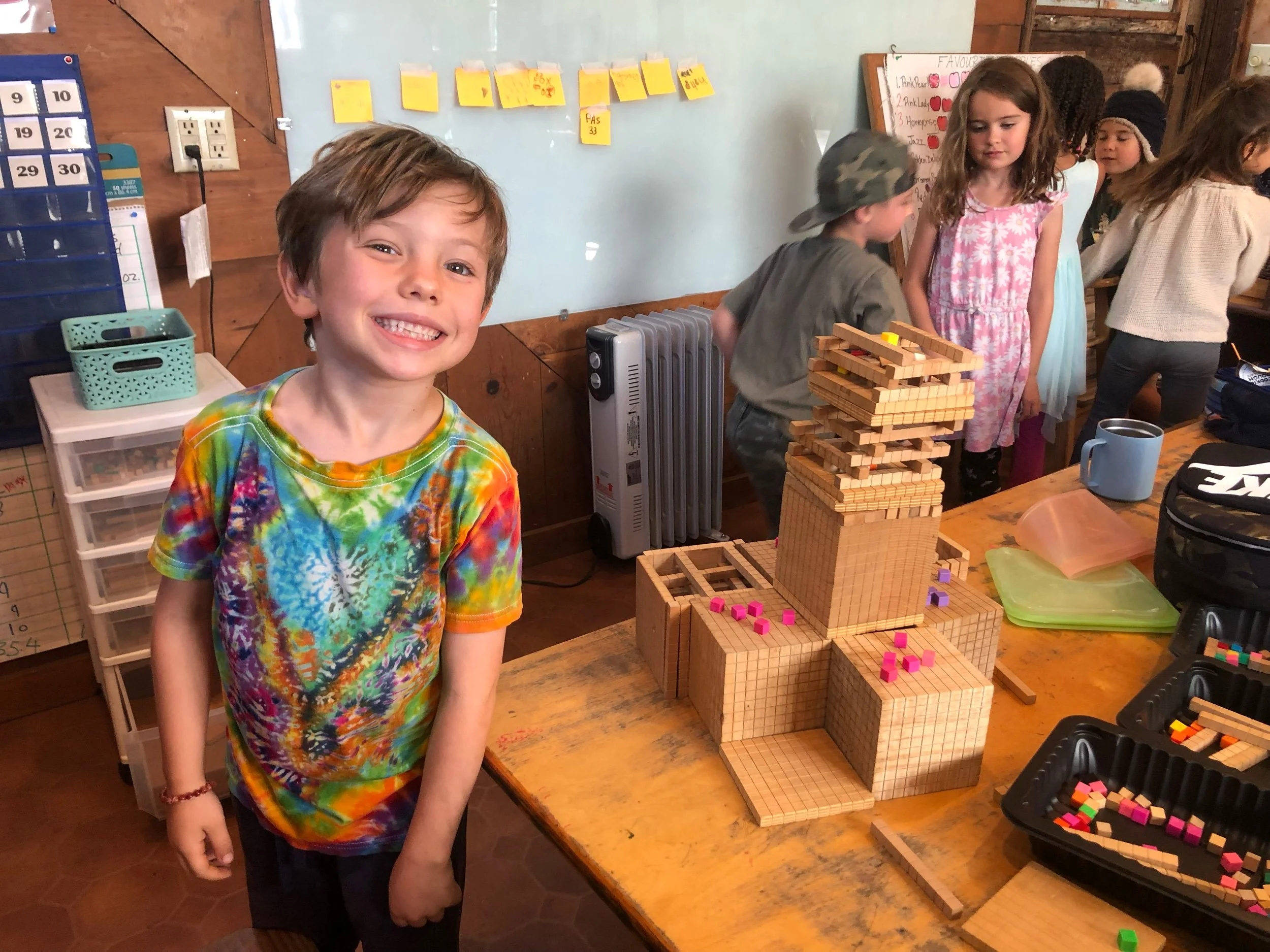
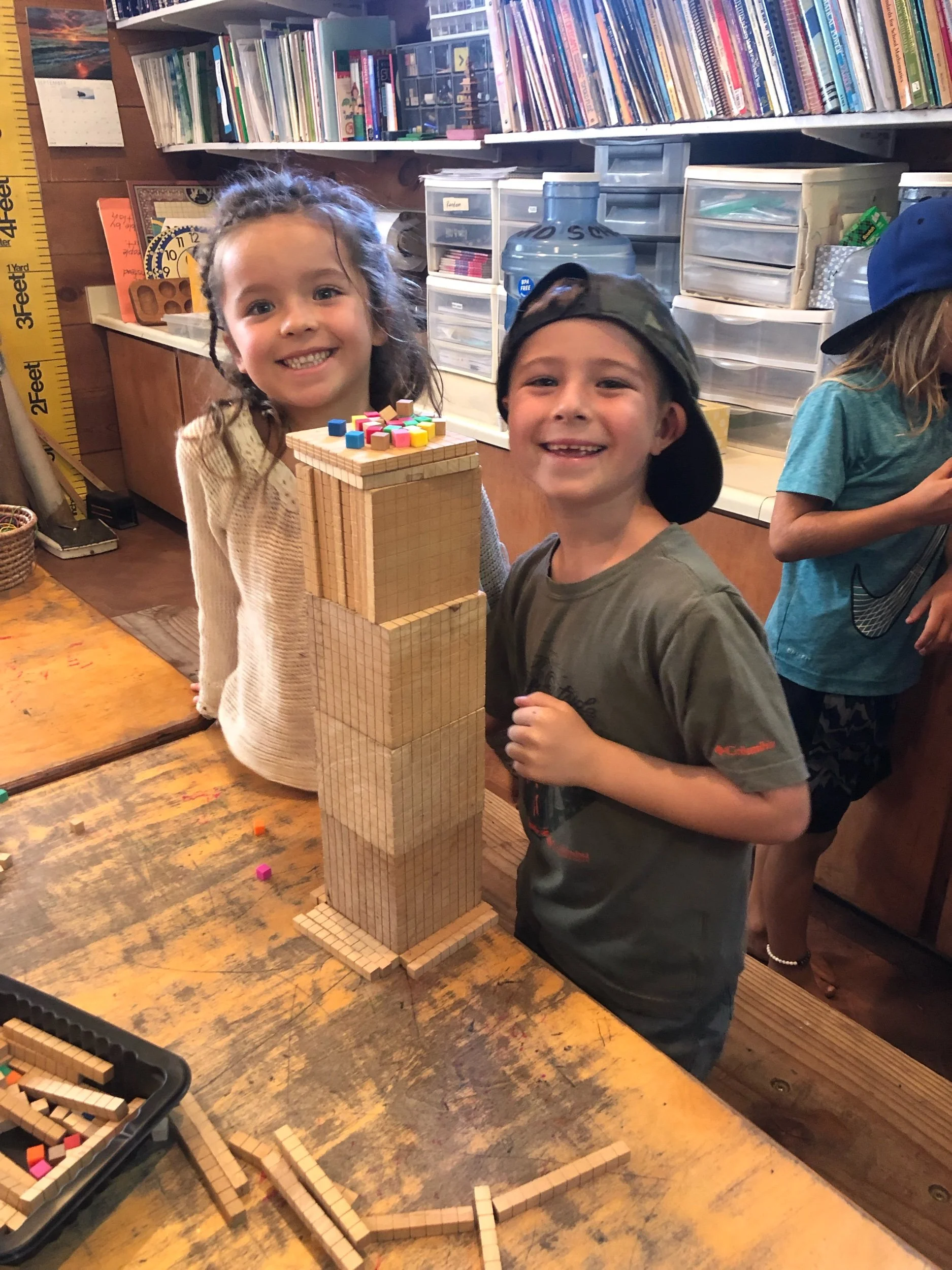
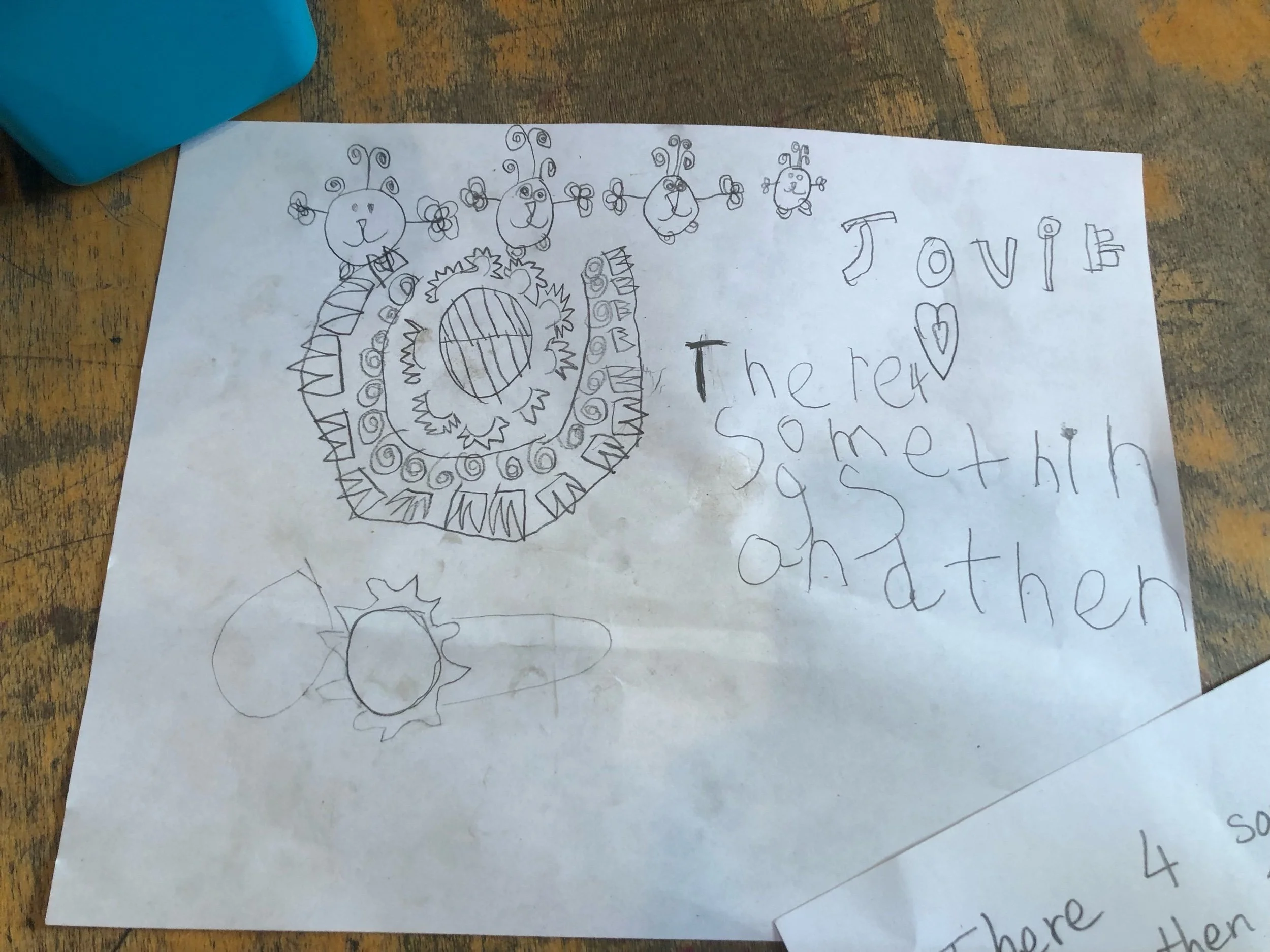
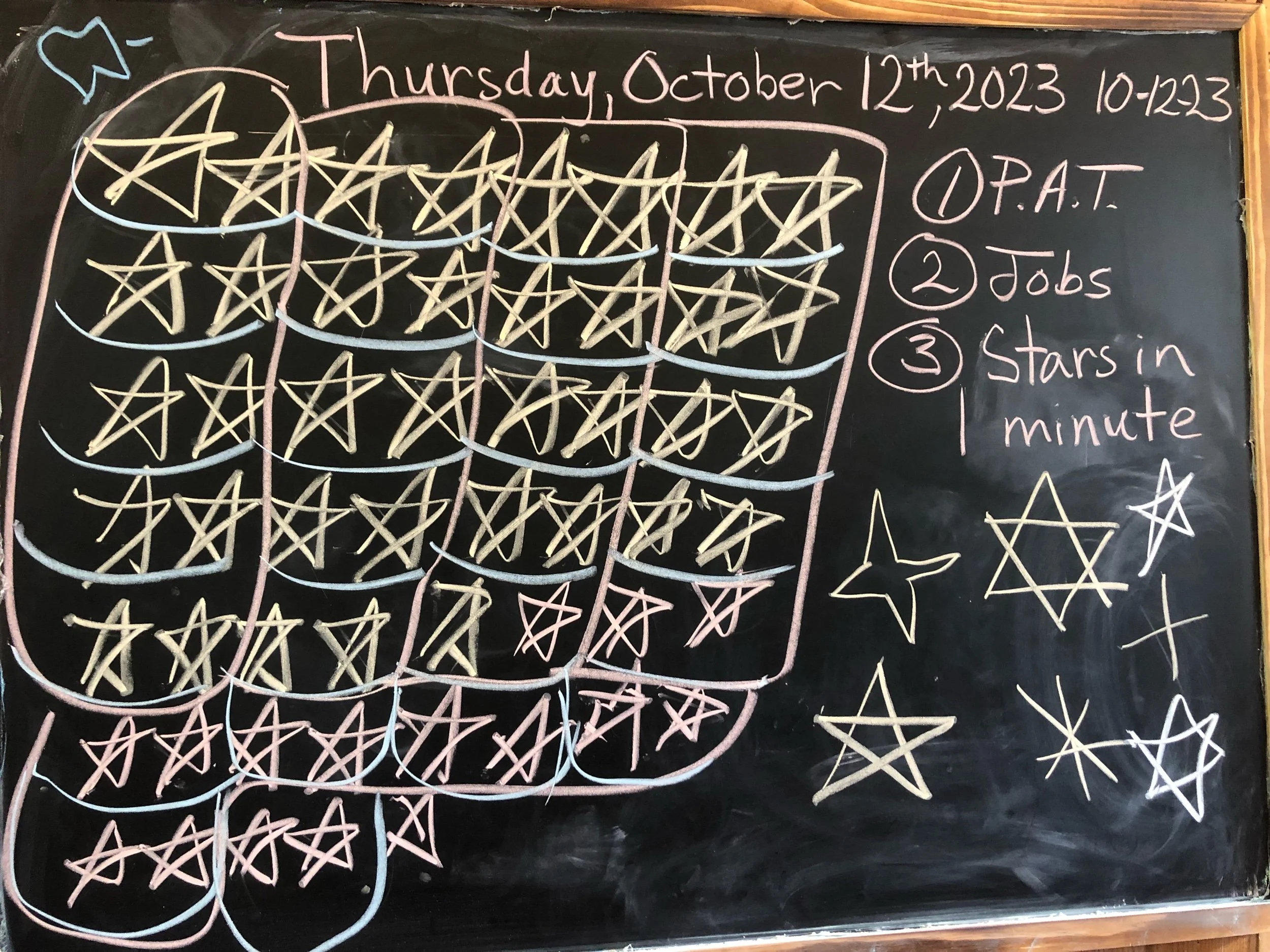
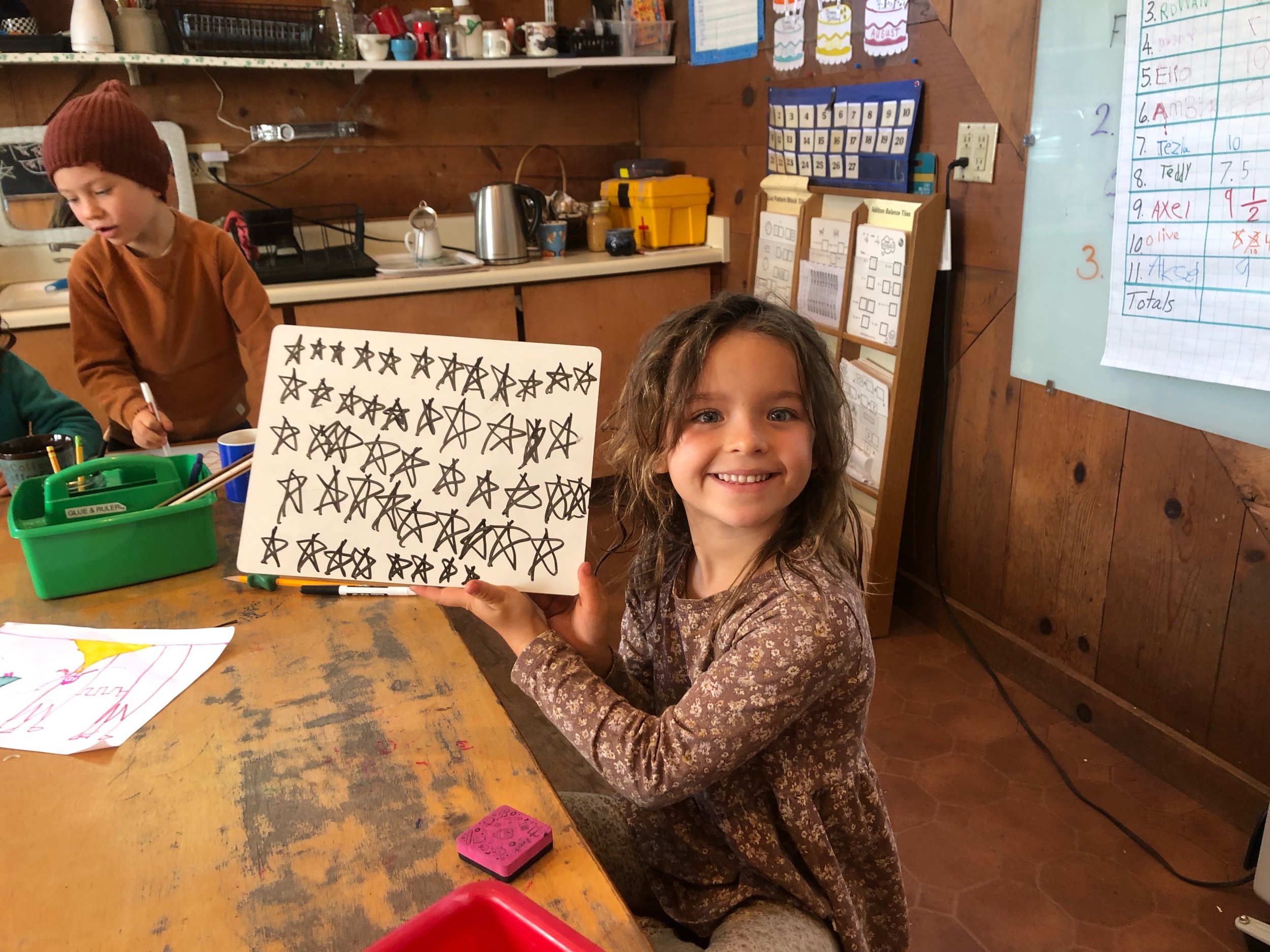
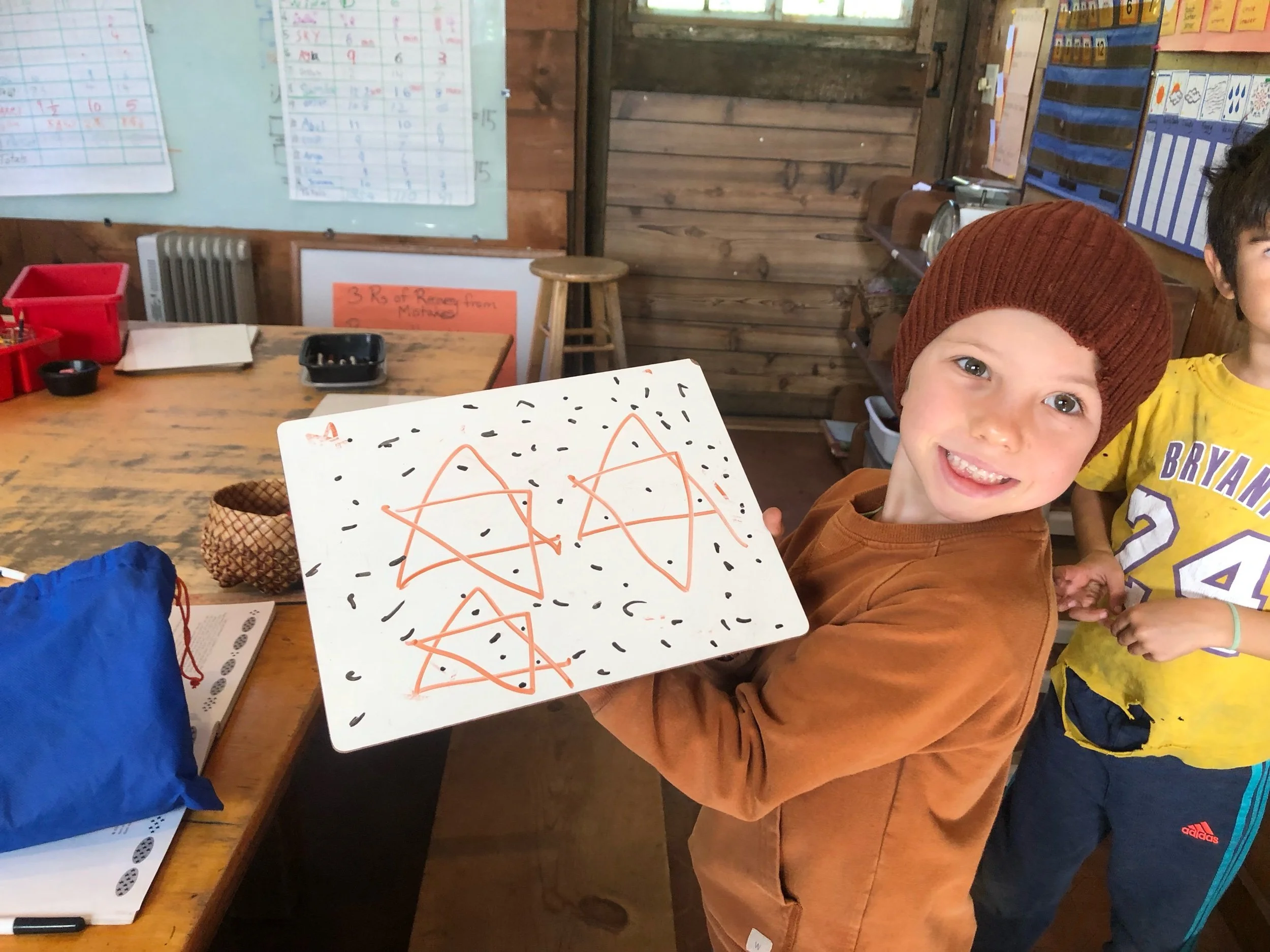
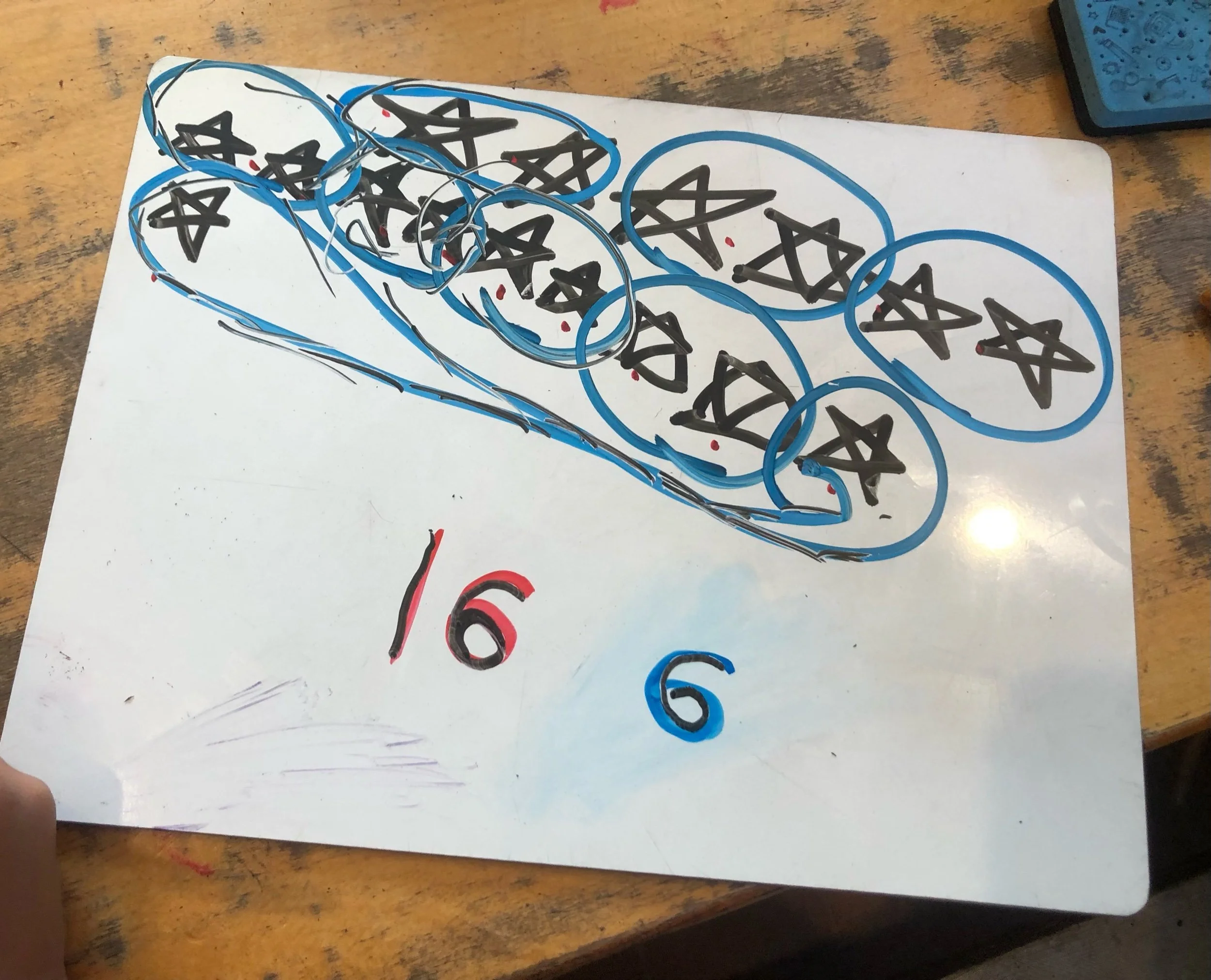
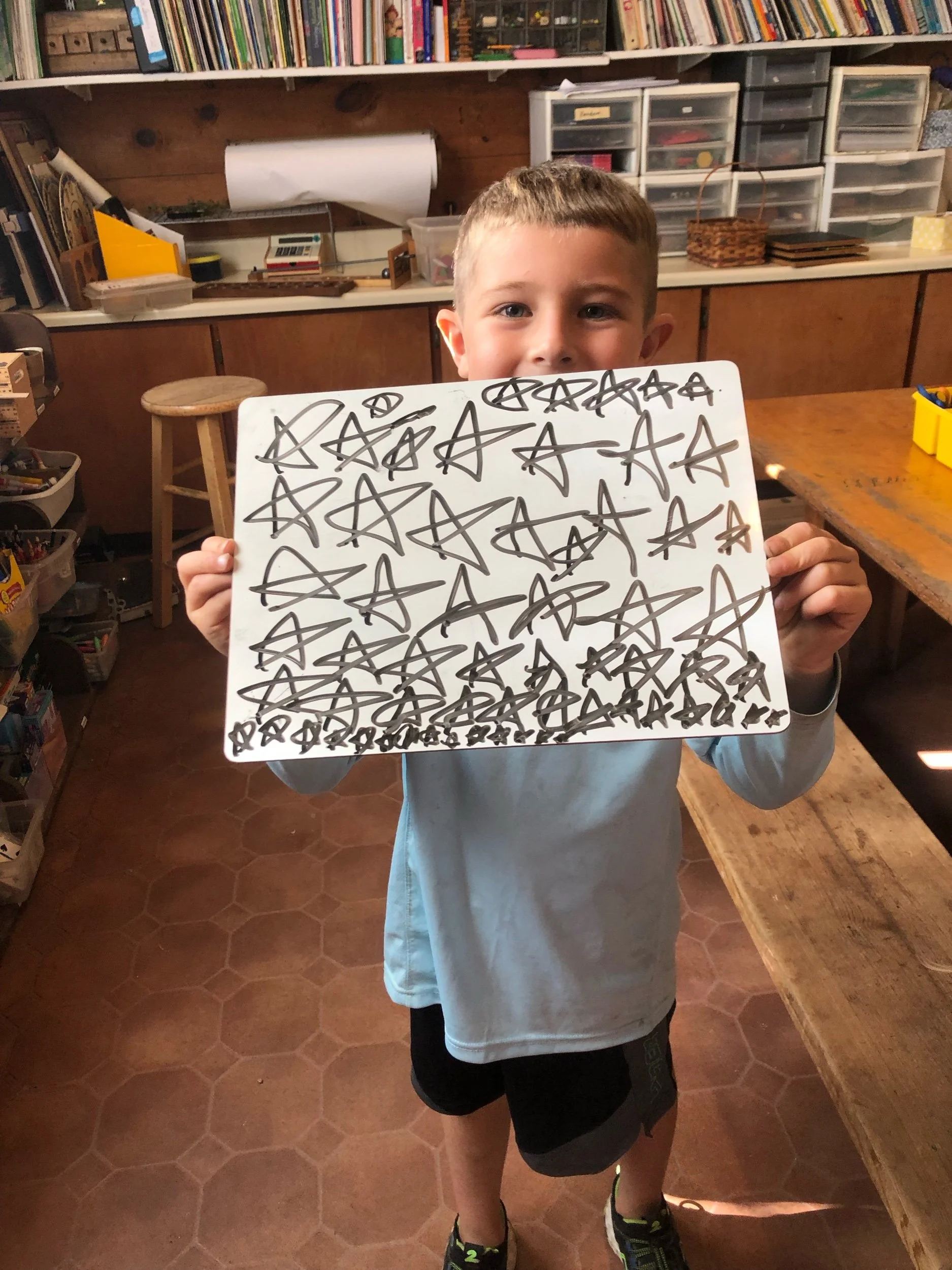
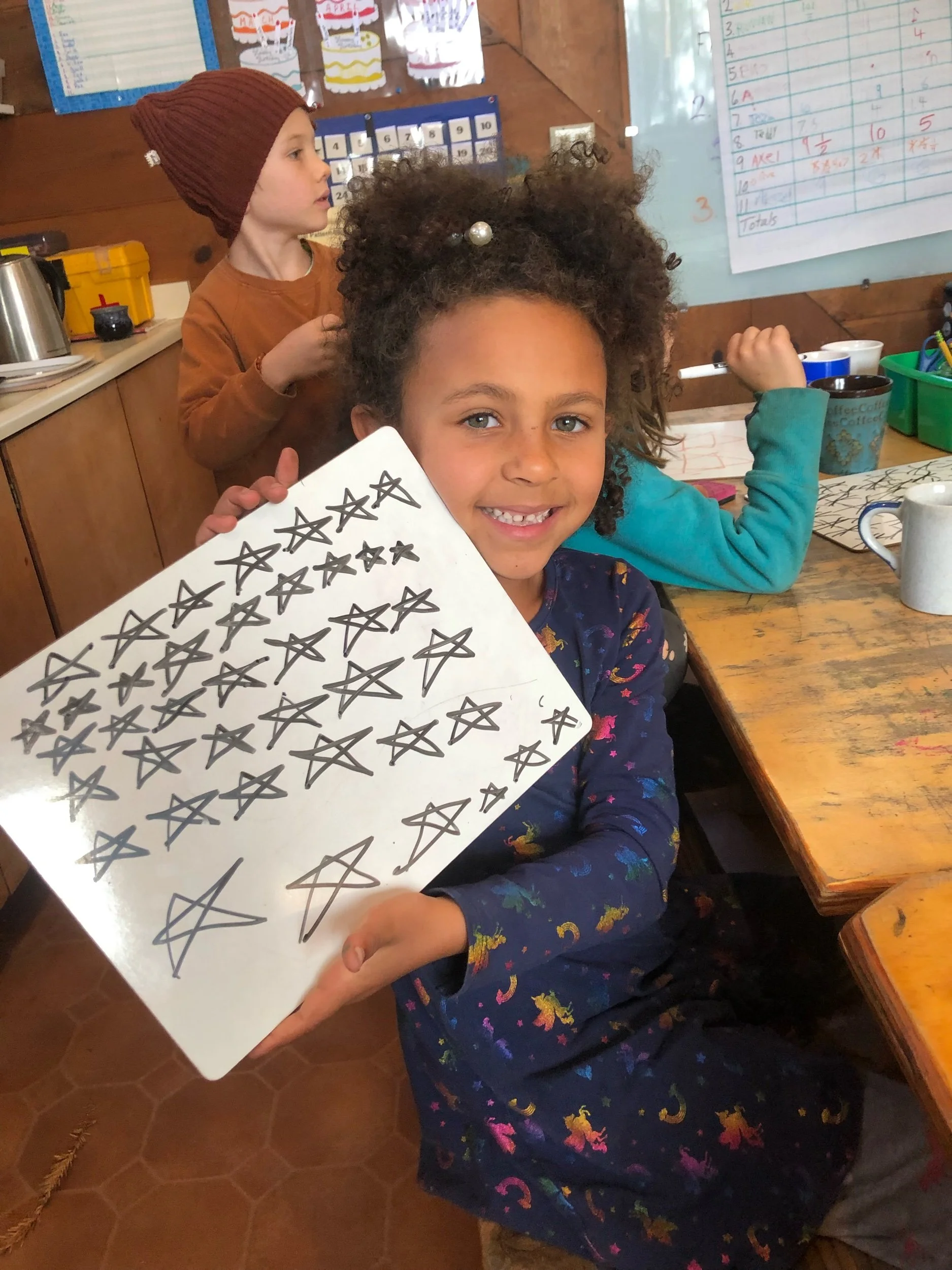
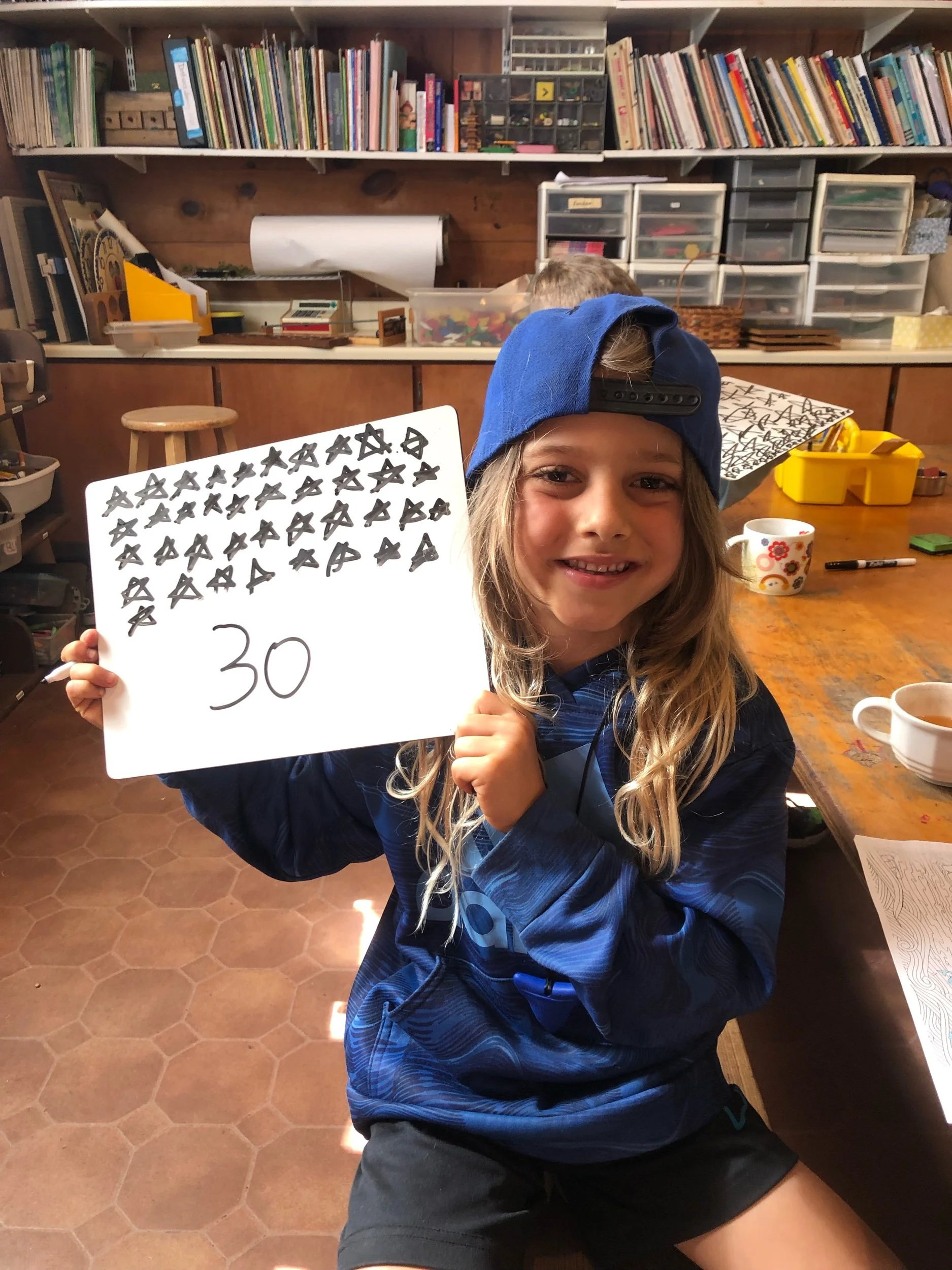
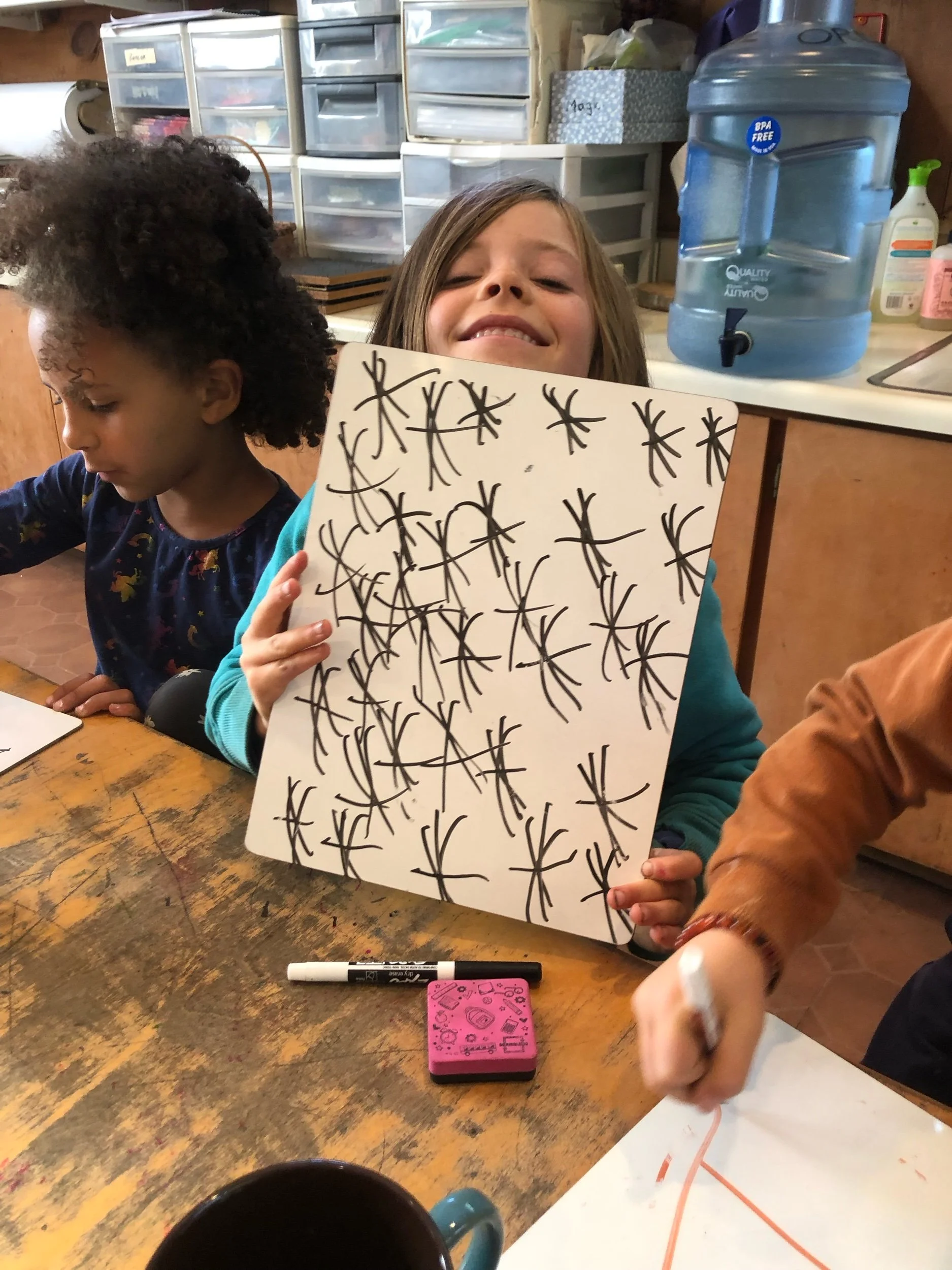
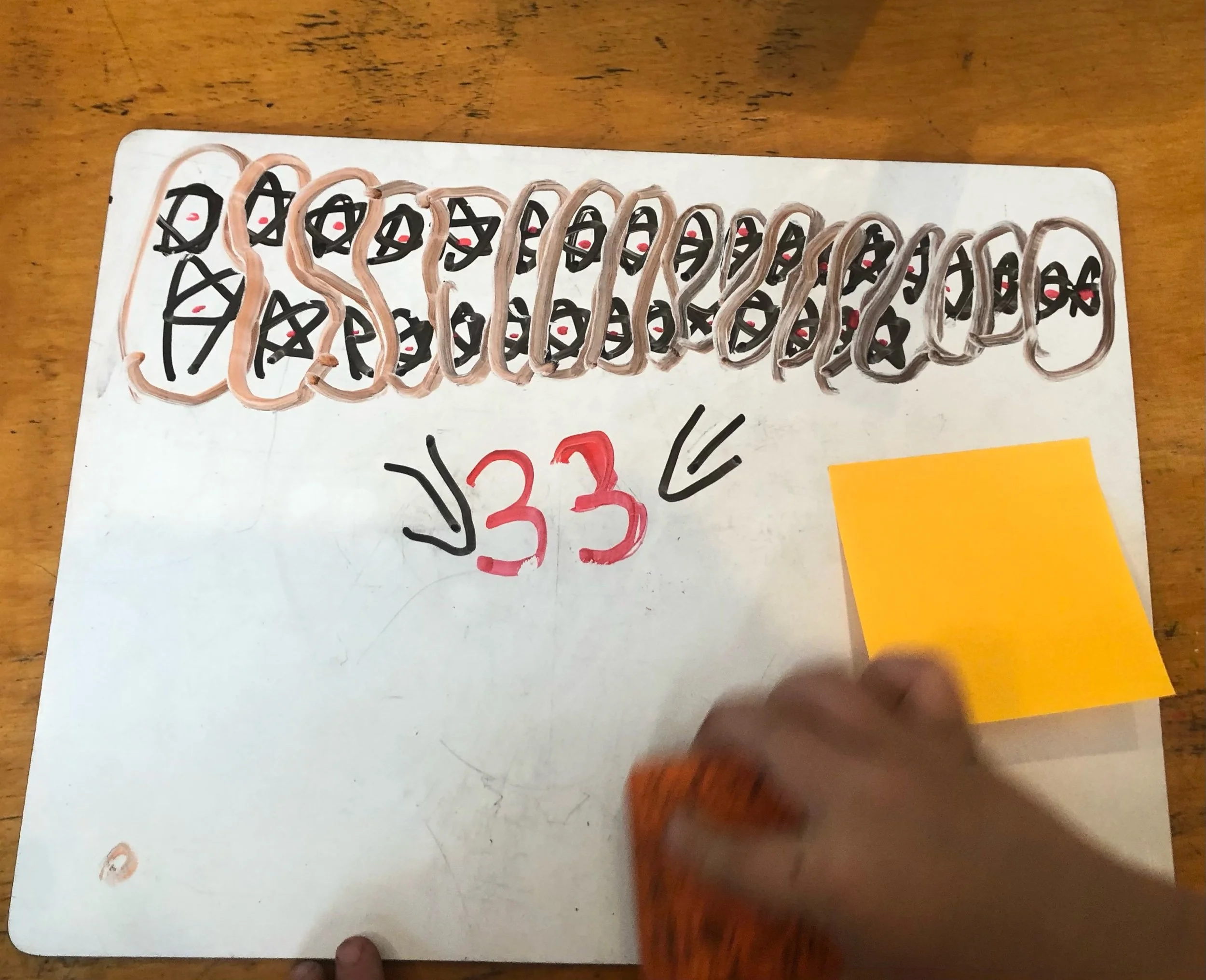
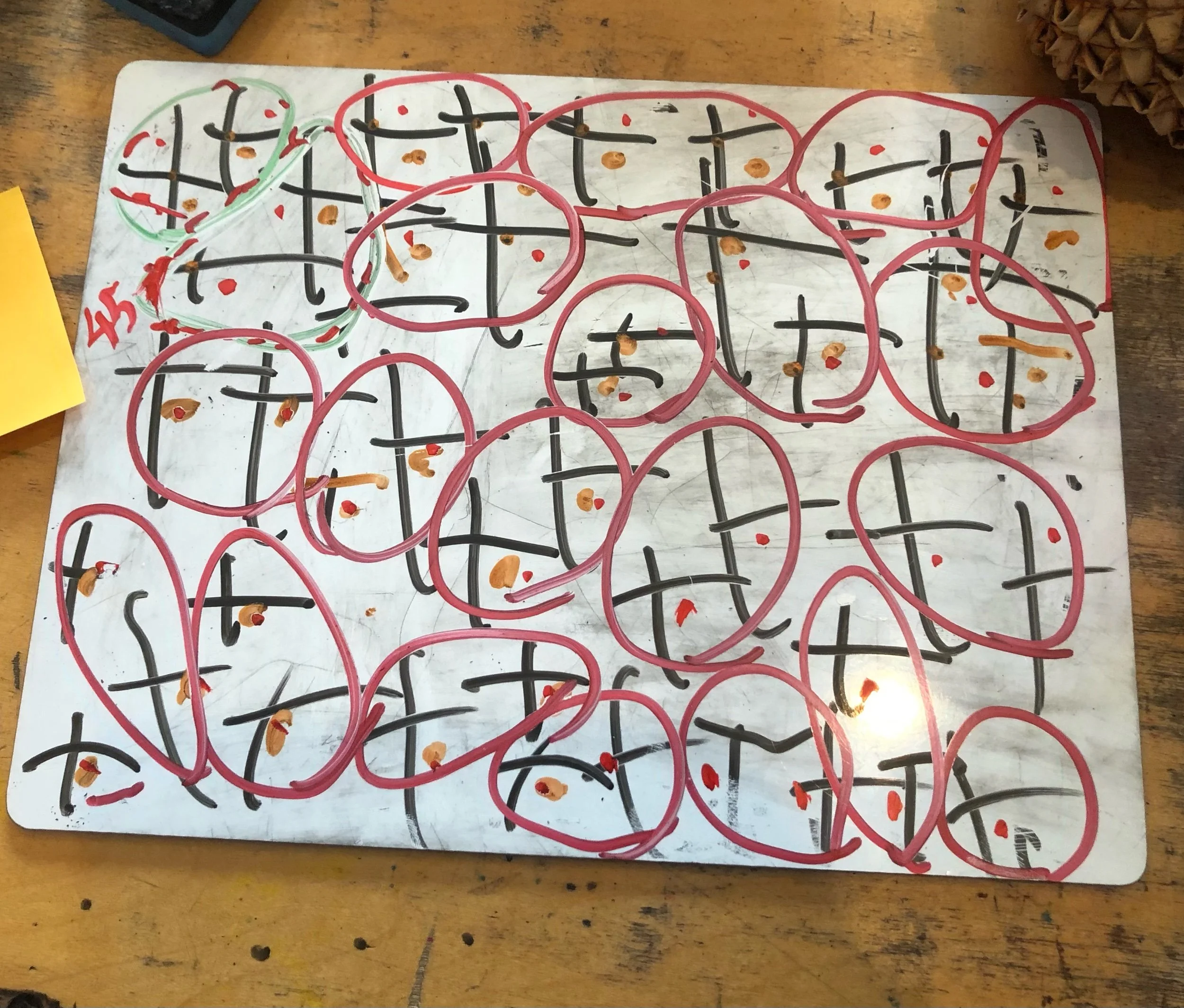
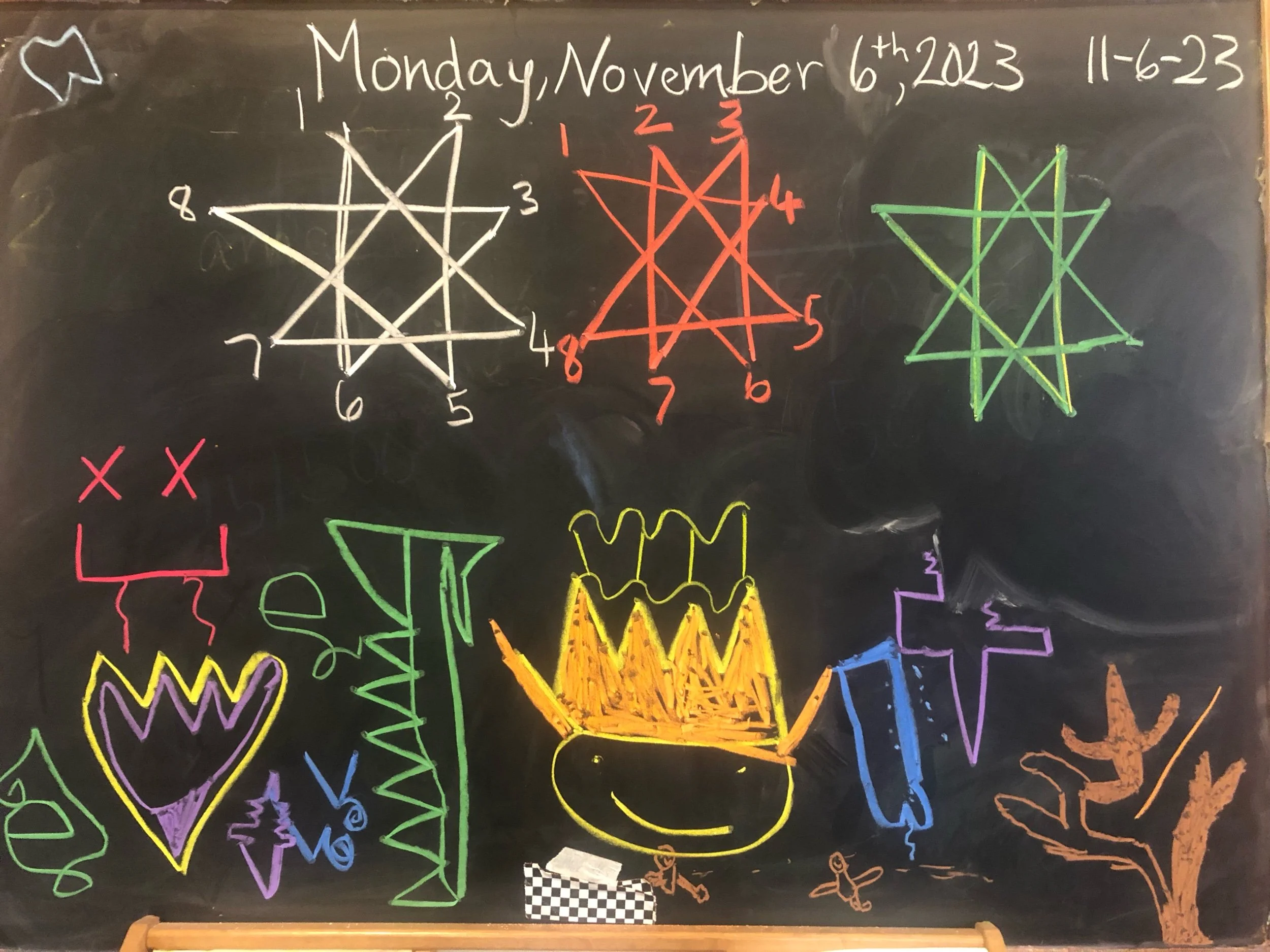
We are working on place value and began with an activity known as Stars in One Minute, in which students explored the concept of one minute and timed me drawing as many stars as I could in one minute. We counted my stars by 10s and then students were timed drawing as many stars as they could in one minute. They had to count their stars two ways, with options being by ones, twos, fives, or tens. I read the book Draw Me A Star by Eric Carle and students learned to draw eight pointed stars (they may have brought home instructions on how to draw an eight pointed star.) Currently, we are counting our pockets every day in activity known as How Many Pockets?; each of us puts one unifix cube in each of our pockets and then collectively we connect our unifix cubes into trains of ten and record how many tens and how many ones we have each day. In addition, I am reading The King’s Commissioners to them, a book about counting and place value.
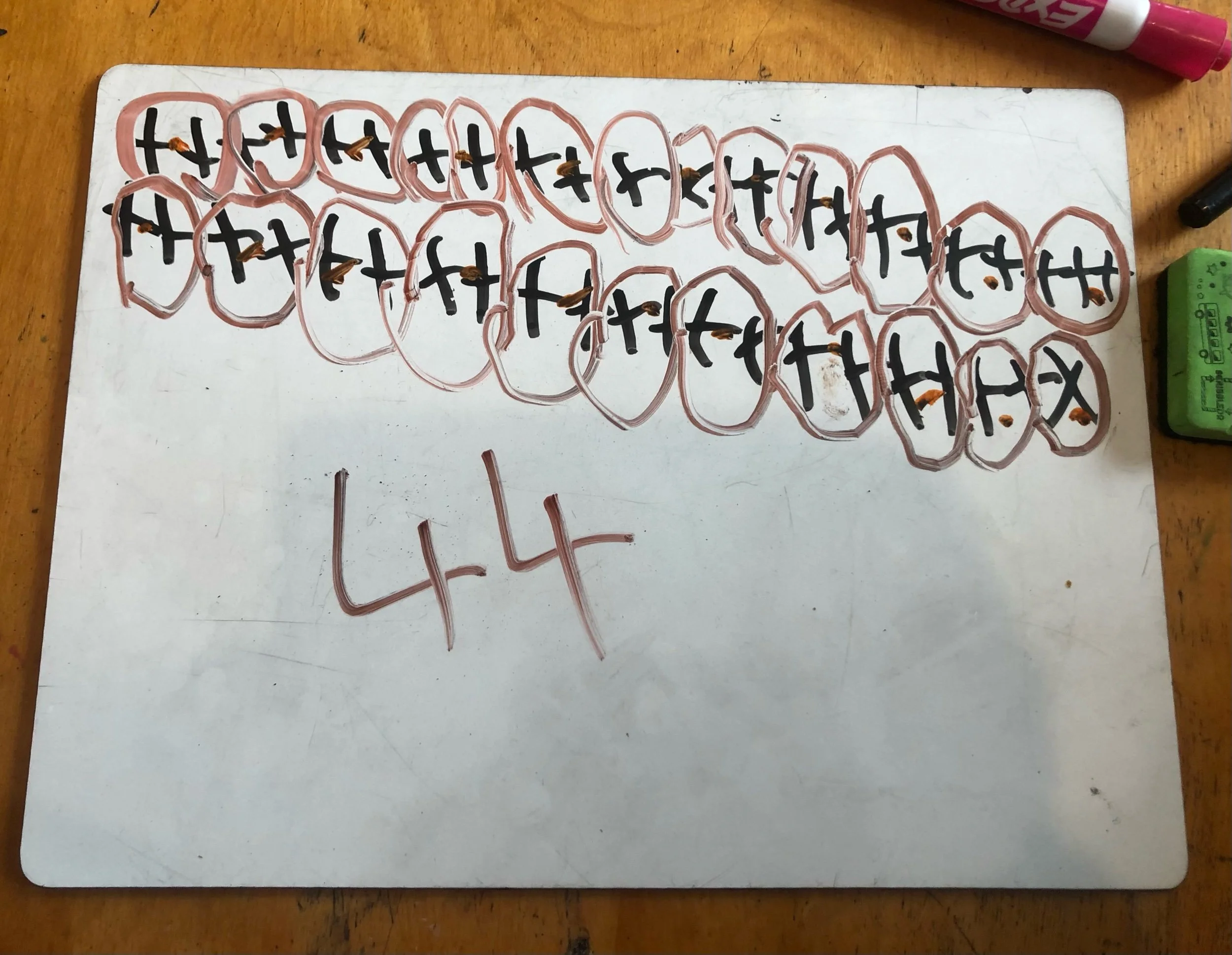
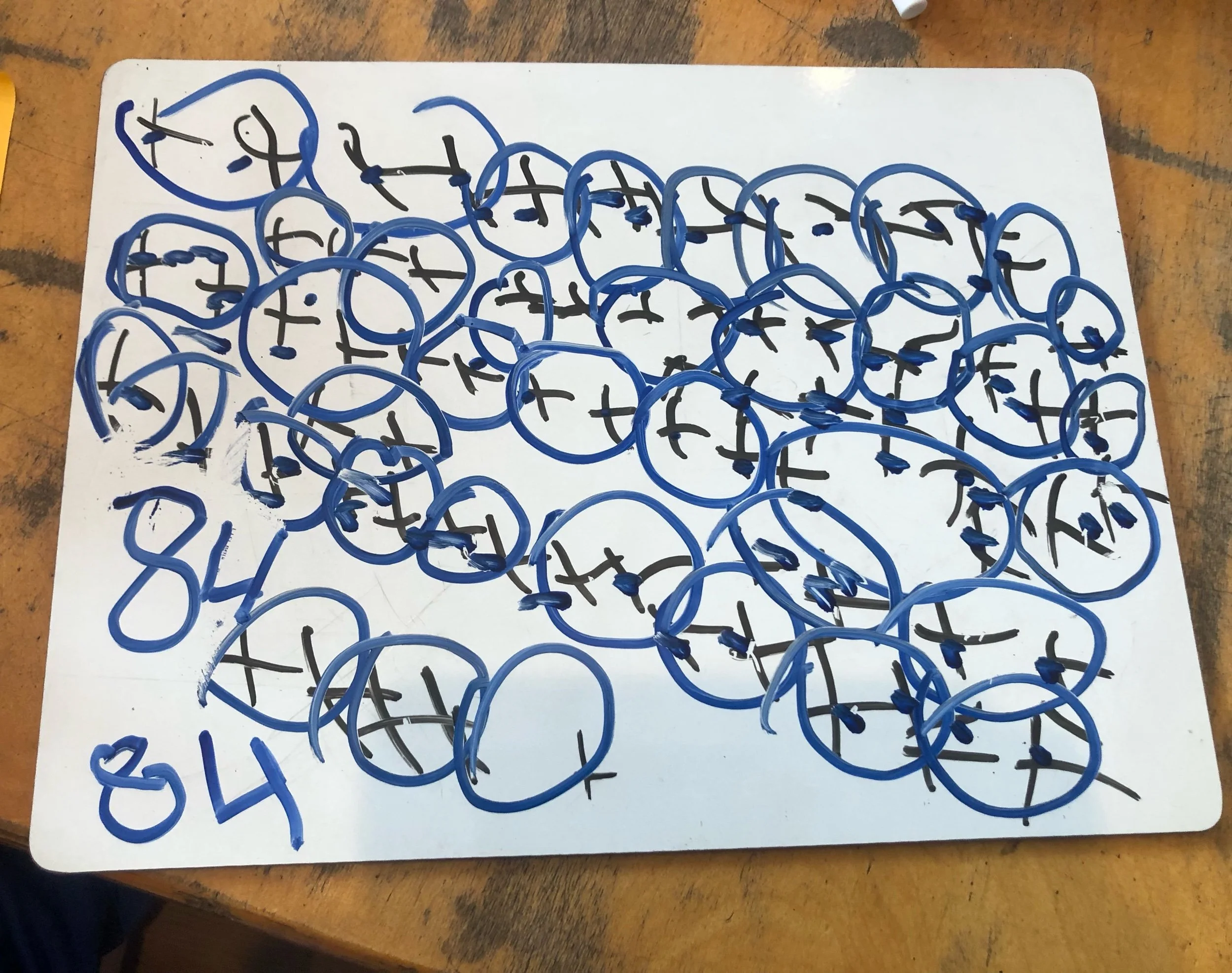
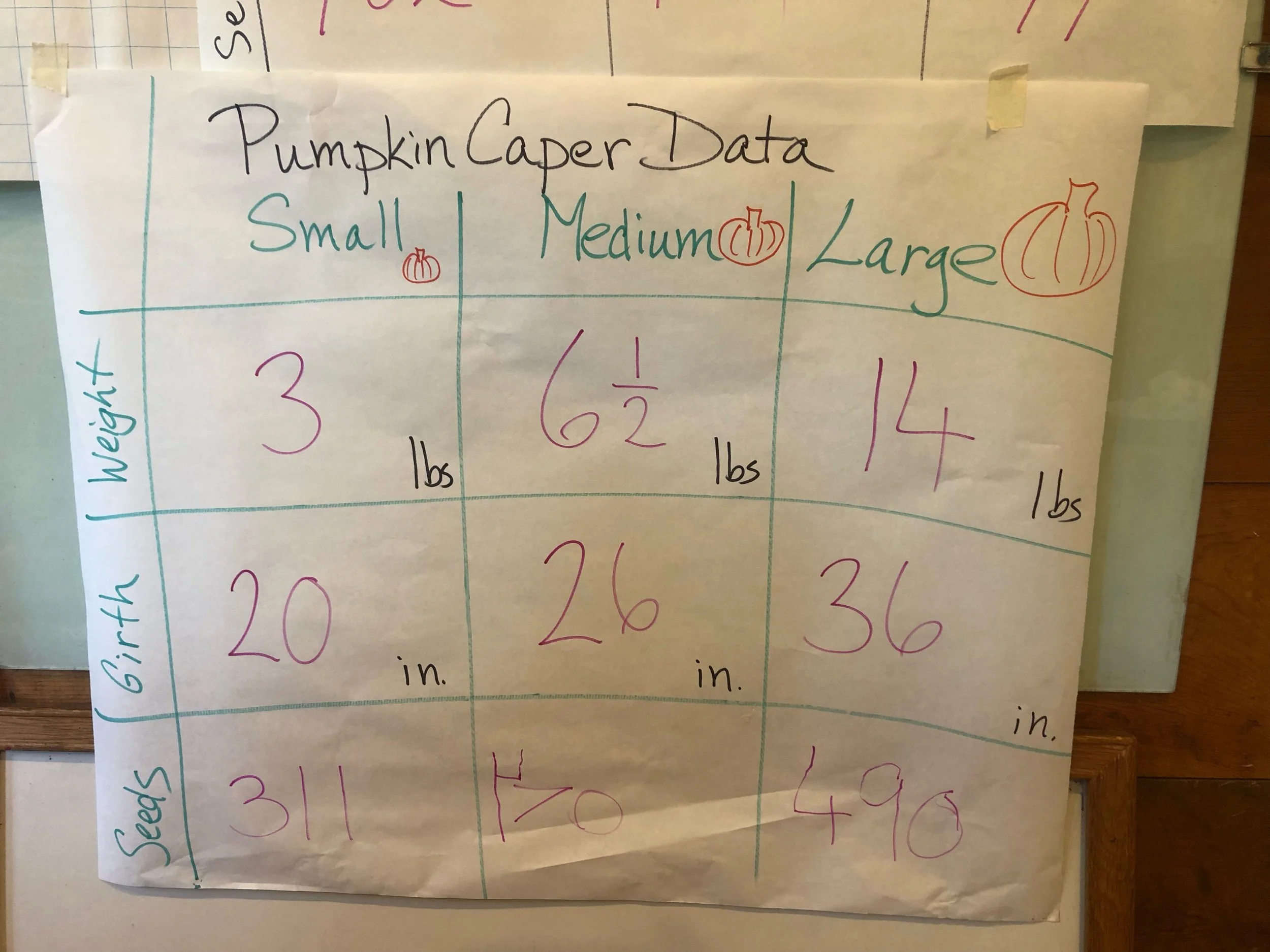
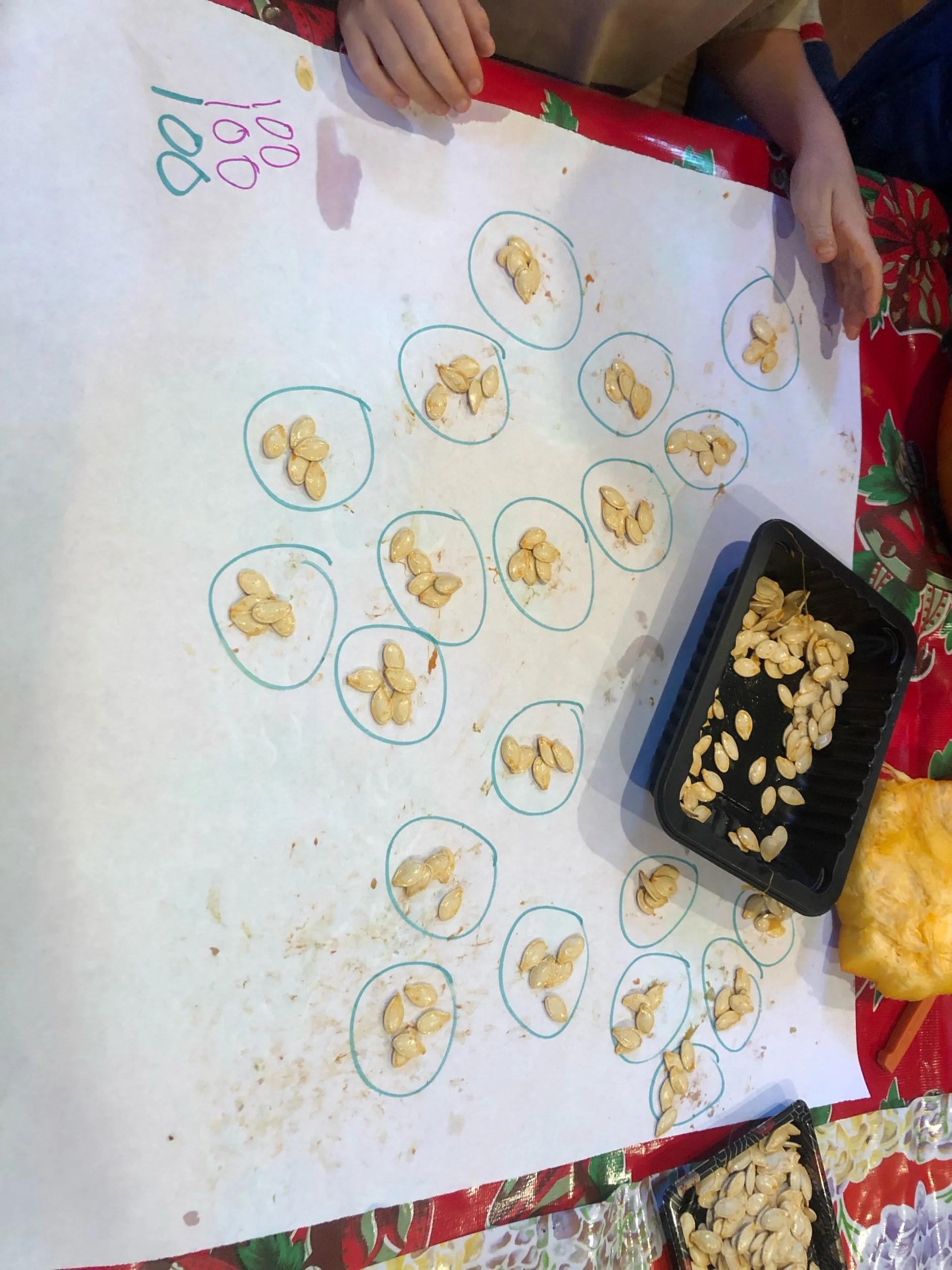
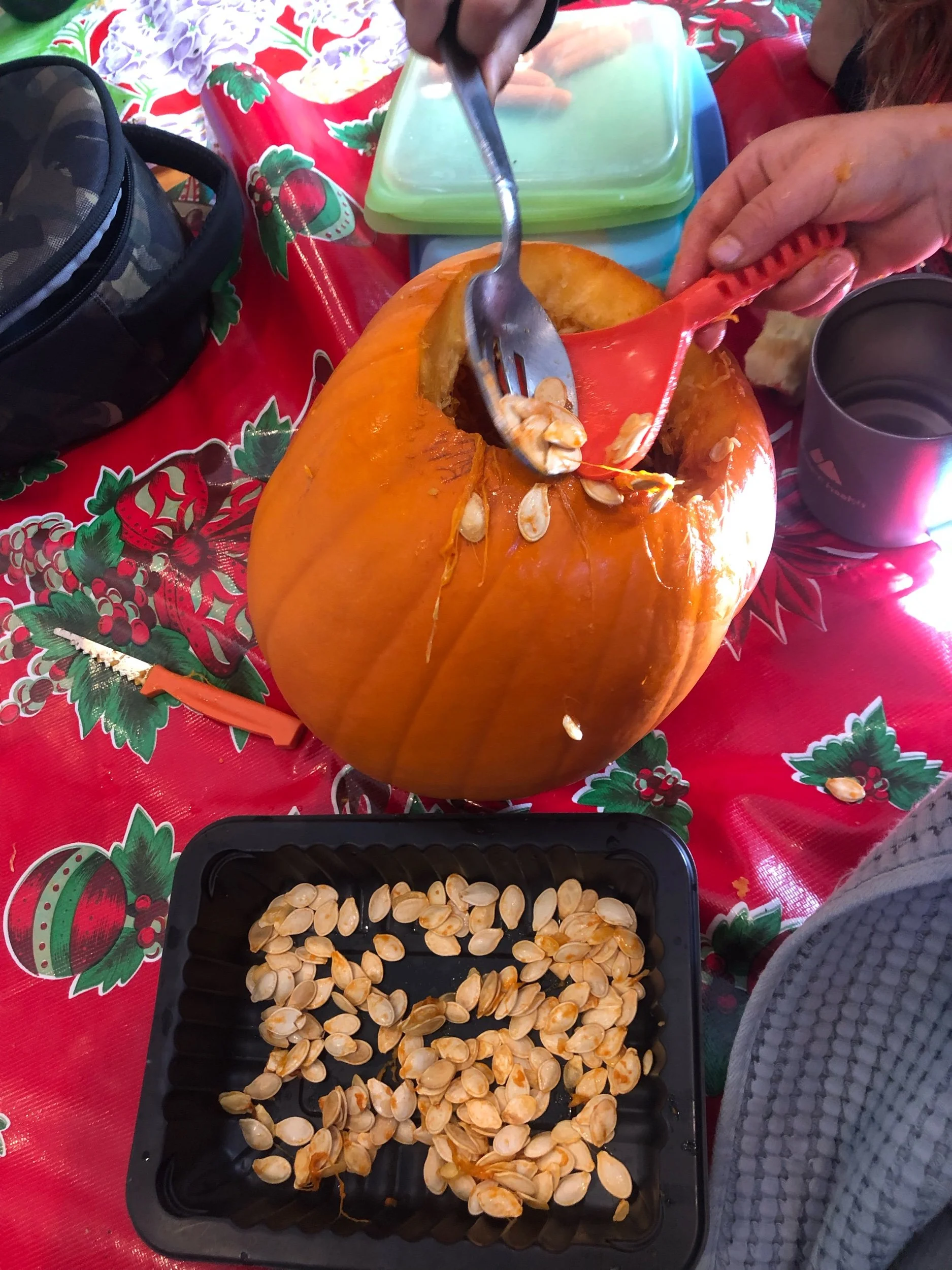
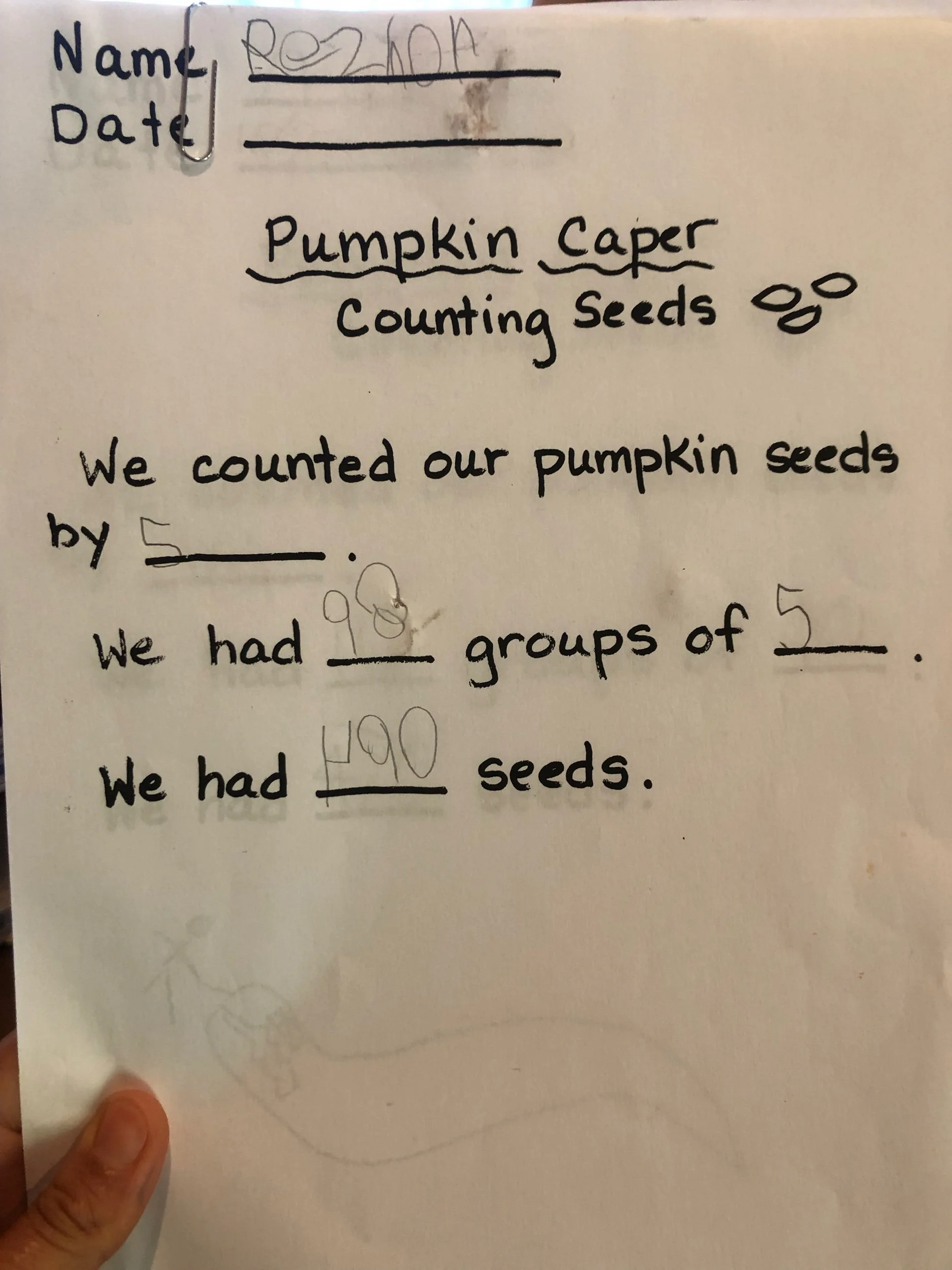
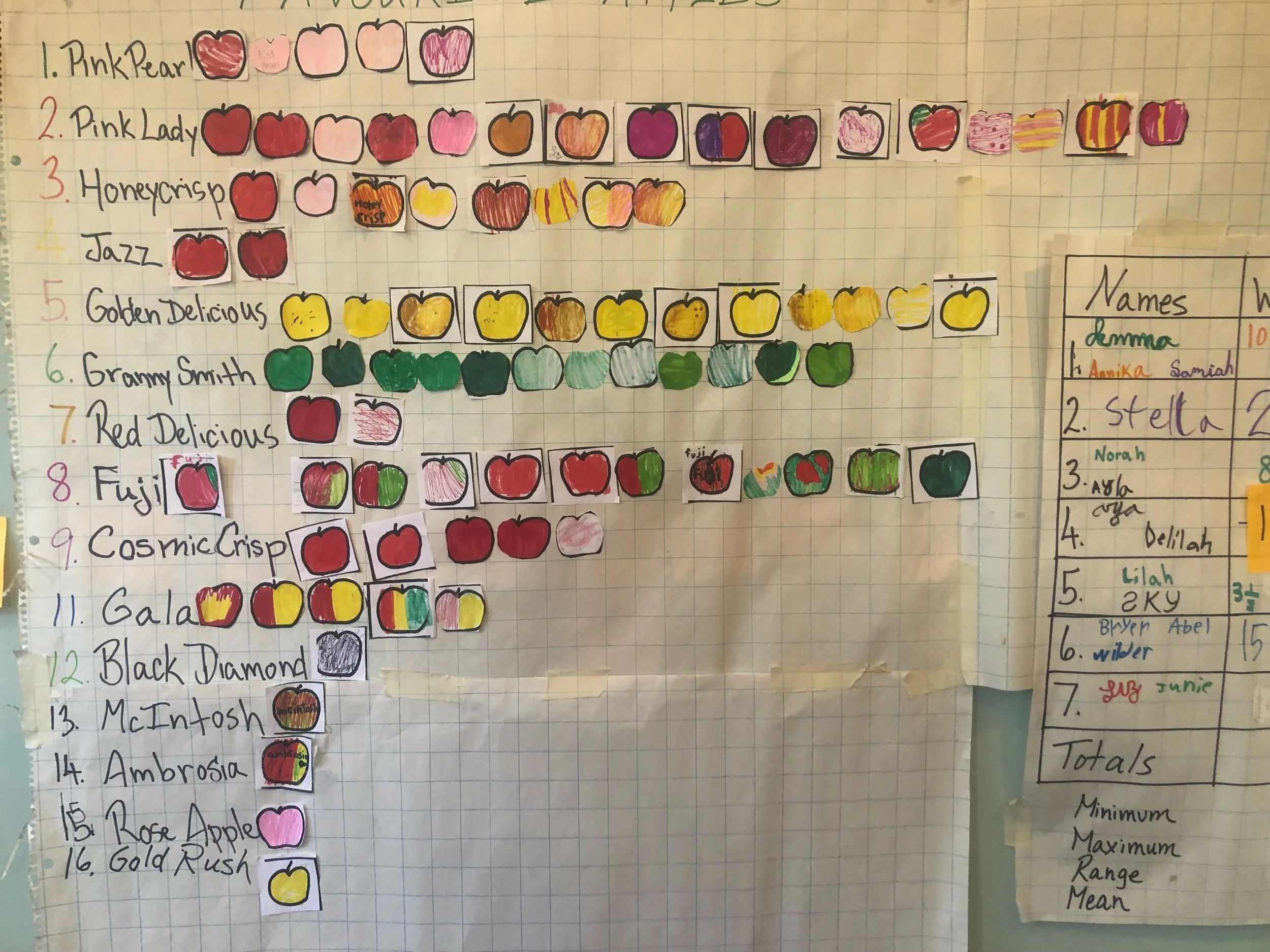
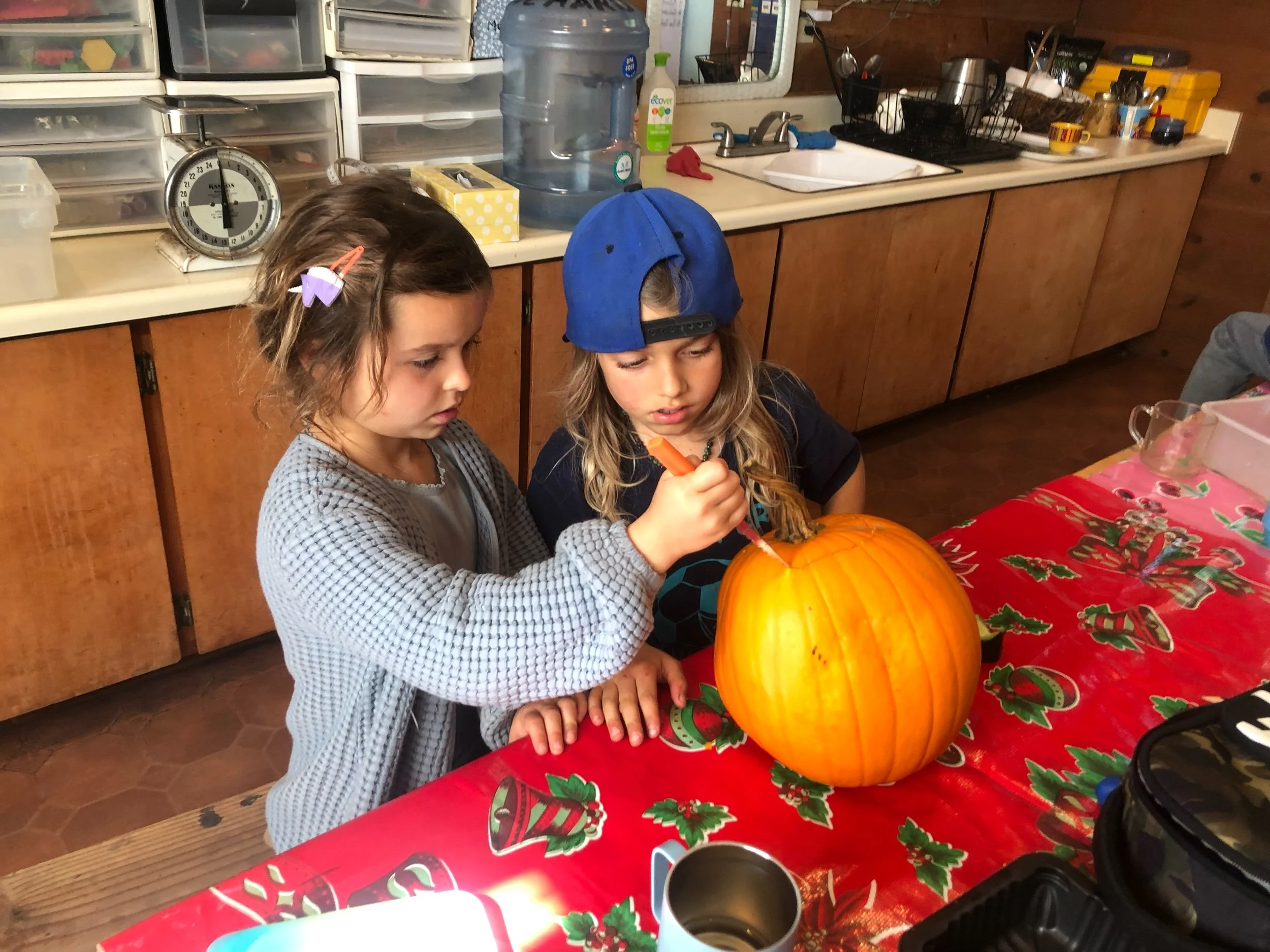
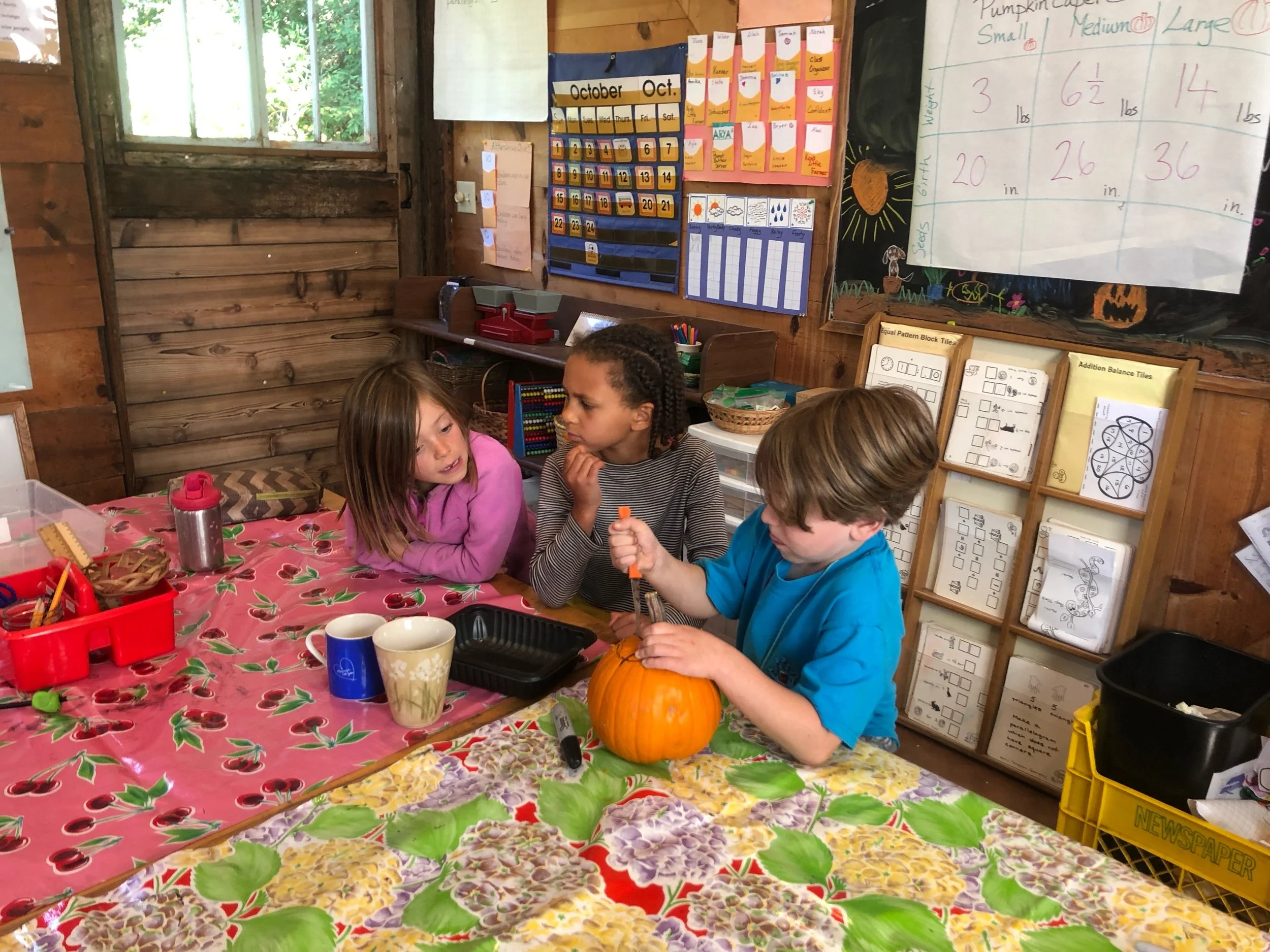
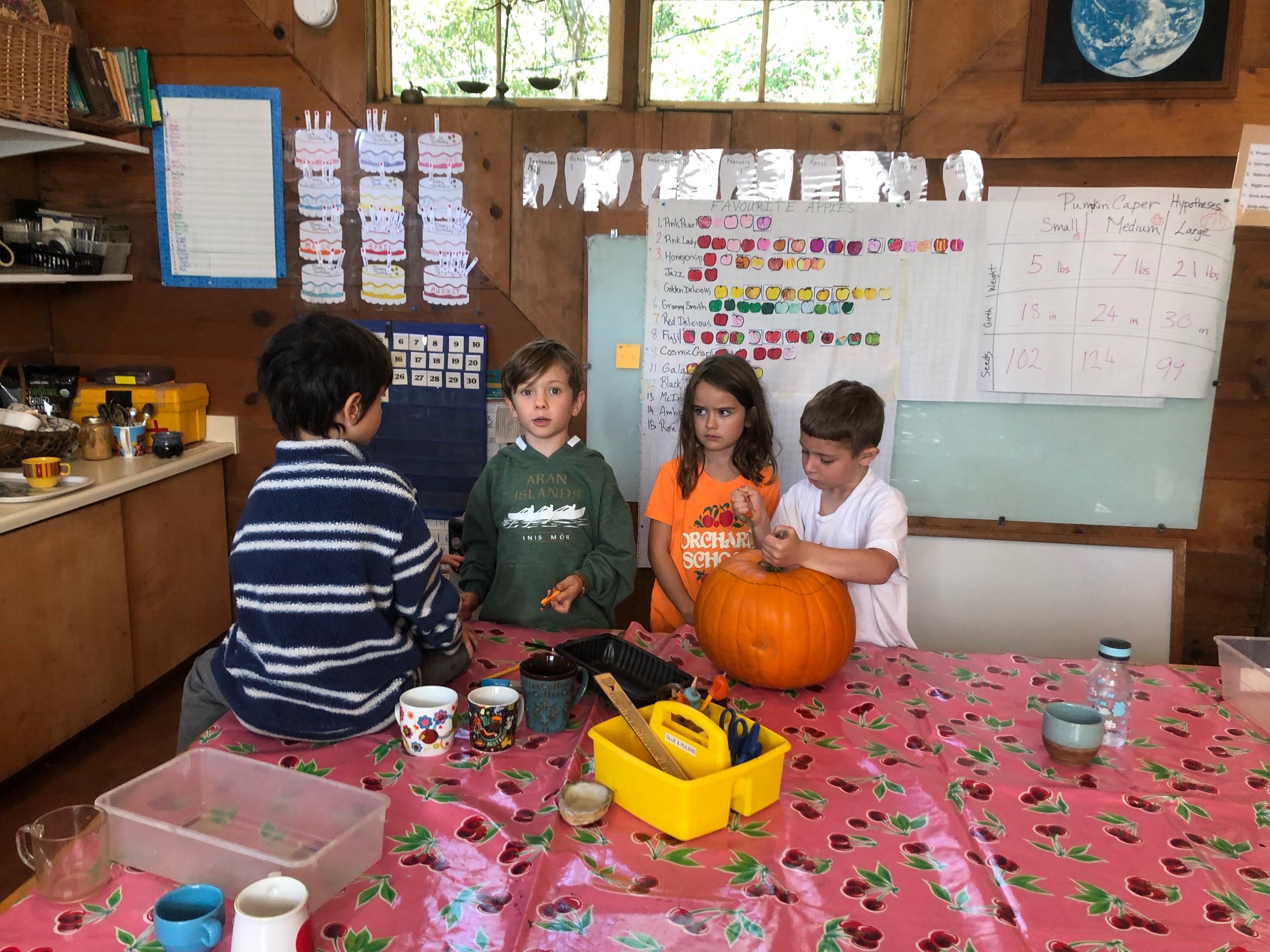
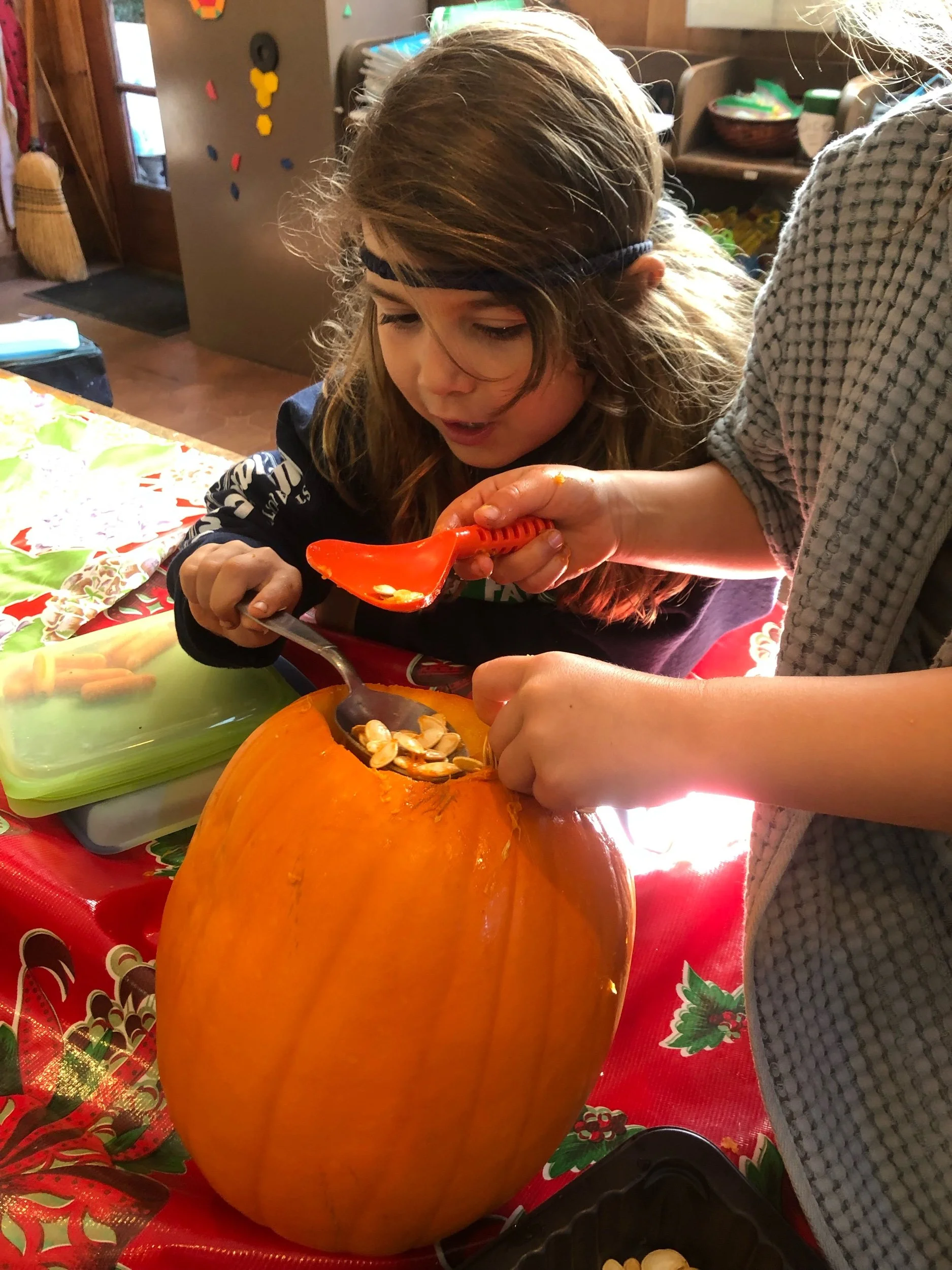
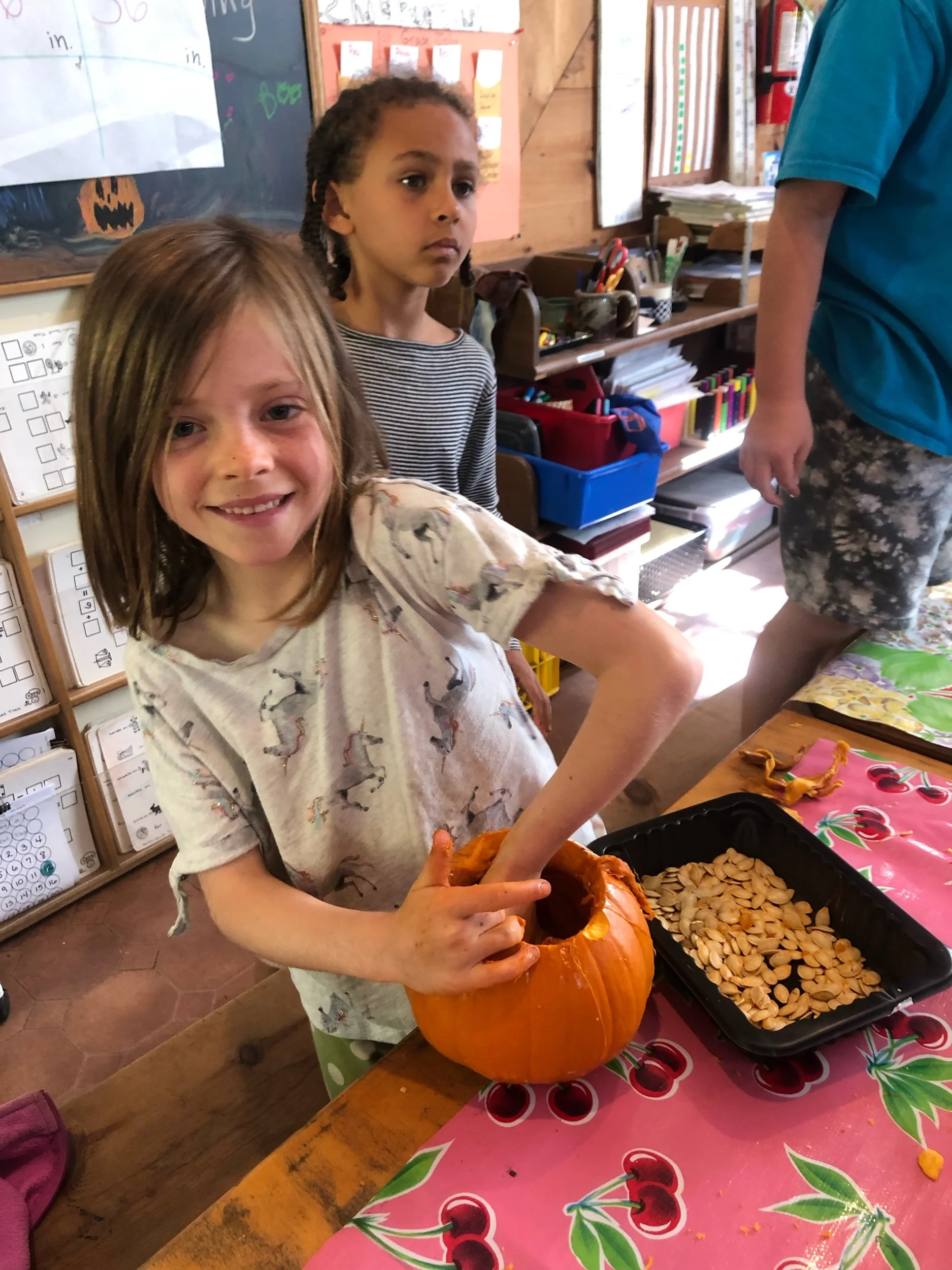
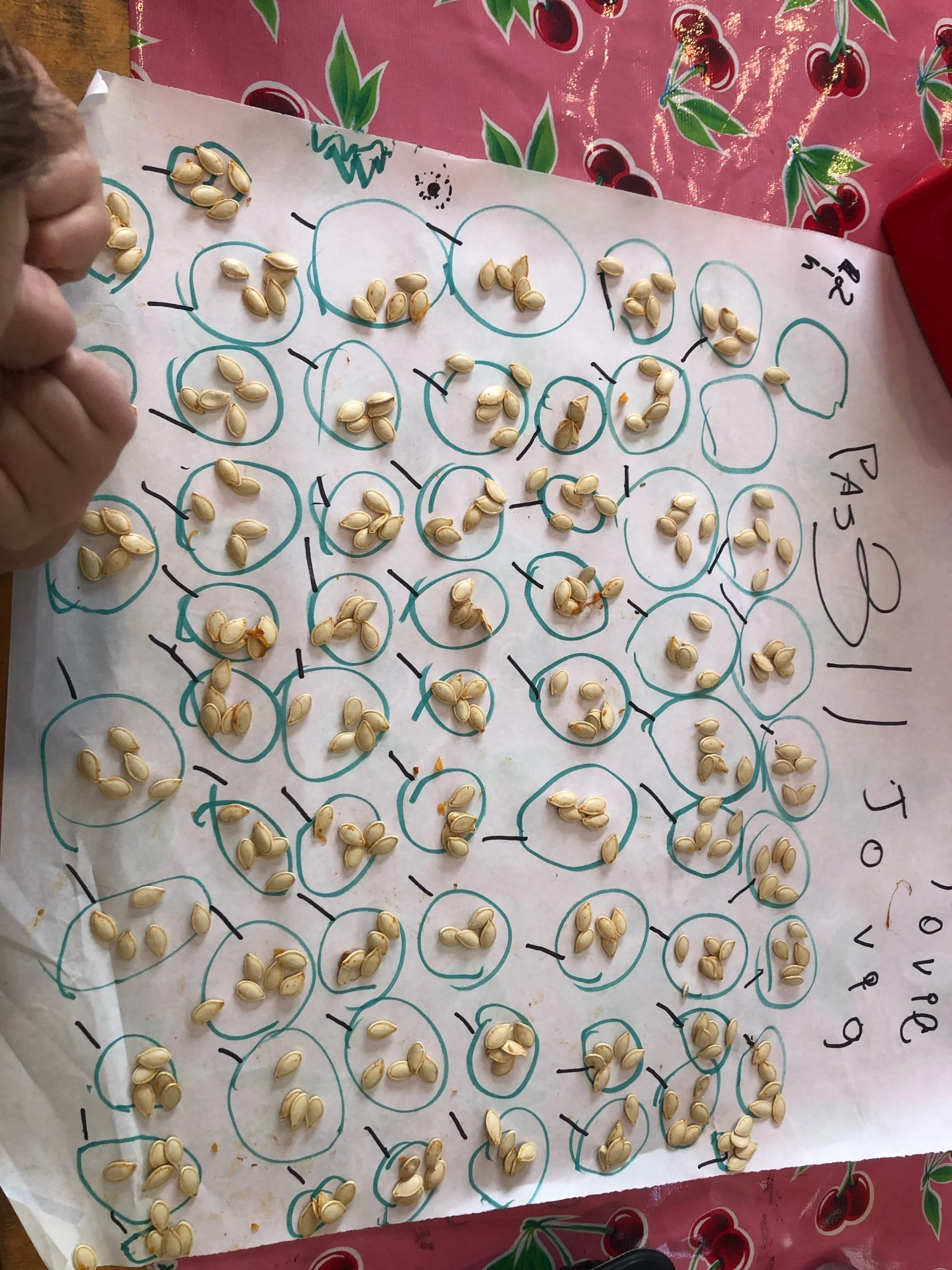
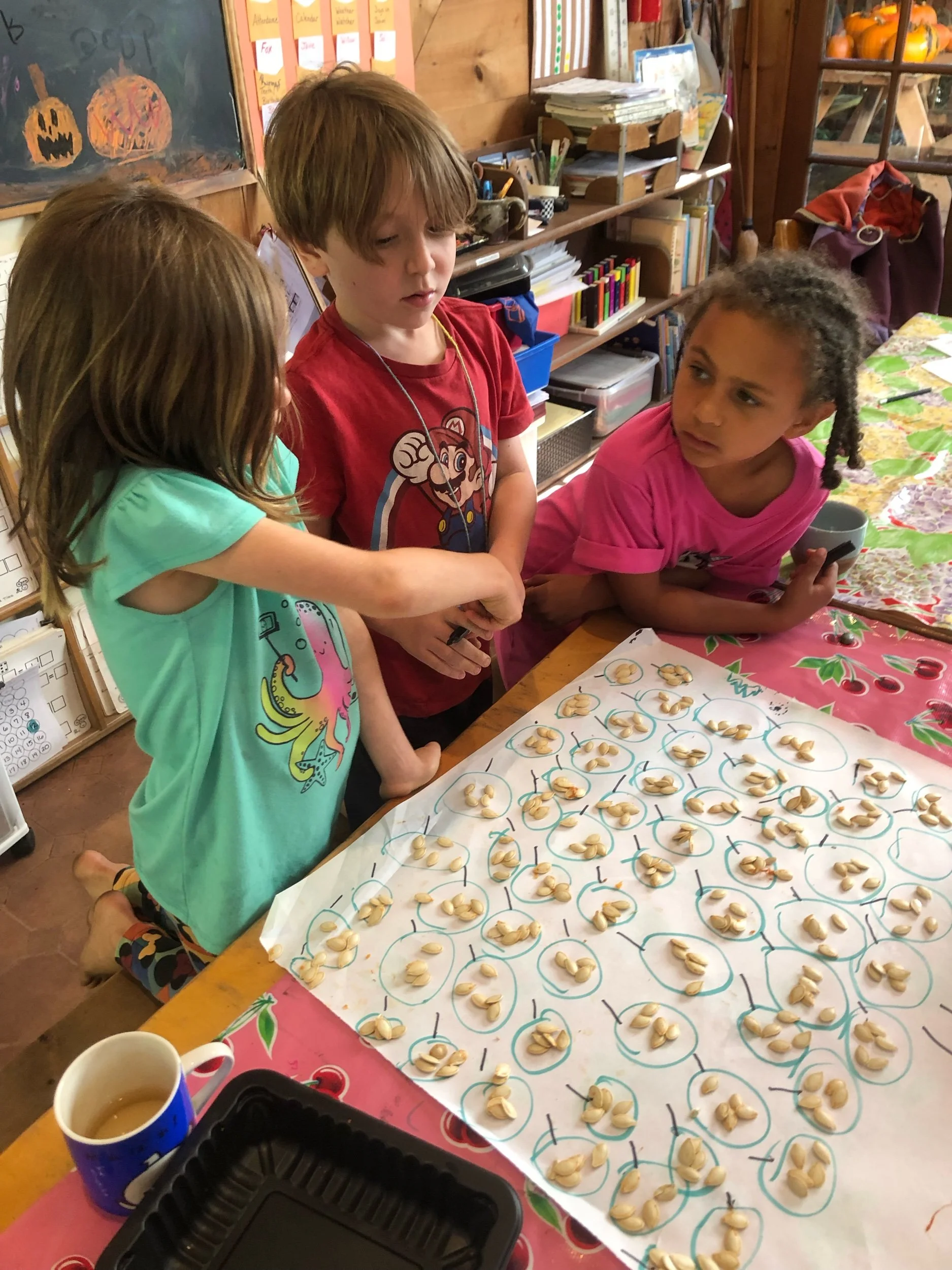
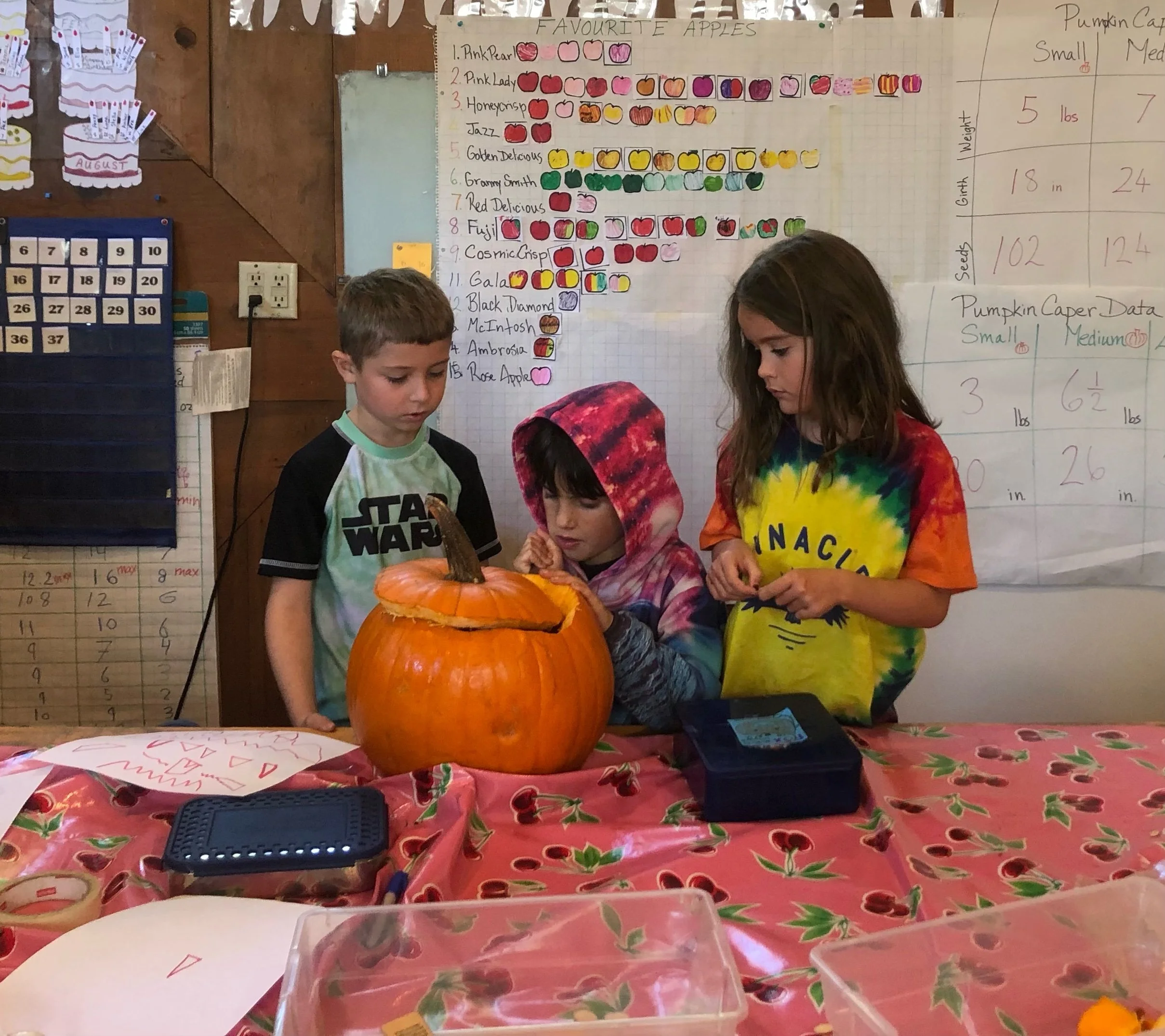
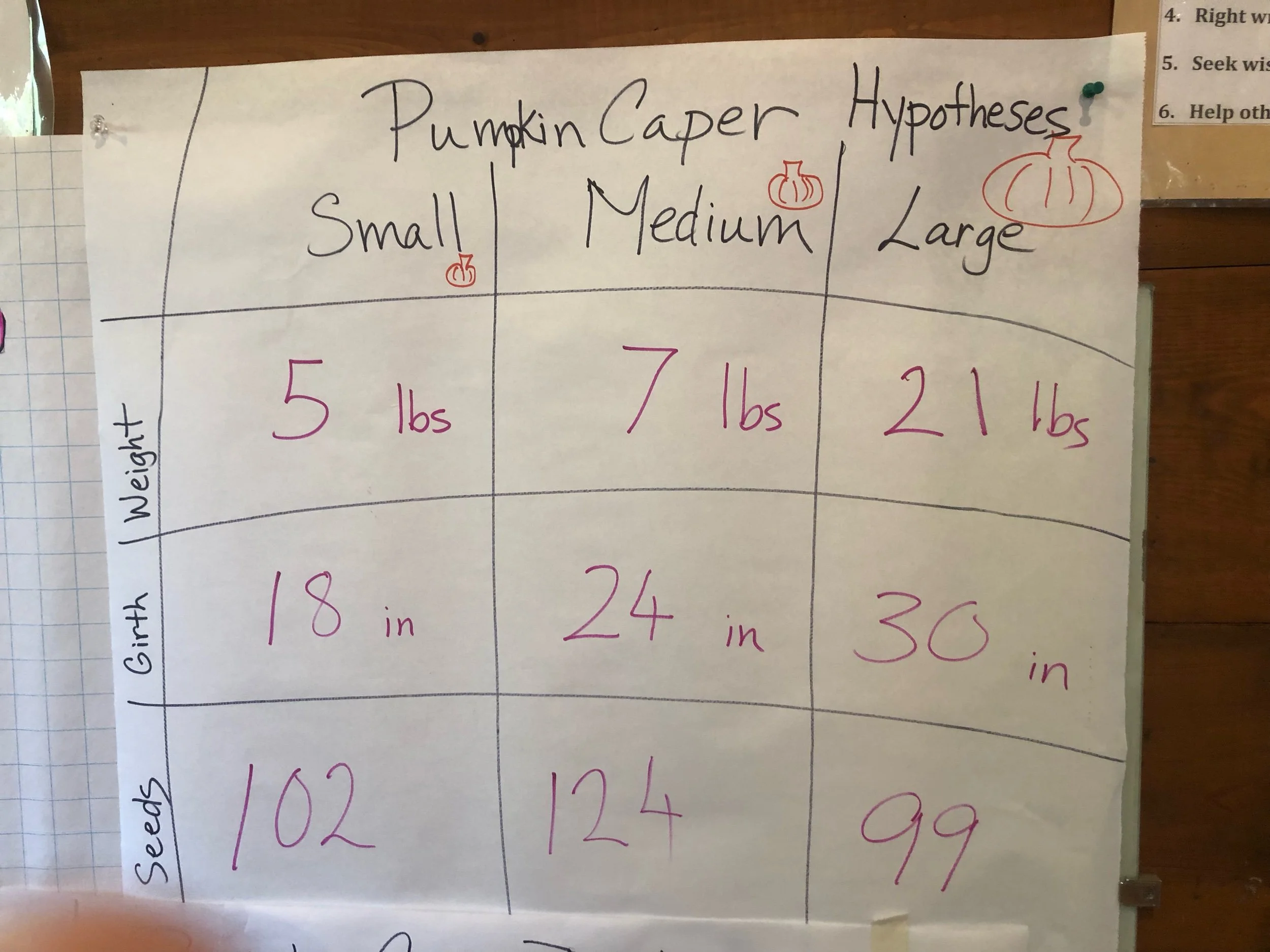
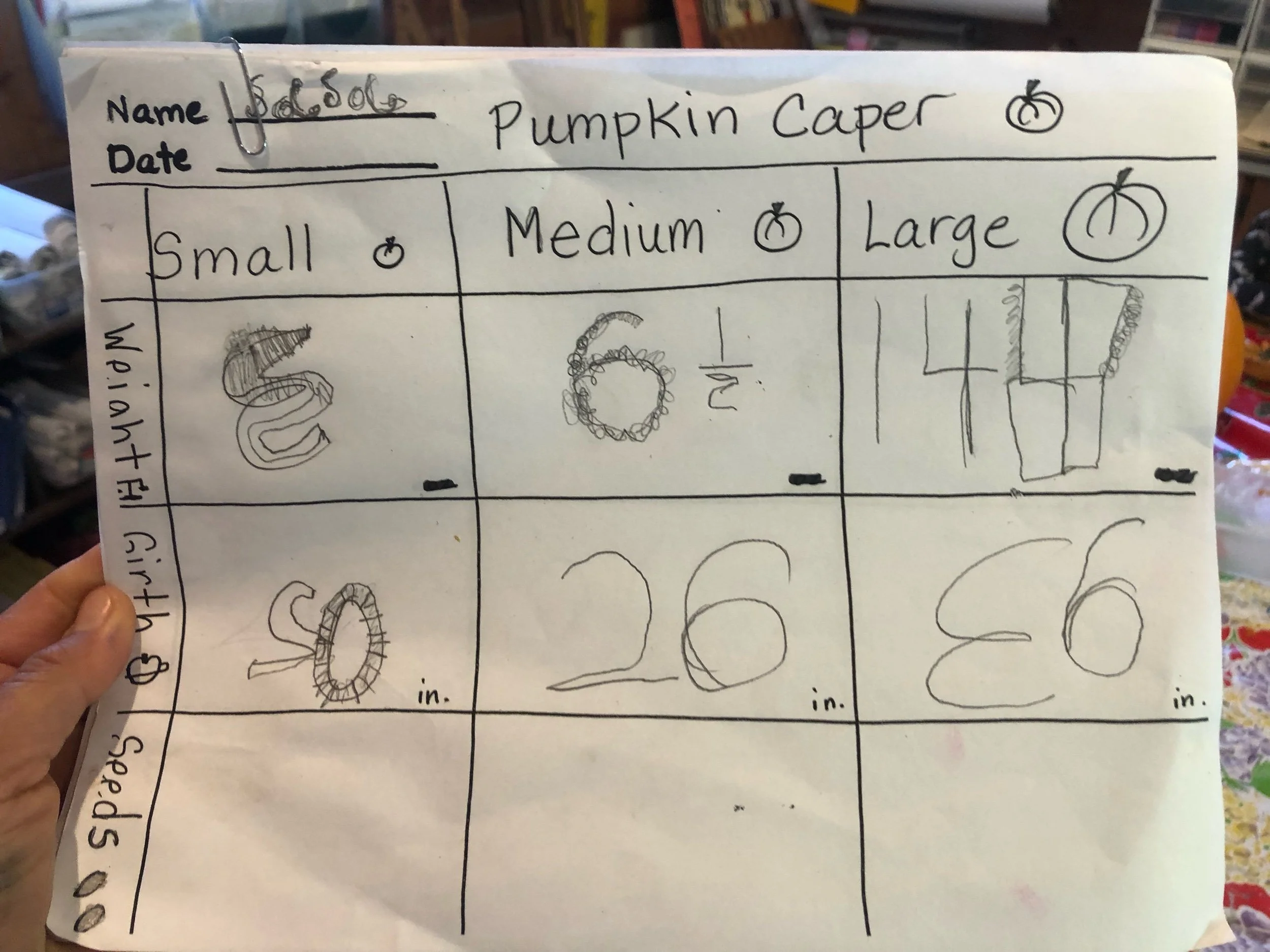
Our seasonal activities involved The Apple Investigation and The Pumpkin Caper. In the apple investigation students chose an apple, made predictions as to its weight, circumference, and ounces juiced and then collected the data. They loved working with the apples, and juicing and eating the apples! They also graphed their favourite apples and the favourite apples of their family members. Students performed similar activities in The Pumpkin Caper, creating hypotheses as to weight, circumference, and number of seeds for their pumpkins, and then collecting and comparing data. When counting their seeds they were able to use their understanding of place value and practice counting by tens to one hundred. Once they had collected the data, they carved their pumpkins into jack o’lanterns collaboratively with the members of their group.
Oh yes, and we began task cards, wow!