
Math with Ty and Kenza
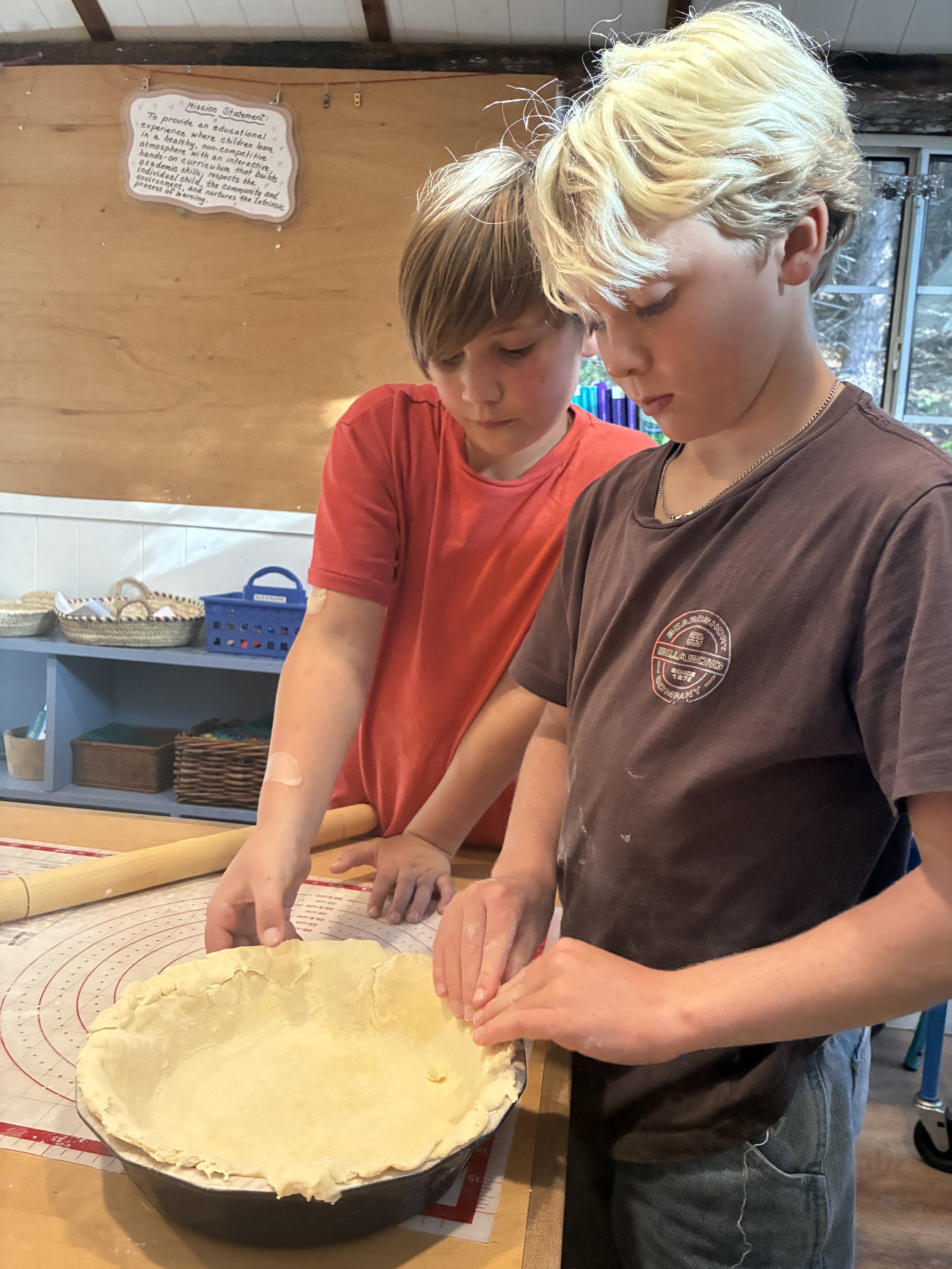
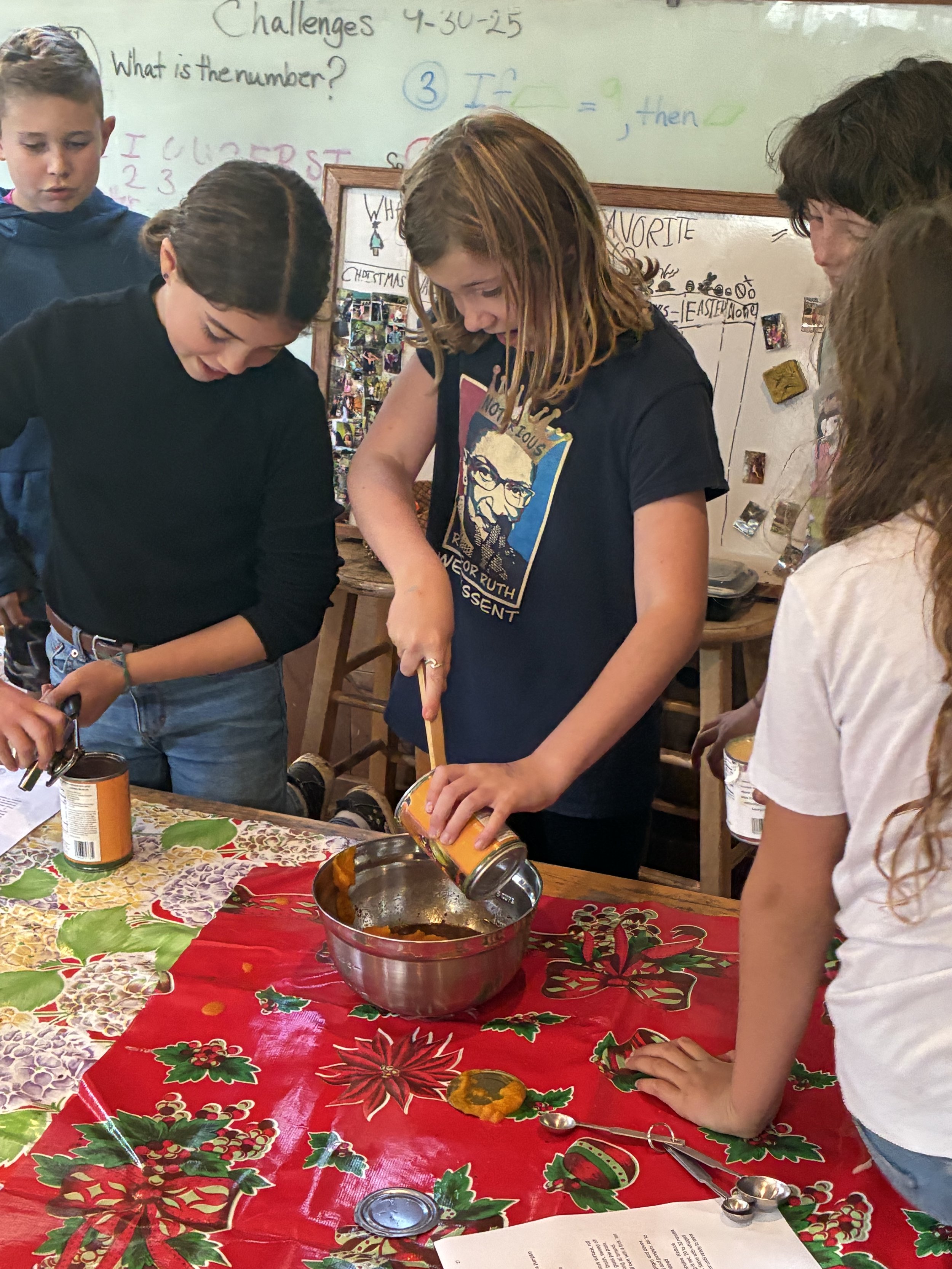
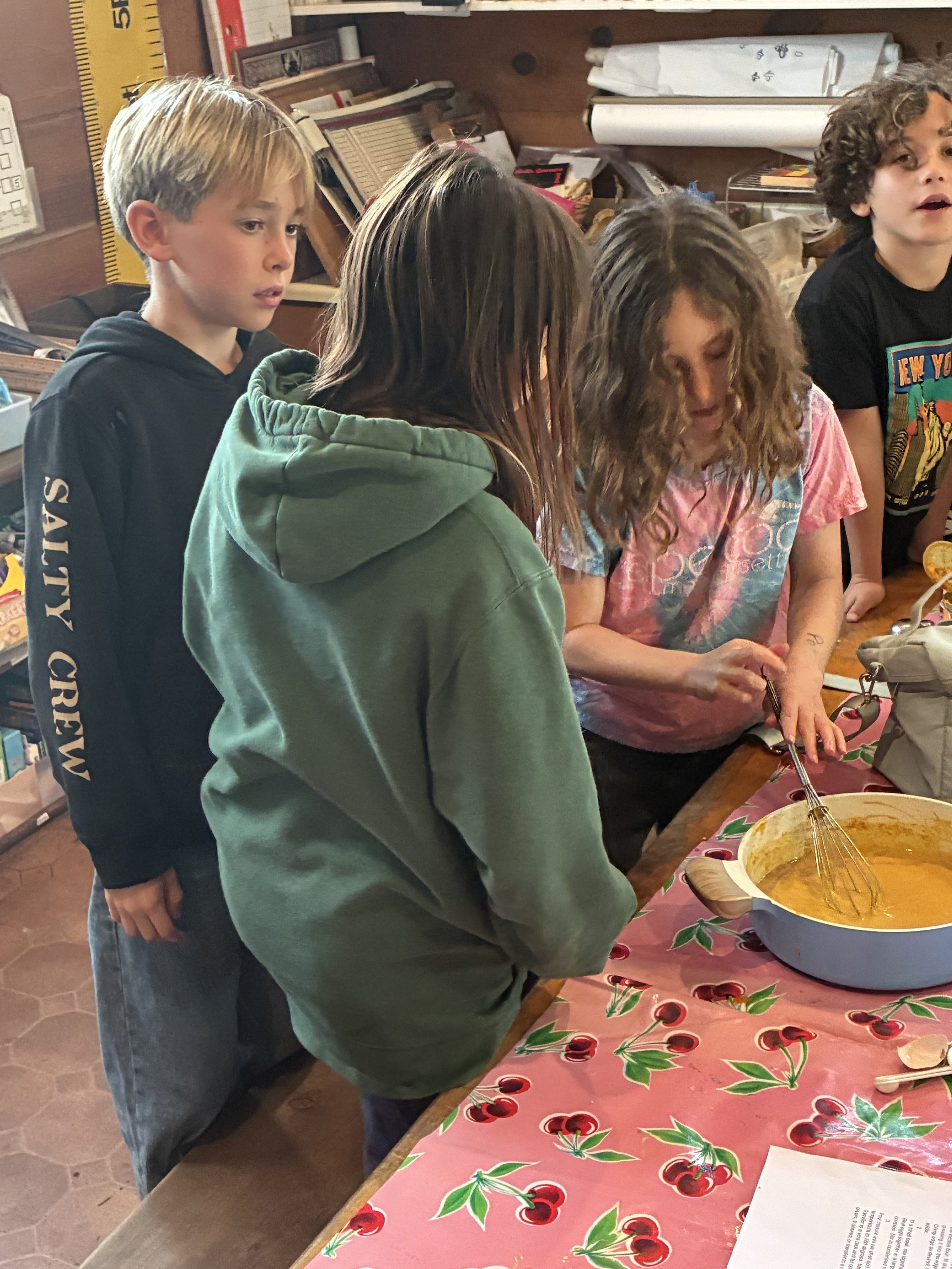
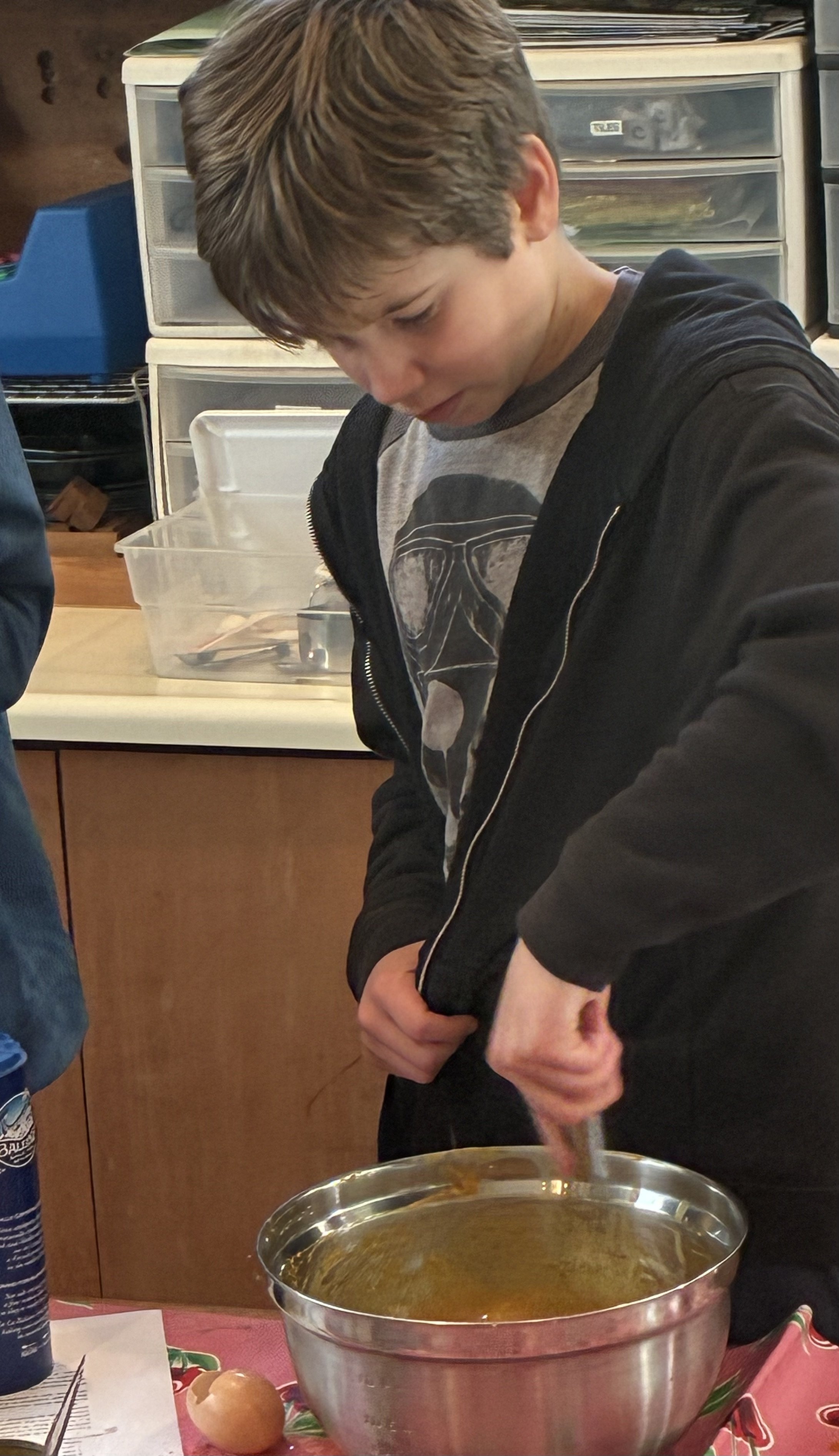
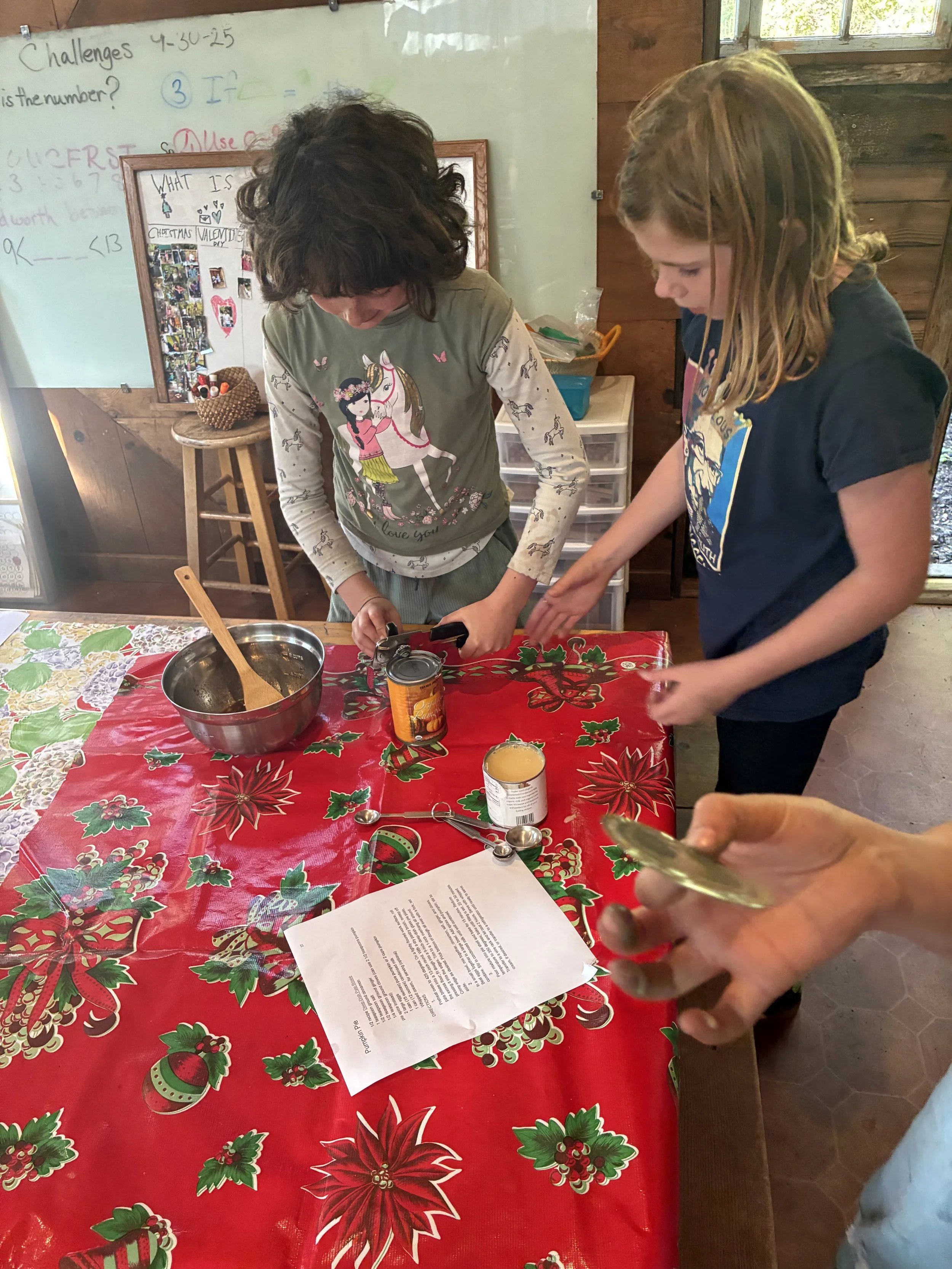
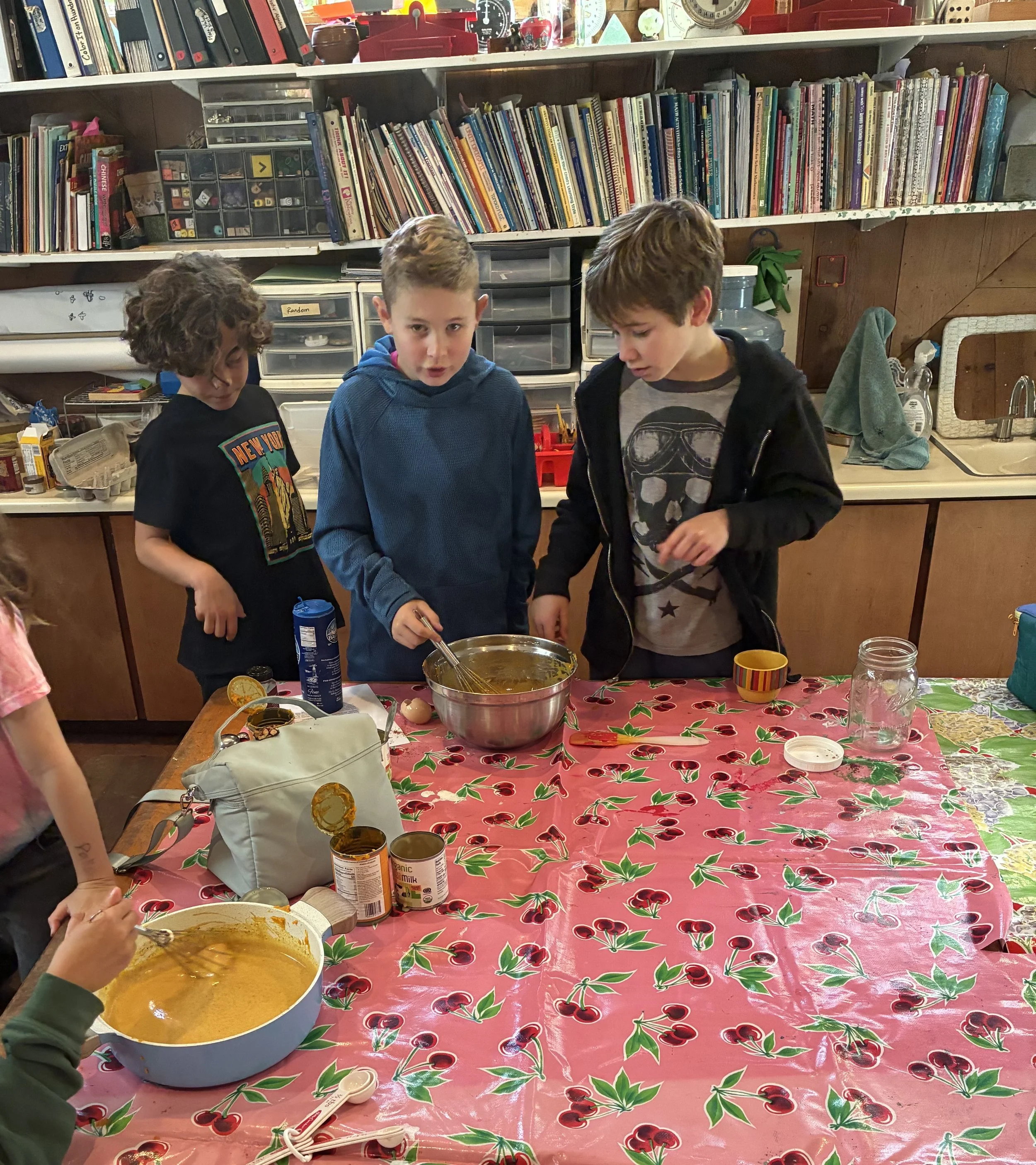
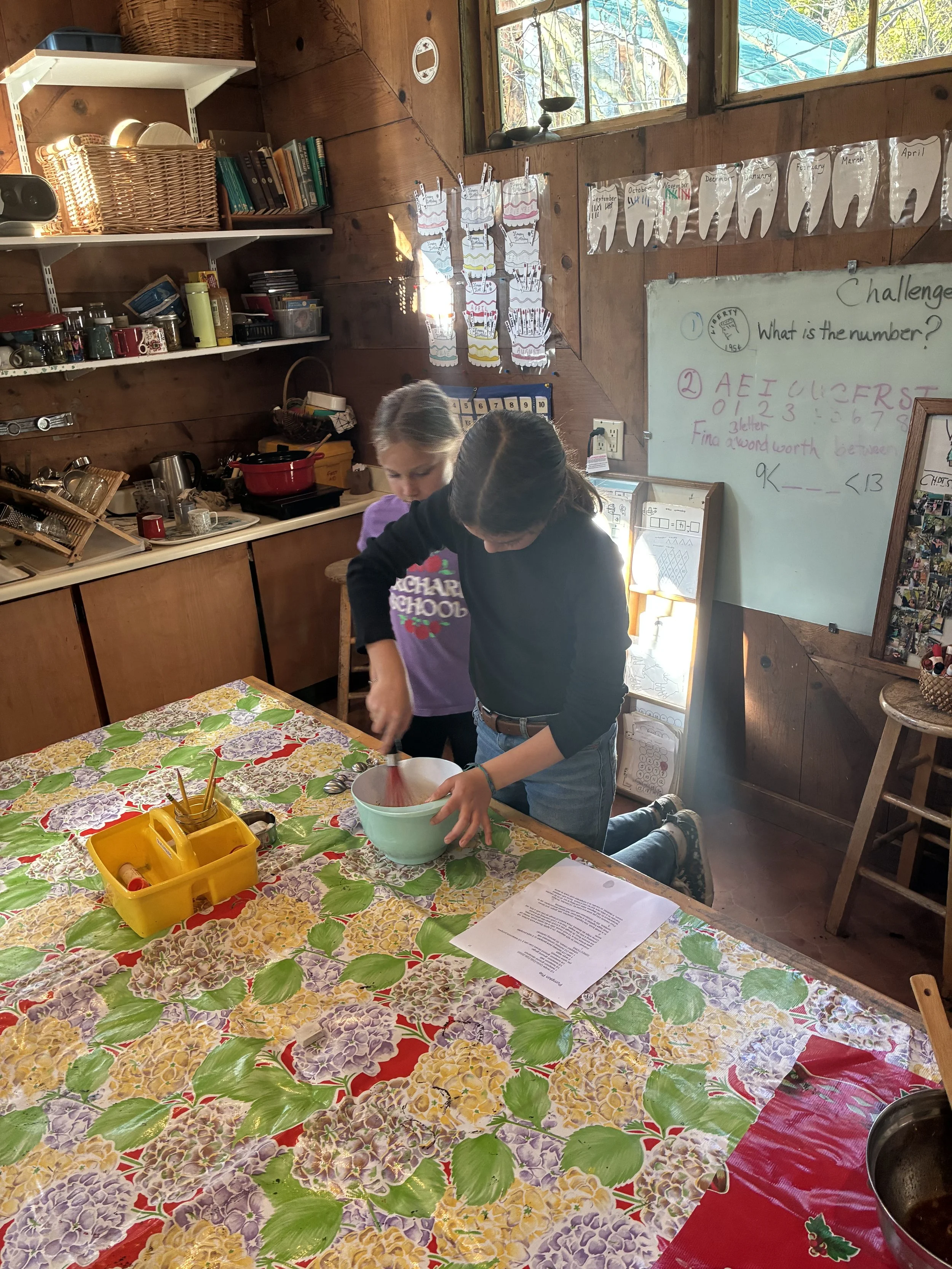
In our class, sometimes we work as a whole group on an activity that I or Ty introduce; sometimes, we split into two groups and each of us teaches a lesson appropriate to the skill level of the group; and sometimes students work individually or in partnerships to solve task cards, work through algebra or geometry books, or in order to deepen understanding of a certain concept; and sometimes students collaborate in groups of three or four on a cooking project or math investigation.
Since we last posted, Kenza’s group, consisting mostly of fourth grade students, has worked a lot on column addition and multi-digit subtraction. She has brought in real life situations to practice these skills, such adding up dollar amounts for items Kenza and Joy have ordered through a sheep share program and then comparing the amounts and subtracting to determine the difference between what they owe. Another real life situation practicing financial literacy was a lesson in which the whole class was given the prices for Ken’s avocados and asked to spend $20 on avocados and show their work. Next, they were provided prices for all of Ken’s products and given a budget of $50 to spend on at least four different items. It was interesting to see how they would choose to spend the money and we discussed how this was relevant to daily life in that we all have to budget, whether it is for a toy we wish to buy or how to ensure we have enough money to pay for our rent, food, and all the other things we spend money on. We would like to continue to work on financial literacy and real life math so the students feel that what they are learning is relevant, while also building basic skills and working through the Everyday Math curriculum.
During this time, students continued to practice their mastery of facts by solving flip overs, wrap ups, task cards, and completing the facts quiz. Times are improving and we will be encouraging students to work on mastering those facts which are most difficult for them to memorize and to challenge themselves by taking a more difficult facts quiz. Subtraction is consistently more challenging for many students than addition and we would love for you to practice at home if that is challenging for your child. If subtraction and addition have been mastered, work on the multiplication facts, maybe share which you find challenging, if any. Have your child teach you the game of Beat the Calculator or play Multiplication Top It (basically multiplication war in which each player turns over two cars and they highest product wins all).
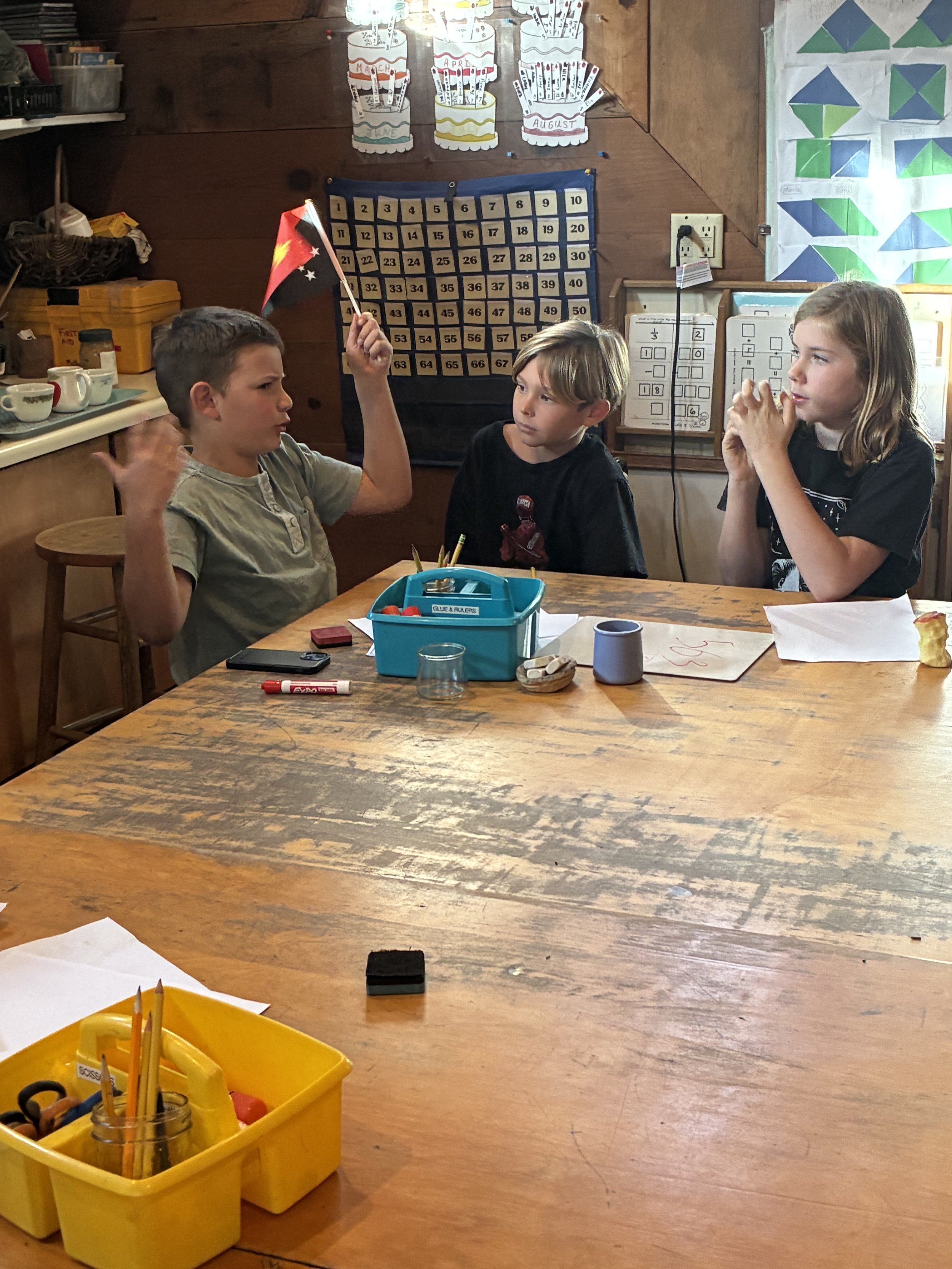
An activity which the students love is Jeopardy, organised by Ty. Each month, we use two or three periods to play a round. Students are placed in teams and are given five categories. There are opportunities to practice skills and concepts we have been learning in math, such as factoring and prime numbers, as well as general knowledge such as geography. It is also a great opportunity for students to practice good sportsmanship, collaboration, and attention.
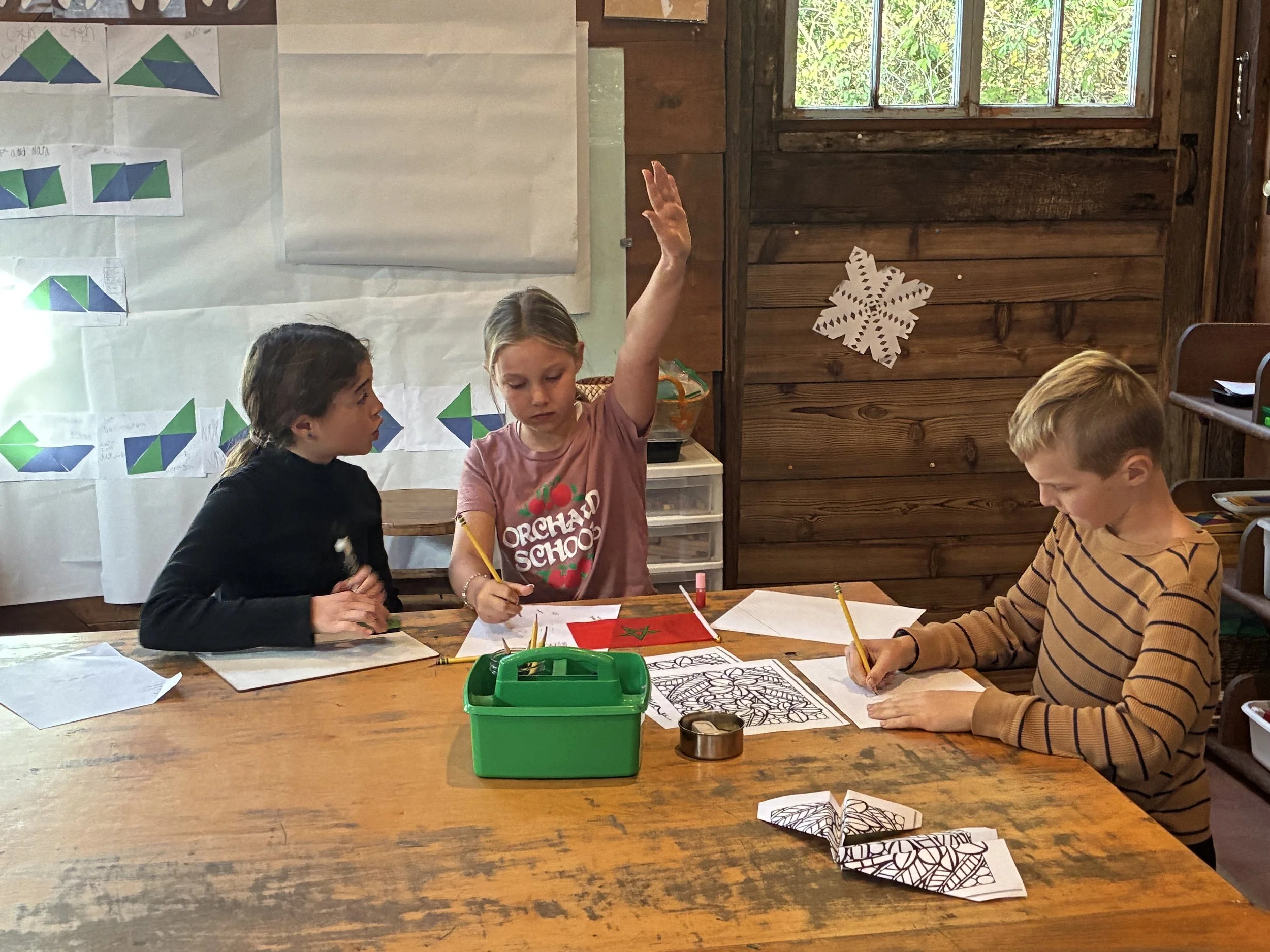
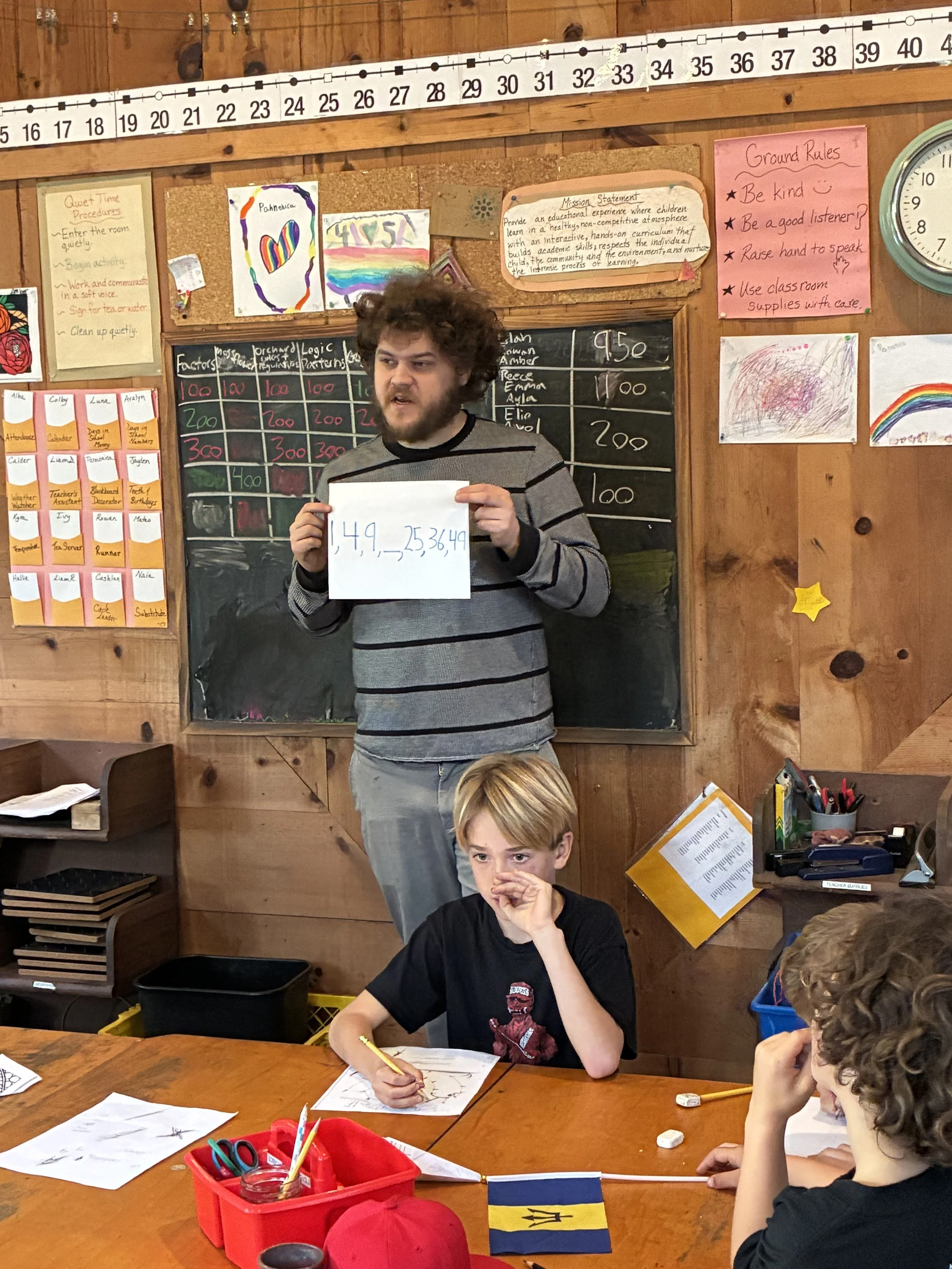
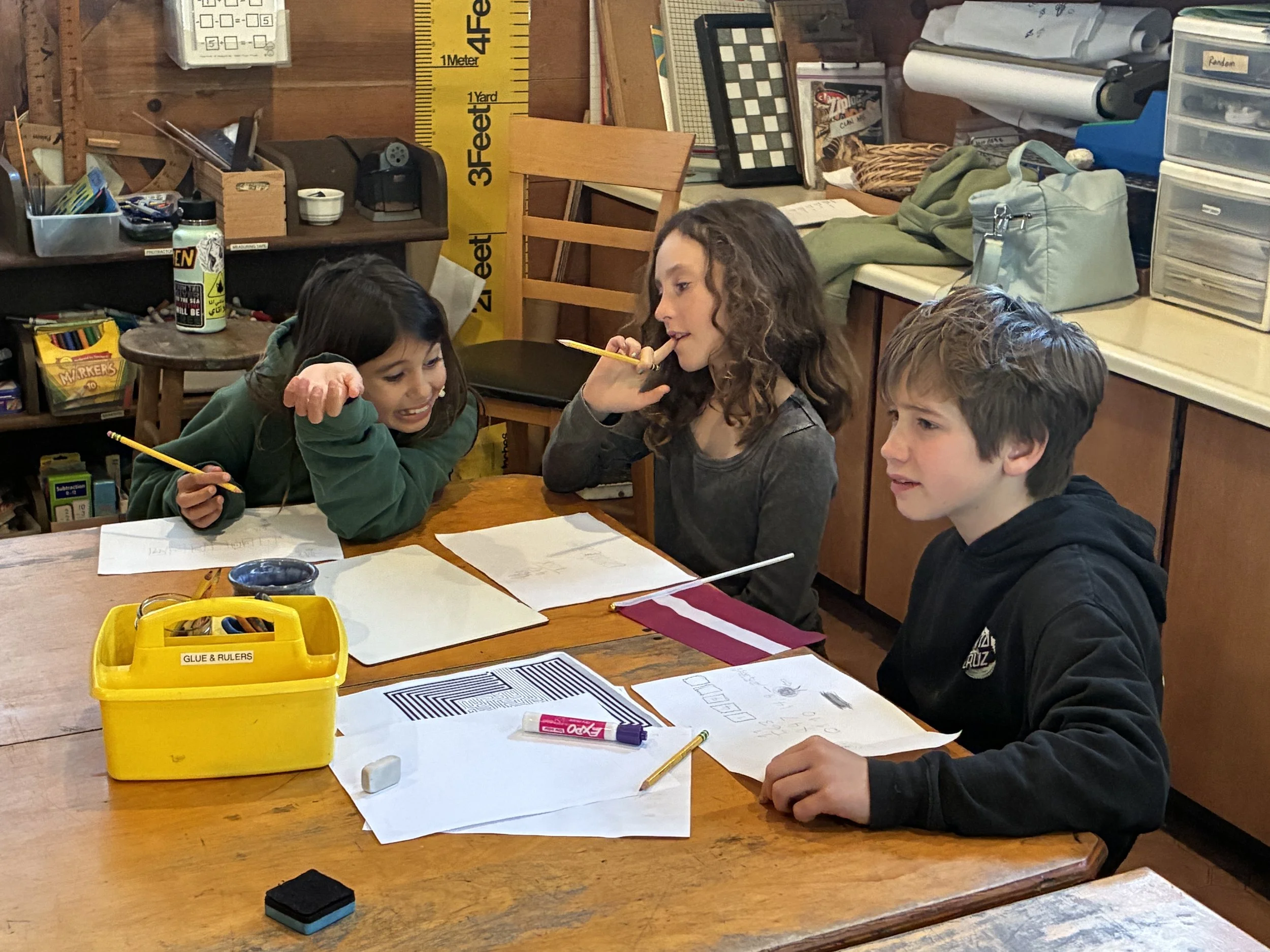
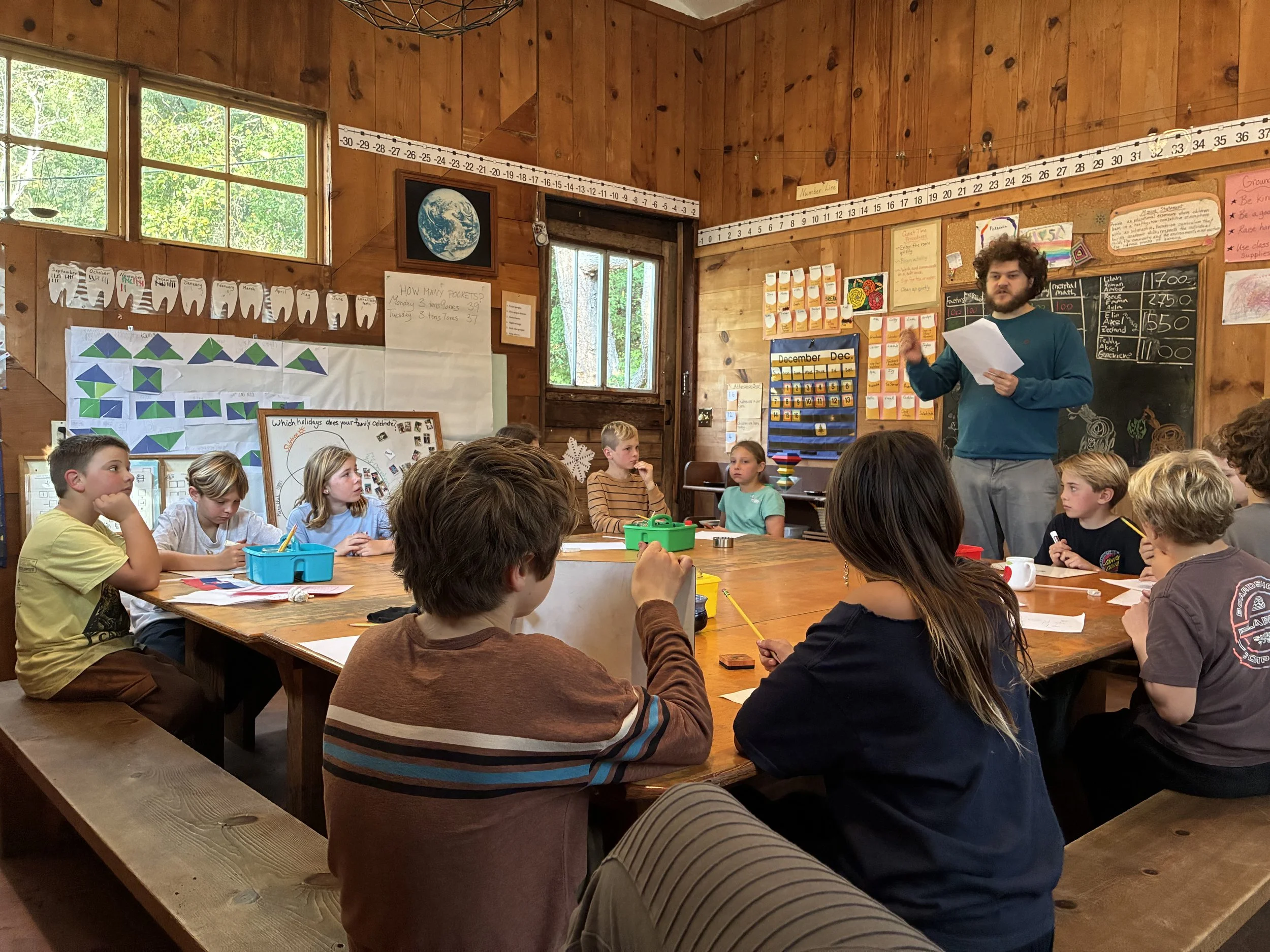
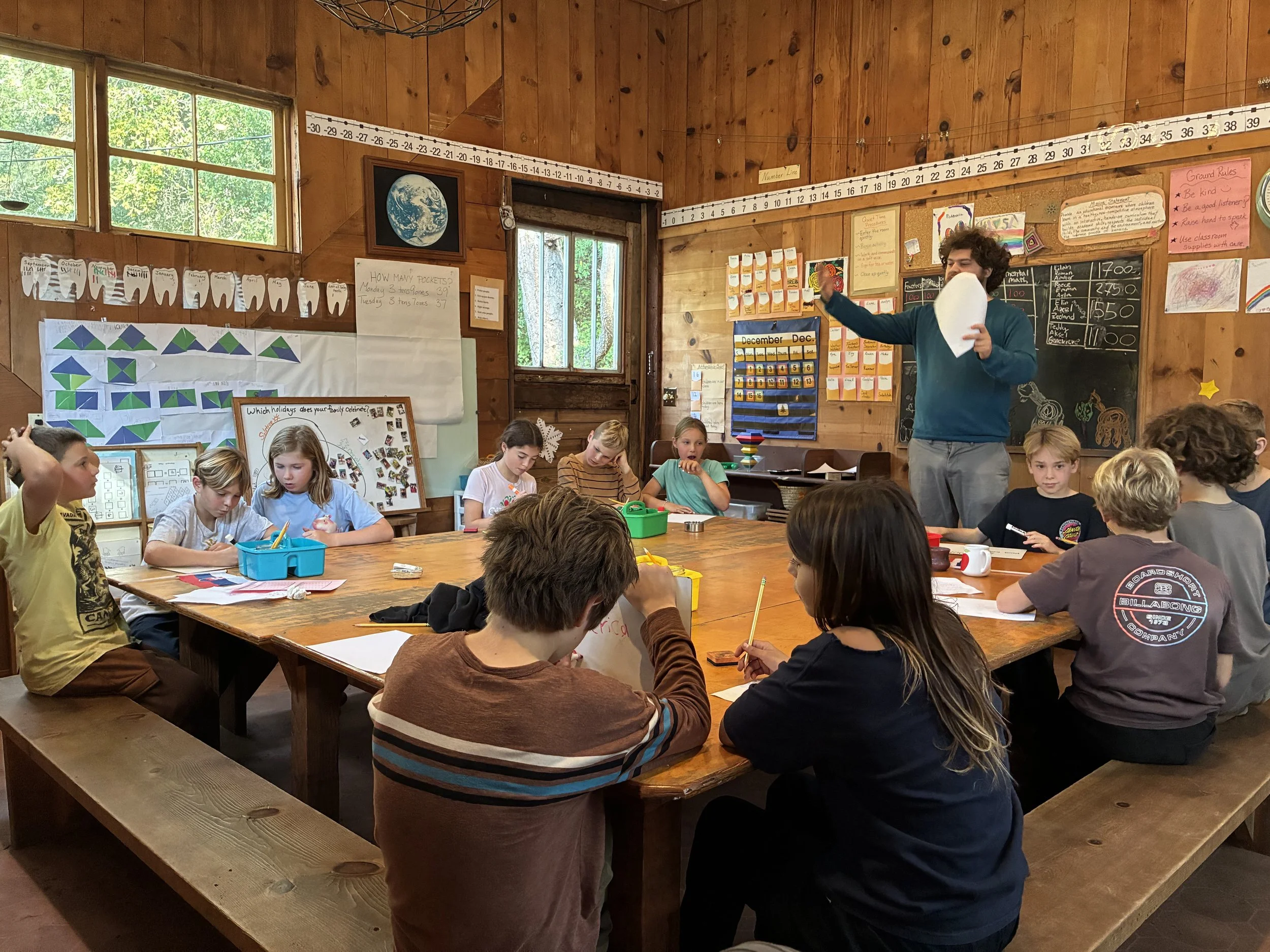
Ty’s group, mostly fifth graders, worked on both lattice multiplication as well as the standard algorithm. They also worked through their algebra books and on task cards.
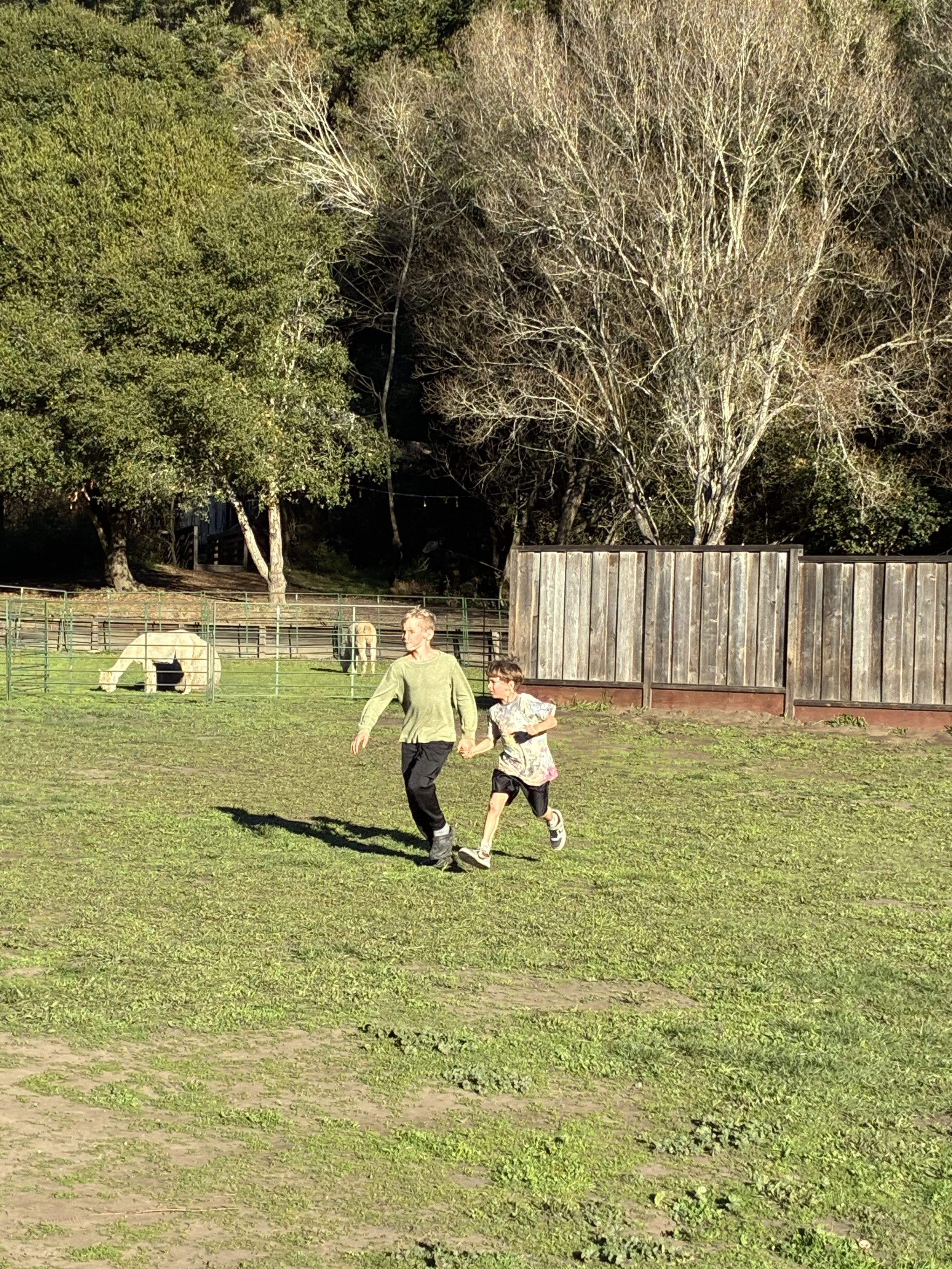
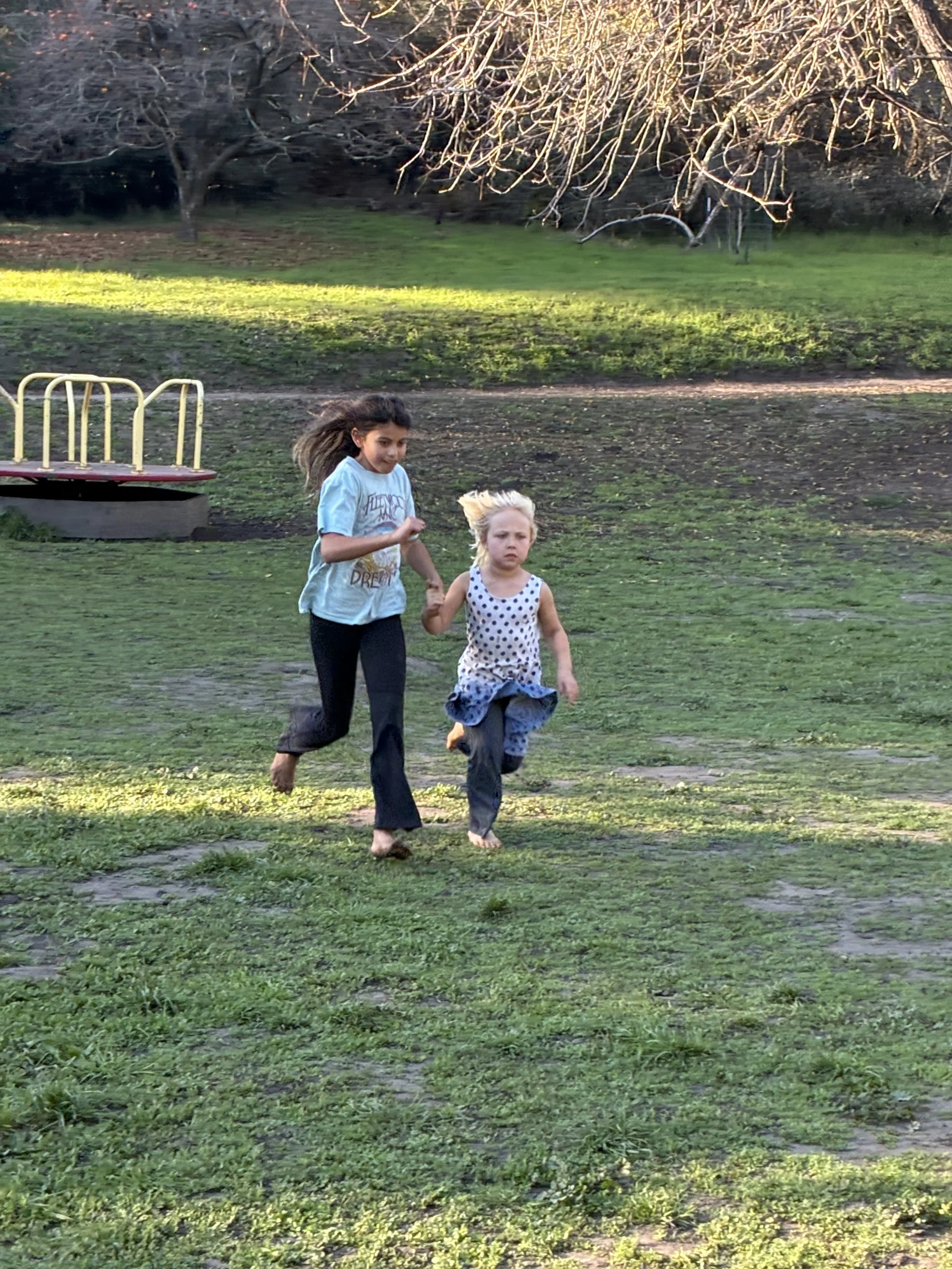
Students playing Capture the Flag with their little buddies.
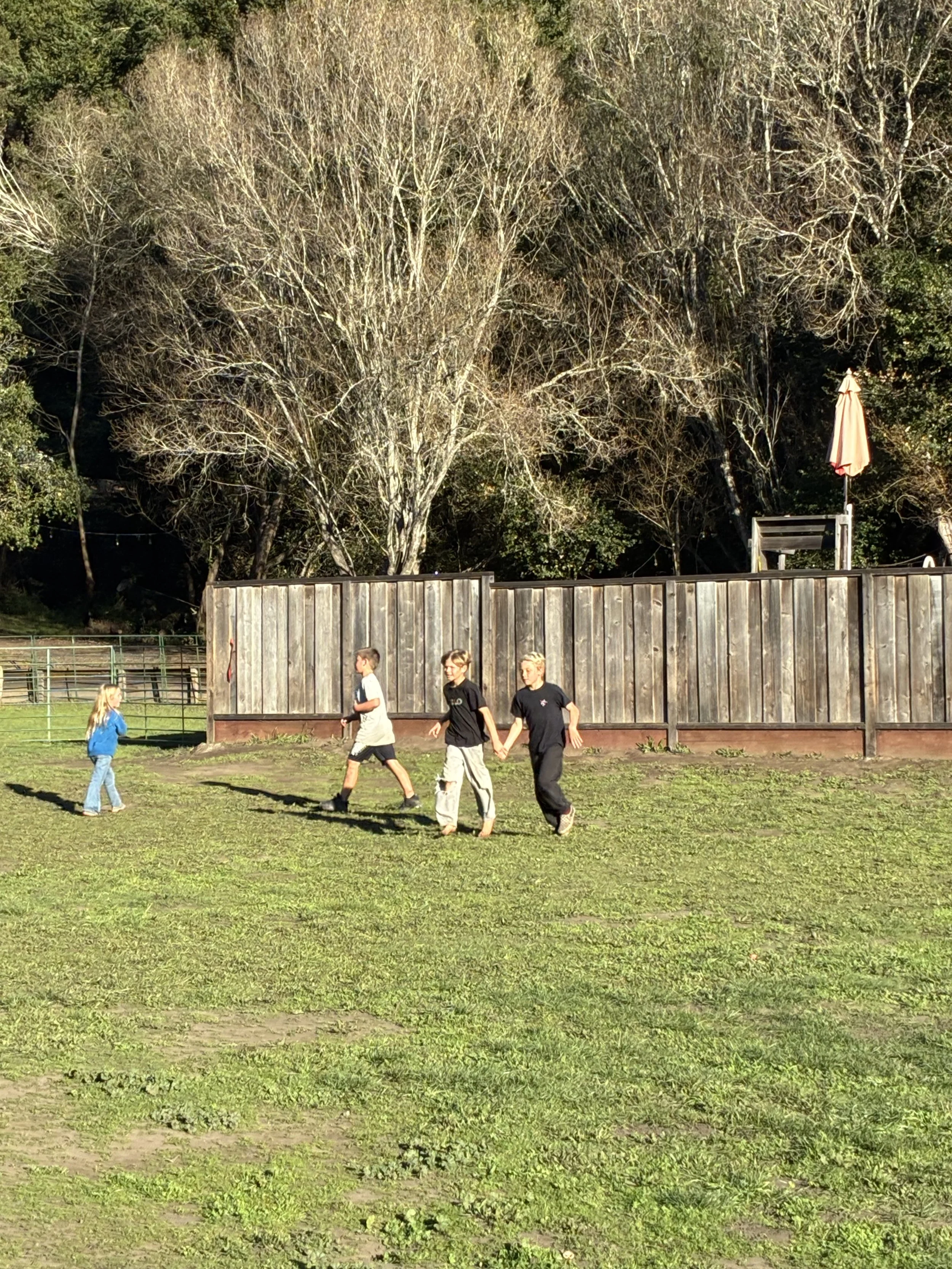
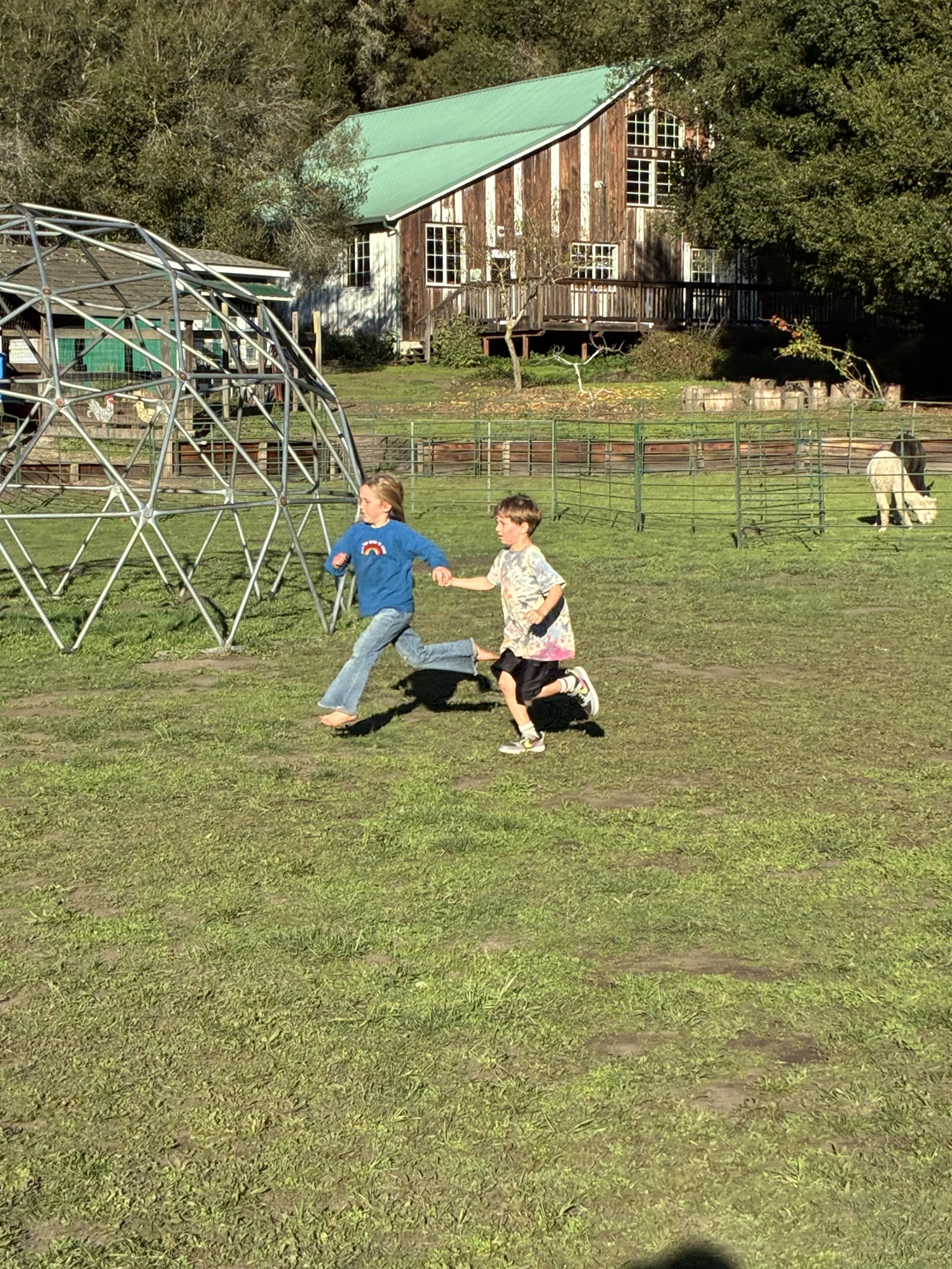
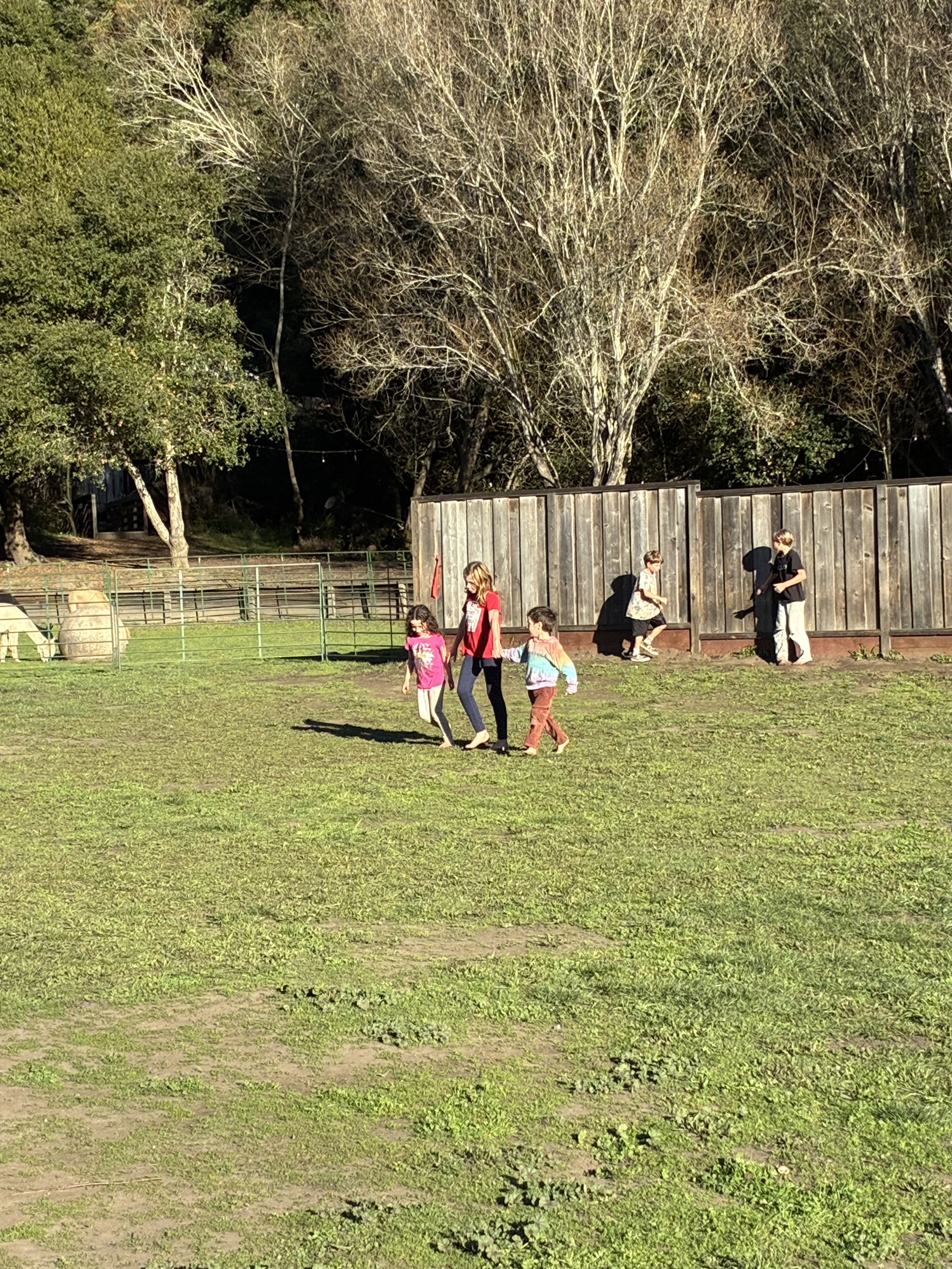
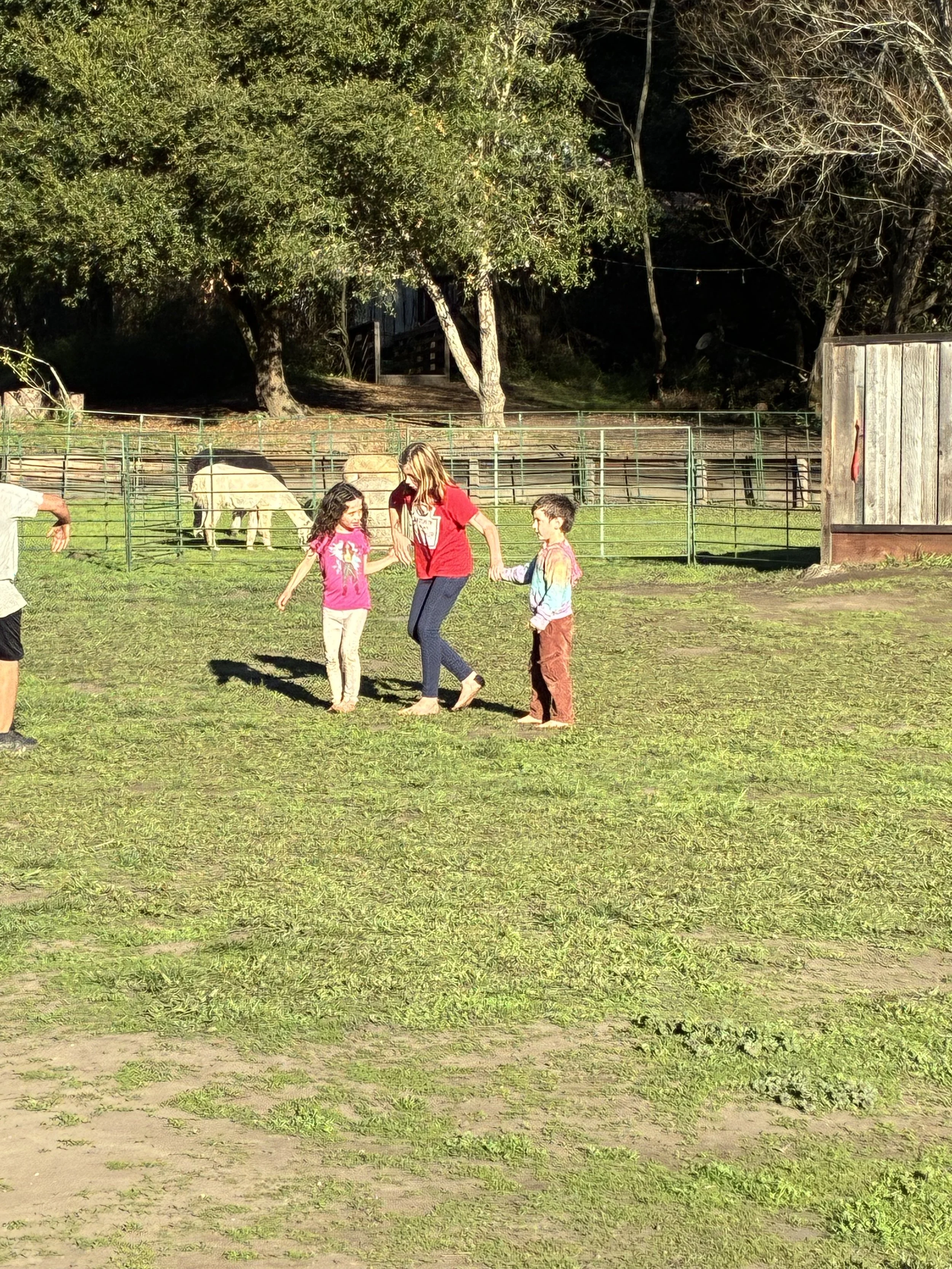
The group is large and active and very fun! We are enjoying working with them and will be practicing division beginning in January.