
Science
Since the winter break the fifth/sixth grade class has been gearing up for science fair/invention convention and looking at the properties of matter.
To really sink our teeth into the practice of designing an experiment the students conducted a few simple investigations to gain skills in asking testable questions as well as collecting data and defining variables. Students worked in groups to compare bouncy balls and ping pong balls with a testable question of their choice - most did something comparing speed and distance down a ramp. All needed to conduct multiple trials and graph their results in their notebooks.
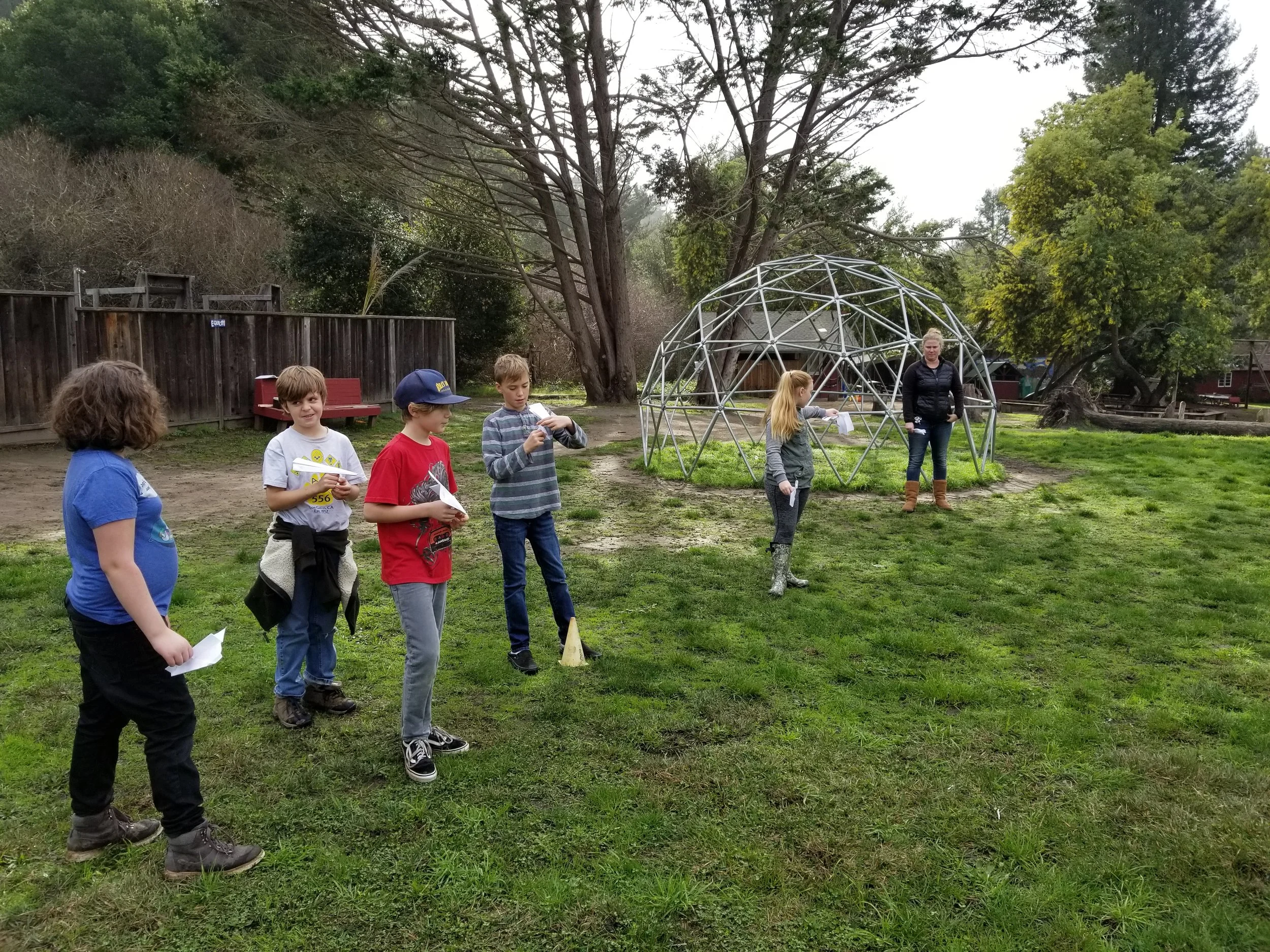
Next students designed an experiment with paper airplanes testing student generated questions that fit within the parameters of our class and materials. Not only was this experience intended to allow for the students to test a question, but also reinforce the difference between independent, dependent and controlled variables. Groups tested airplane design and distance, airplane size and distance, and airplane design and number of loops during flight. The biggest limitation of our test flights was that the planes got soggy landing in the grass and didn't fly as well after a few tests.
The final experiment practice was when the students collected data to determine if when playing the same opponent in "Rock, Paper, Scissors" is there a hand signal to throw that statistically wins more often. The jury is still out on this one - it looked like overall "rock" was most likely to win, but many individual groups found other answers in a sample size of ten matches. We also talked about inventions and looked at different examples of famous and not so famous inventions that were created by kids.
We have been squeezing in a few chemistry experiments in between science fair preparations creating concentrated supercooled sodium acetate or "hot ice" which generates heat as it crystallizes and extracting casein from milk using vinegar to create a simple plastic. The latest chemistry experiment was exploring pH by testing different household acids and bases as well as tap water, saltwater and carbonated water with red cabbage indicator.
Science fair is scheduled for March 22nd! Students have been busy at least once a week in class working on their questions, their background research, their experiment procedure, and variables. Currently, they should be ready to conduct their experiment (and record results) or build their inventions (and keep an inventor's log) at home. Thank you all for your support in this experience!
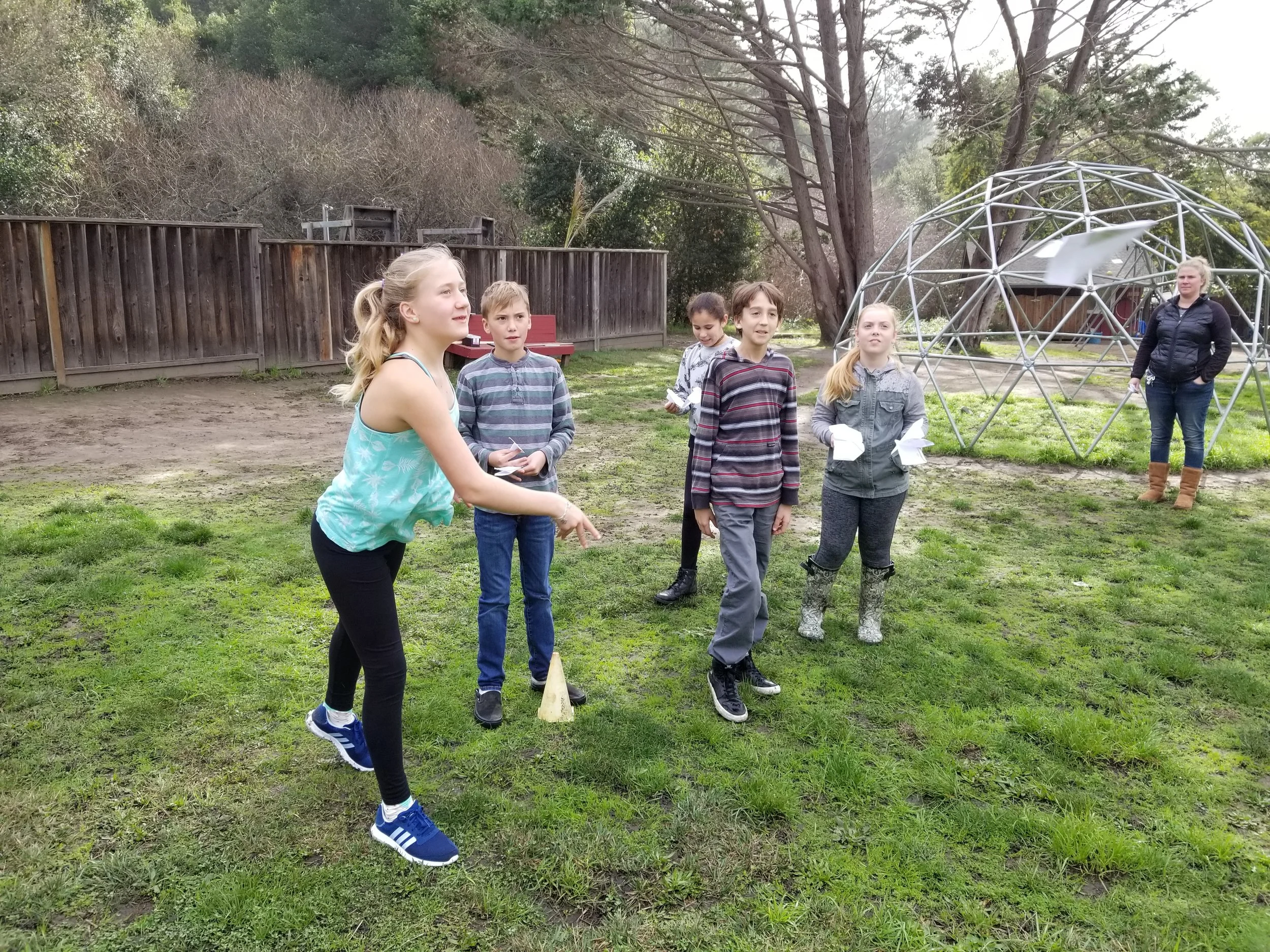
Testing paper airplanes.
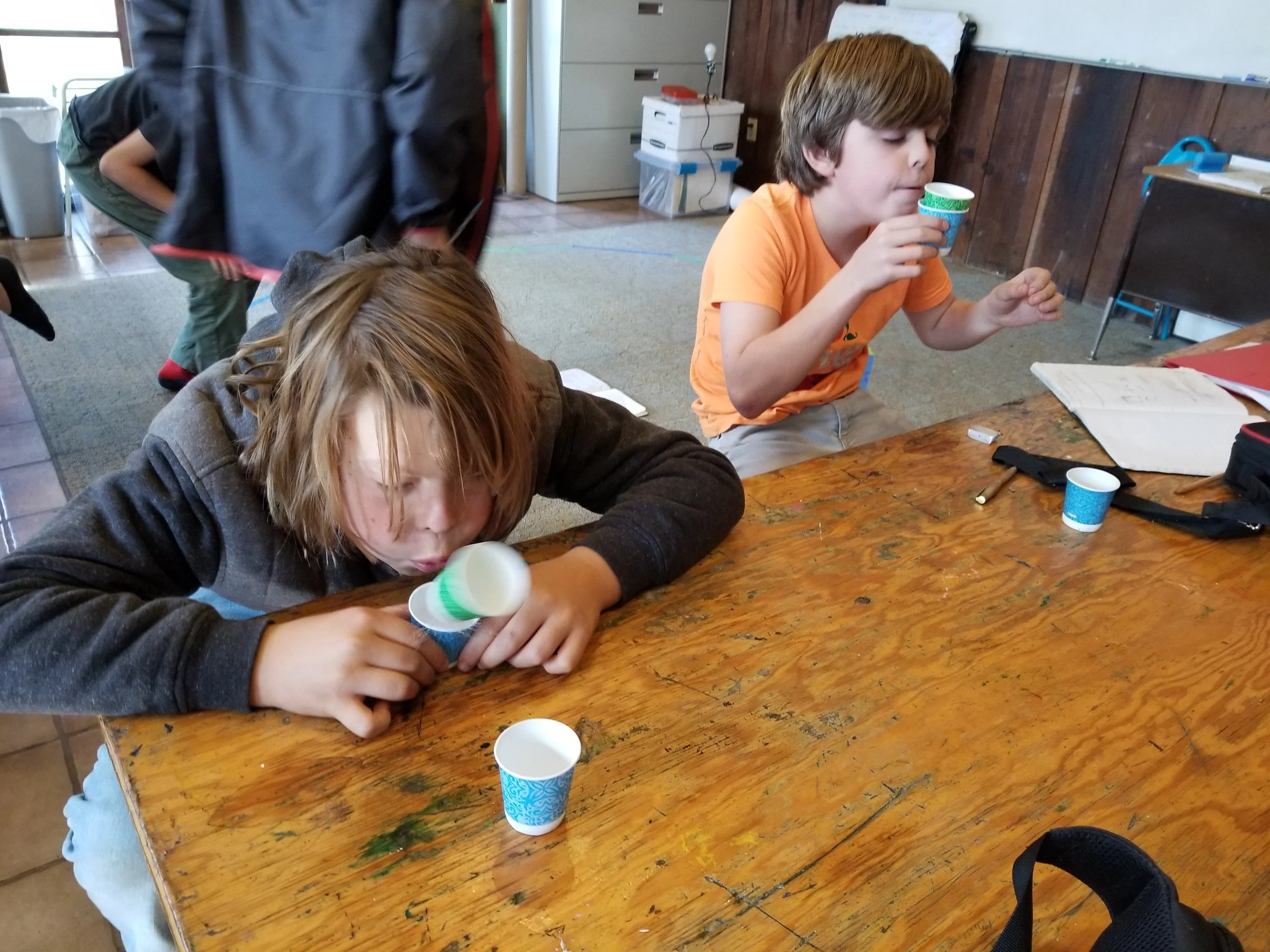
Blow cup challenge to reinforce variables and testable questions. Turns out the challenge took some skill.
Chemistry and Properties of Matter Experiments:
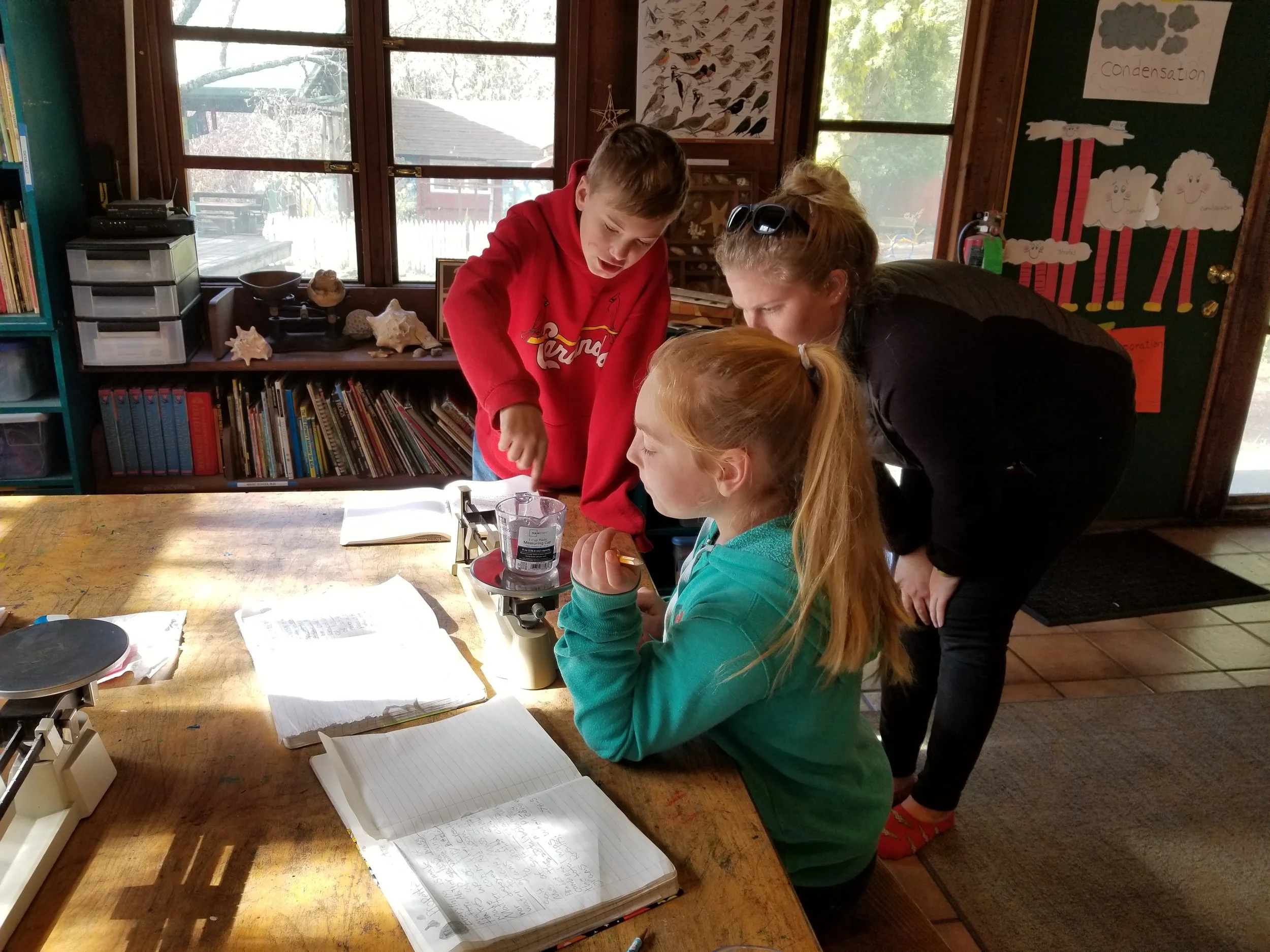
Mass and volume.
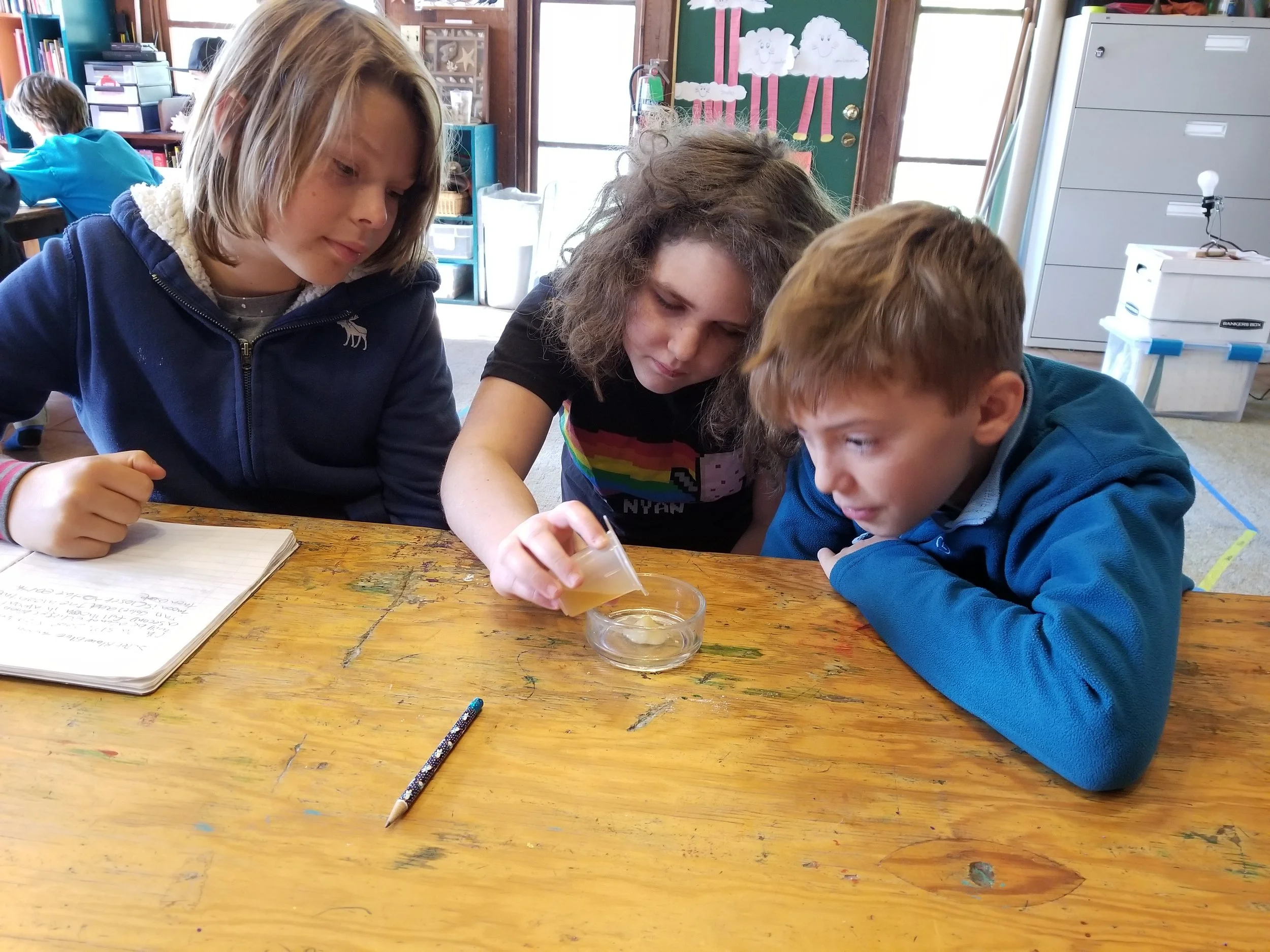
Hot ice.
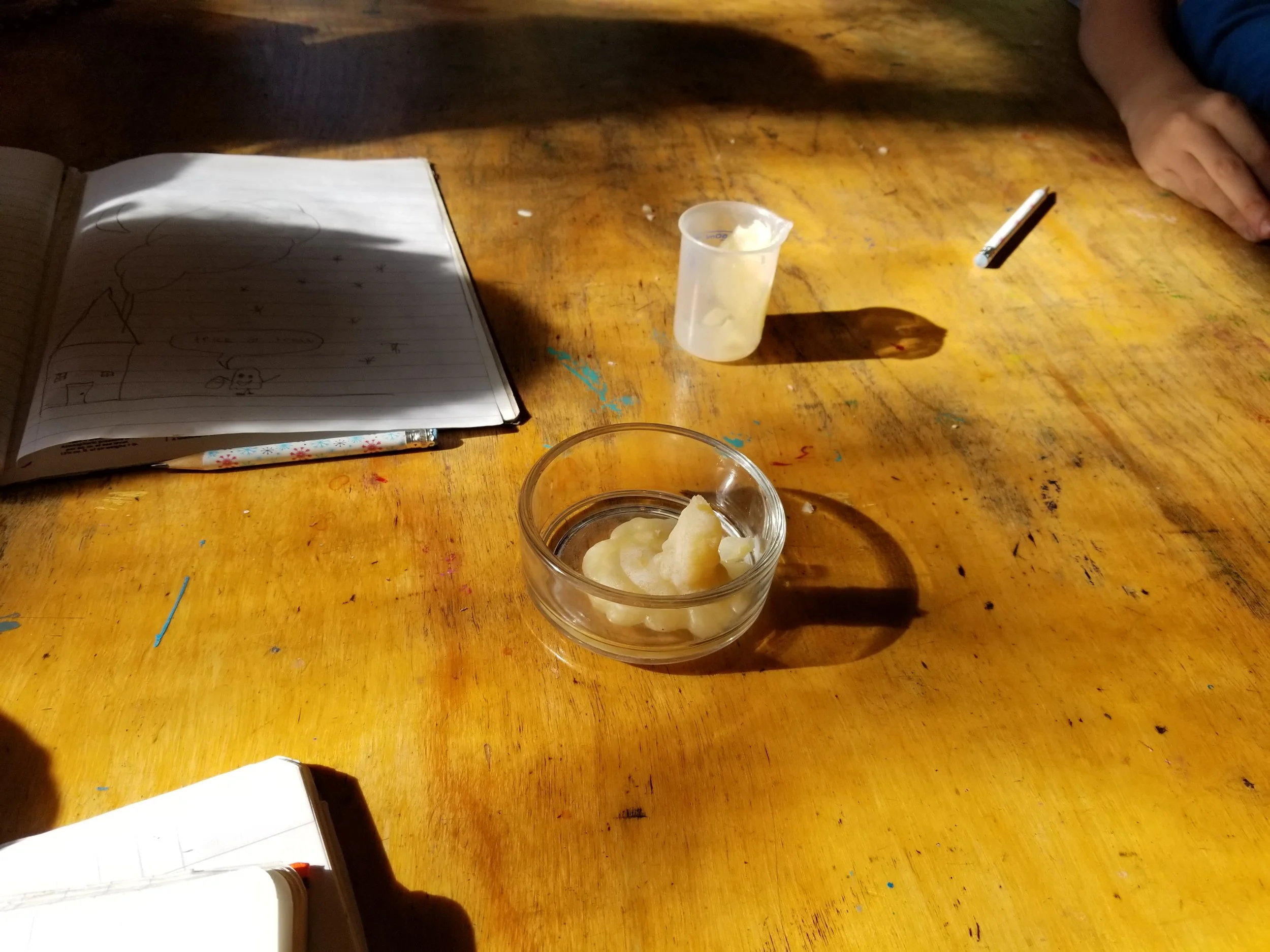
A closer look at hot ice (sodium acetate).
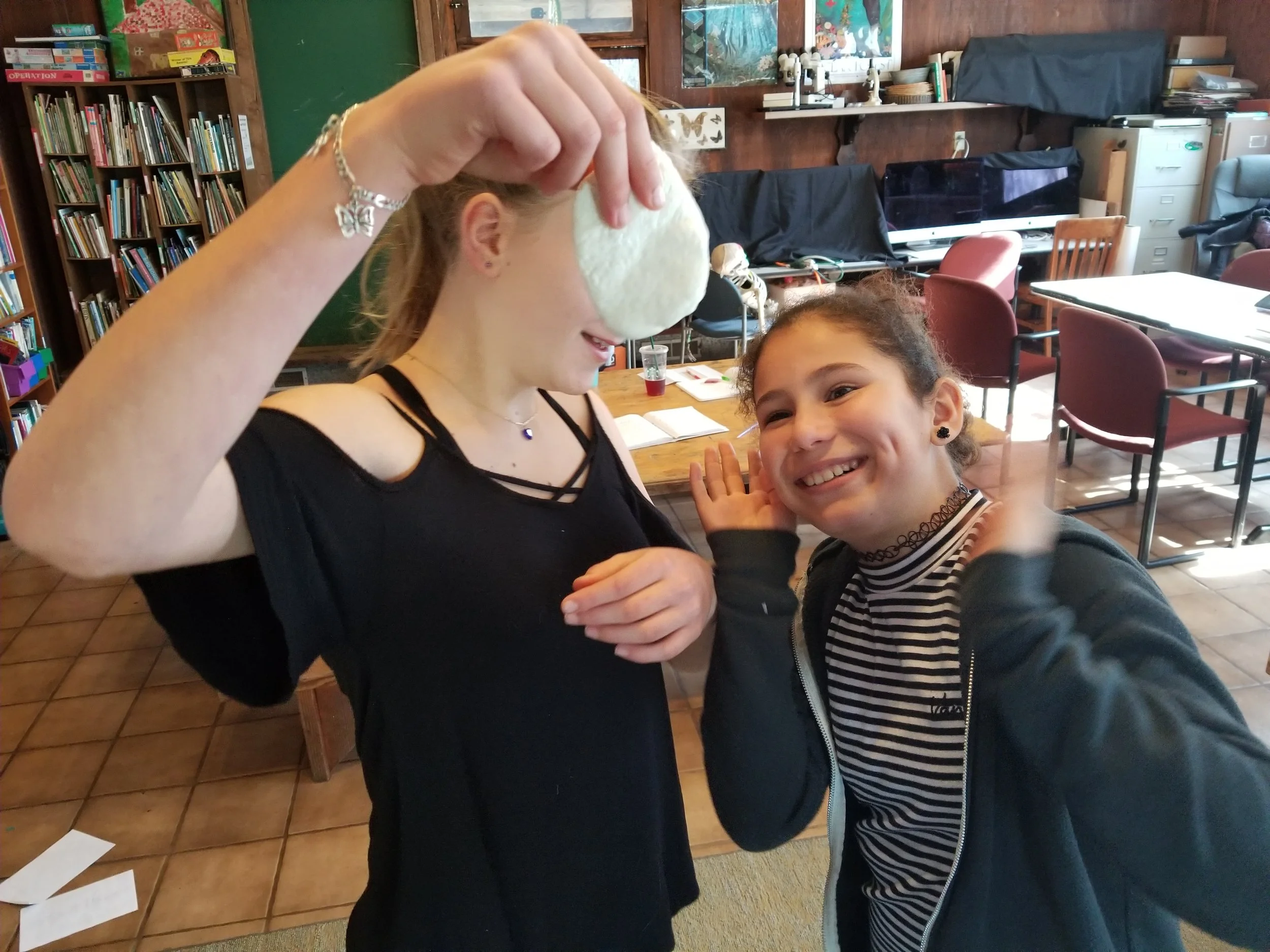
Extracted casein - milk based plastic.
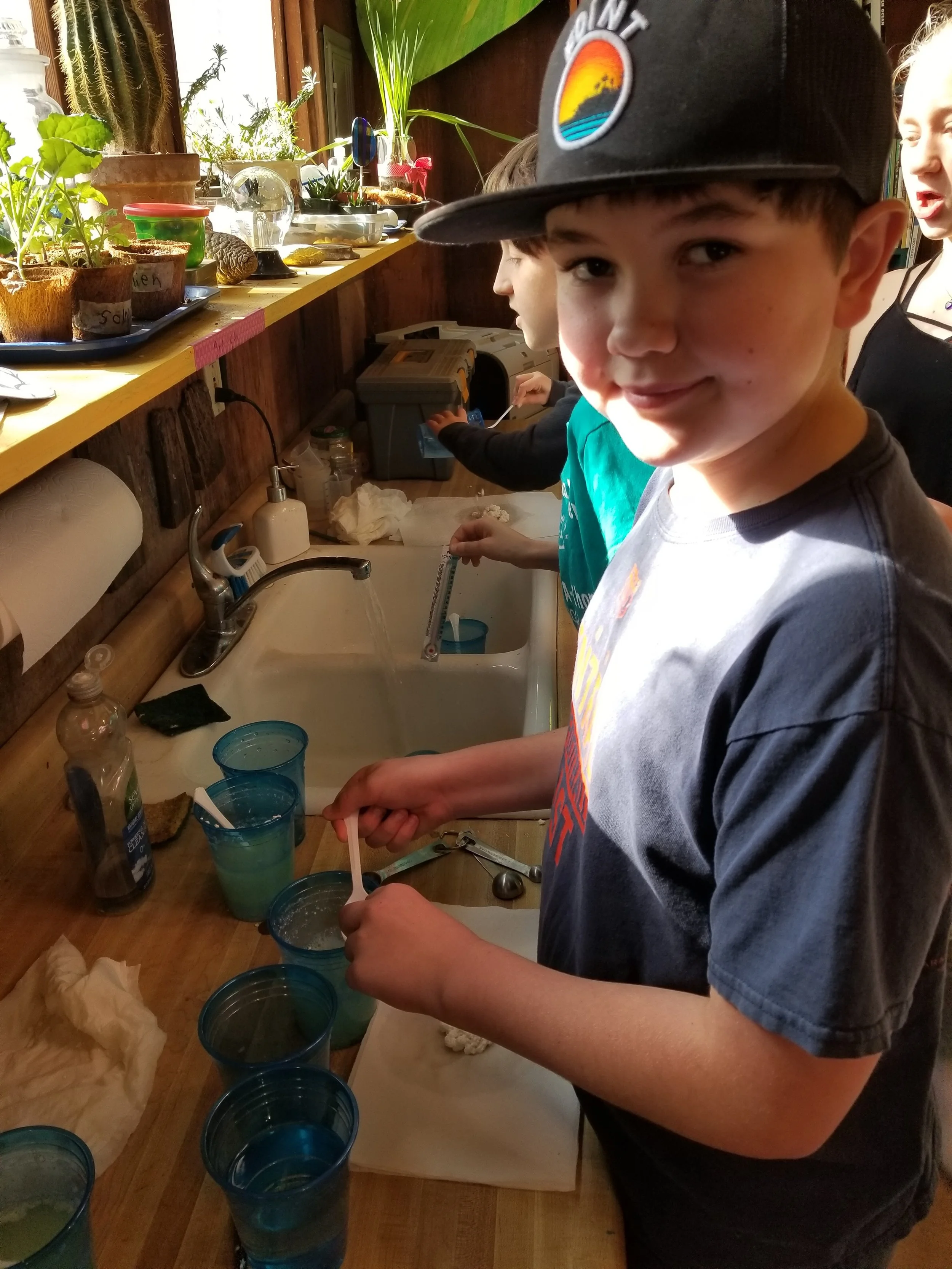
Scooping out the milk protein.
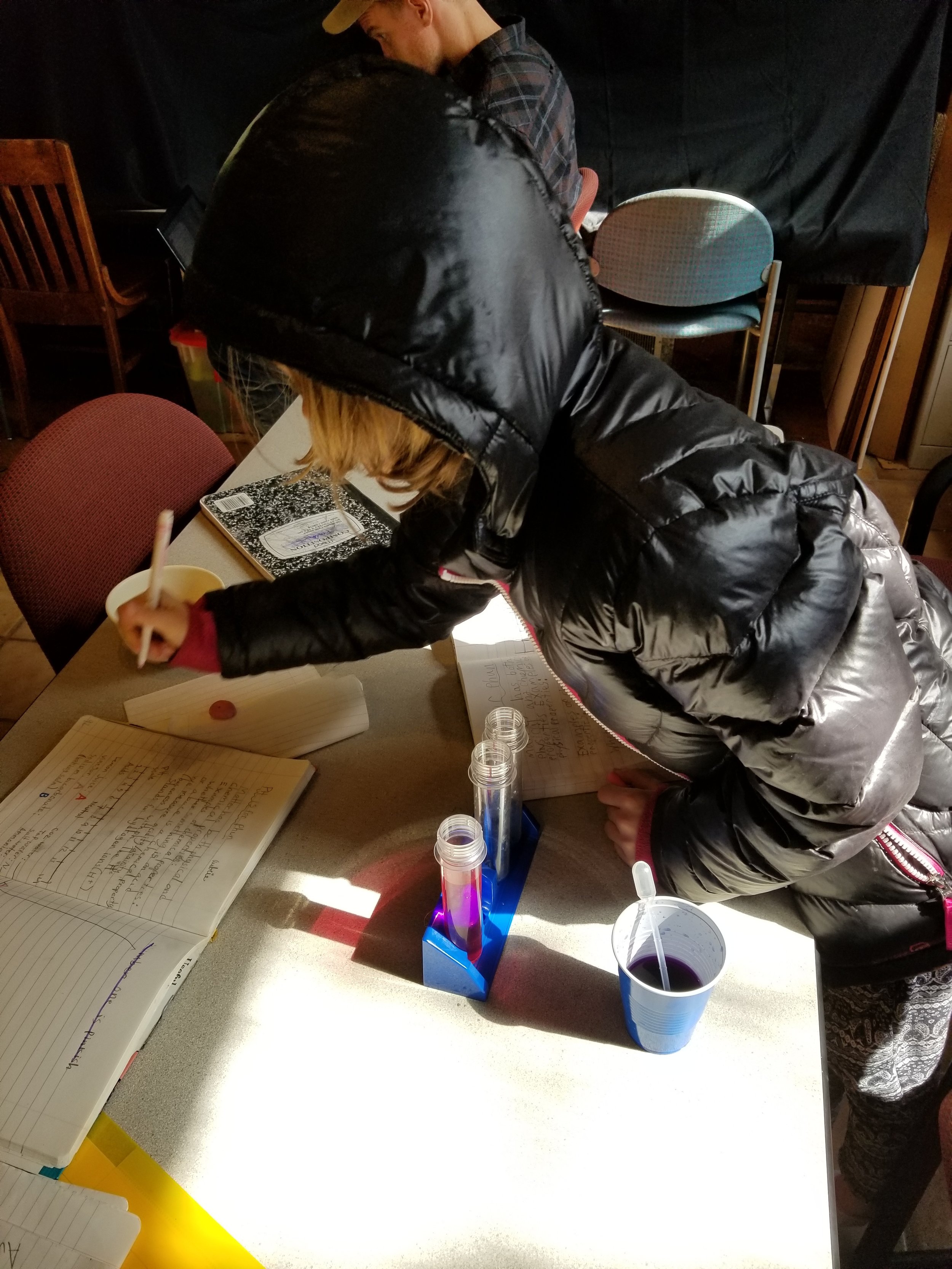
Using red cabbage indicator to estimate pH.