Science
During December, fifth and sixth graders continued to study concepts in geology. They constructed a visual aid of the layers of the earth and read a scientific article where they took notes about the composition and characteristics of the different layers.
We did many engineering experiments exploring weathering and erosion starting with an interactive model of a community built either next to the ocean or on the edge of a widening river. Students were challenged to build barriers to protect their miniature community from being washed away into the ocean or down the hillside. Students shored up the sides of the river as well as tideline with large and small rocks and in one extreme case rerouted the river. All groups were able to prevent erosion – though they allowed as how the scale of their efforts was probably not realistic for a full-size community.
We also explored wind erosion by building sand dunes and blowing on them through straws (for relatively low wind conditions) and a using a hairdryer (for extreme wind conditions). We spent a class period investigating the origins of sand and identifying the different properties that sand has such as mineral composition, particle size,
particle shape, magnetism and what can be gleaned about the beach or surrounding area by looking at samples of sand. Students always really enjoy using the microscopes and sand is truly fascinating.
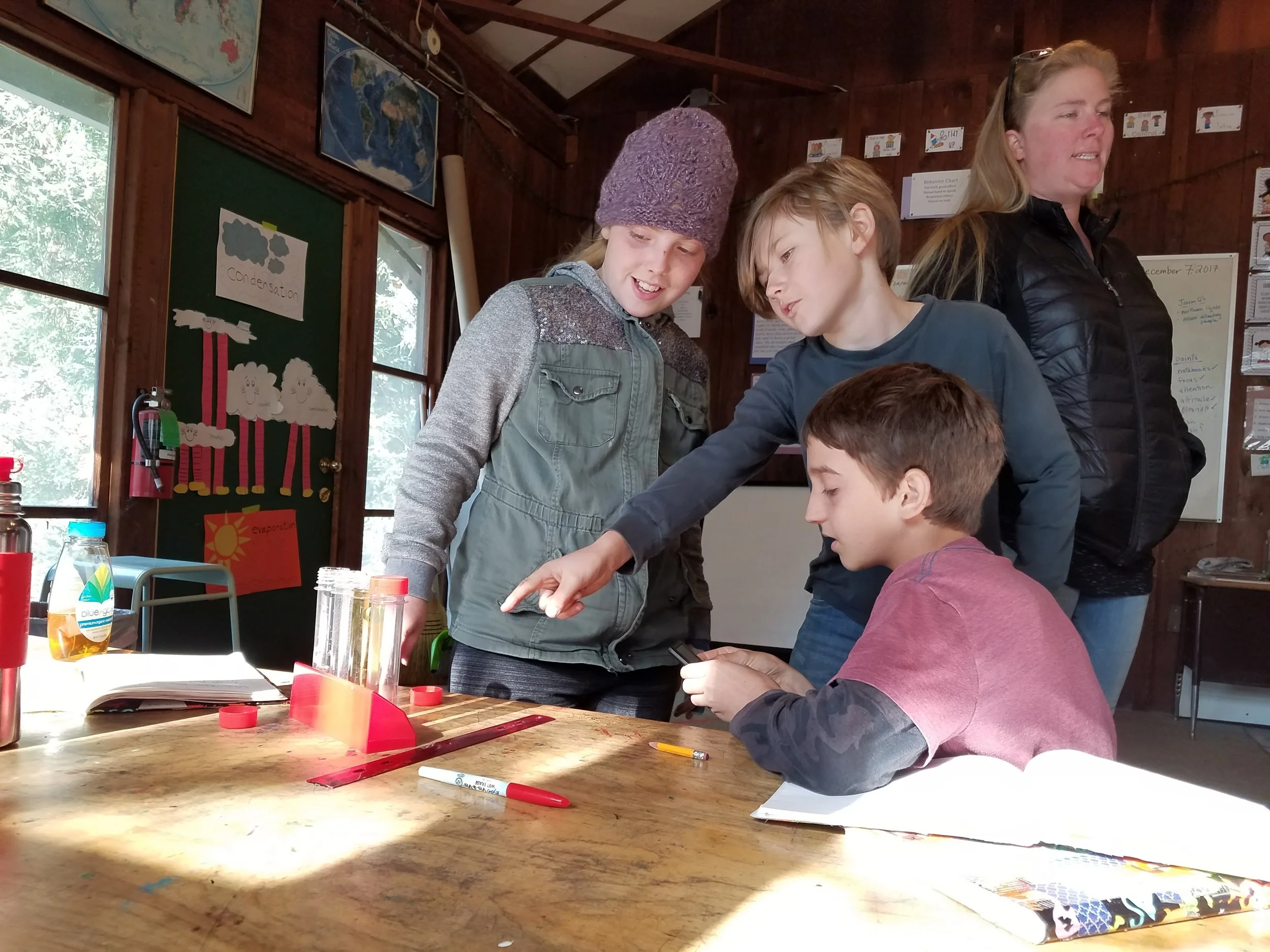
We culminated our geology unit with volcanoes! Students explored the different common types of volcanoes through a short internet research task. They explored the concept of viscosity, how thick a liquid is, which pertains to the shape of the volcano that is formed and how quickly or slowly lava spreads. We did this by dropping marbles into different liquids and timing their descent. Finally, students tested different ratios of baking soda, vinegar and other powders to create lava flows of different viscosities on the volcano models.
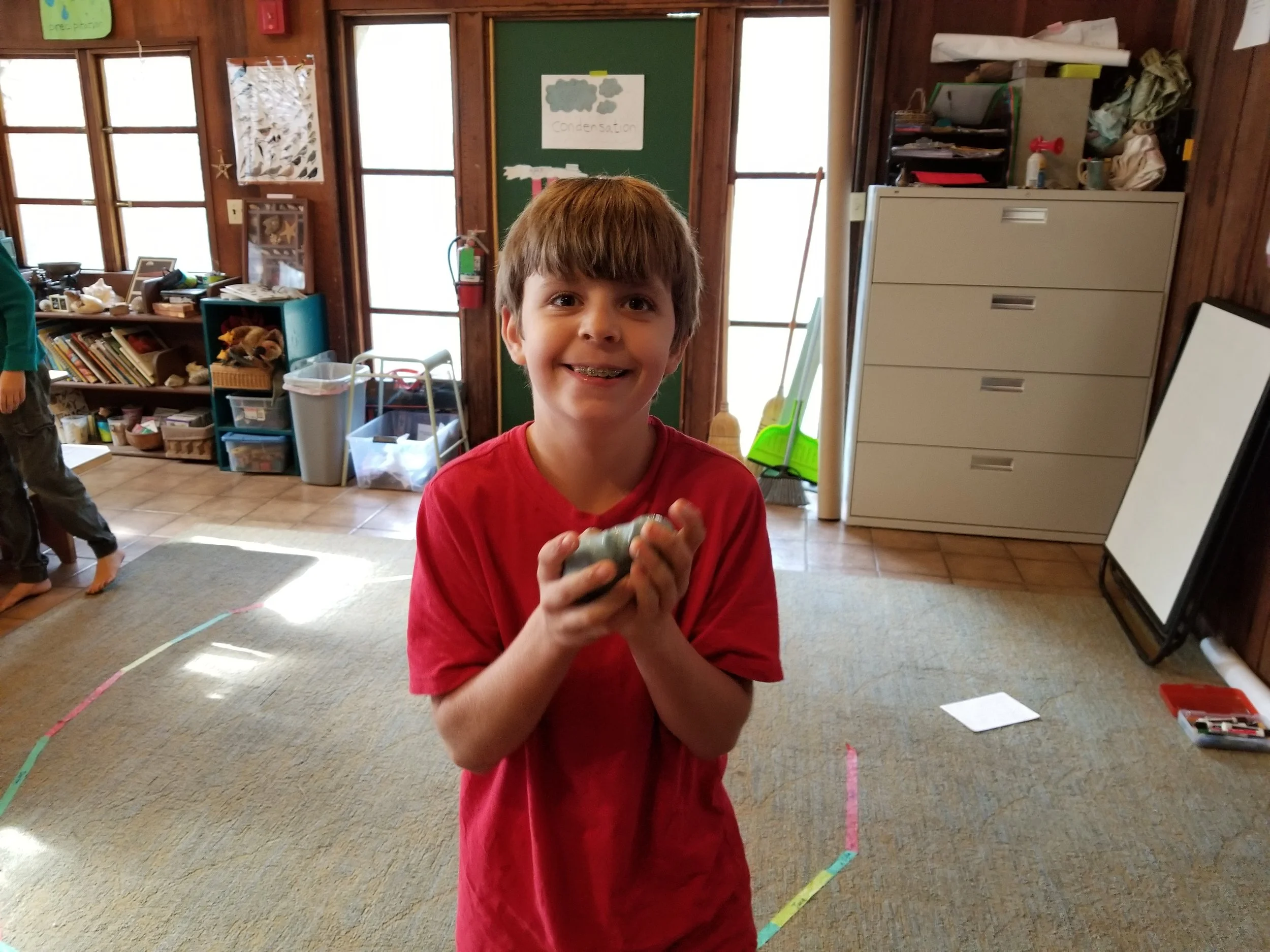
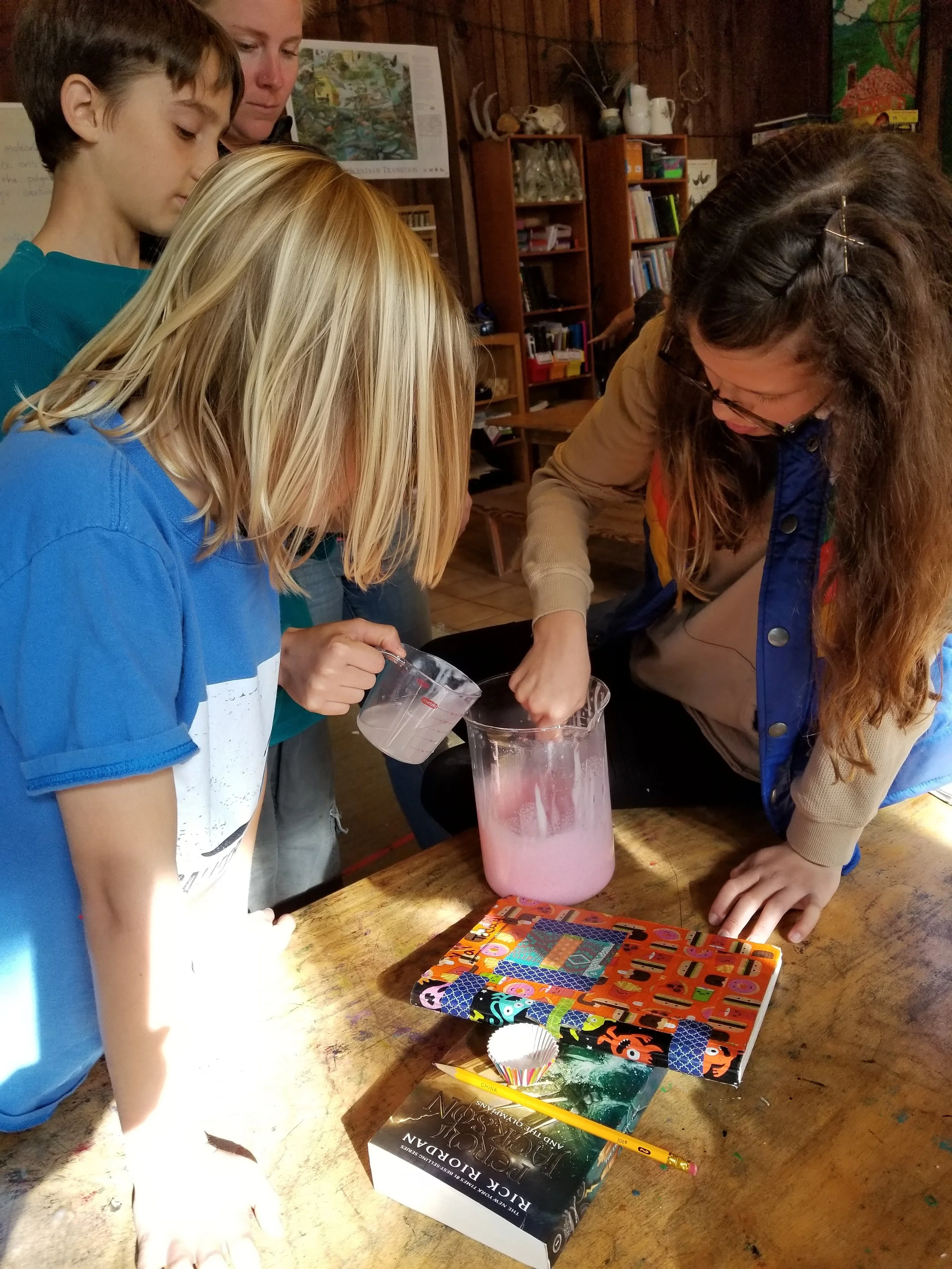
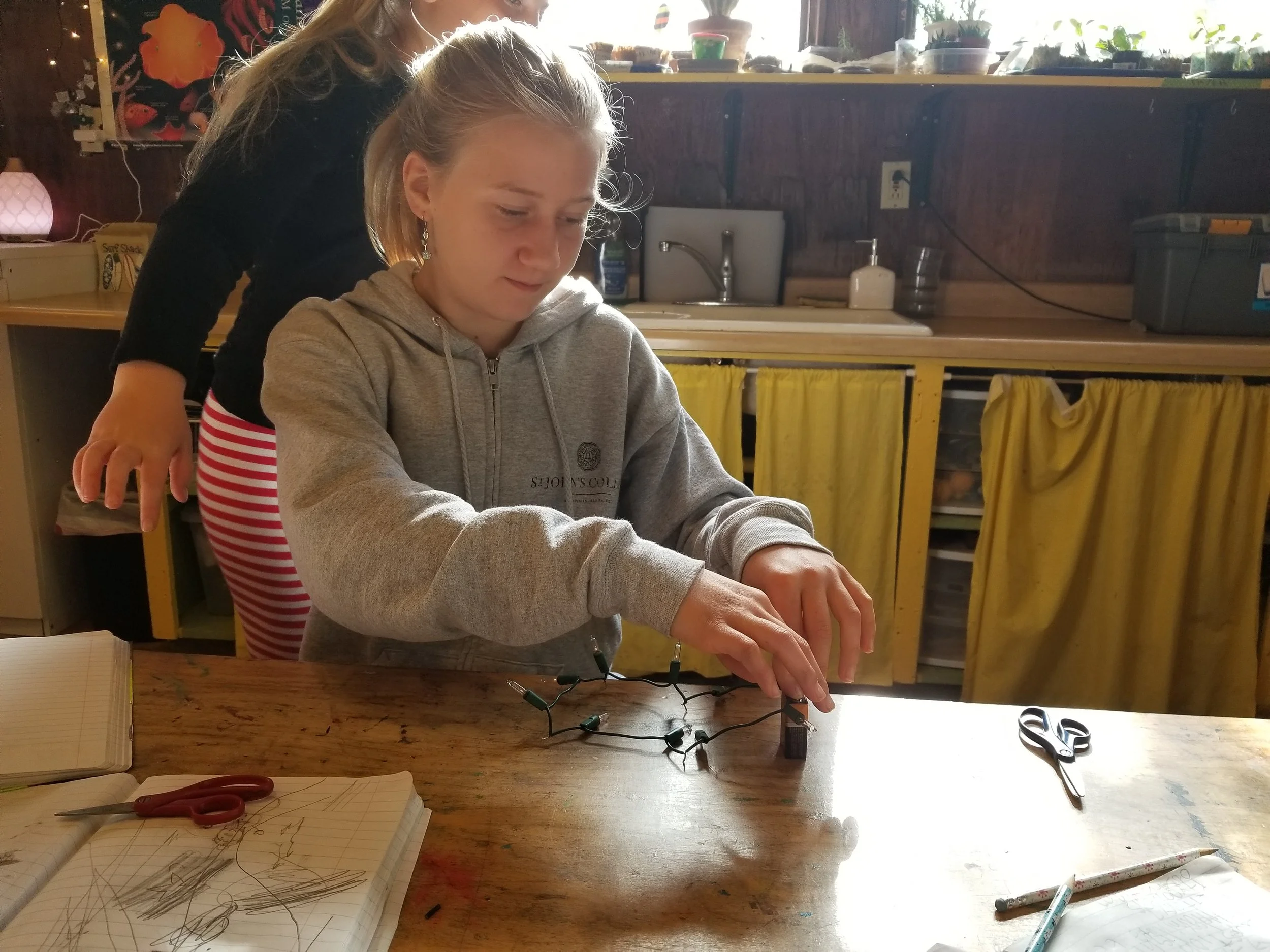
The week leading up to winter break we explored holiday lights and determined the different maximum number of lights that can be illuminated with batteries of various voltages. We made batches of “winter” slime with glue, borax solution, shaving cream and glitter.
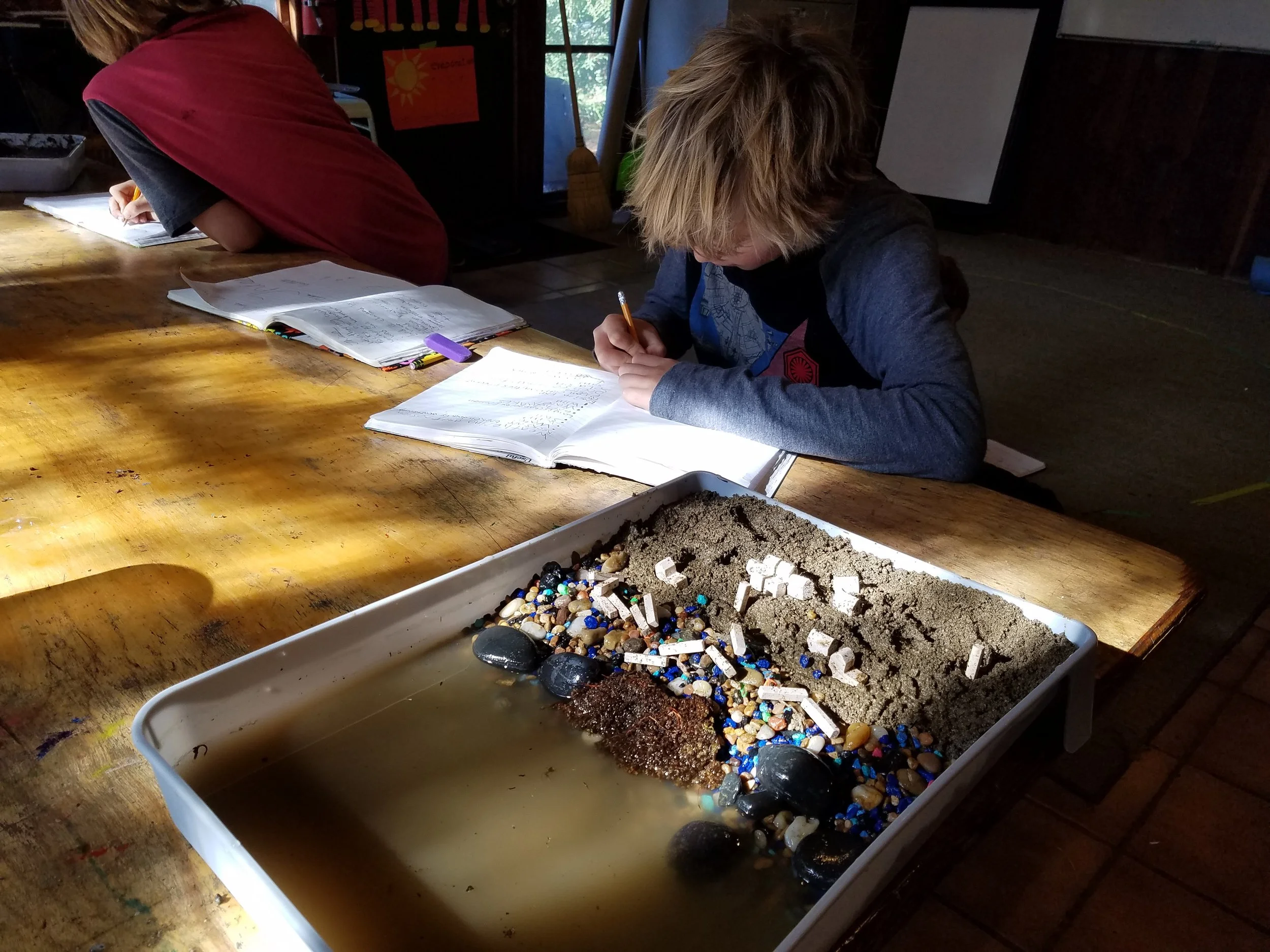
Coastal erosion investigation.
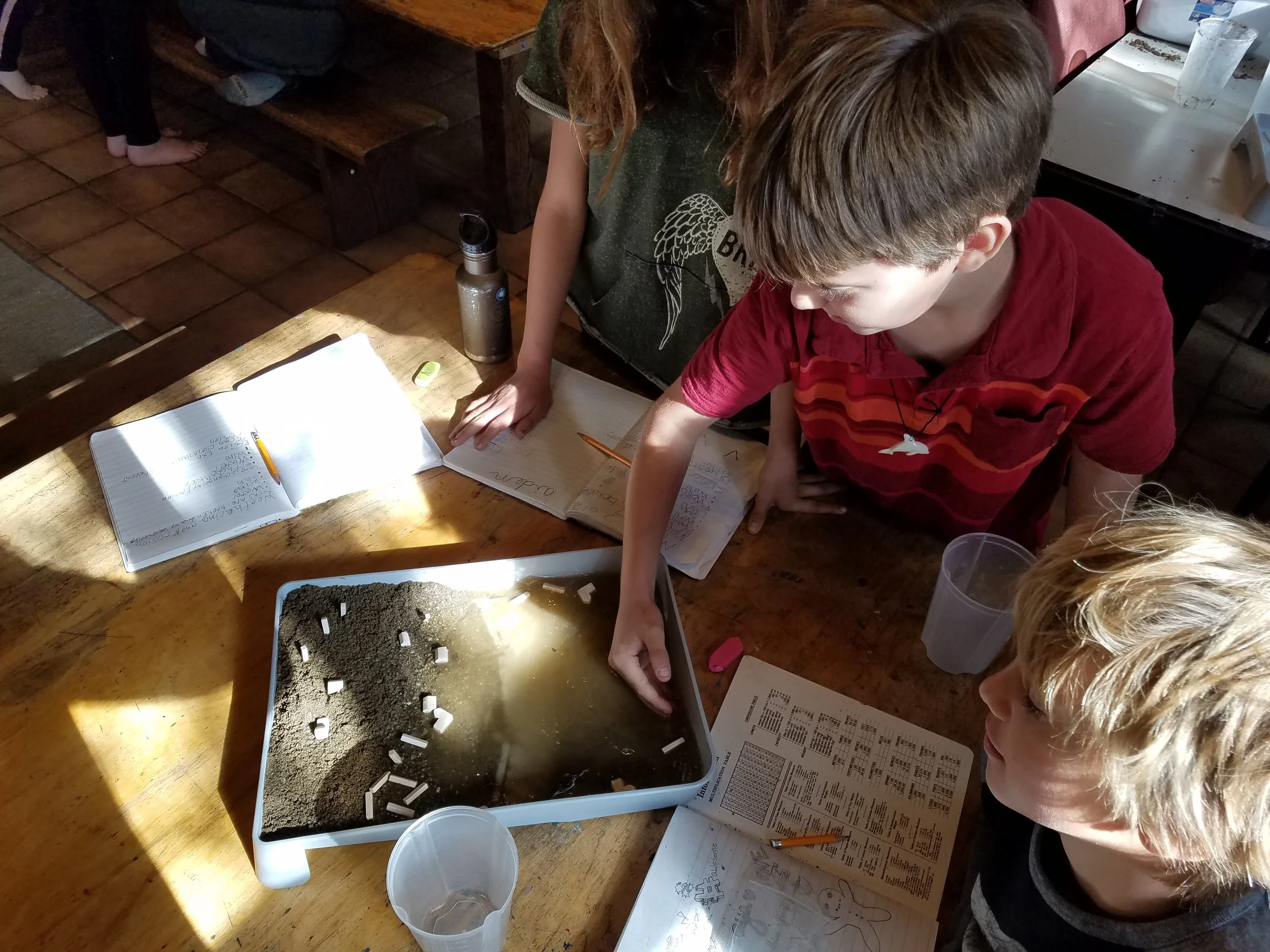
Making large winter storm waves.
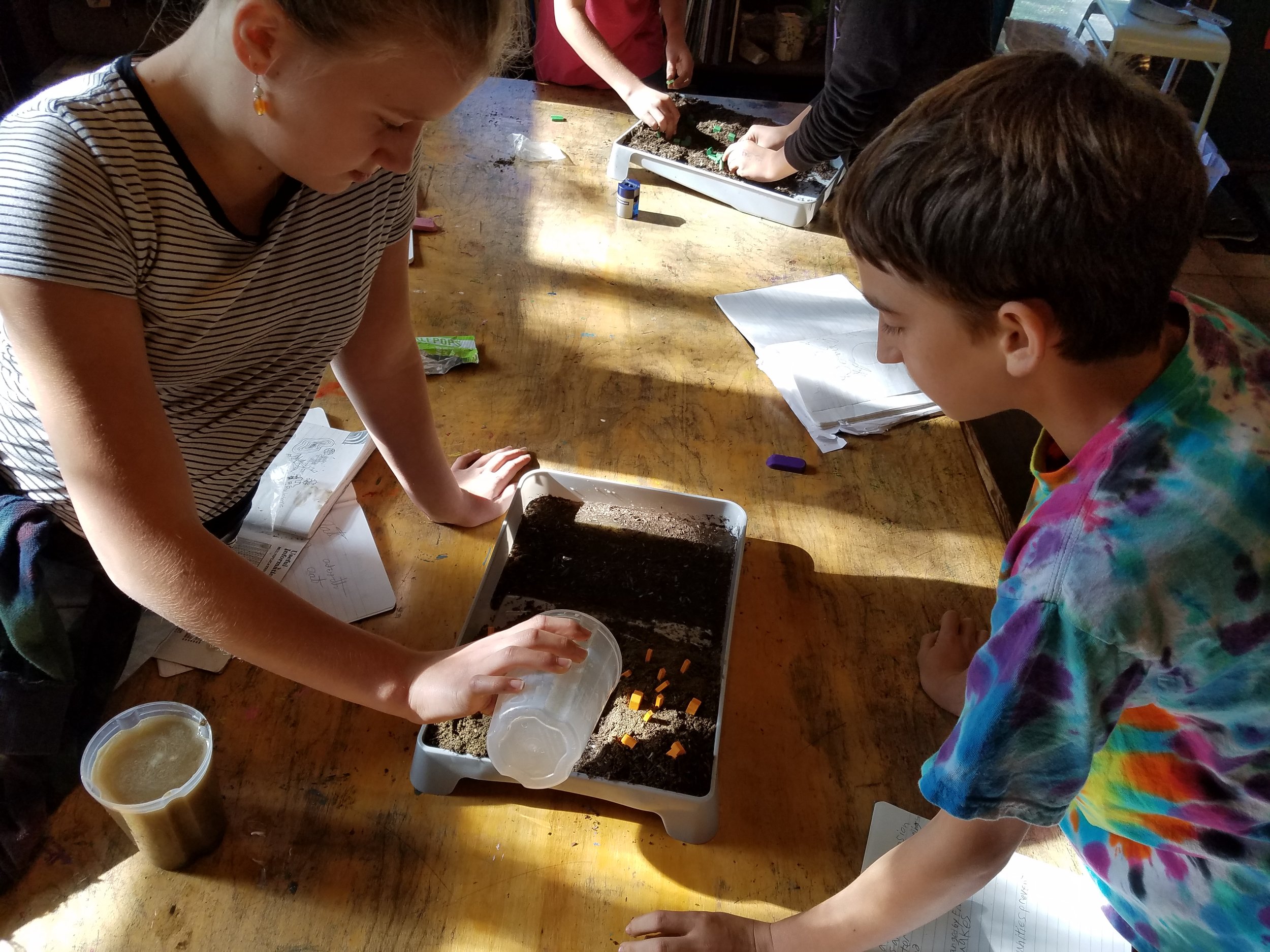
Pouring in the river.
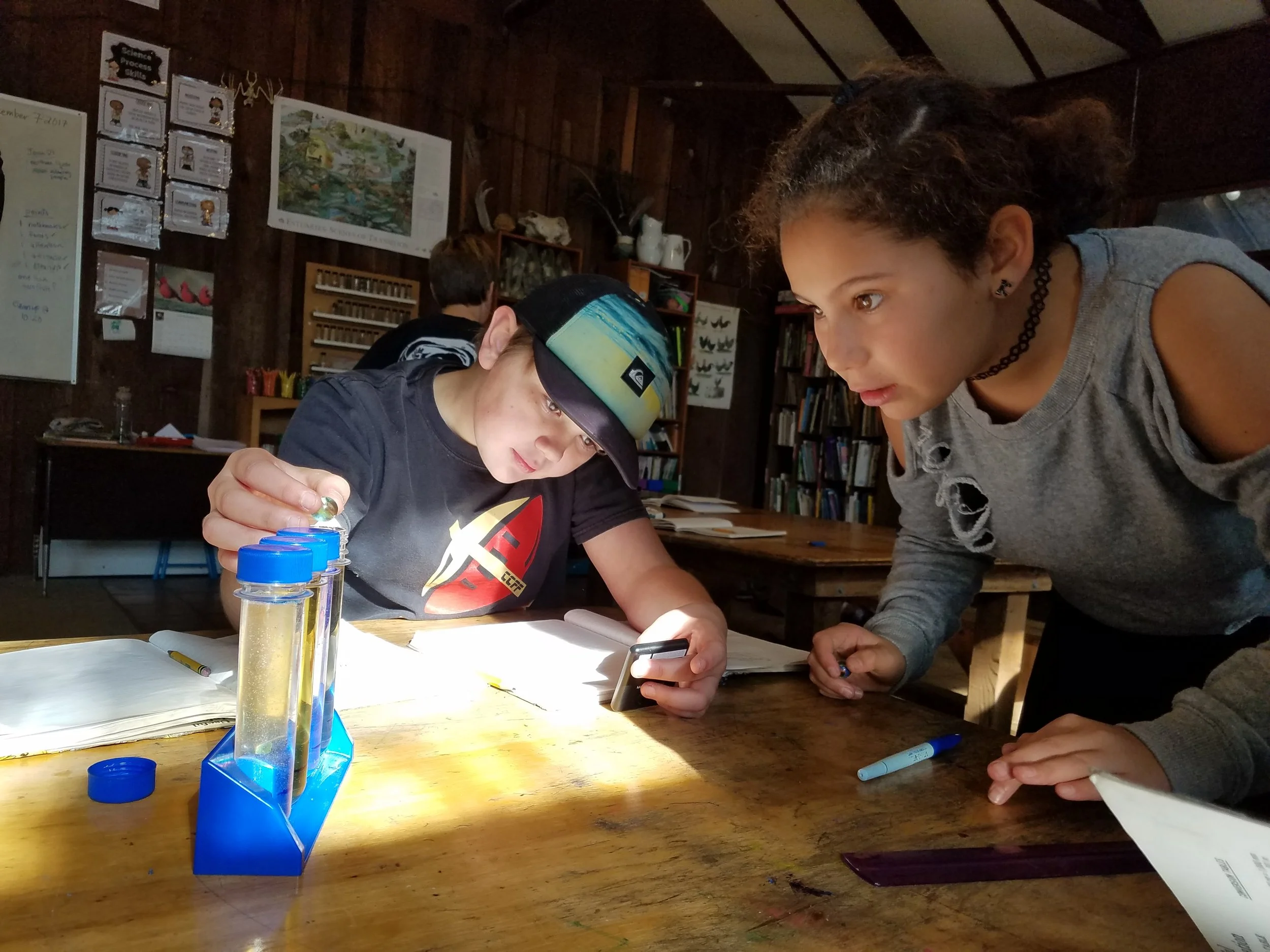
Measuring viscosity.
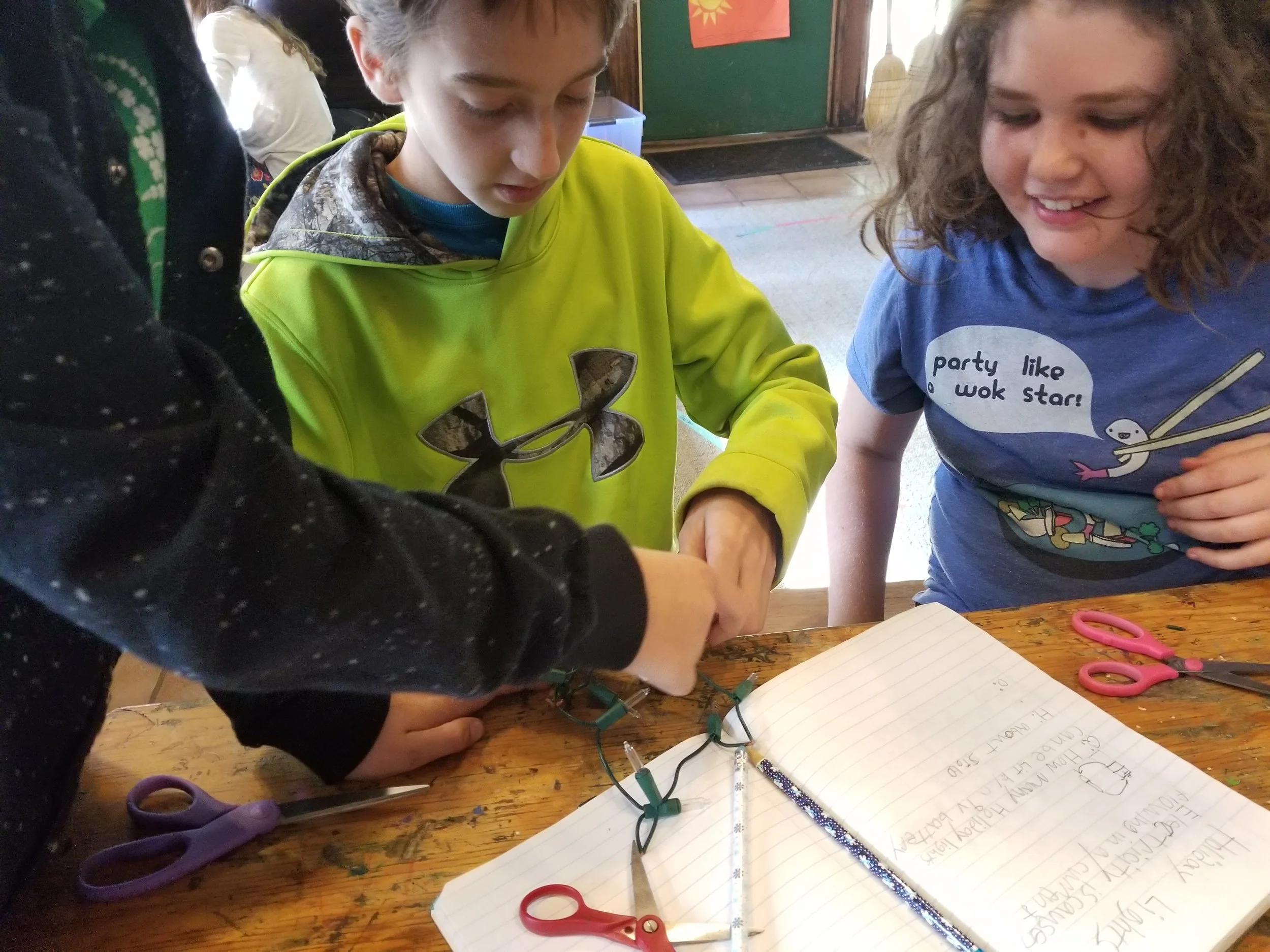
Holiday lights!
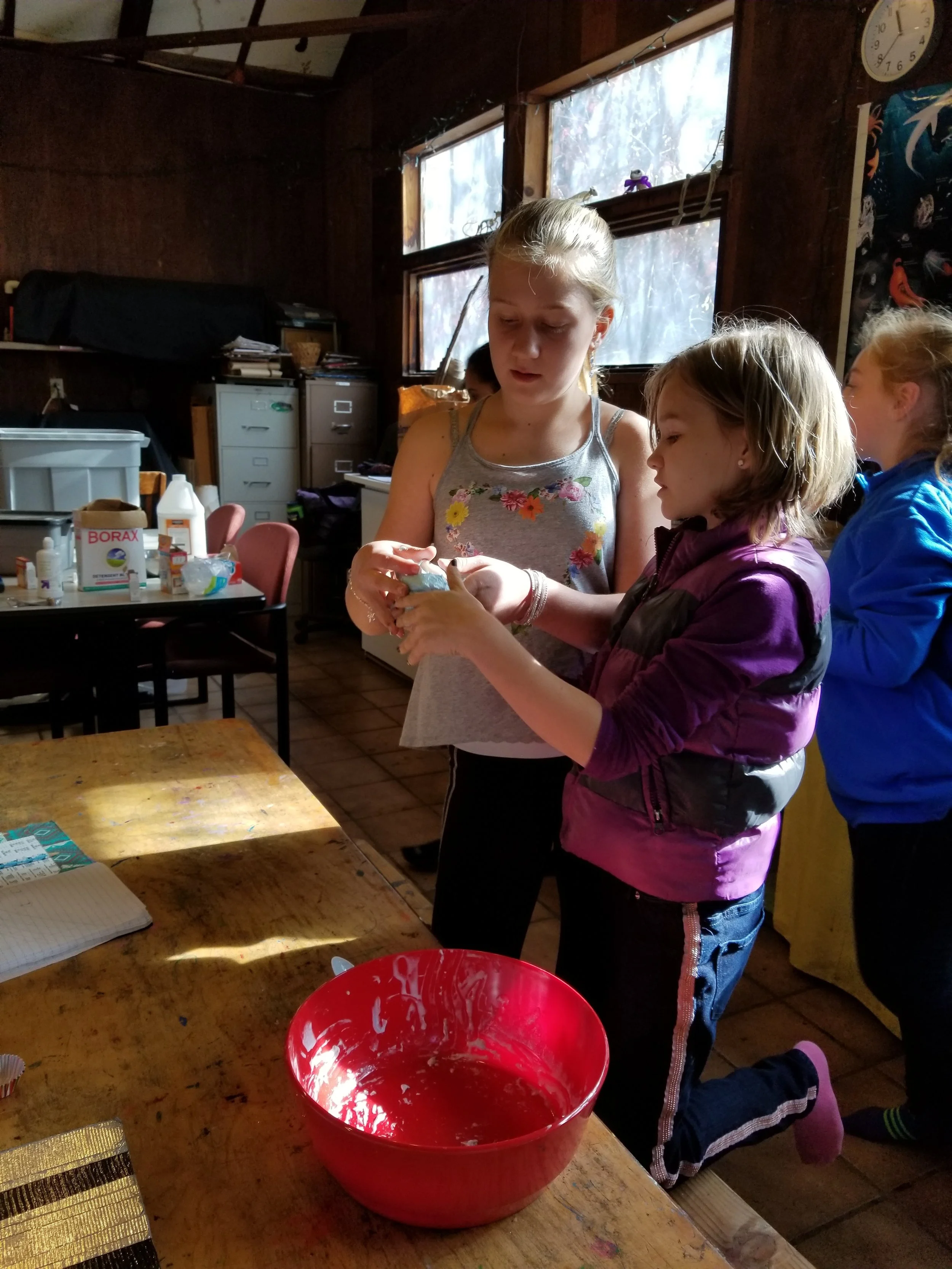
Slime!!