
MATH: Settling into a Rhythm
Hi. I can’t believe it is almost Back to School Night (ok, so I wrote this post last weekend). The first few weeks were all about setting up routines and forming new relationships. The students seem really happy with their new grade combination and the new students have been warmly embraced and included.
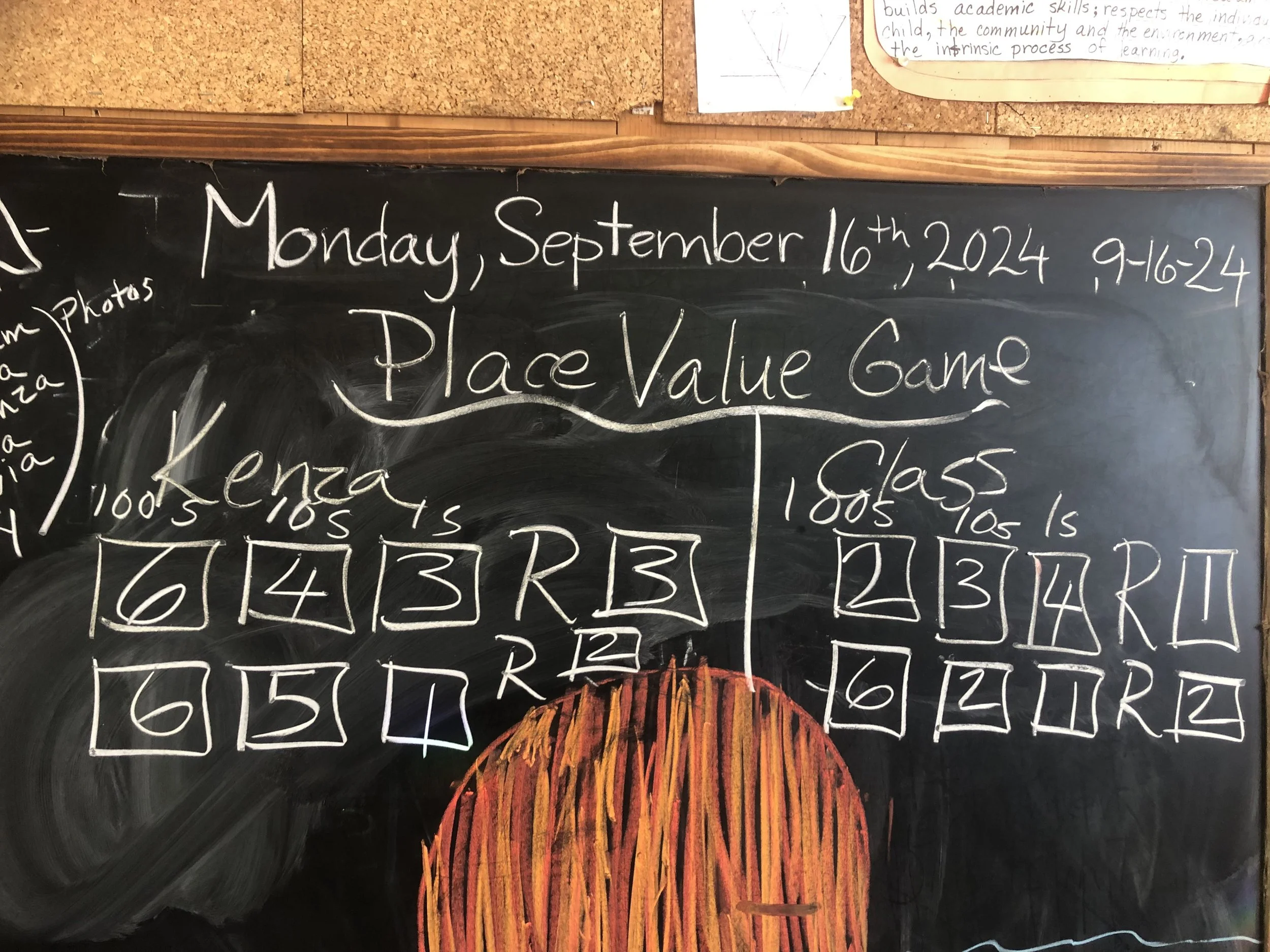
I began our math investigations with a problem called The Firehouse Problem, in which students work in partnerships or independently, to place the fewest firehouses in a town while still providing coverage for each home. Students also bonded by playing the place value game with a partner. We furthered our understanding of place value through mental math activities using the 0-9 tiles to create a number by following a set of clues.
One of the Everyday Math activities that I love is the concept of Equivalent Names for Numbers or a Broken Calculator activity, in which students try to represent a number in the most ways possible. We had a lot of fun with this exercise.
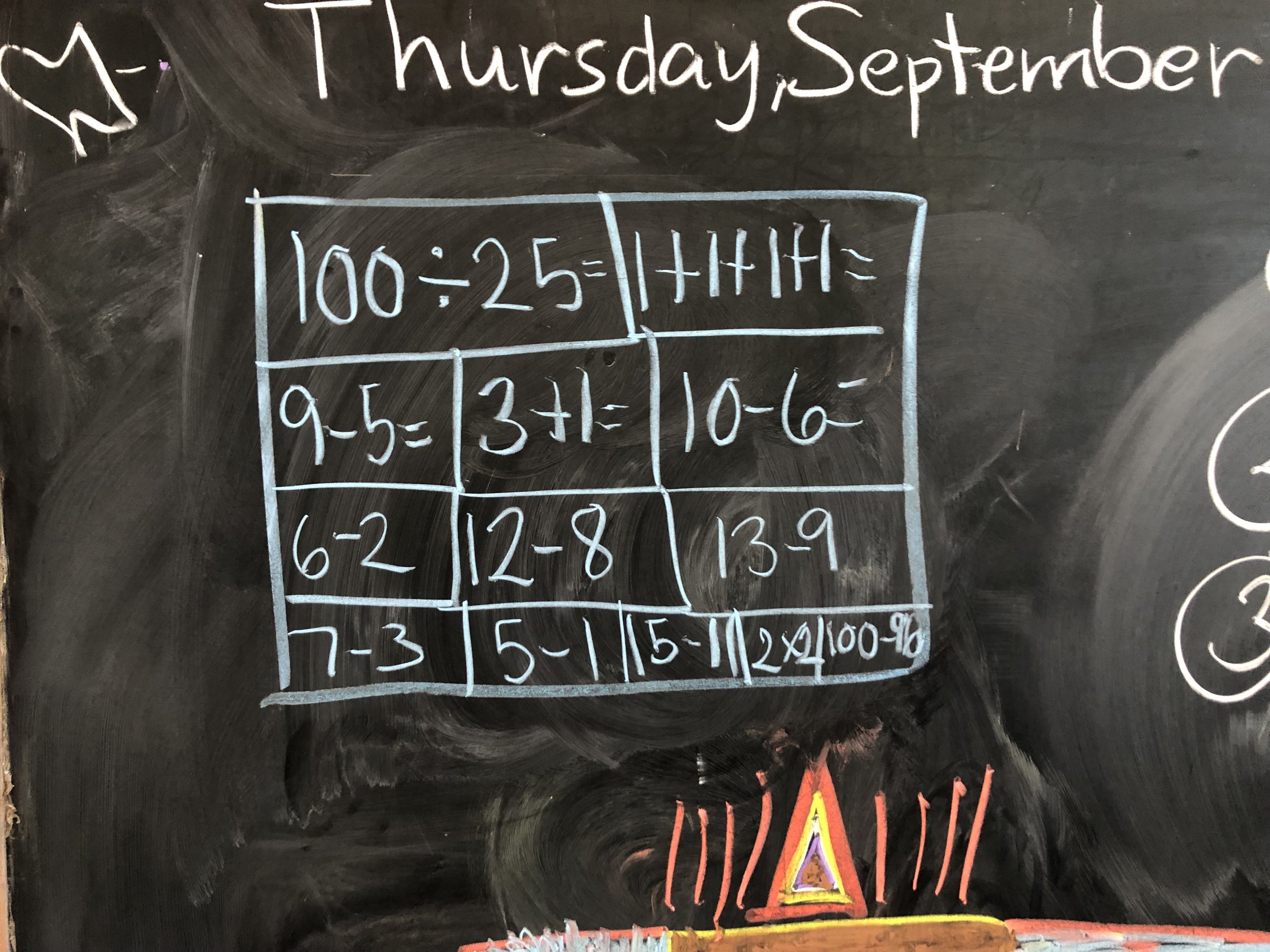
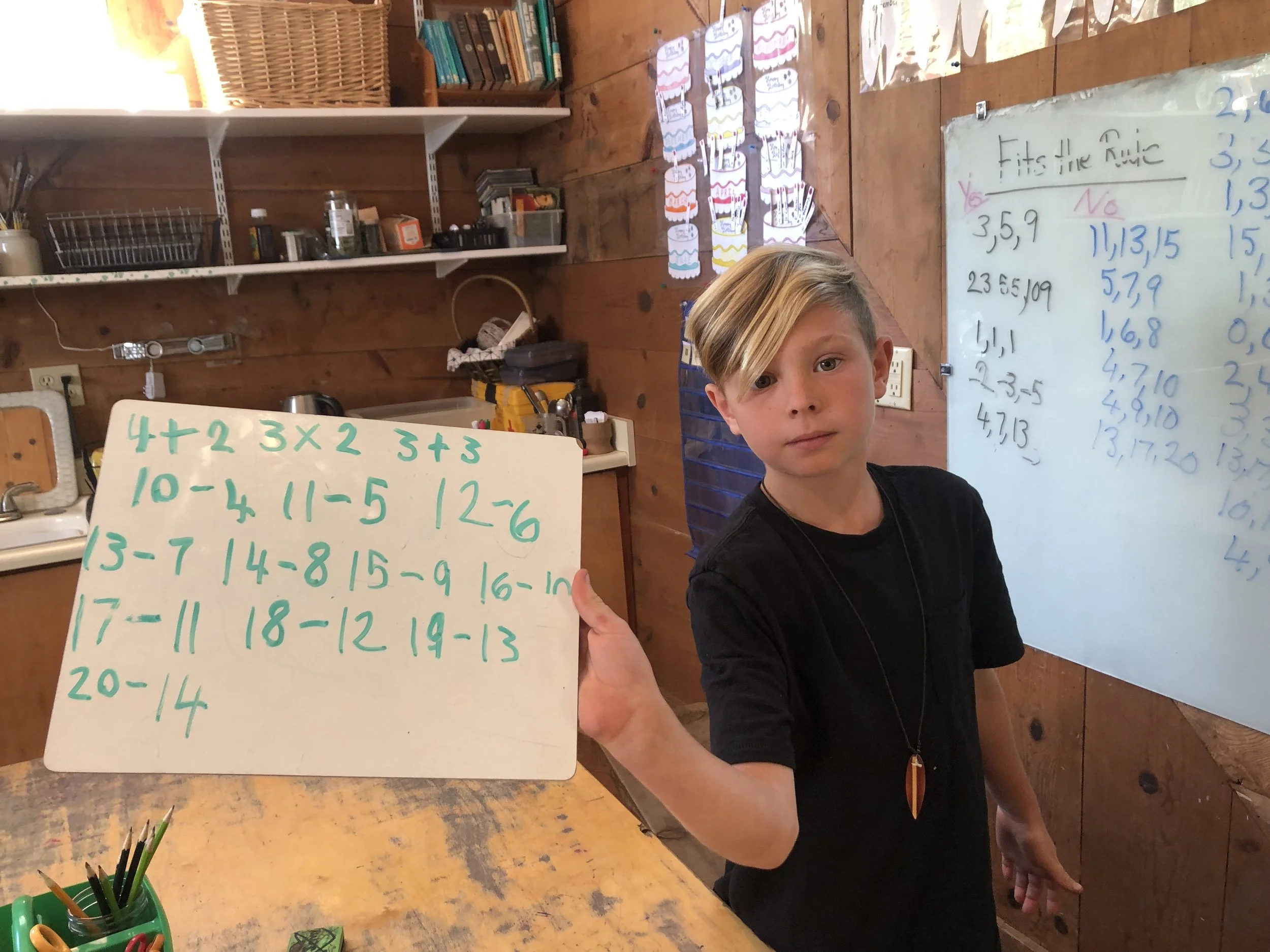
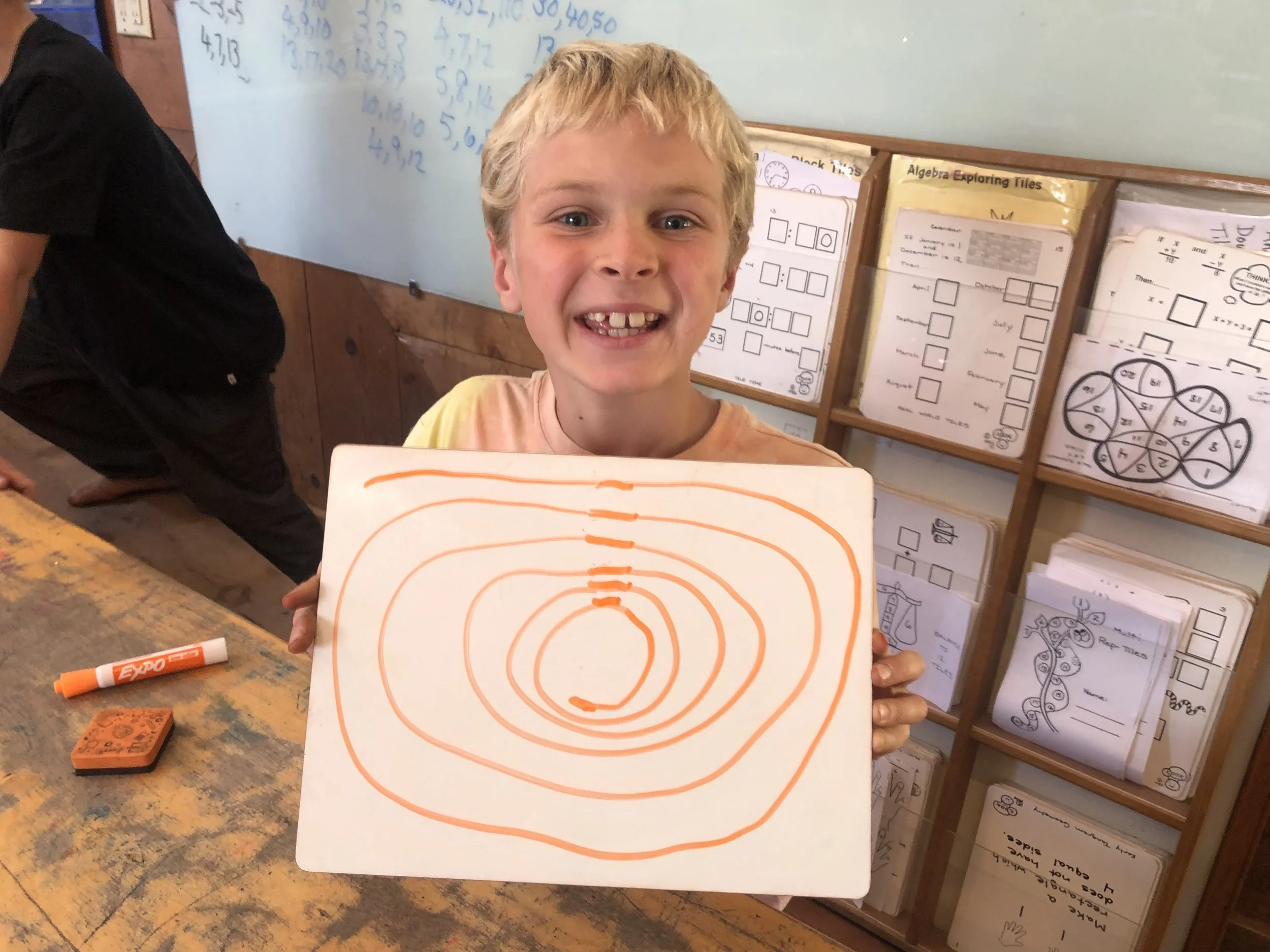
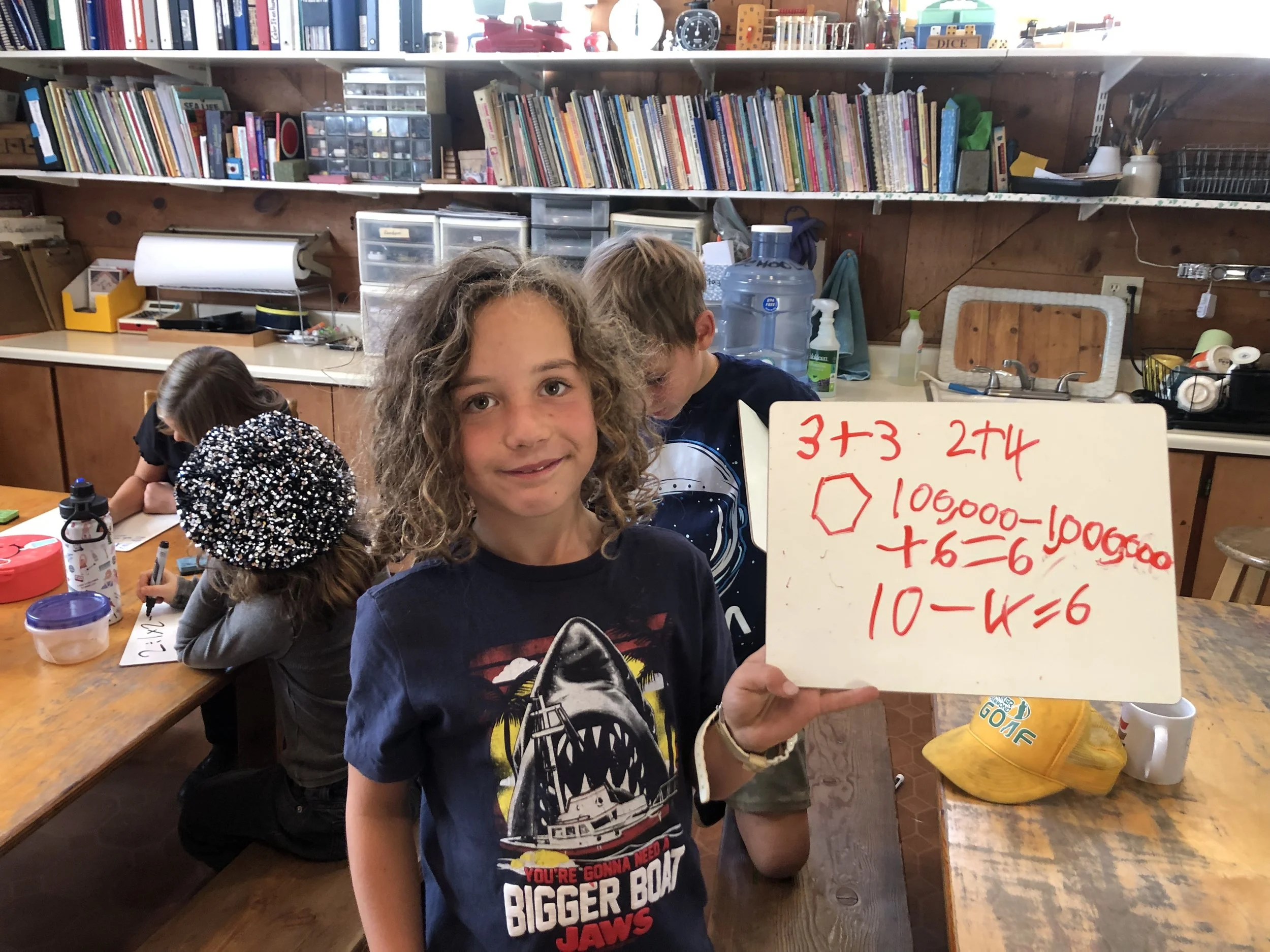
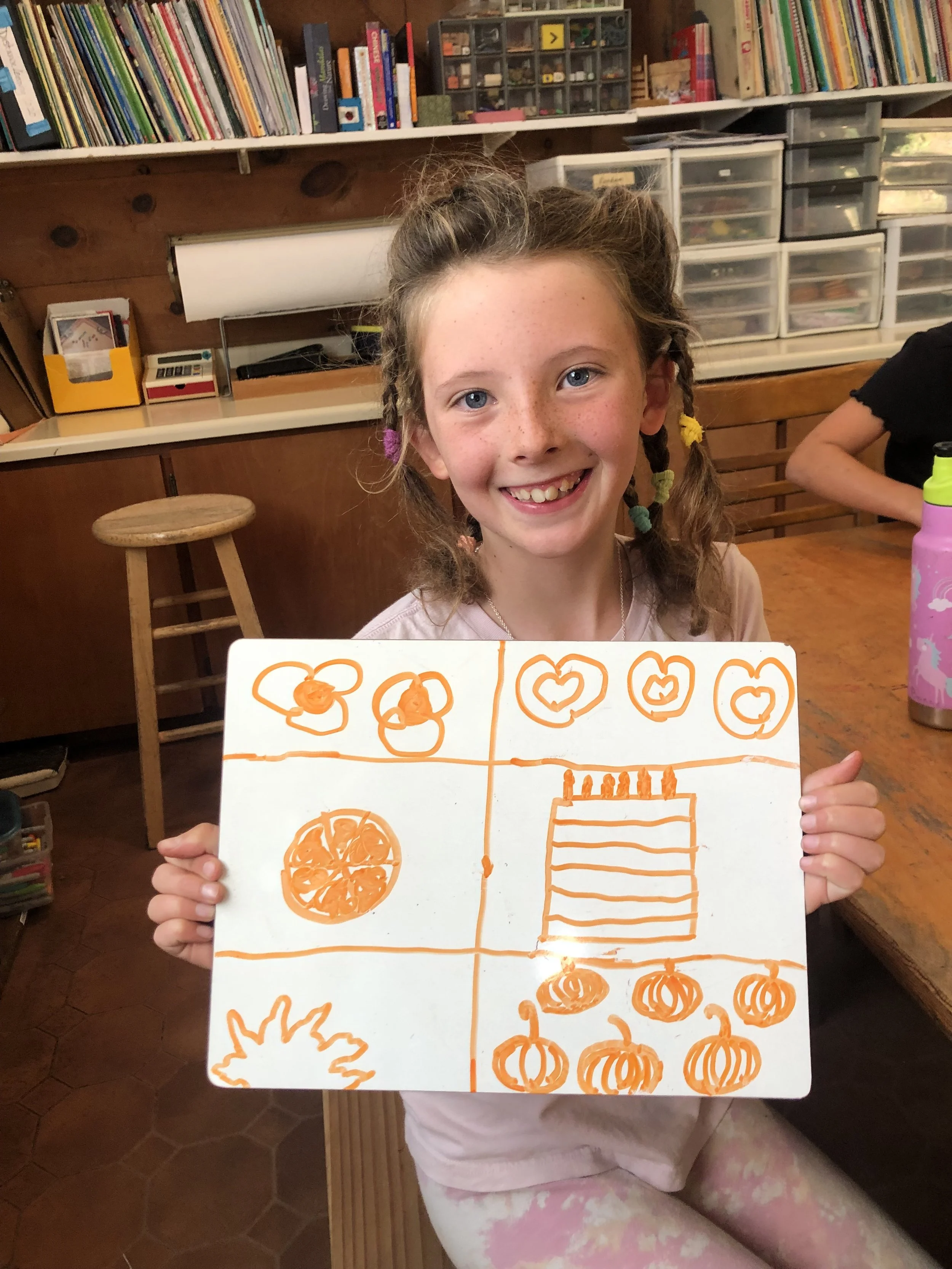
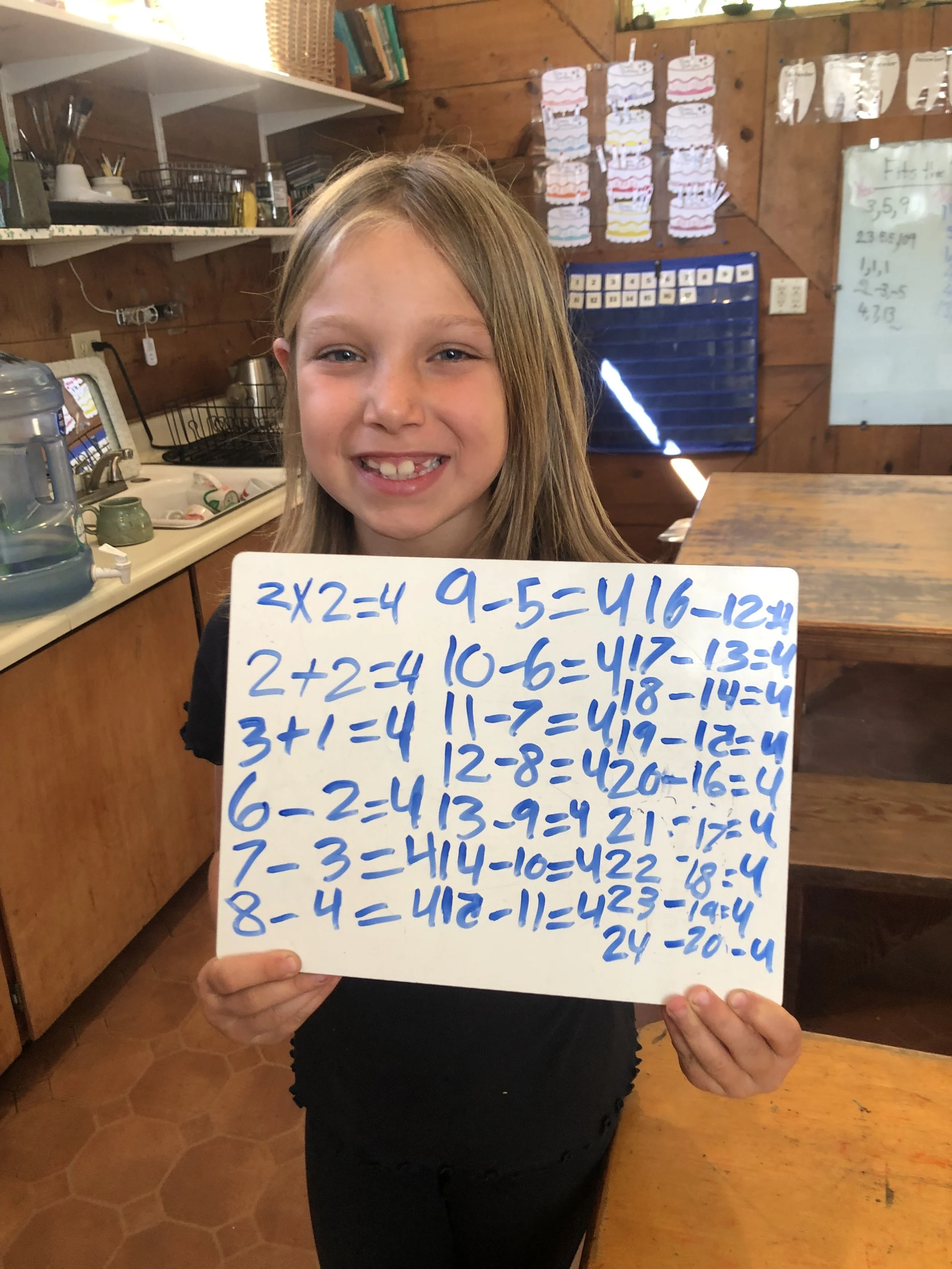
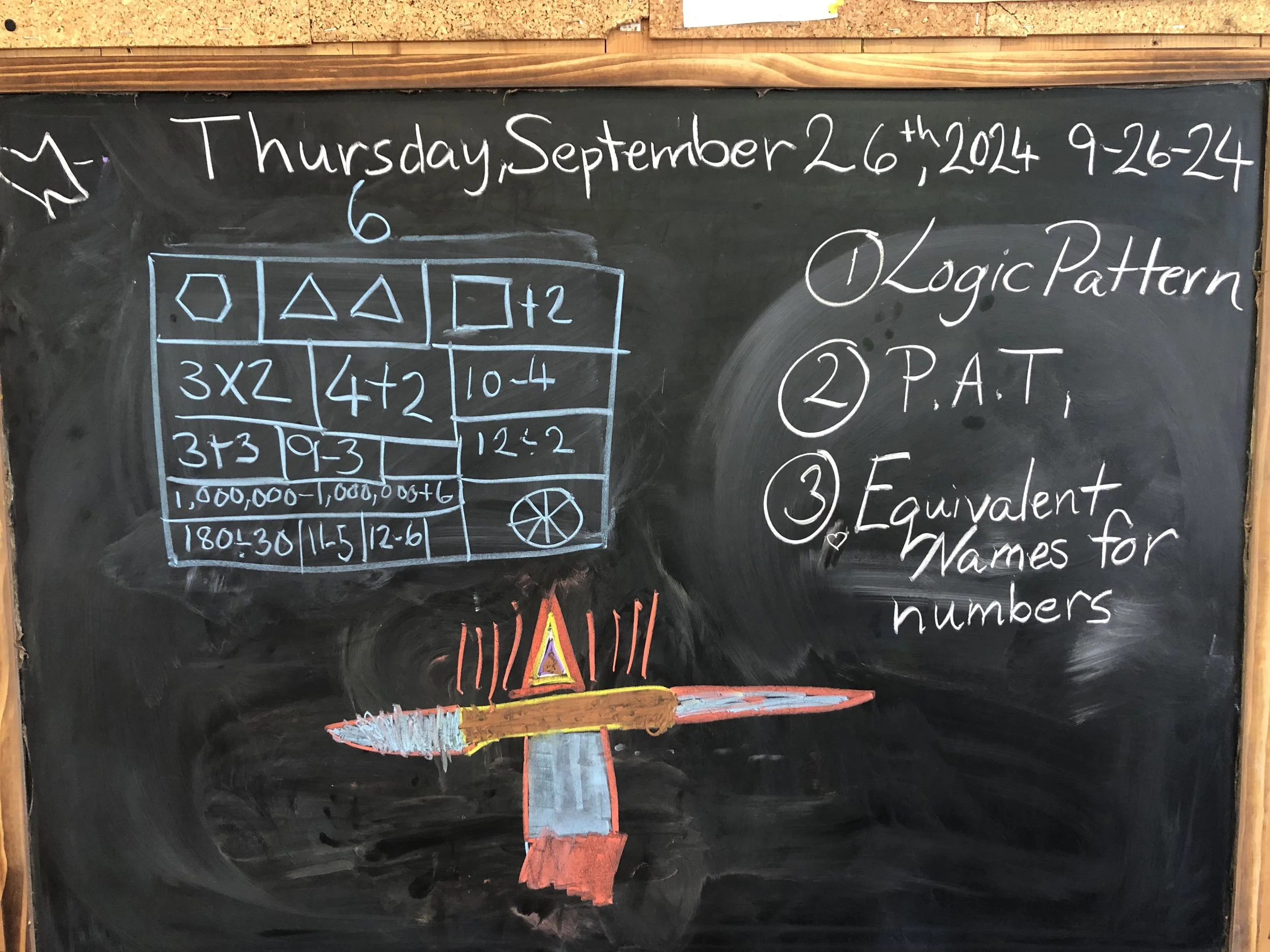
In terms of routines, we start every Monday with folder choice, Tuesdays with facts practice or mental math activities, Wednesdays sharing circle and positive discipline curriculum, Thursdays with a logic pattern created by one of the students. Two ways we have practiced math facts thus far are by completing skillboard activities with a partner and doing flip overs. The math quizzer role has given us a chance to explore multiplication of large numbers and I have introduced the concept of lattice multiplication to the fourth graders and some third grade students. Every Wednesday students work independently or with a partner on math challenges after our sharing circle.
Cooking for the harvest festival was a blast! The students did such a wonderful job of working together without much adult input to read their recipes and make delicious carrot cakes for the feast. After the harvest festival, each student picked out an apple and began the apple investigation, in which students predict how much their apple will weigh, how big it is around in inches, and how many ounces of juice it will produce. They then measure and juice and find the difference between their predictions and the actual data. We create a class list of the data and use it to determine totals, minimum and maximum values, as well as the average. Next will be Halloween and The Great Pumpkin Caper.