Math
I am truly enjoying getting to connect with the diverse and powerful personalities in this class. I am familiar with many of the students from my prior time at Orchard and have taught some of their older siblings. Third and fourth grades are such amazing years for learning because the students are beginning to feel confident in their reading and math skills and have the excitement and enthusiasm for new knowledge. I encourage parents to take advantage of these years by supporting their interests and providing opportunities for them to learn more in their areas of interest. This is Piaget’s developmental stage known as industry vs. inferiority, ages 7-11, in which accomplishments and knowledge are what stand out later in an individual’s memory. Also, this is the stage during which parents can share their opinions and values with their children before they move into the next stage in which they are exploring the worldviews of their peers and the outside world.
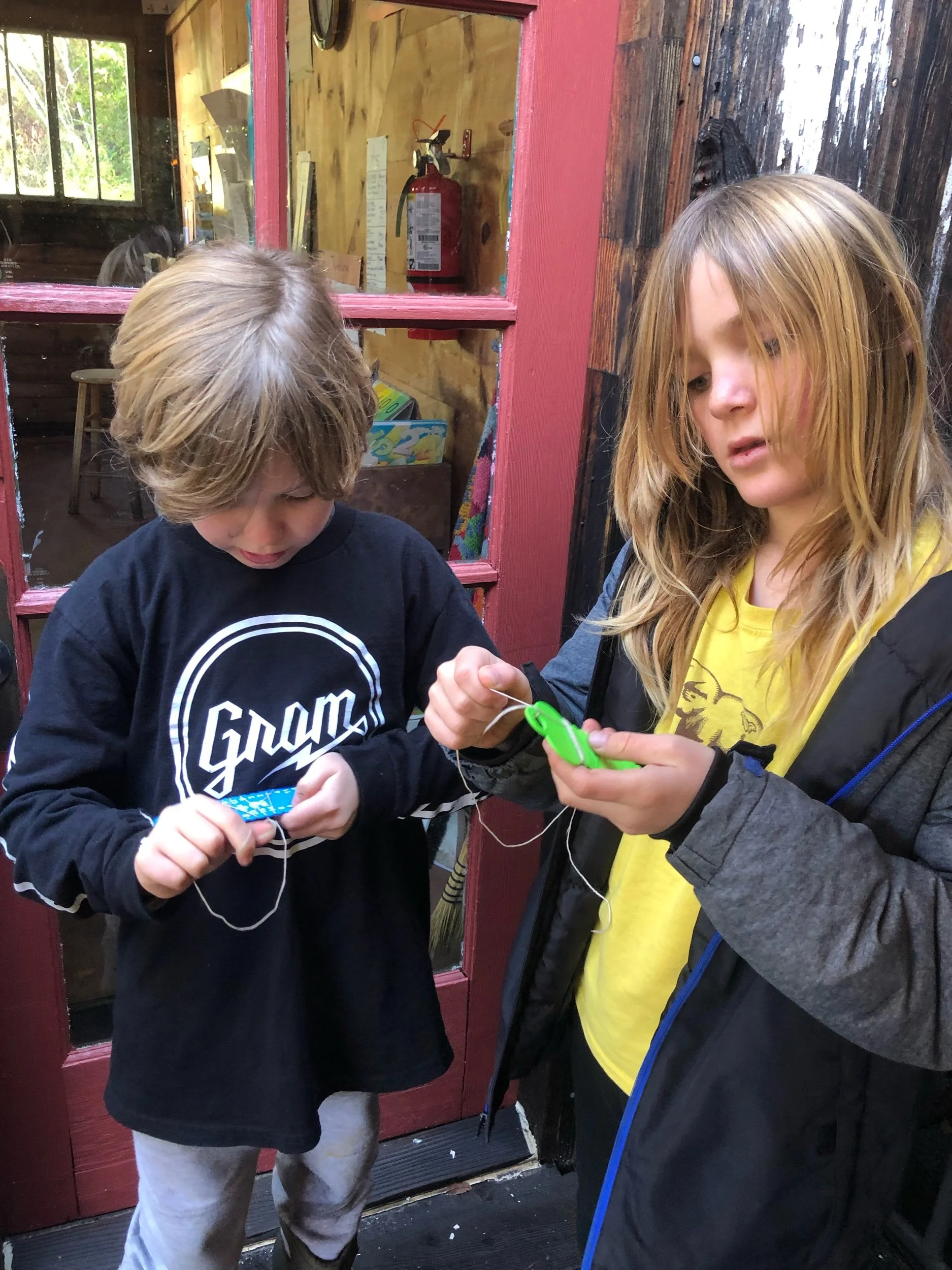
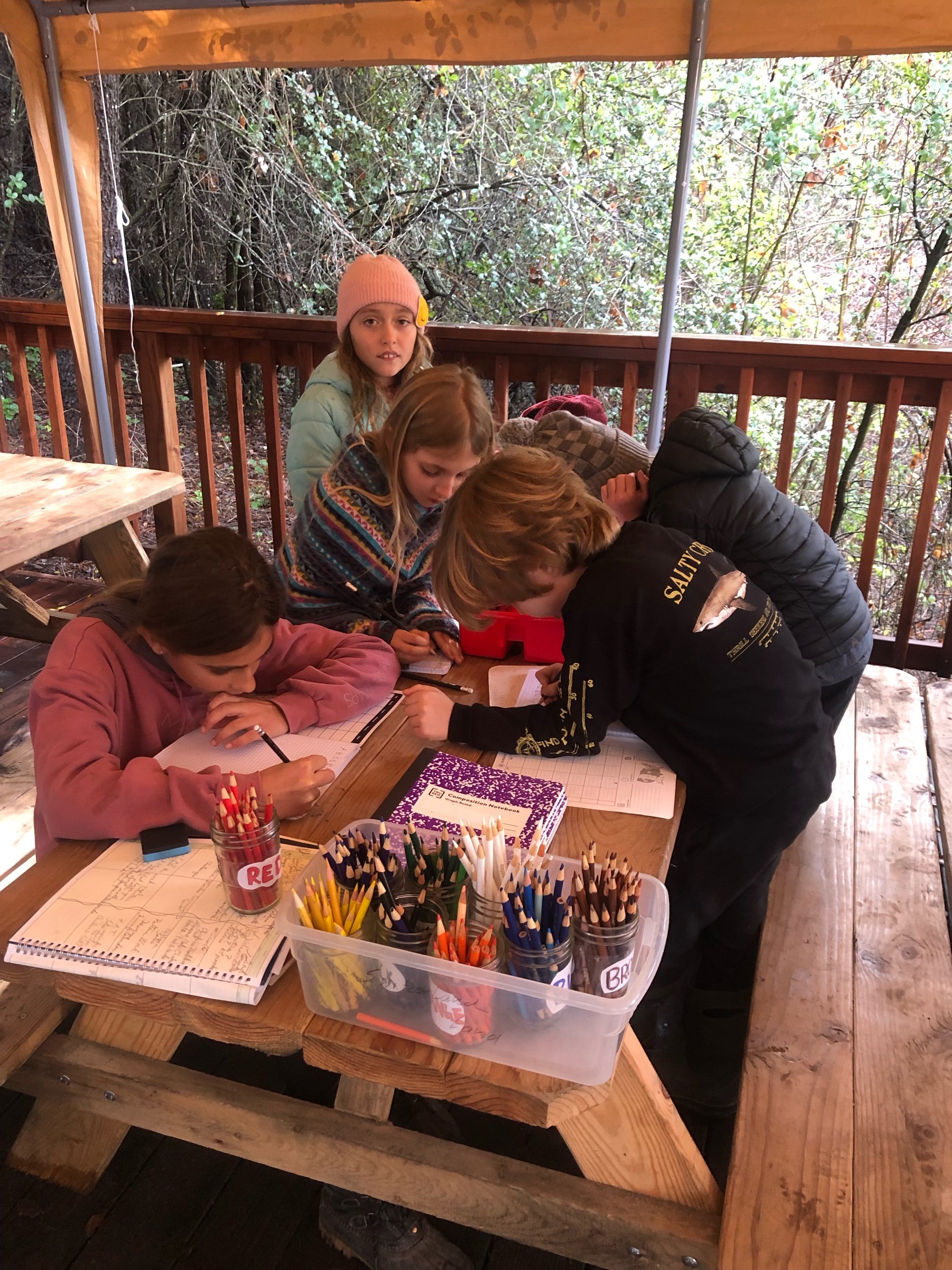
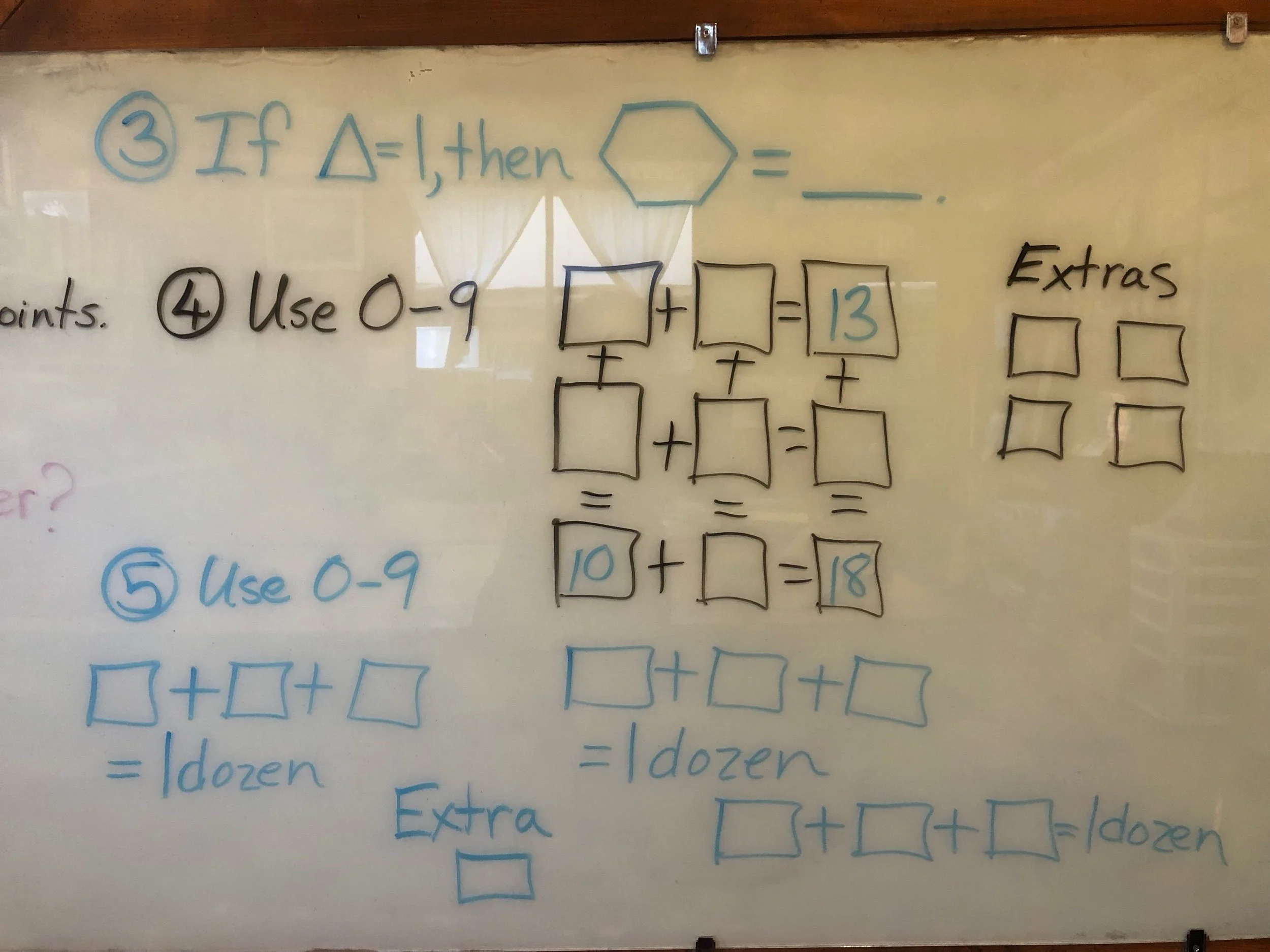
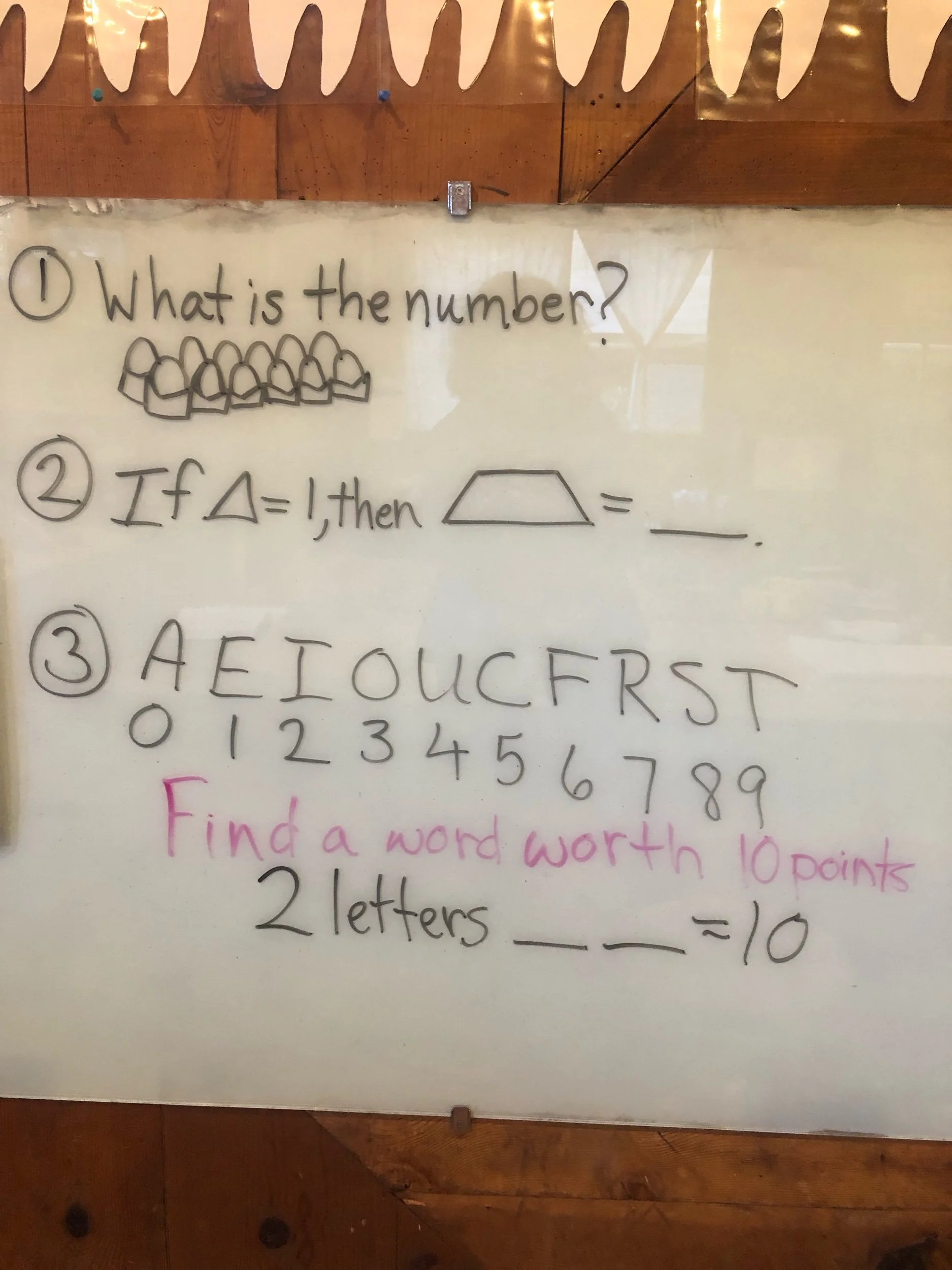
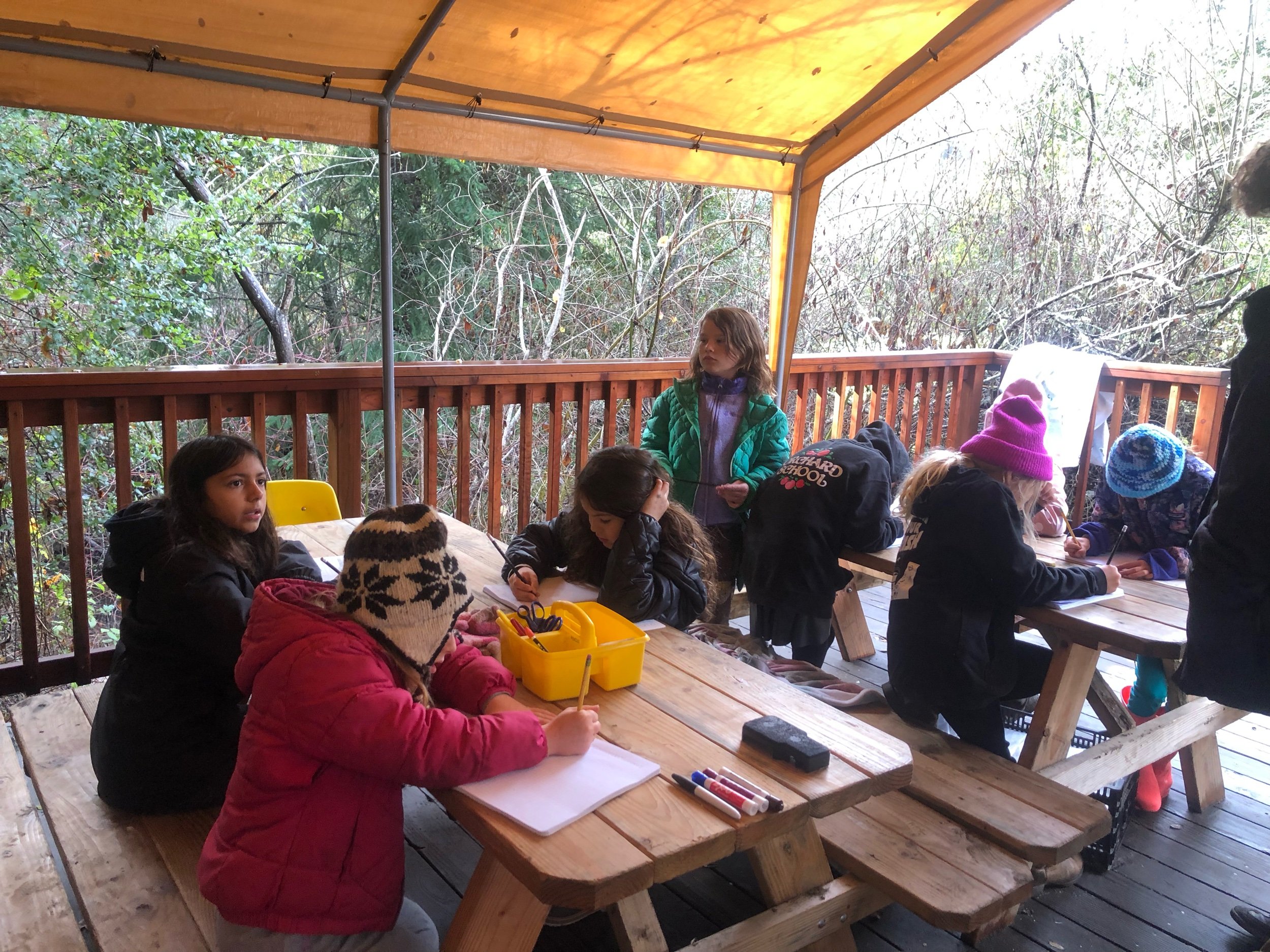
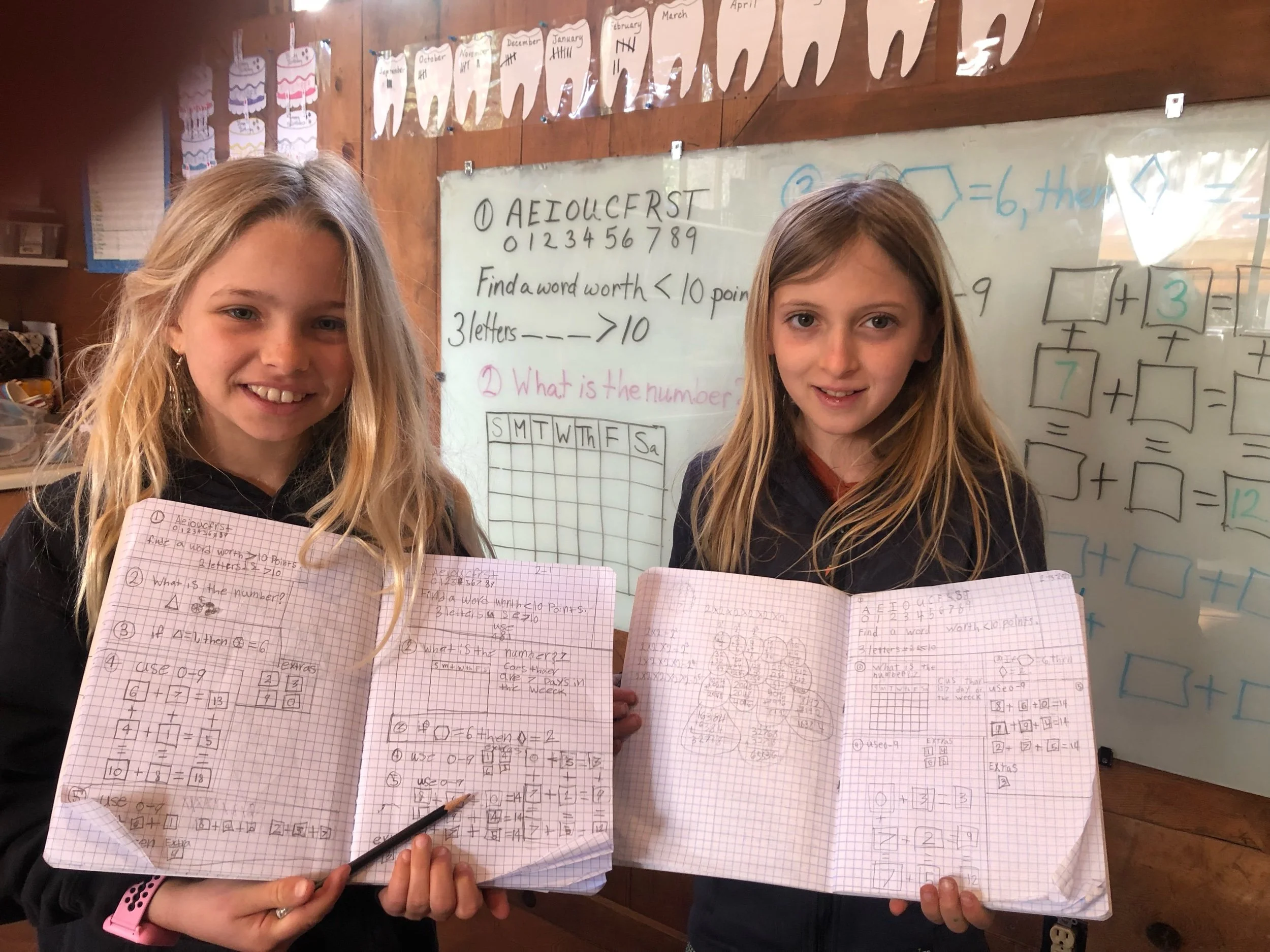
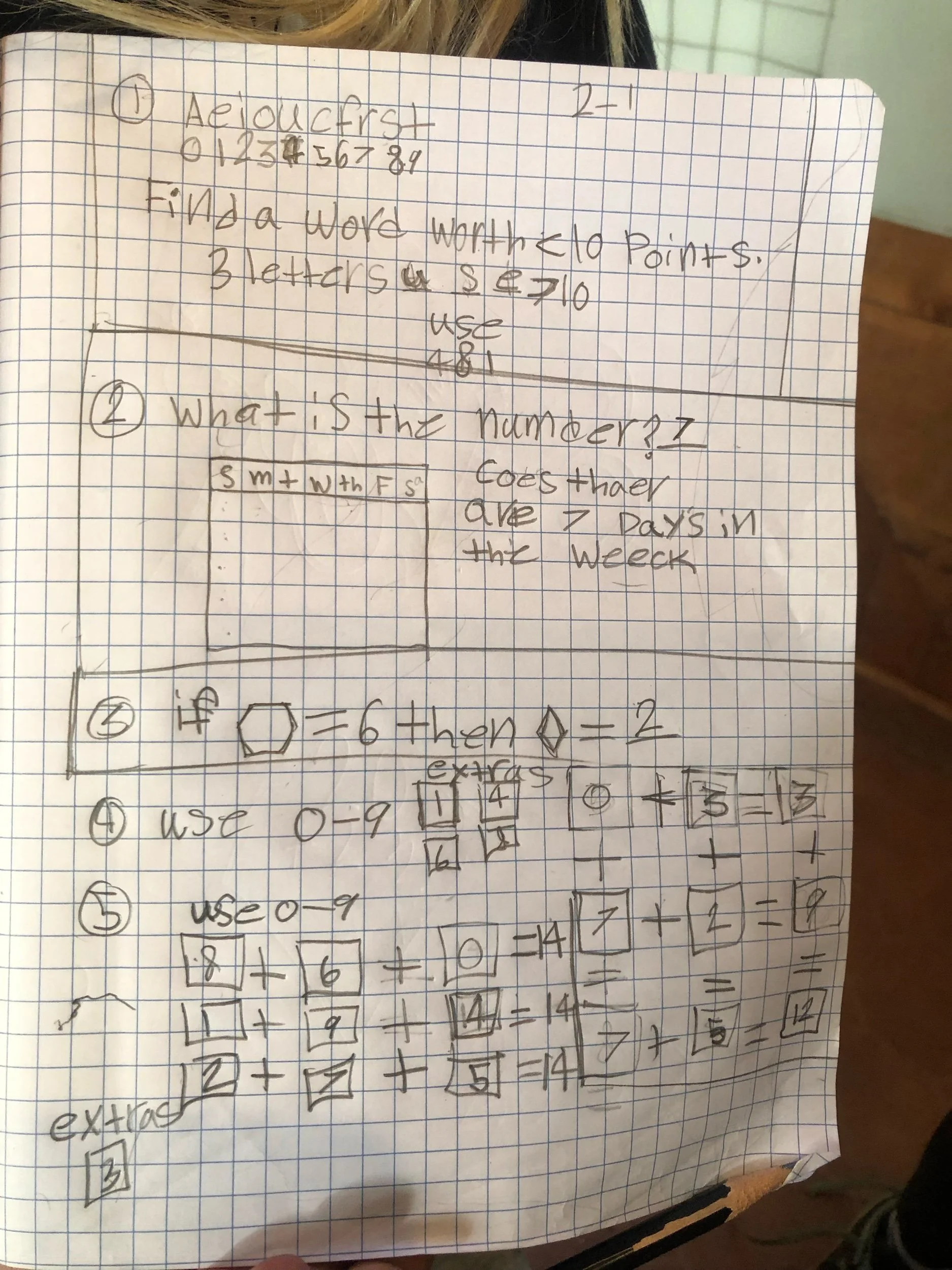
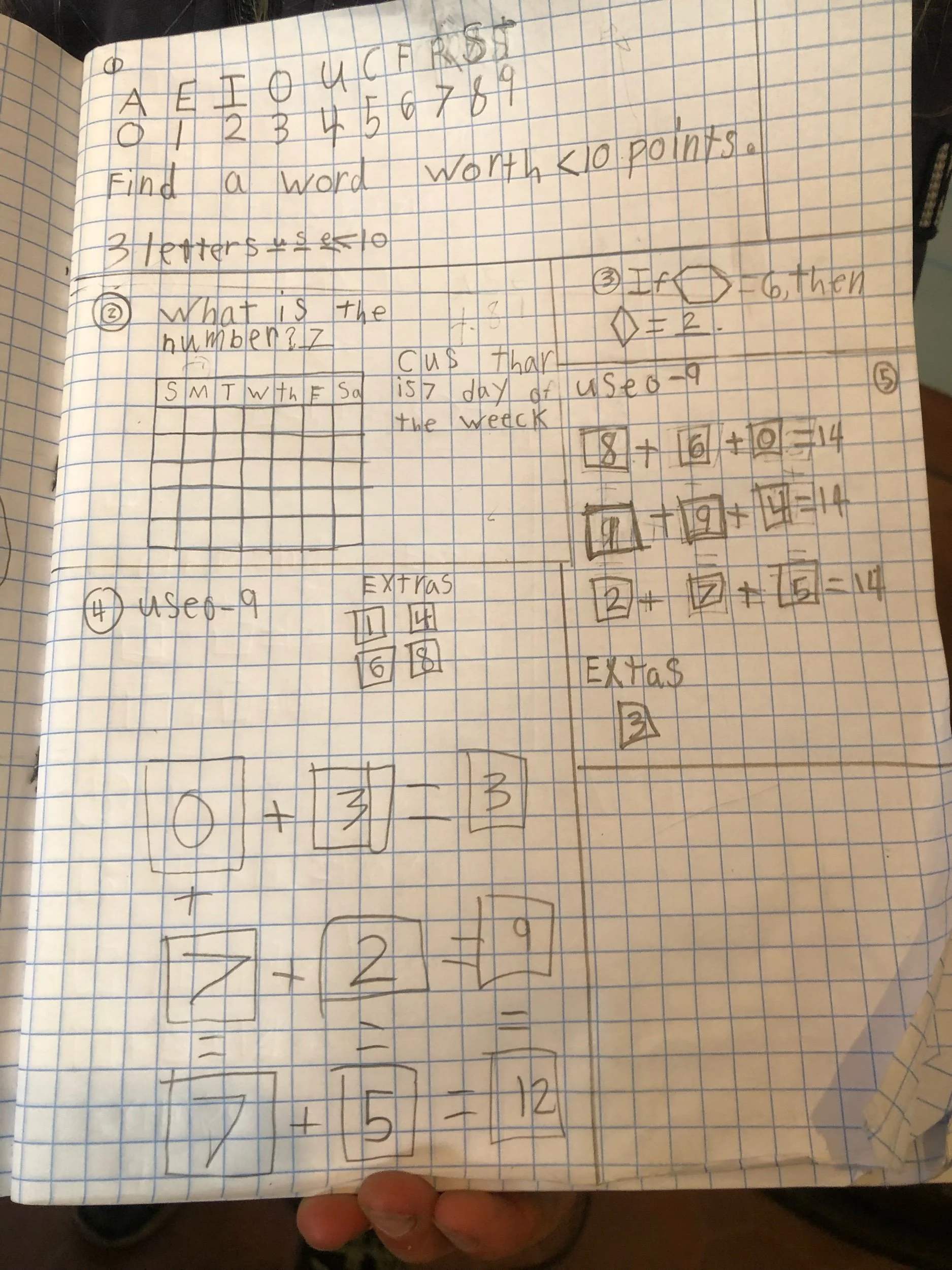
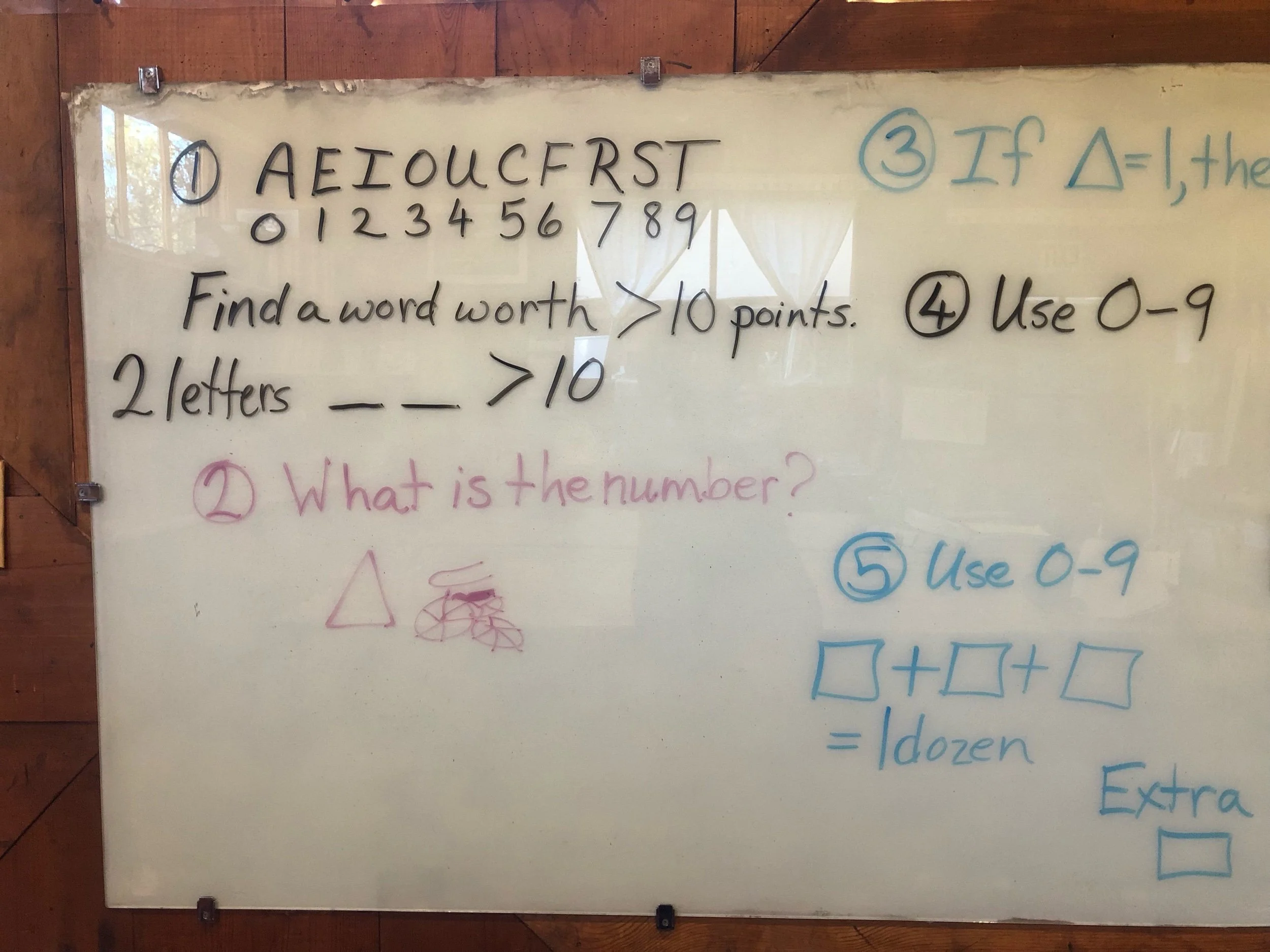
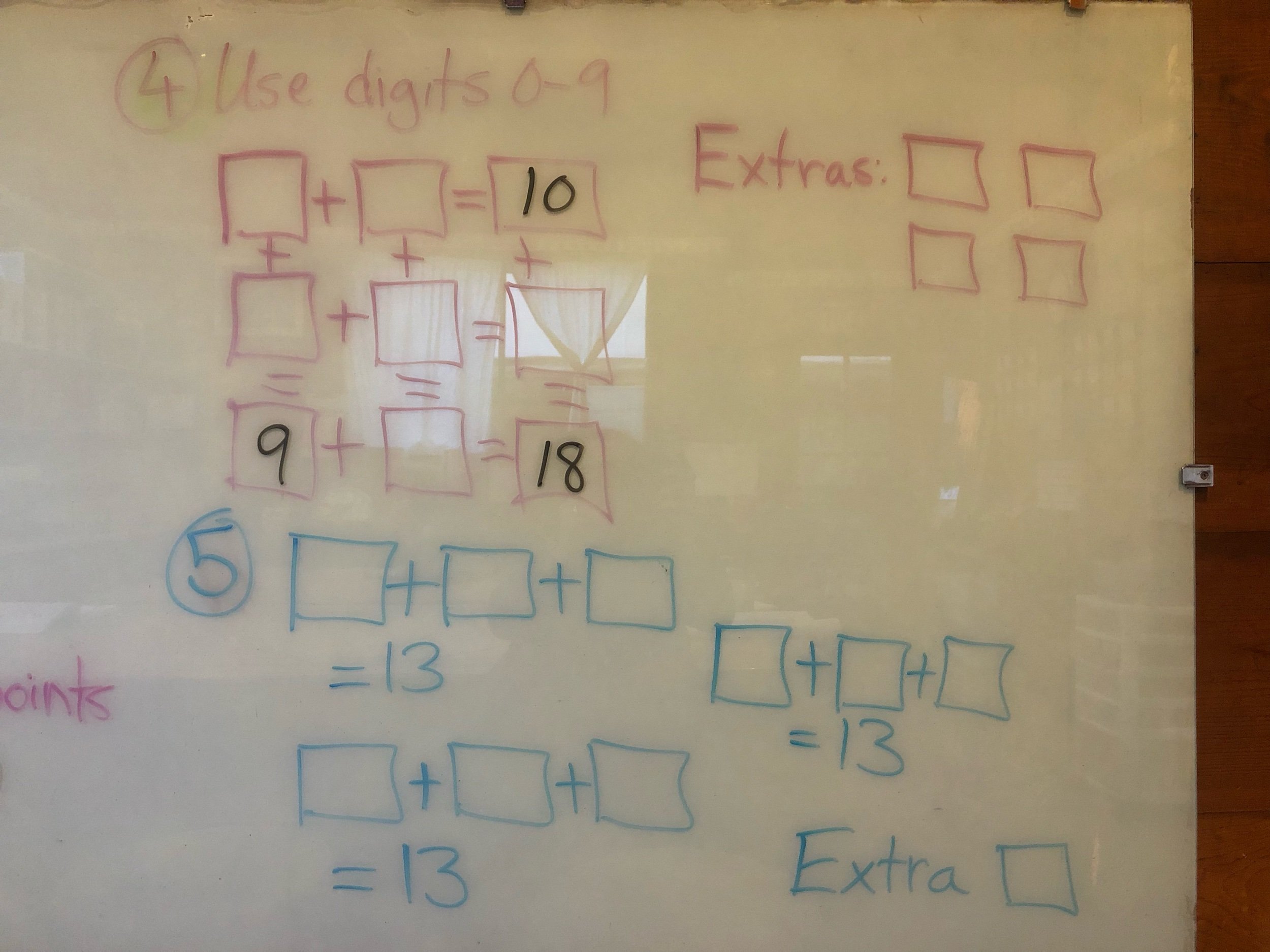
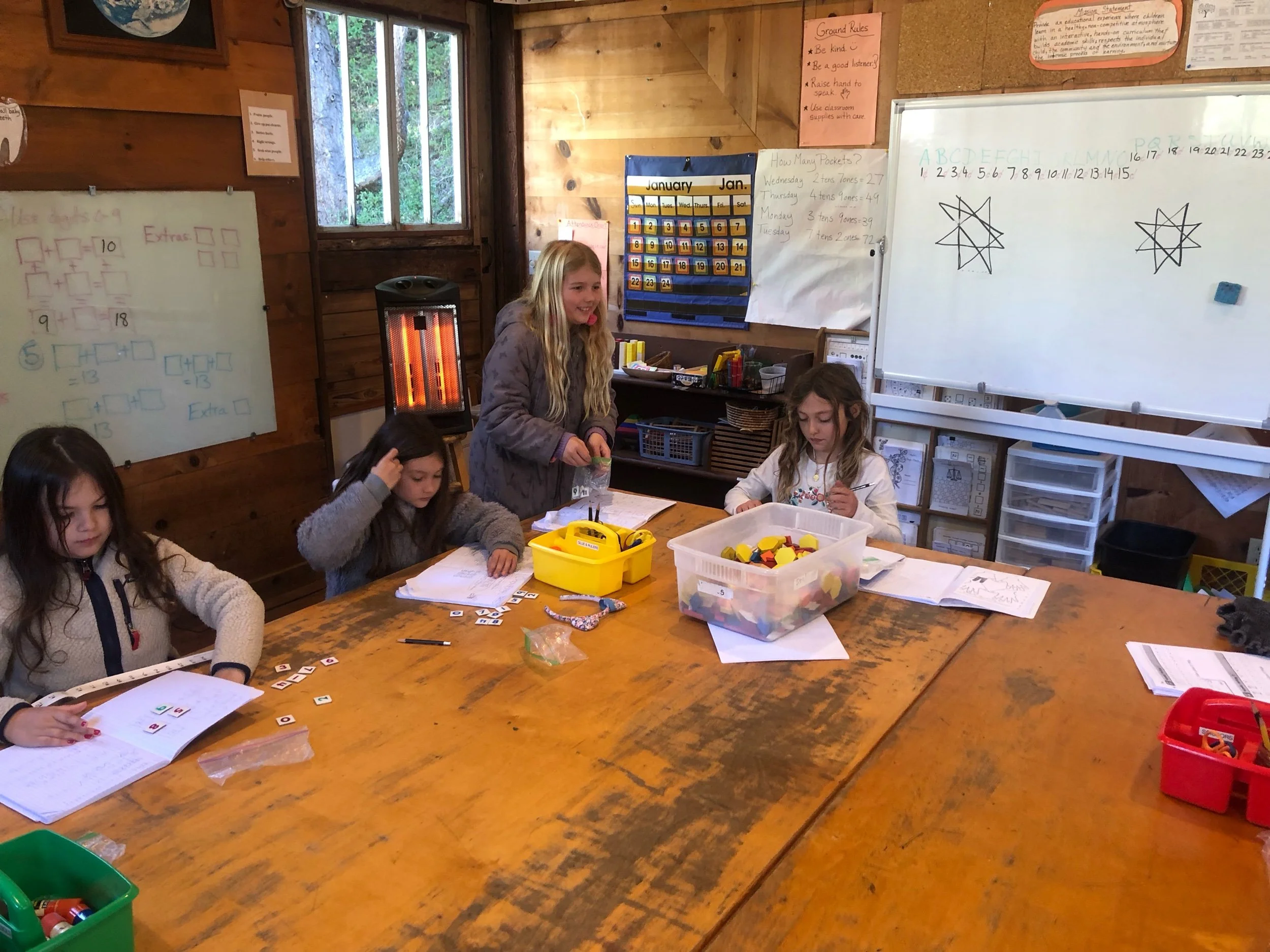
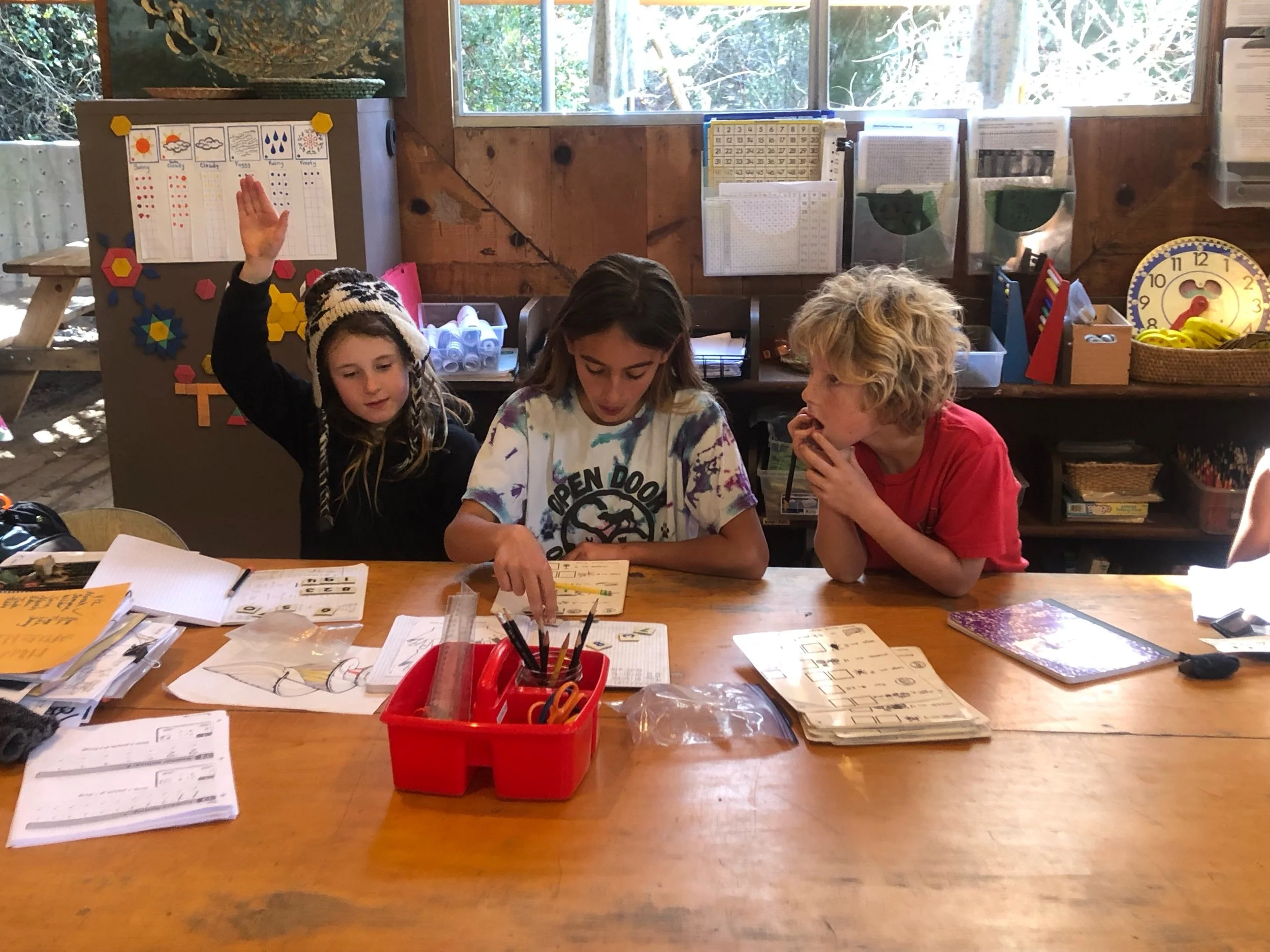
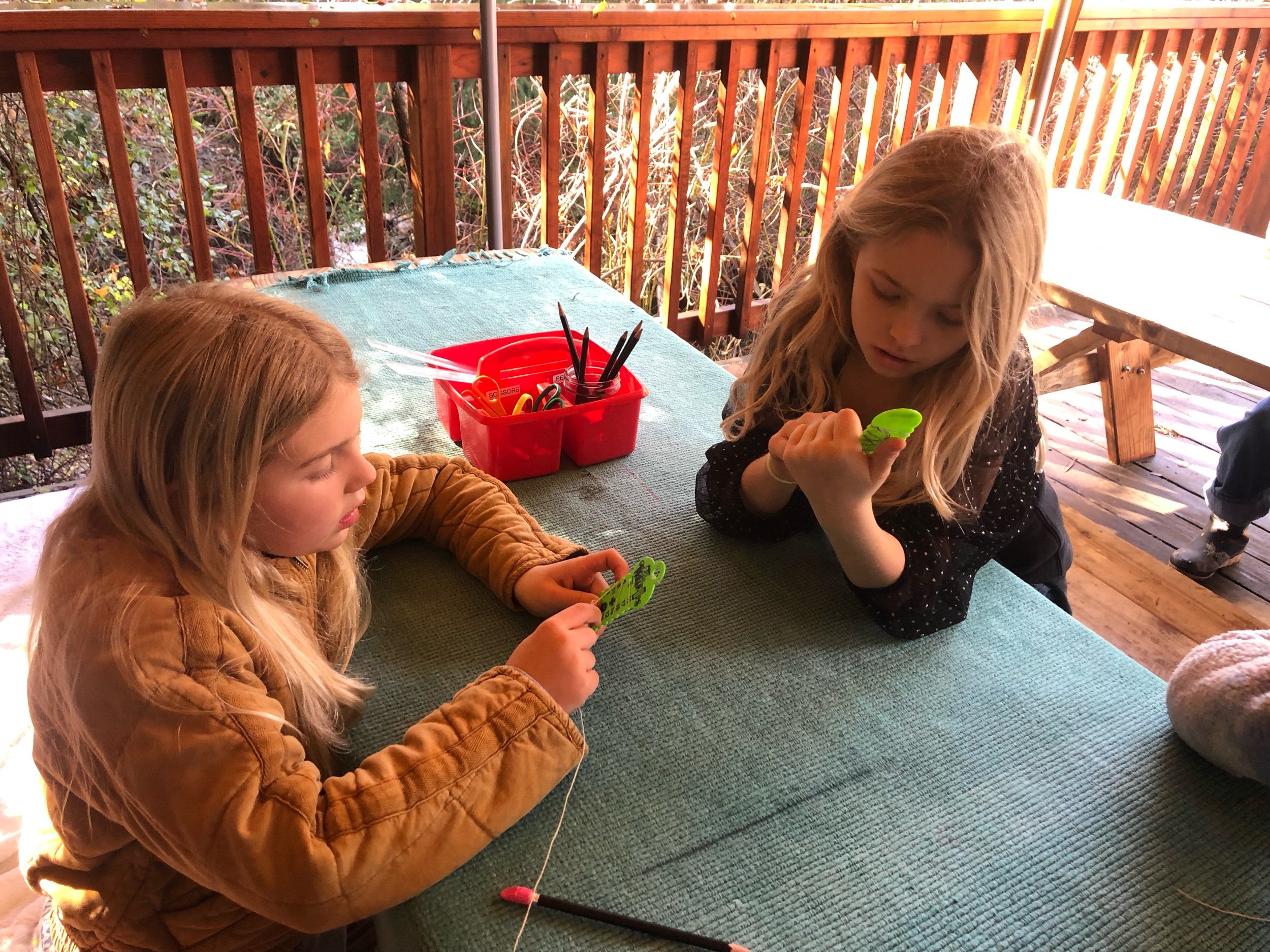
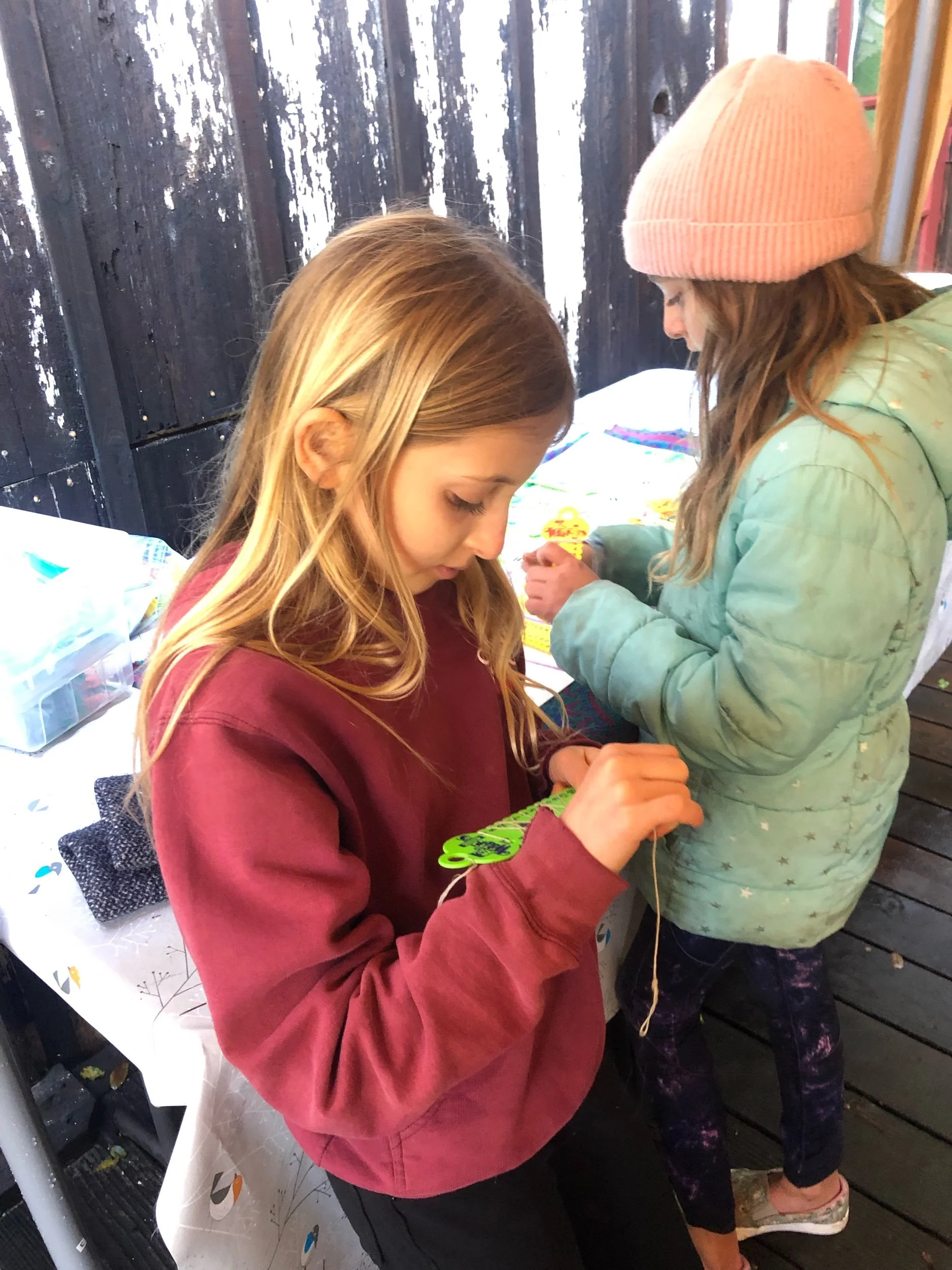
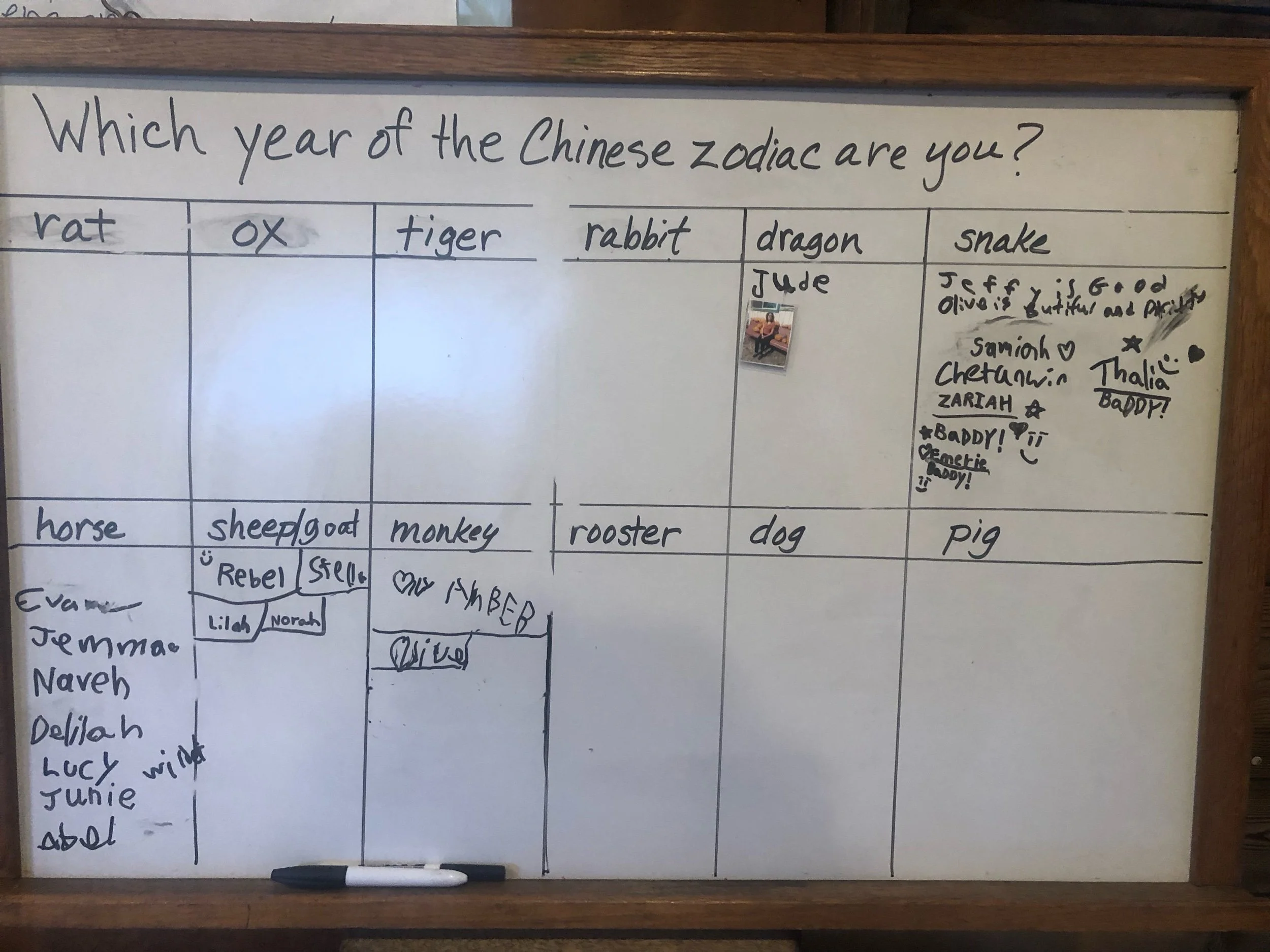
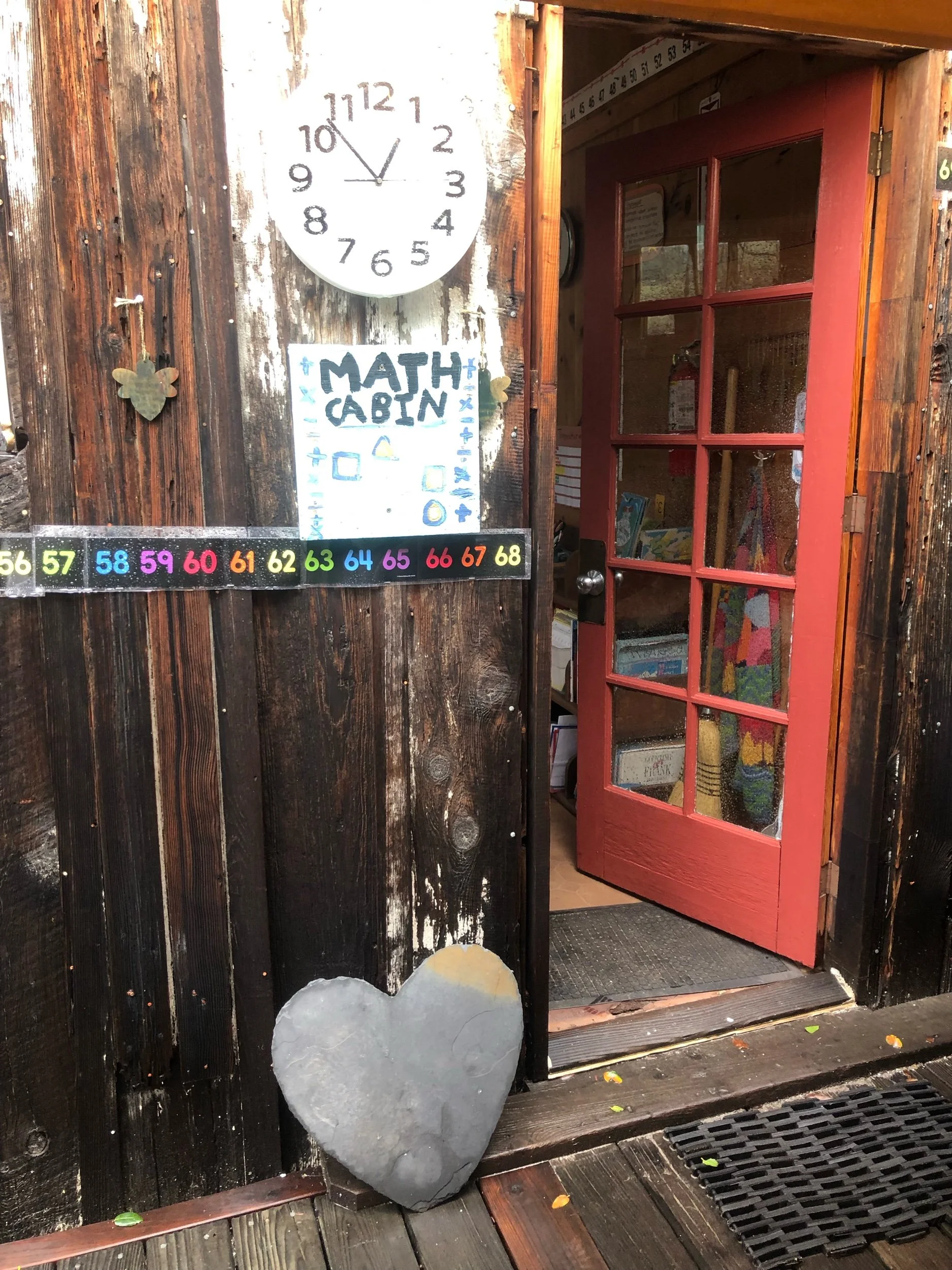
We have had a smooth transition during this first month and a half and the students have been really responsive and fun! I have held some classes over by the garden classroom as it is still cold around the math cabin and the students, Ty, and I have been able to luxuriate in the warmth while focusing on our work. In terms of math activities, I have introduced some new activities such as wrap ups, task cards, a logic pattern, and challenges for students to practice math. I try to include opportunities for open ended and creative thinking activities as well as problems that only have one answer. All fourth graders have been practicing multiplication through the use of task cards and some are identifying the facts they need to memorize and creating songs or rhymes to help them. Third graders are also working on a set of multi-count task cards that show multiplication as the adding of equal groups of things. During Chinese New Year students created a set of tangrams and worked in partnerships and individually on a geometric exploration involving the tangrams and once a week students try to determine the number of hours and minutes between sunrise and sunset.
I am introducing positive discipline practices in the form of weekly sharing circles, compliments and appreciations, and I-statements. We have begun brainstorming weekly jobs for their class as a way of taking responsibility for our shared space and taking on leadership roles. The circles and the positive discipline tools will also be available for when problems arise and we choose to use them to find solutions.