
Science
The month of March in 3rd/4th grade was full of preparations for Science Fair and Invention Convention and a focus on watersheds and water resources tied into monitoring the development of the trout eggs.
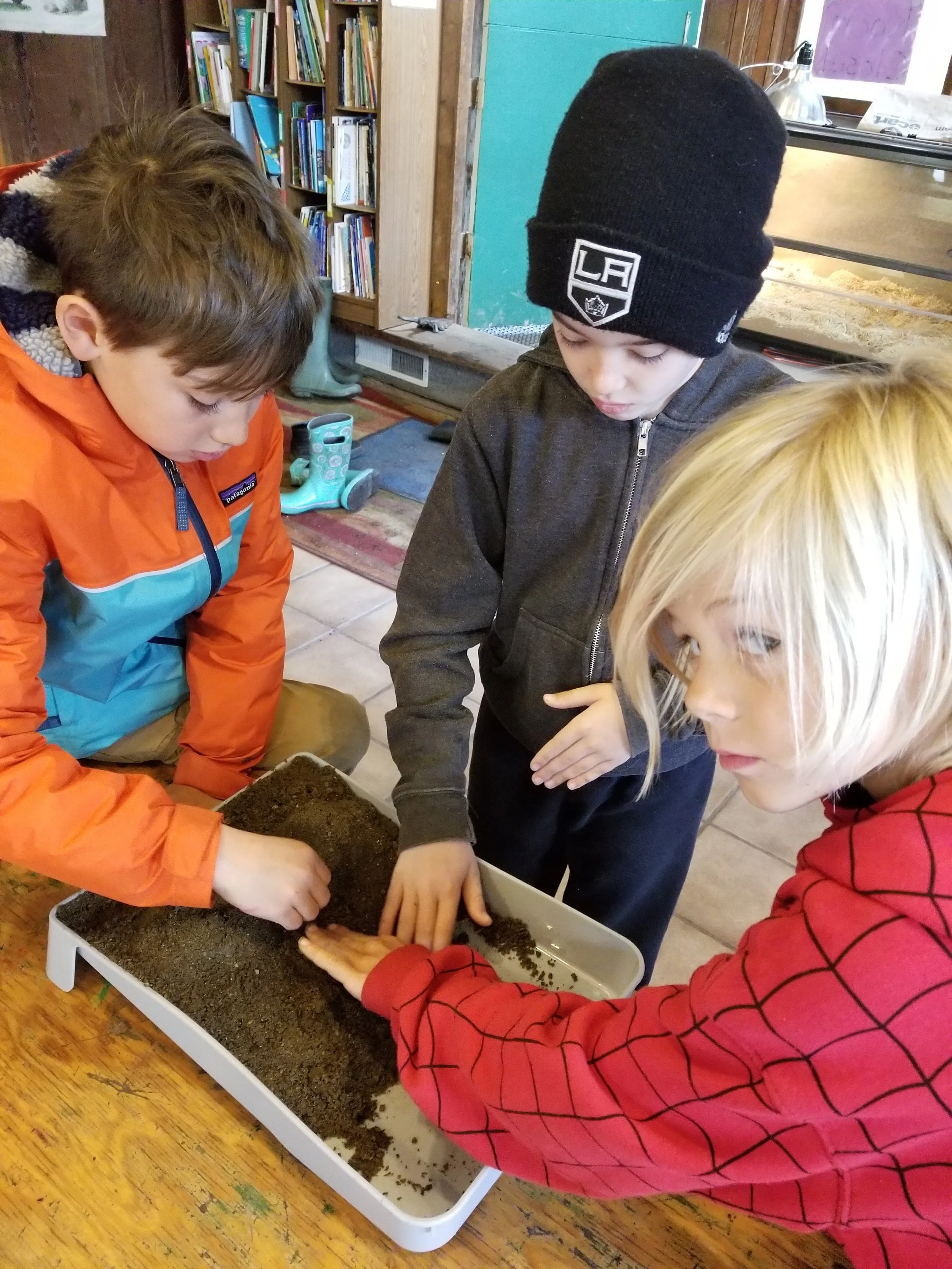
Creating a model watershed - with all the features.
We first focused on what a watershed is and what types of land features are found in a watershed. To reinforce this, we played a game which repeated "mountains, valleys, rivers, ocean" while racing to pass a ball to the team mates behind you.
A favorite activity was the small scale watershed models students built in small groups. These models needed to illustrate both natural and human made features found in watersheds and the class was very engaged in finding bits of trees and flowers to decorate their landscapes.
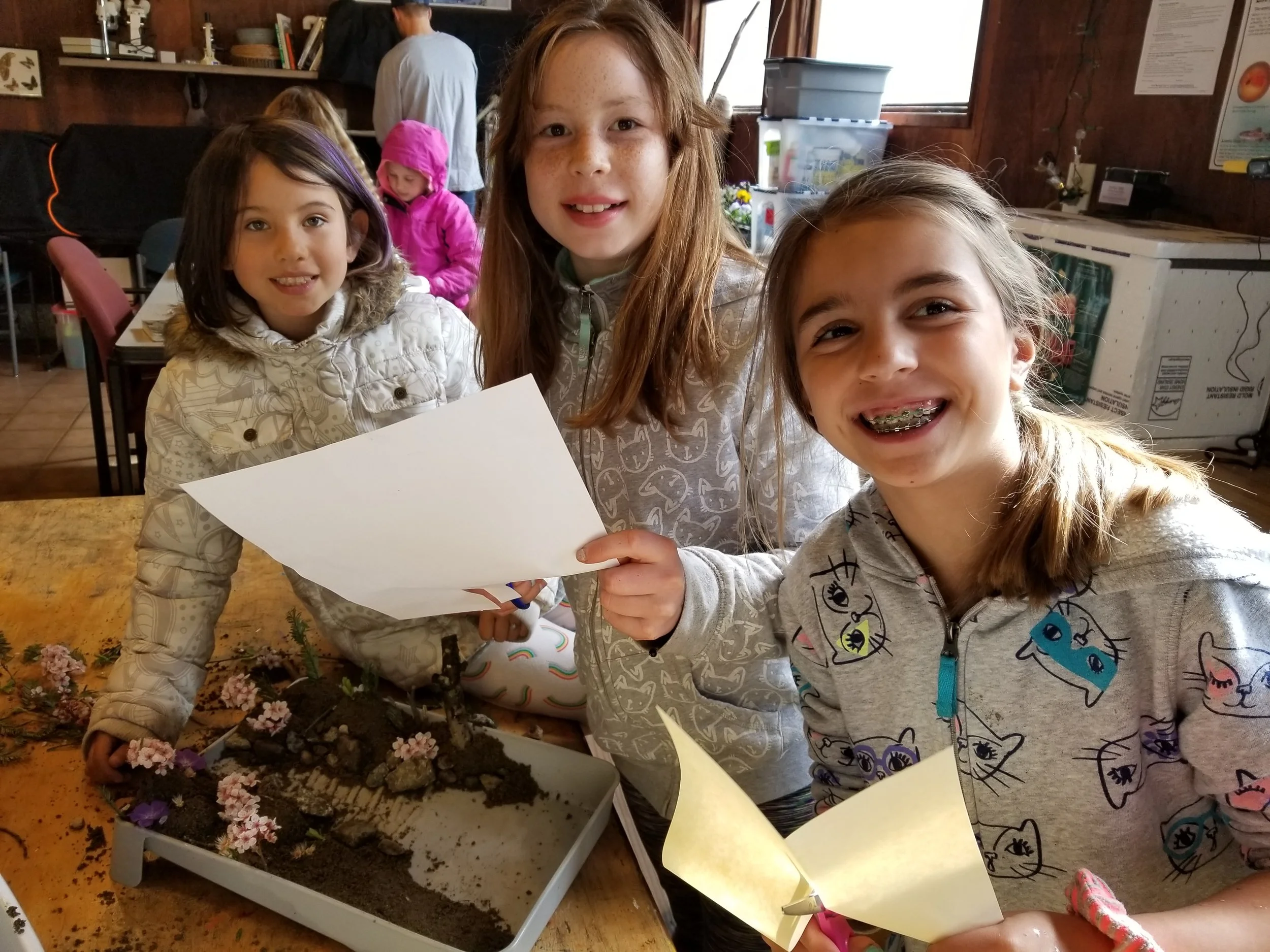
These girls made a candy factory to be placed in their watershed.
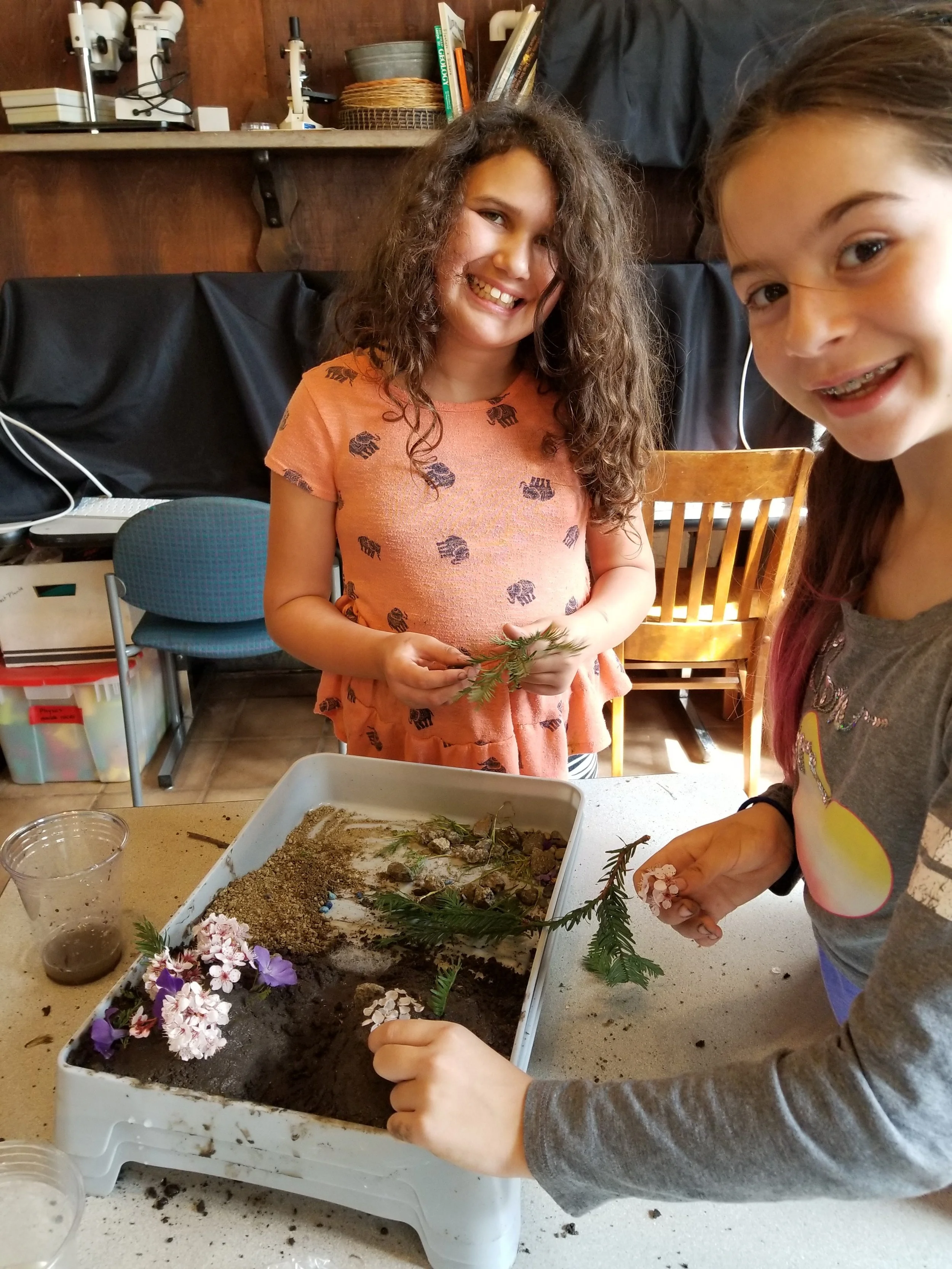
Nia and Lucy depicted their watershed through the seasons with a section for Spring, Summer, Winter and Fall.
Once the watershed models were built, students added water in the mountains and made observations about where the water flowed to, what the water looked like in the ocean basin and how well their features withstood the addition of water to their model.
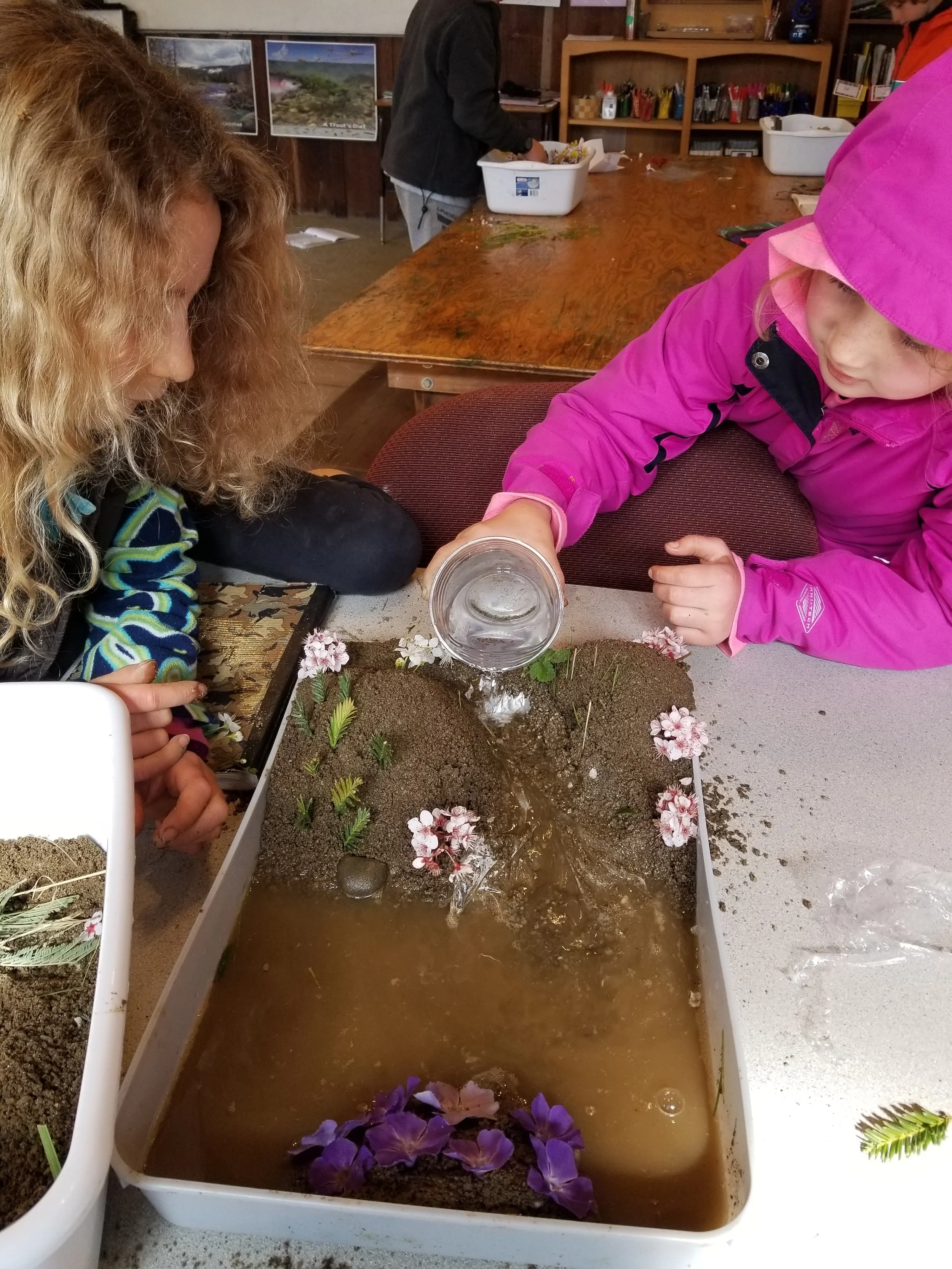
Adding water to the watershed model.
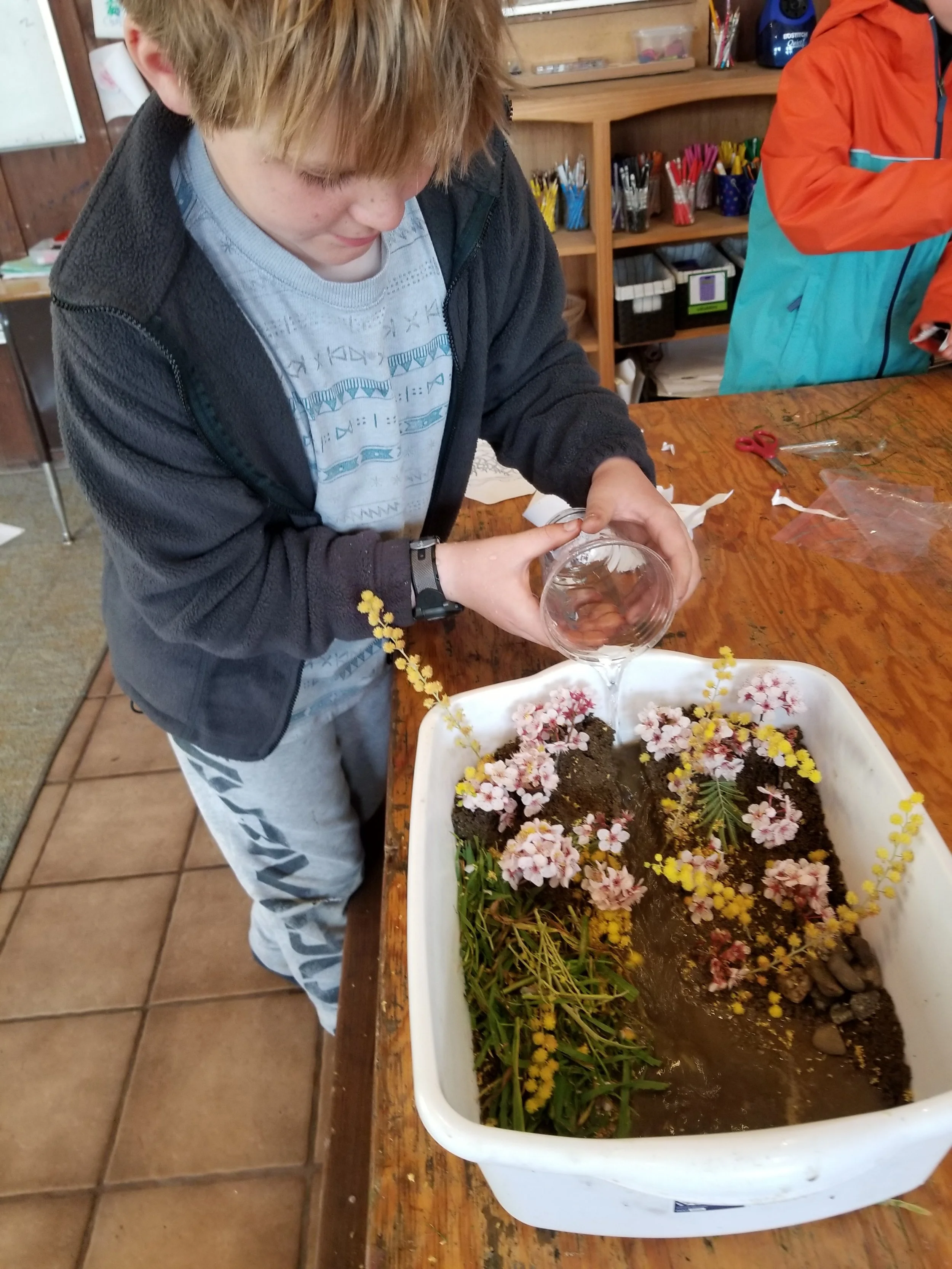
Everett adding water to his model.
Our watershed studies took a brief haitus during the week of science fair. I was so proud of the work that the students accomplished and the breadth of experiments and interests that were represented. Each student presented their work at science fair to parents and fellow students - getting practice at explaining their work to audiences of all ages as well as presenting in more detail to their peers in class.
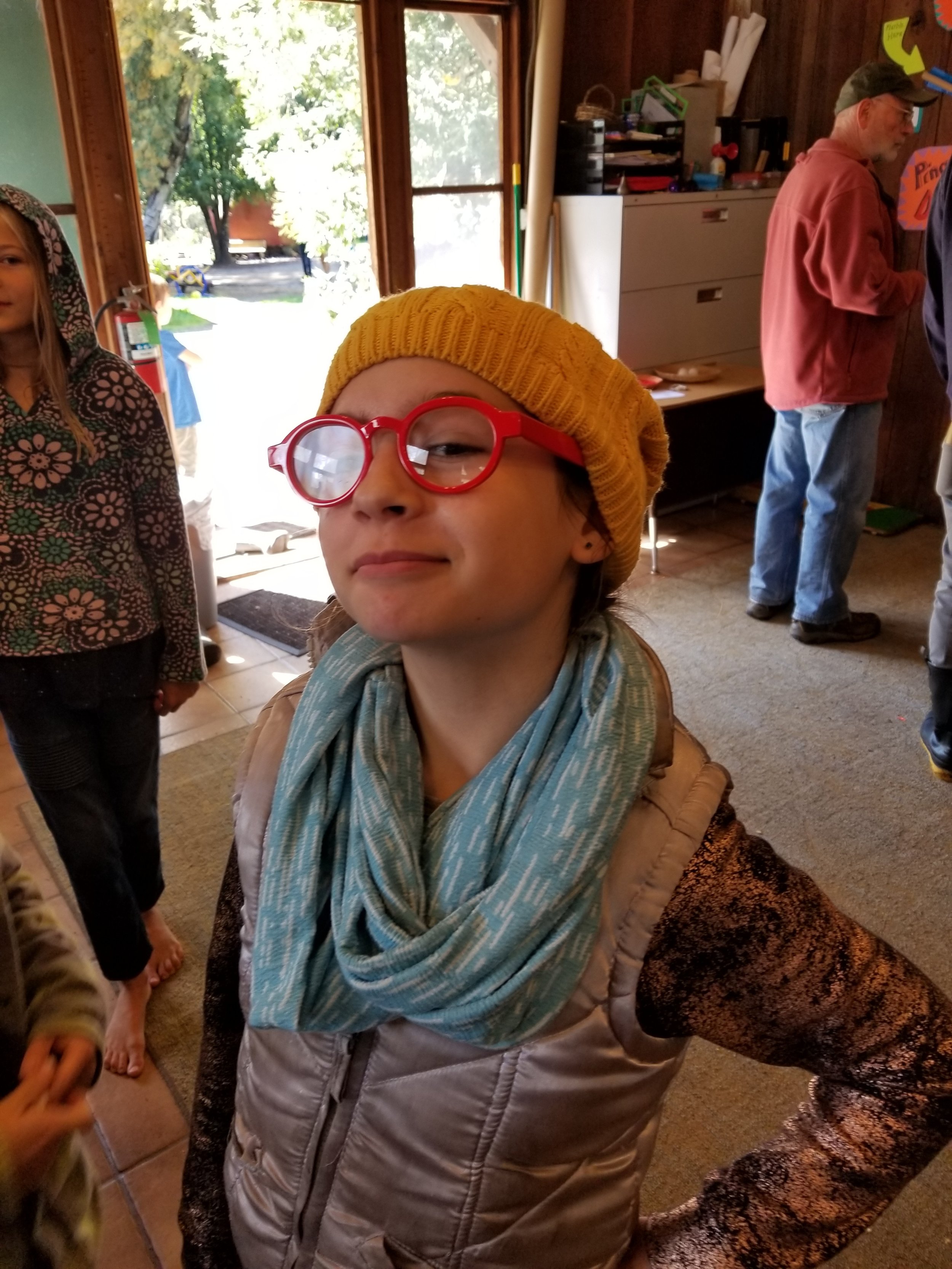
Nia models some lenses that Jack brought to illustrate how glasses work.
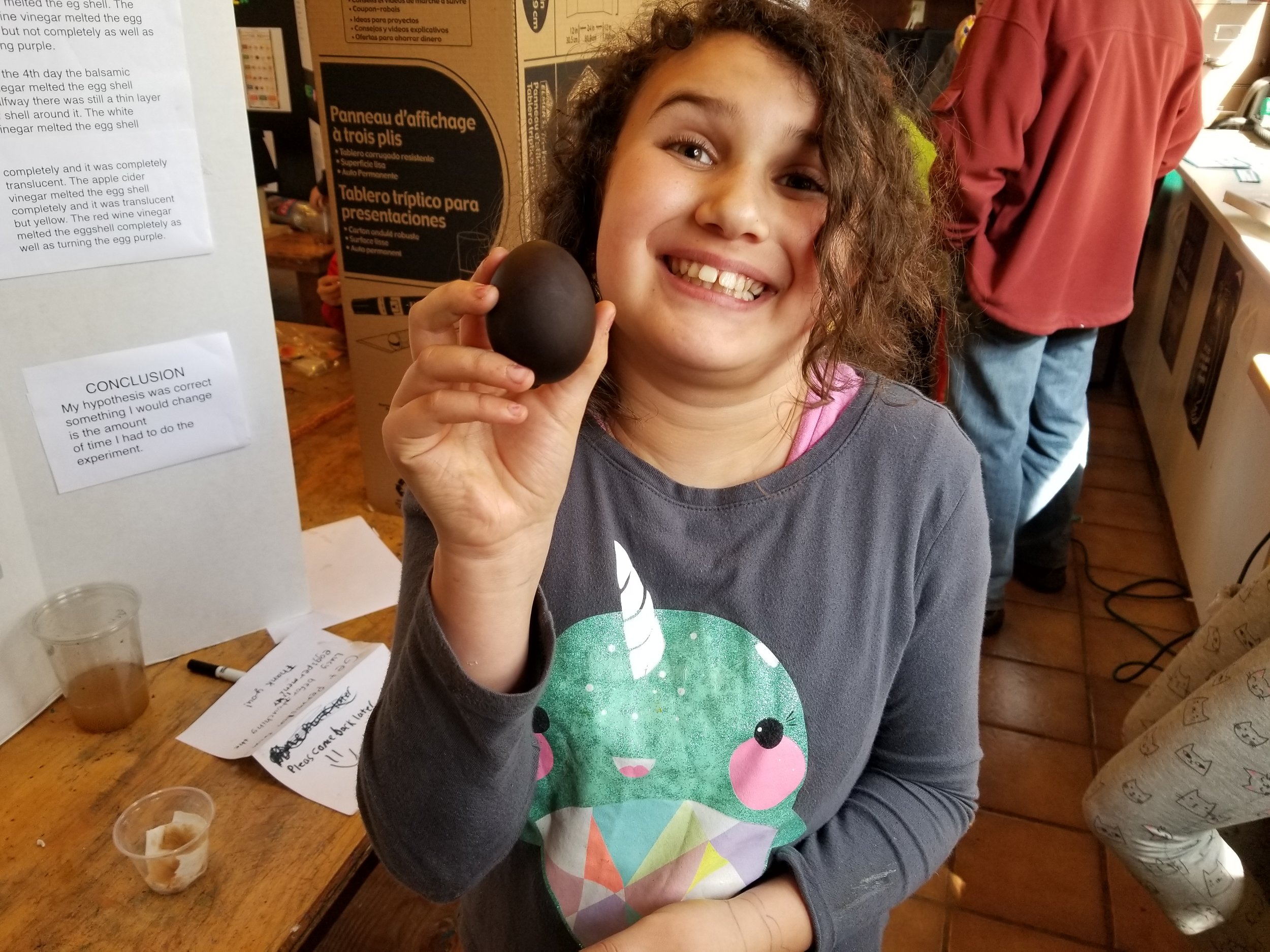
Lucy shows off one of her test subject vinegar eggs (the shell dissolves leaving only the membrane). This one was in balsamic vinegar which is why it is black.
After a very successful science fair, we headed back to watershed studies to test out if there was a way to prevent run-off (the water that rushed off our watershed models and often takes some of the land with it). From the previous studies, many students deduced that one way was to line river channels with more durable material (like rocks or cement) which is a widespread practice especially in city areas.
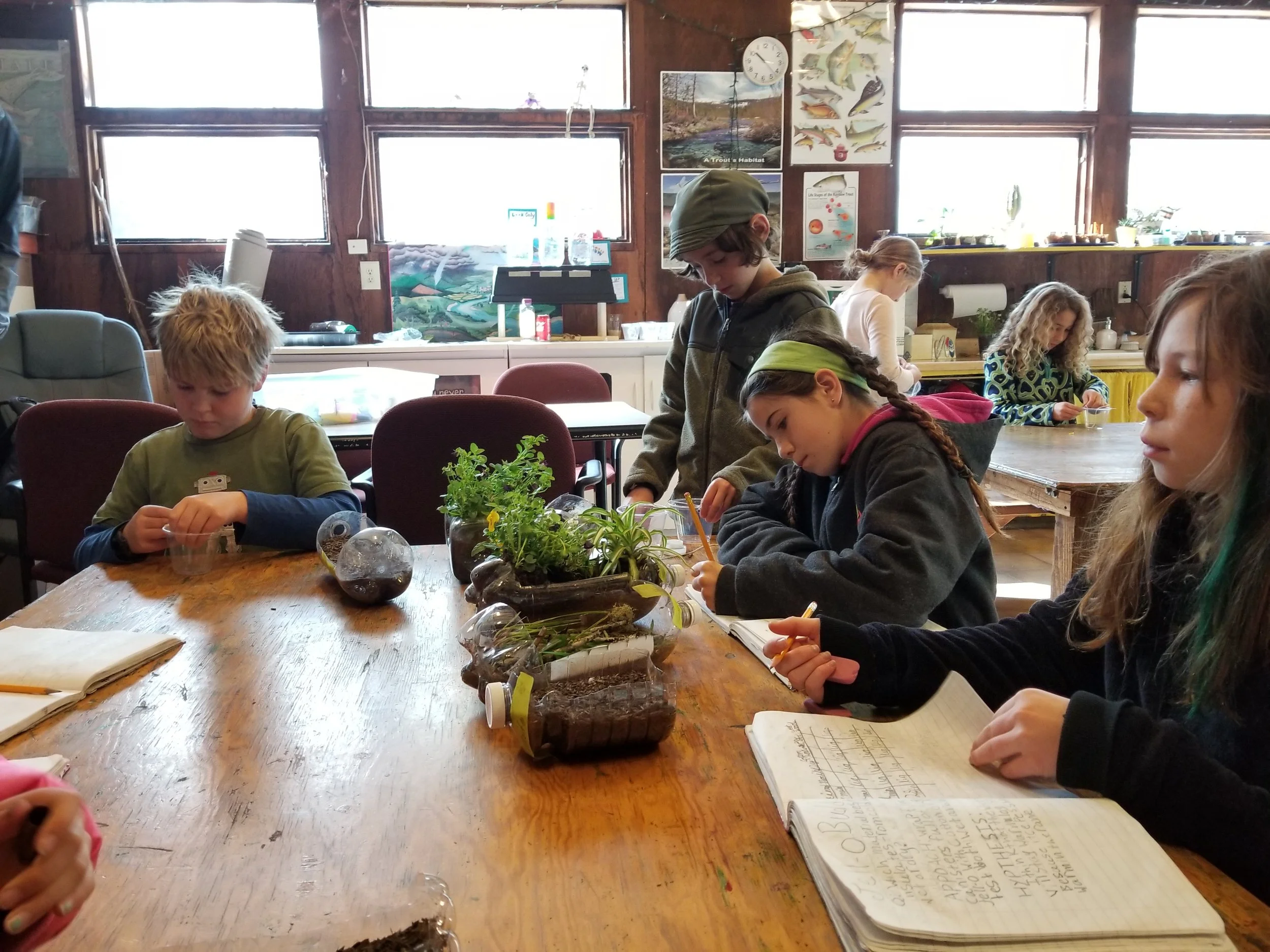
Run-off experiment.
I proposed an alternate solution to test out which did not involve any rocks or cement. Small groups of students built three different ground conditions to test - dirt only, dirt with leaf litter and dirt with plants to see what the run-off water would look like. To all of our surprise, the water did not look very different between the dirt and the leaf litter and in fact when the water came out of the test with plants, it was still a bit dirty. The big aha! moment was that the test conditions with plants retained about three times as much water before running off, so plants and living vegetation can prevent large amounts of dirt being eroded as they slow down the movement of water through an area.
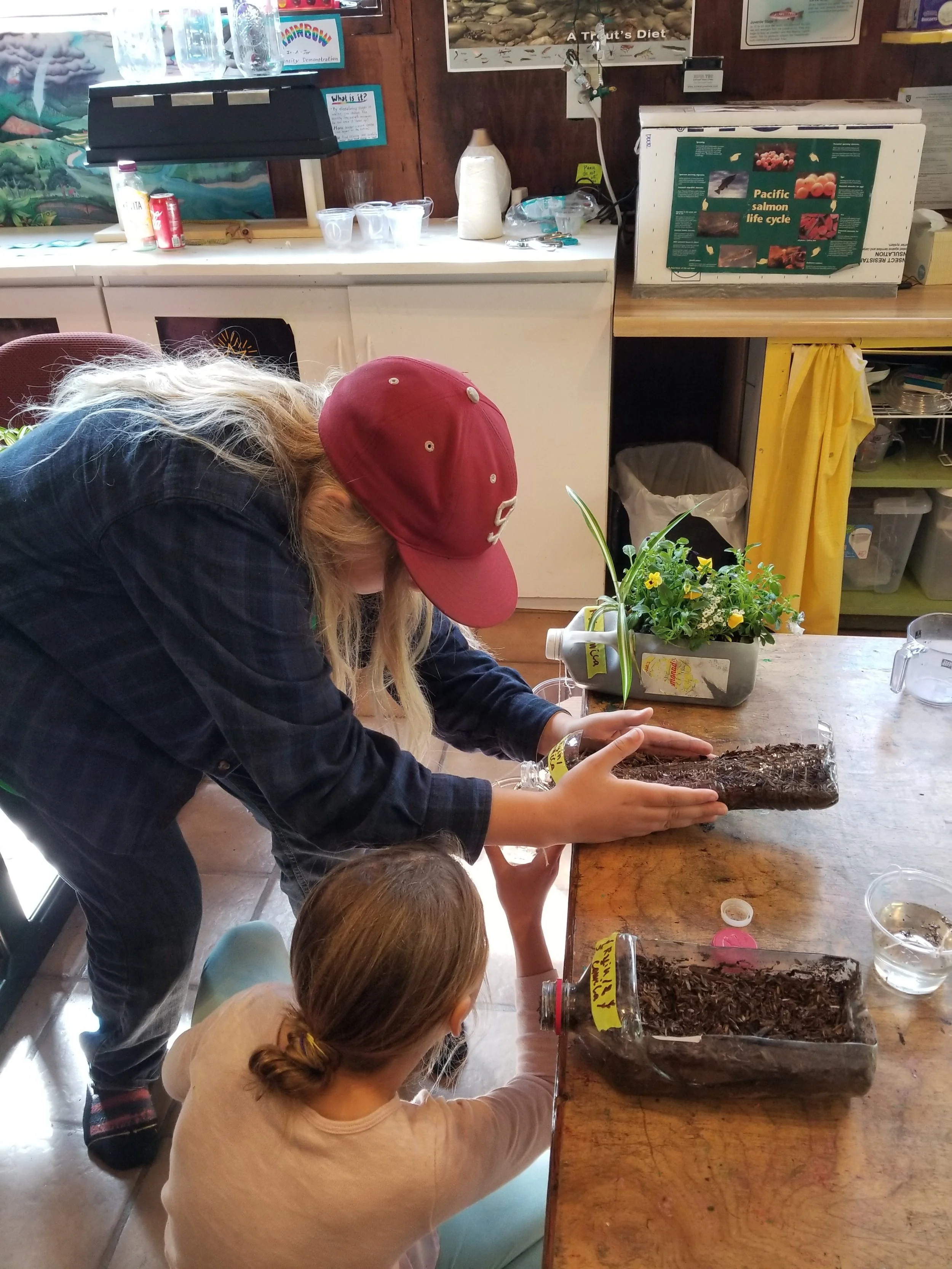
Adding water and collecting it to make observations.
Finally, before break students engaged in another STEM challenge. This time to build a "warm fuzzy" (aka pom pom) lander out of half a plastic egg that could withstand a drop from the play structure and keep the unattached fuzzy upright and seated in the egg. Creativity ran rampant and many students found much success with this challenge!
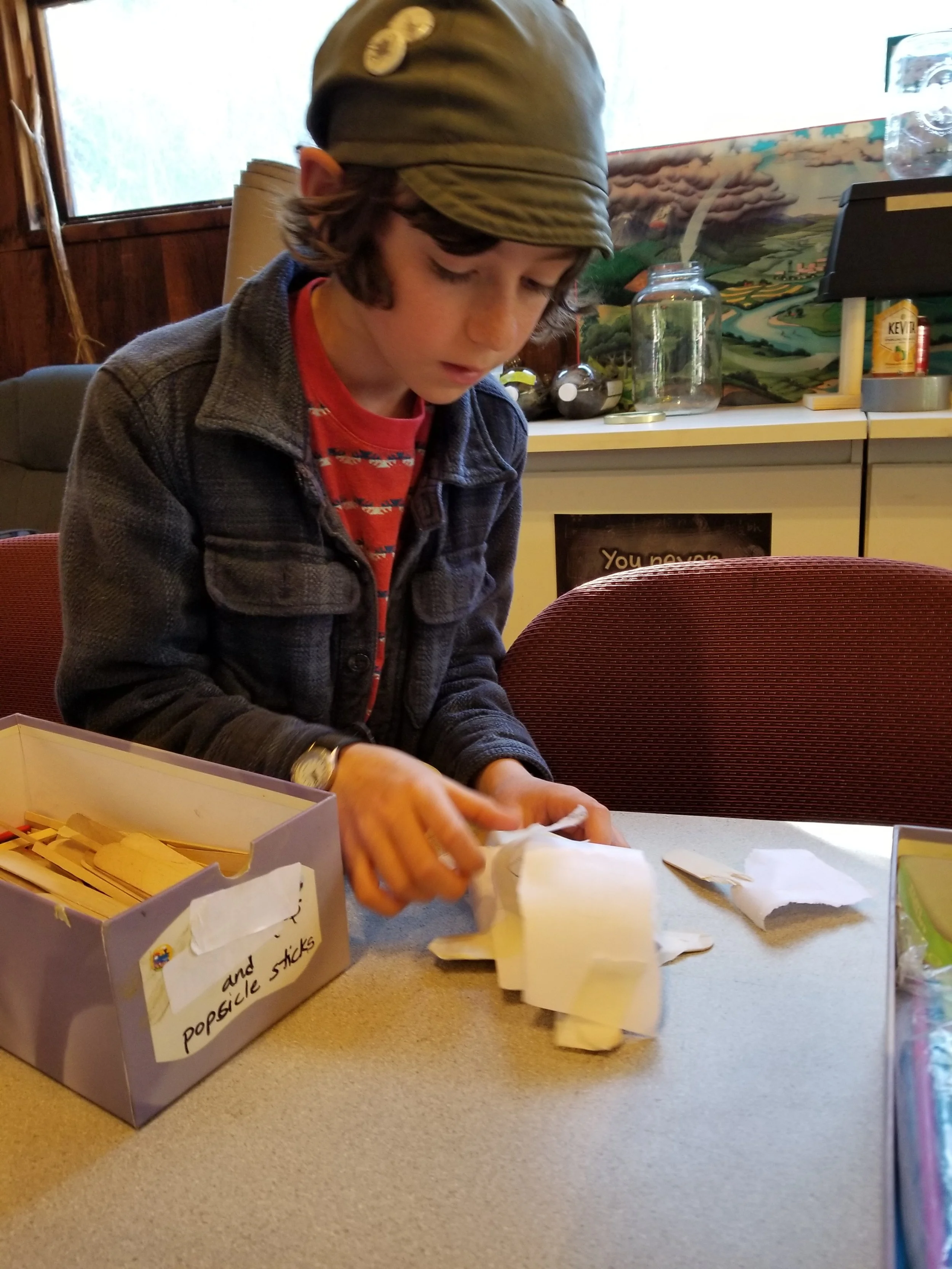
Sascha builds a canopy over his warm fuzzy. This design ended up landing right side up despite the orientation it was dropped in.
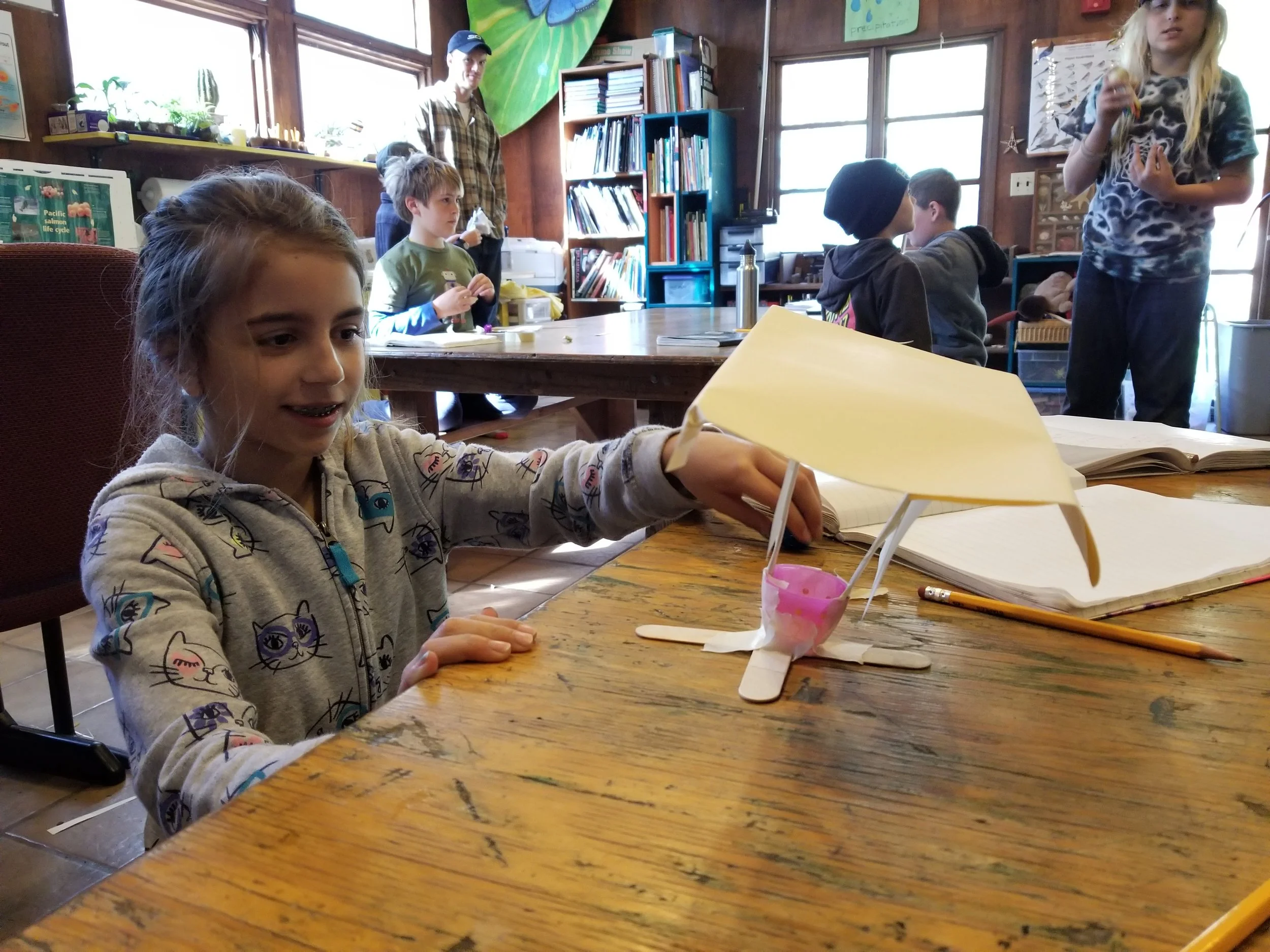
Ella created a flexible parachute and landing gear - this one also worked very well!
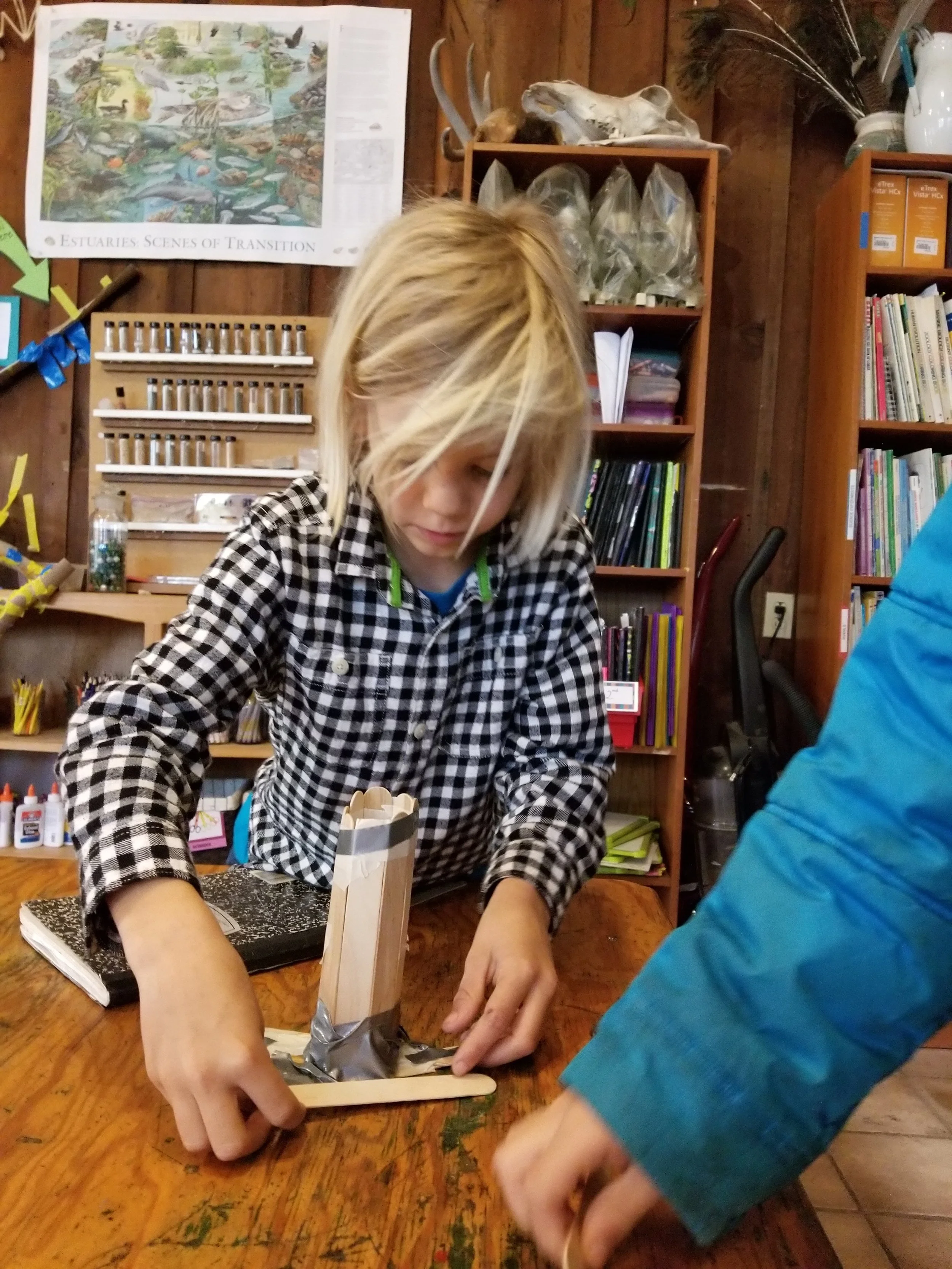
Finch's strategy was to create a tube that prevented the fuzzy from popping out easily.
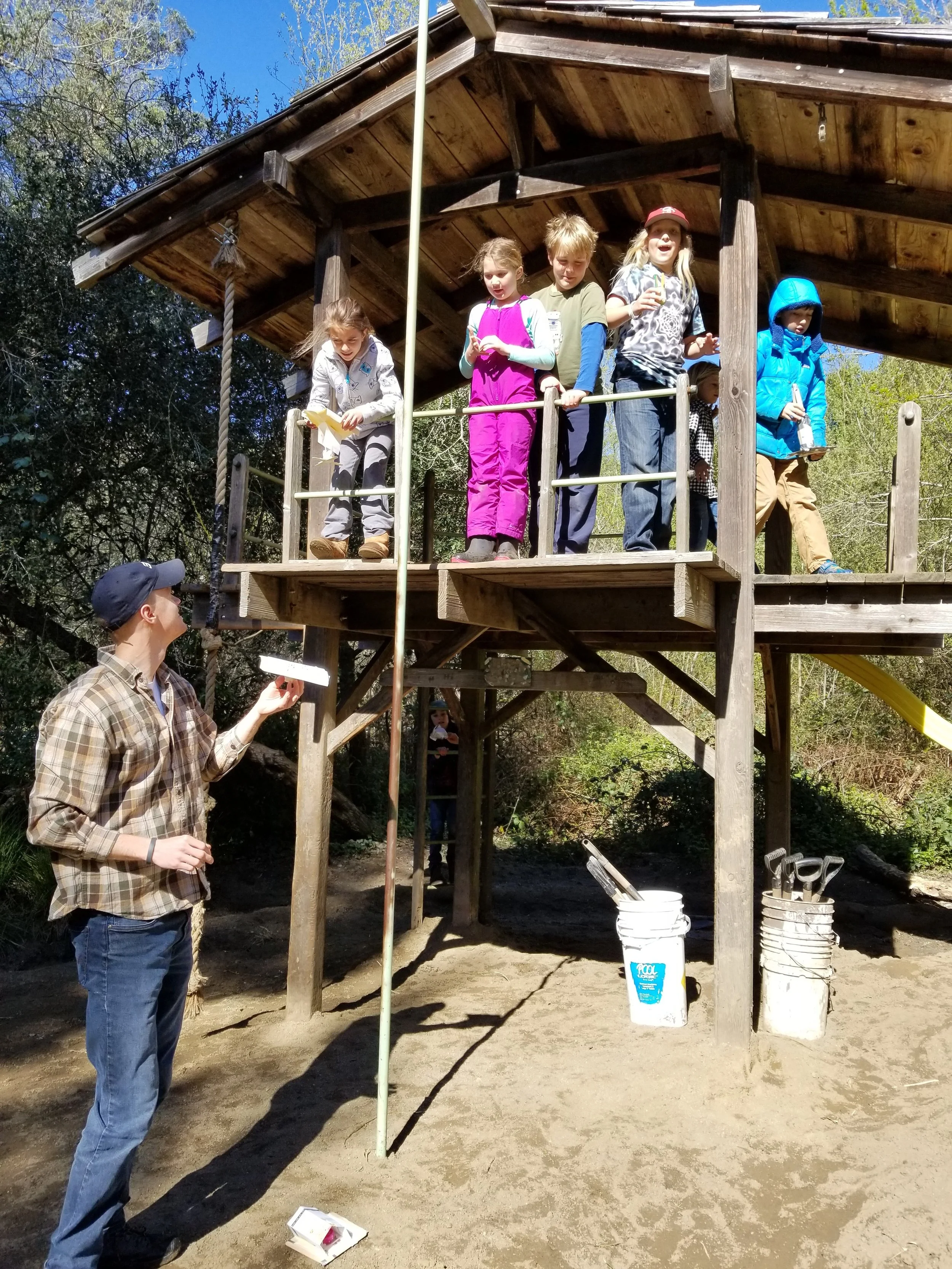
Testing commences.
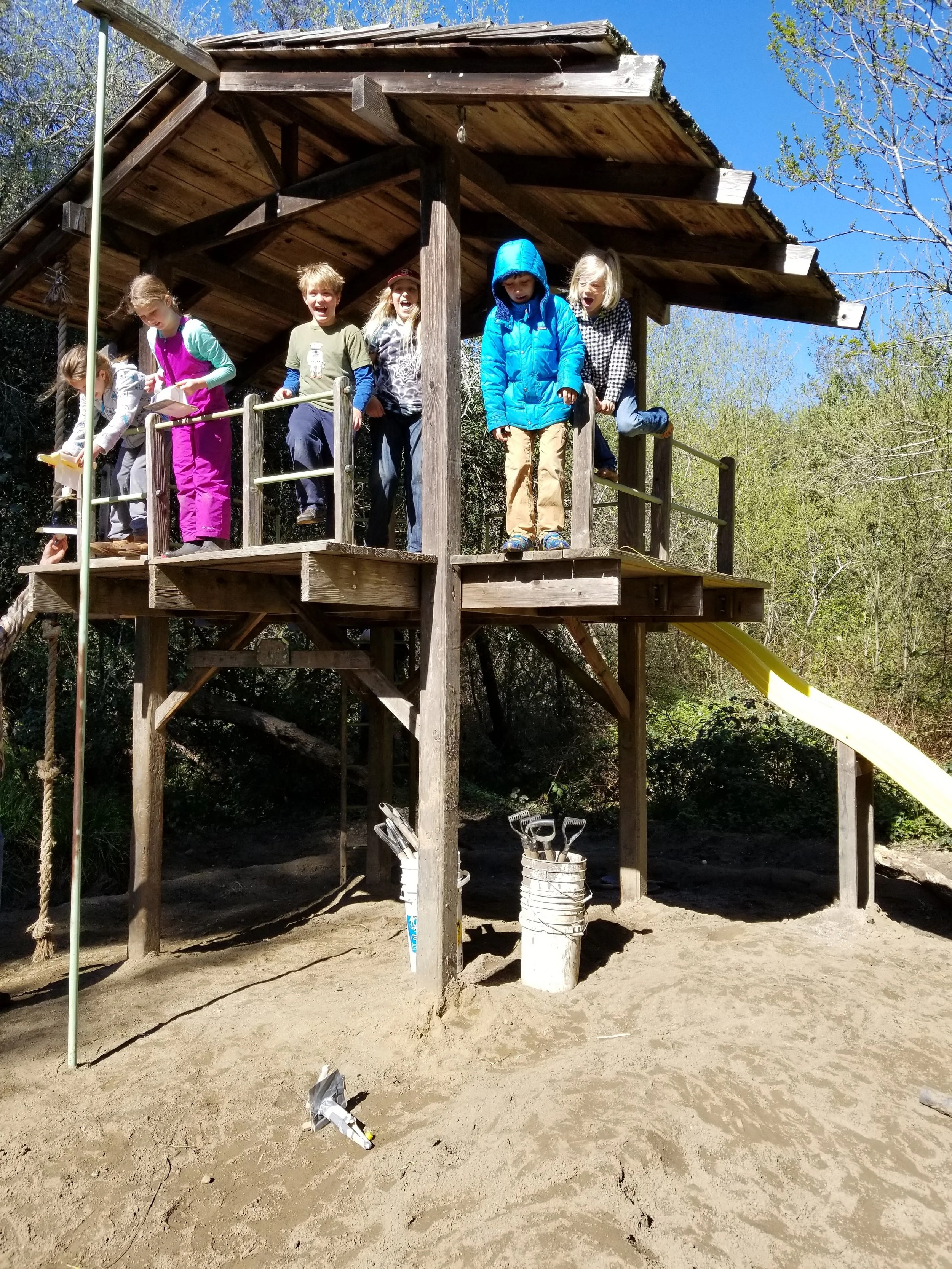
And continues.
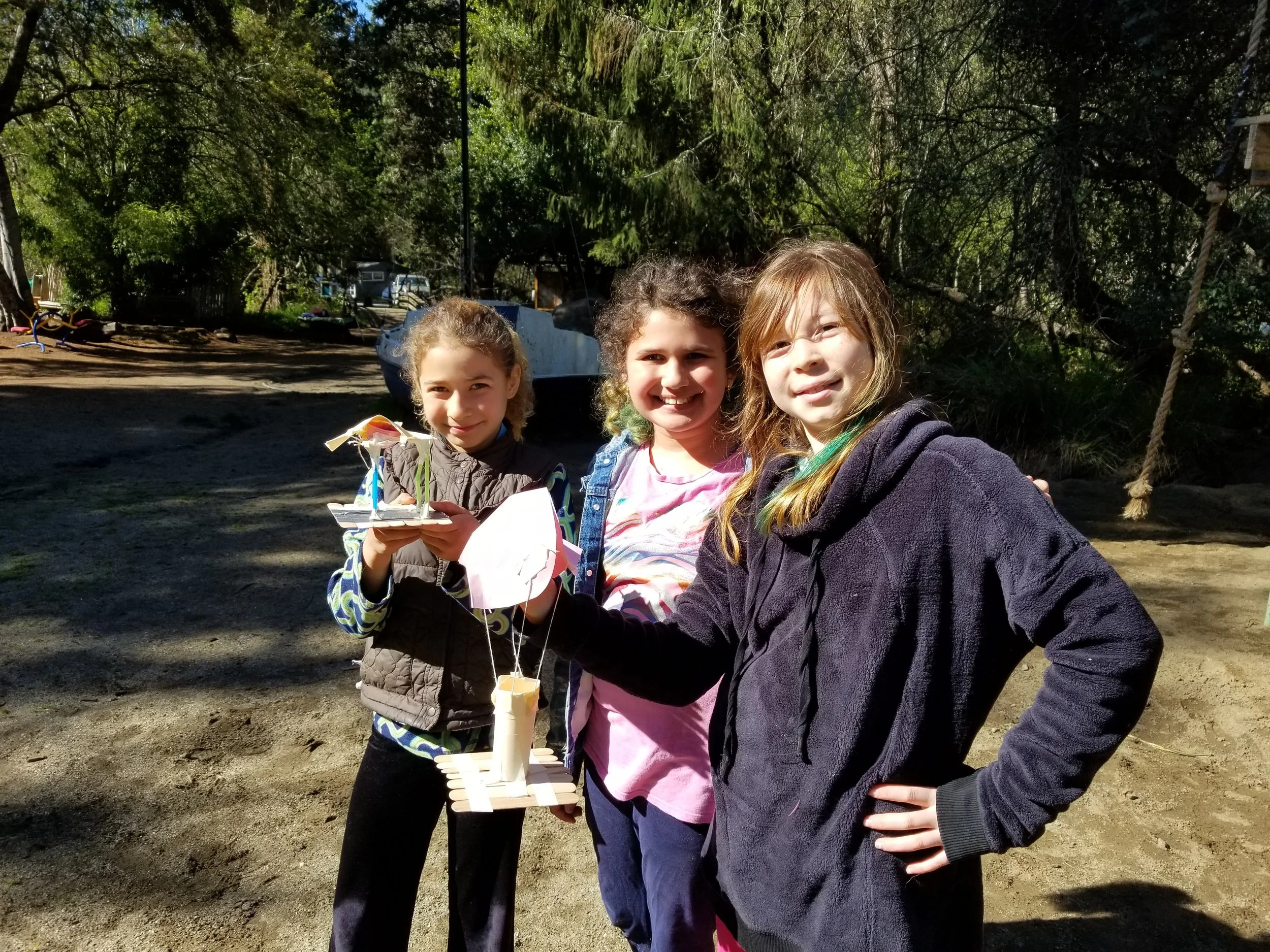
Showing off their designs.