Math
Investigations, Measurement, Data. Maximum, Minimum, Average/Mean. Challenges, Time Bingo, Flipovers, Beat the Calculator, Less than You, Addition Top It, 4 Rs of Recovery from Mistakes…these were our major lessons during this time.
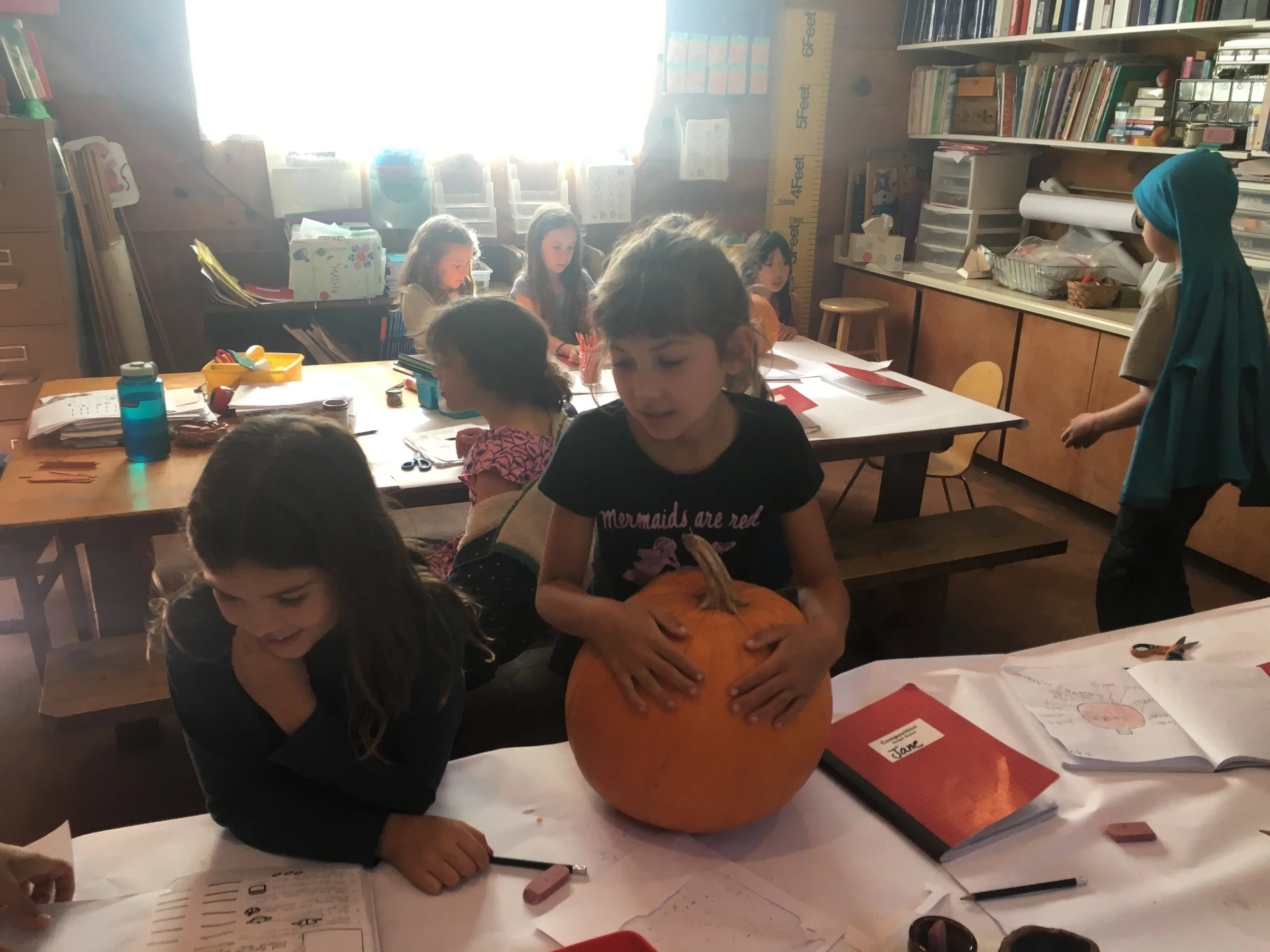
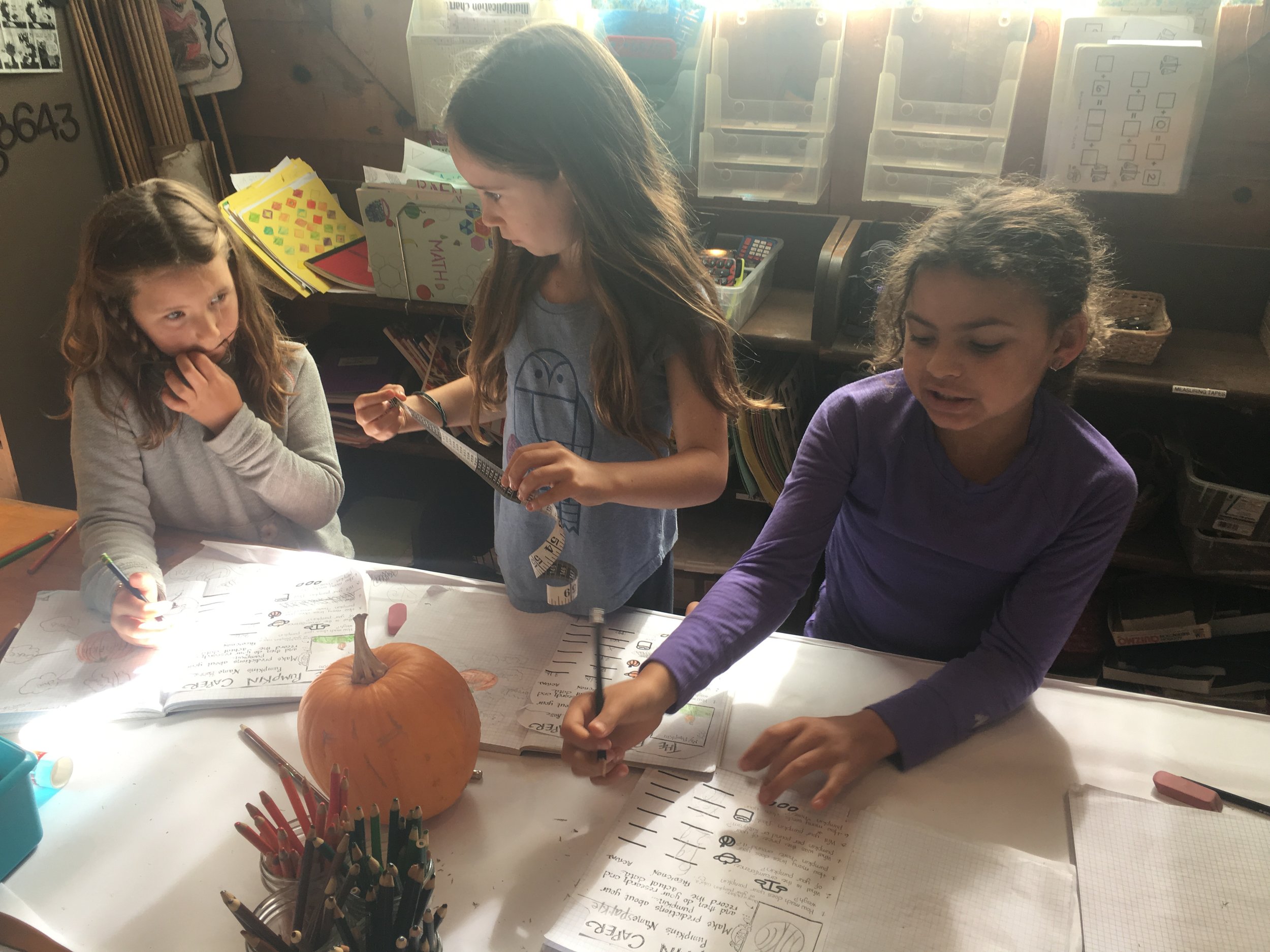
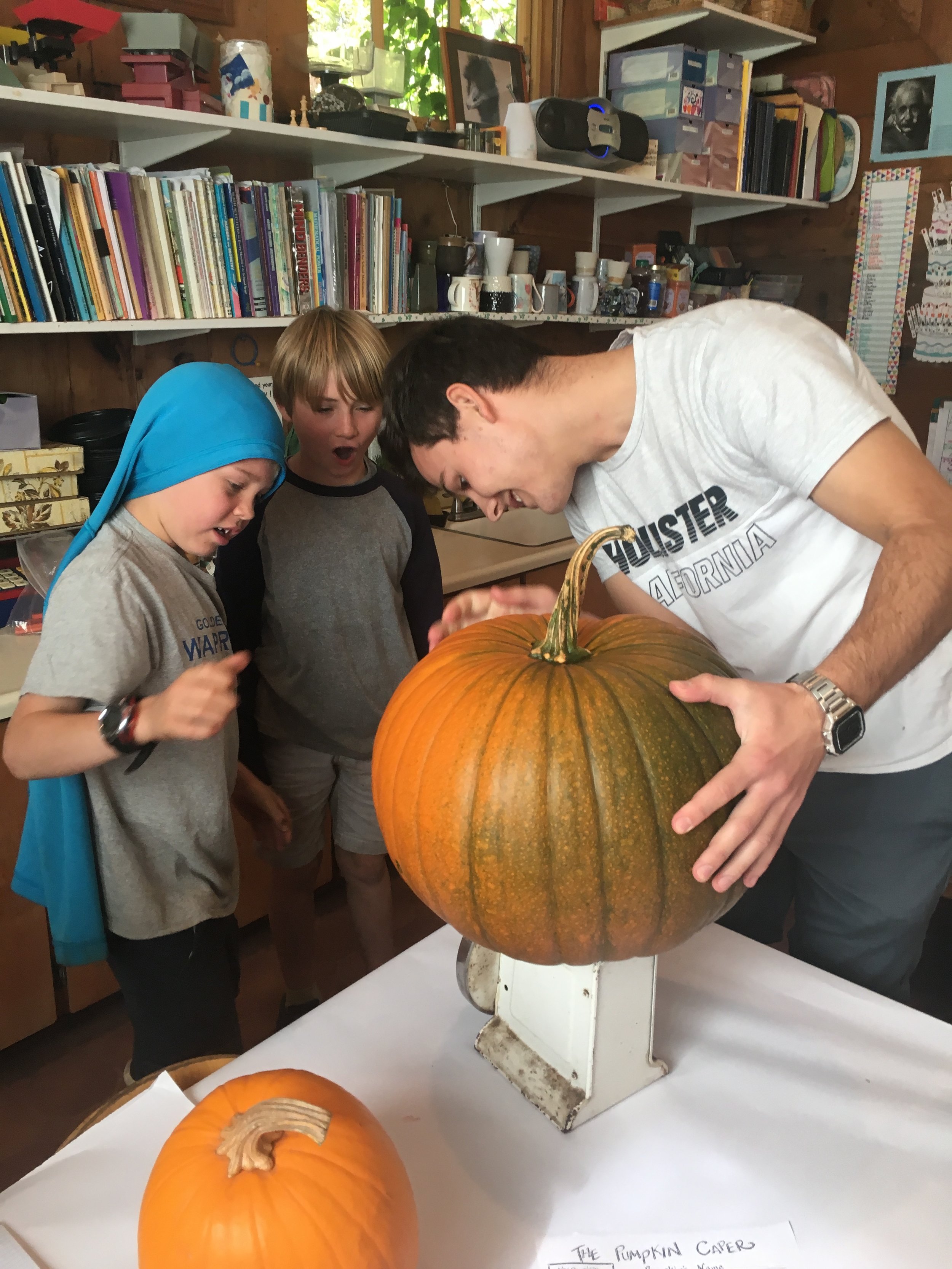
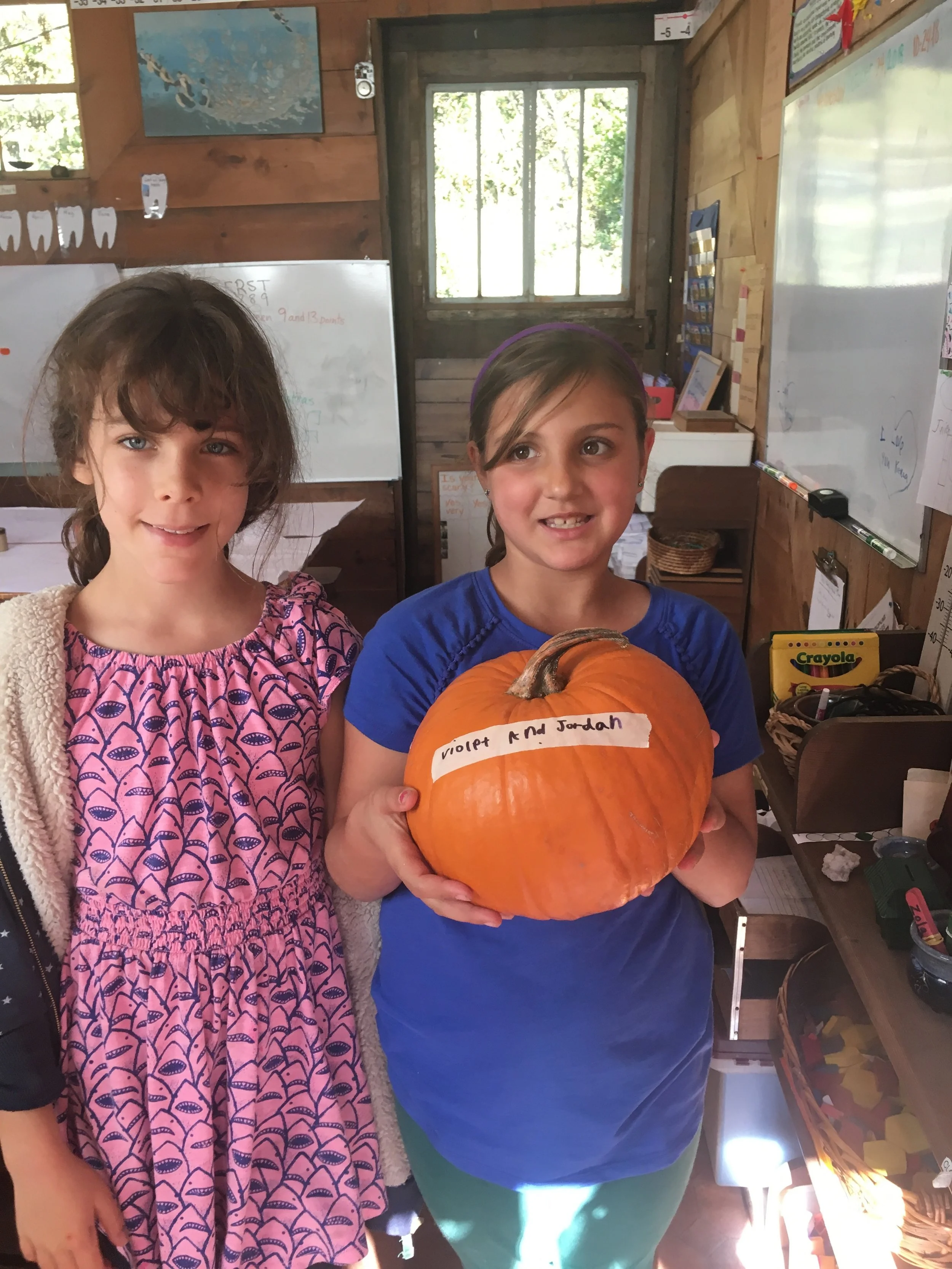
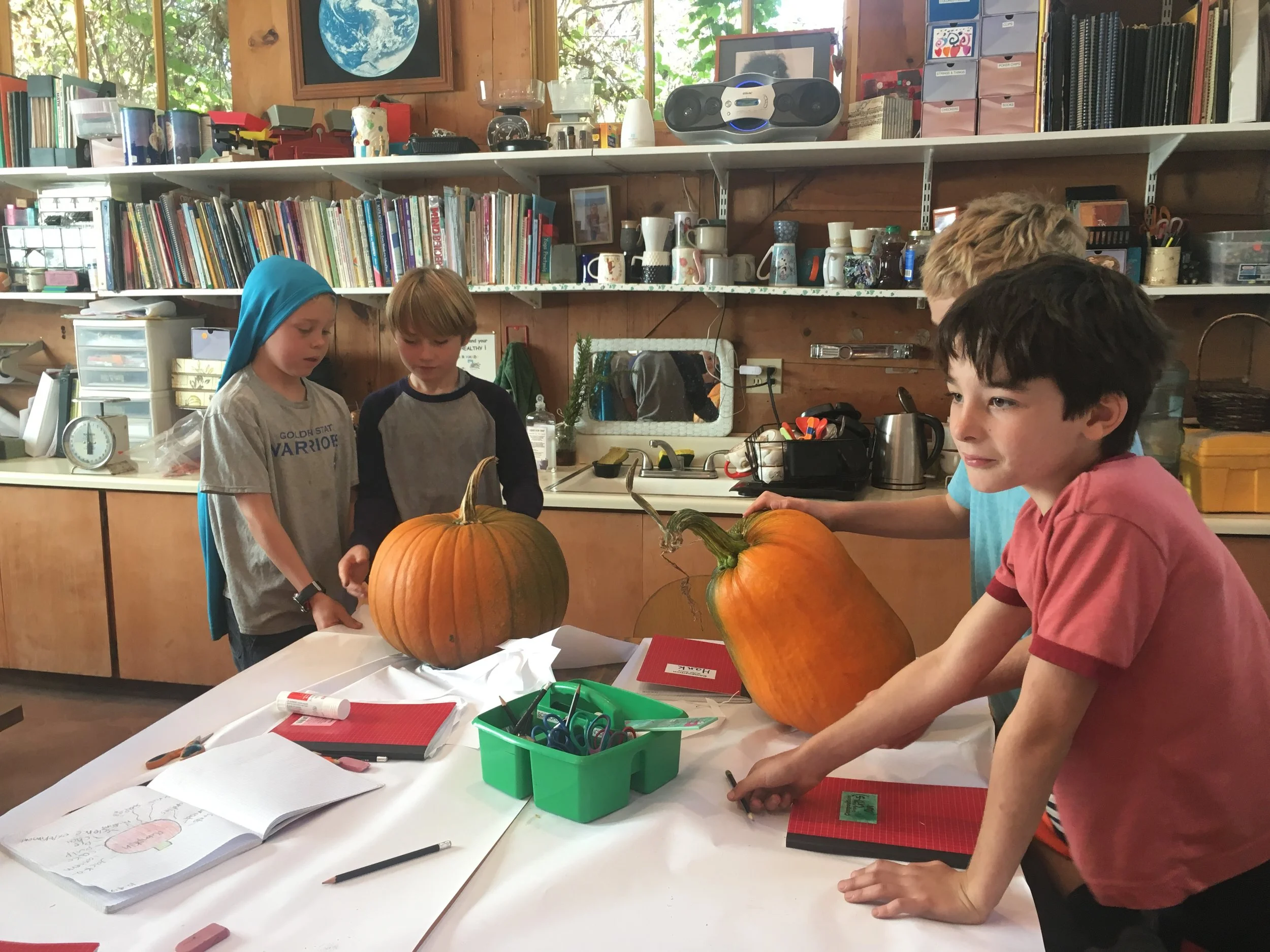
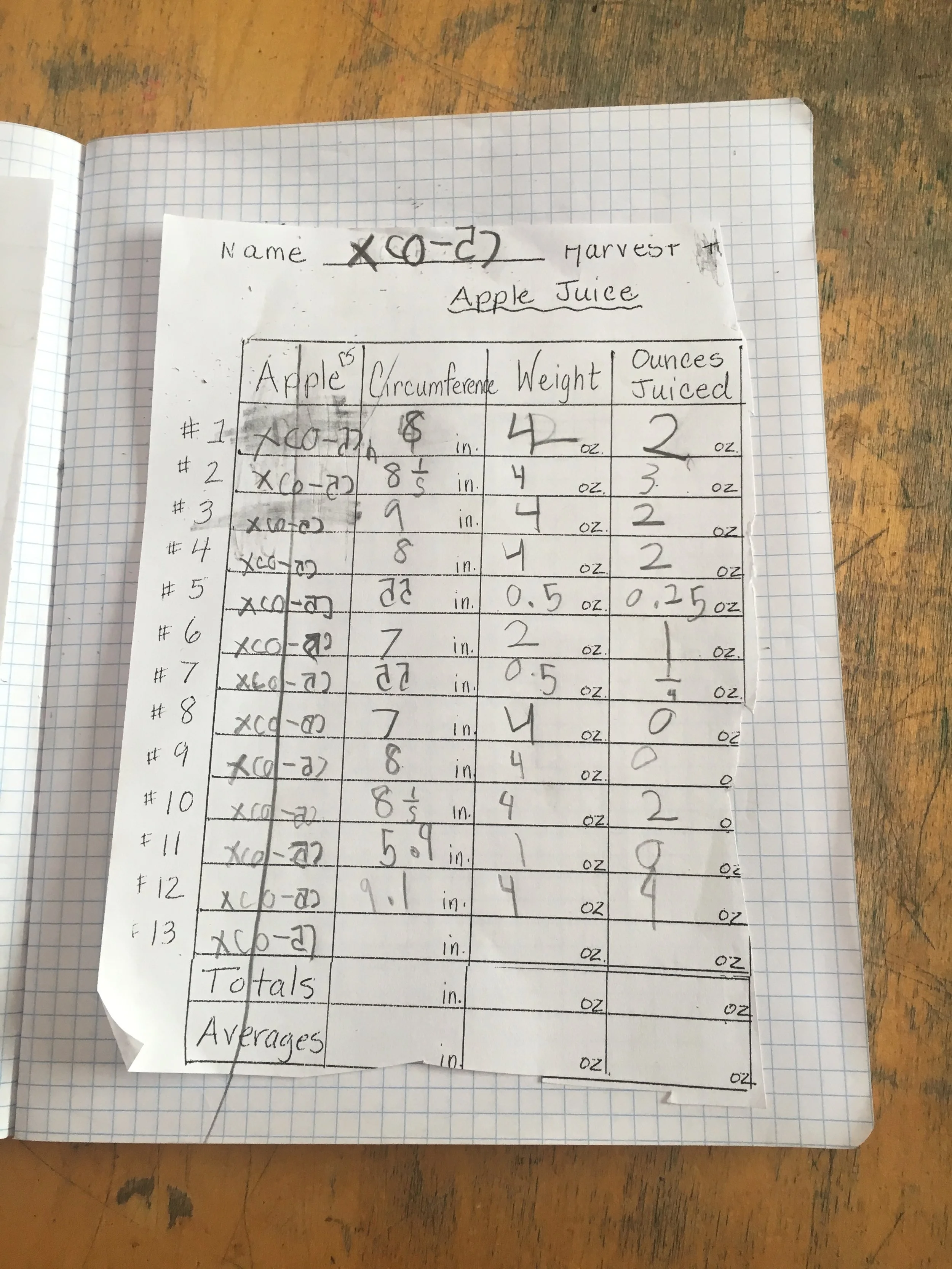
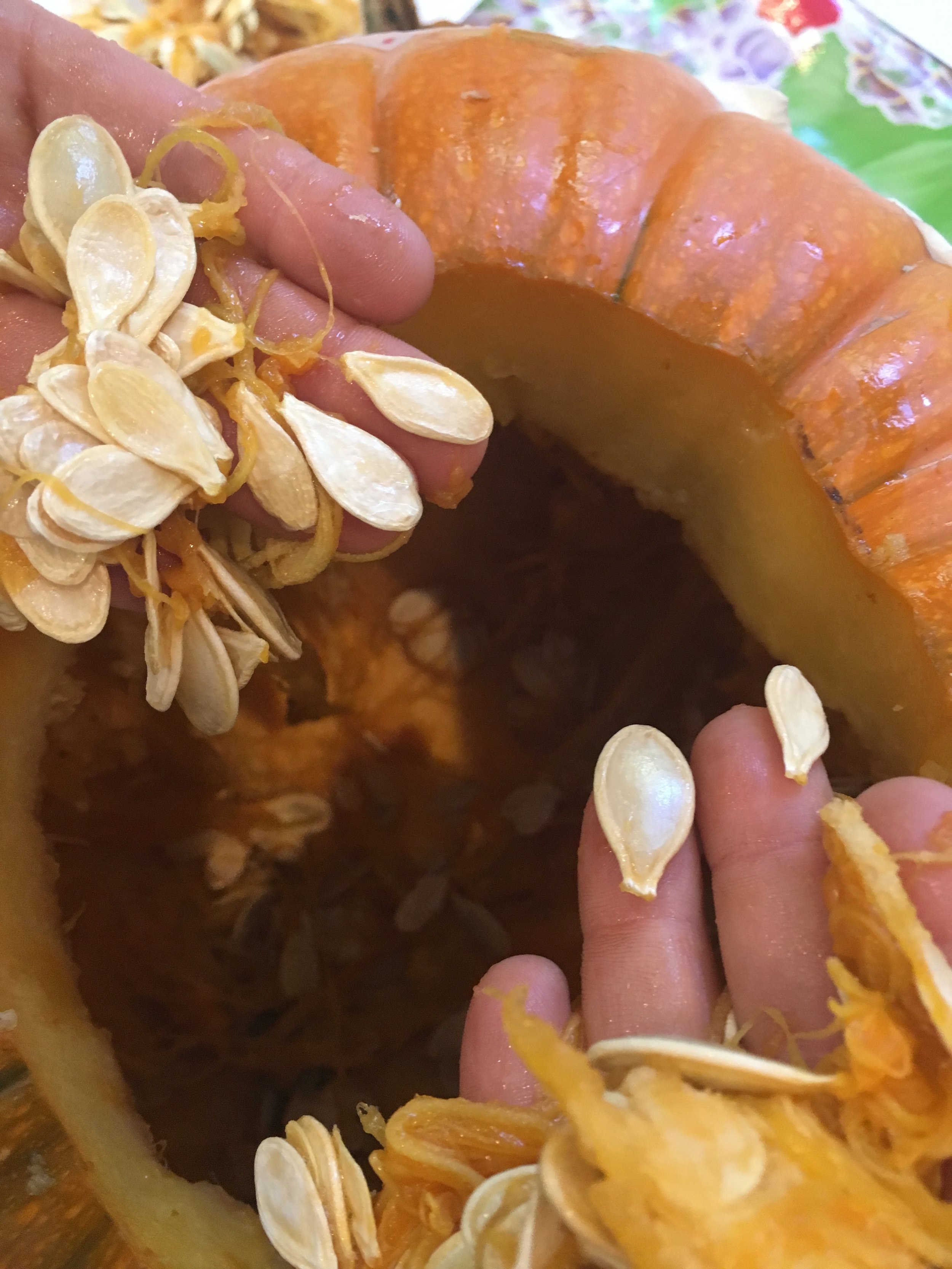
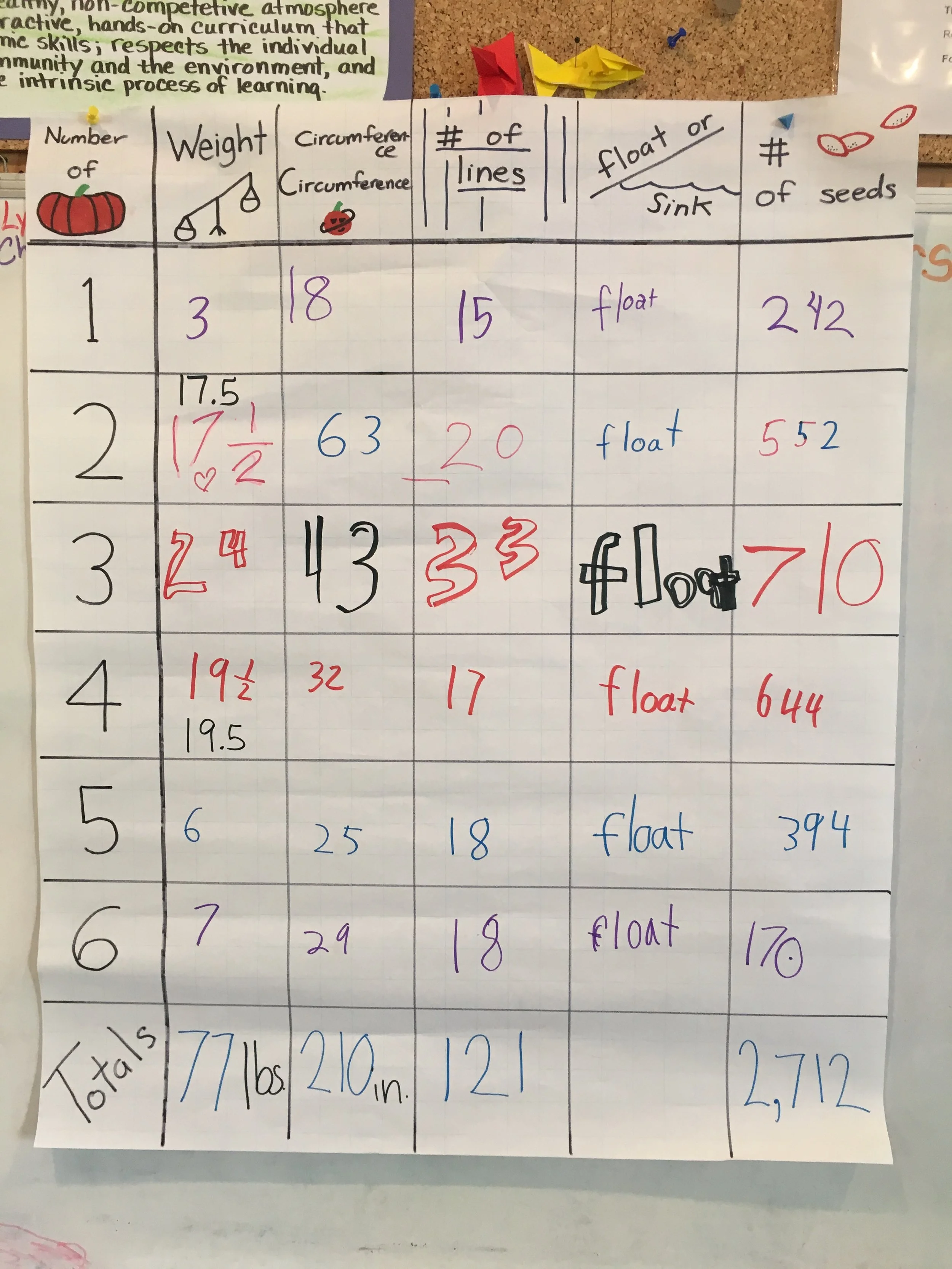
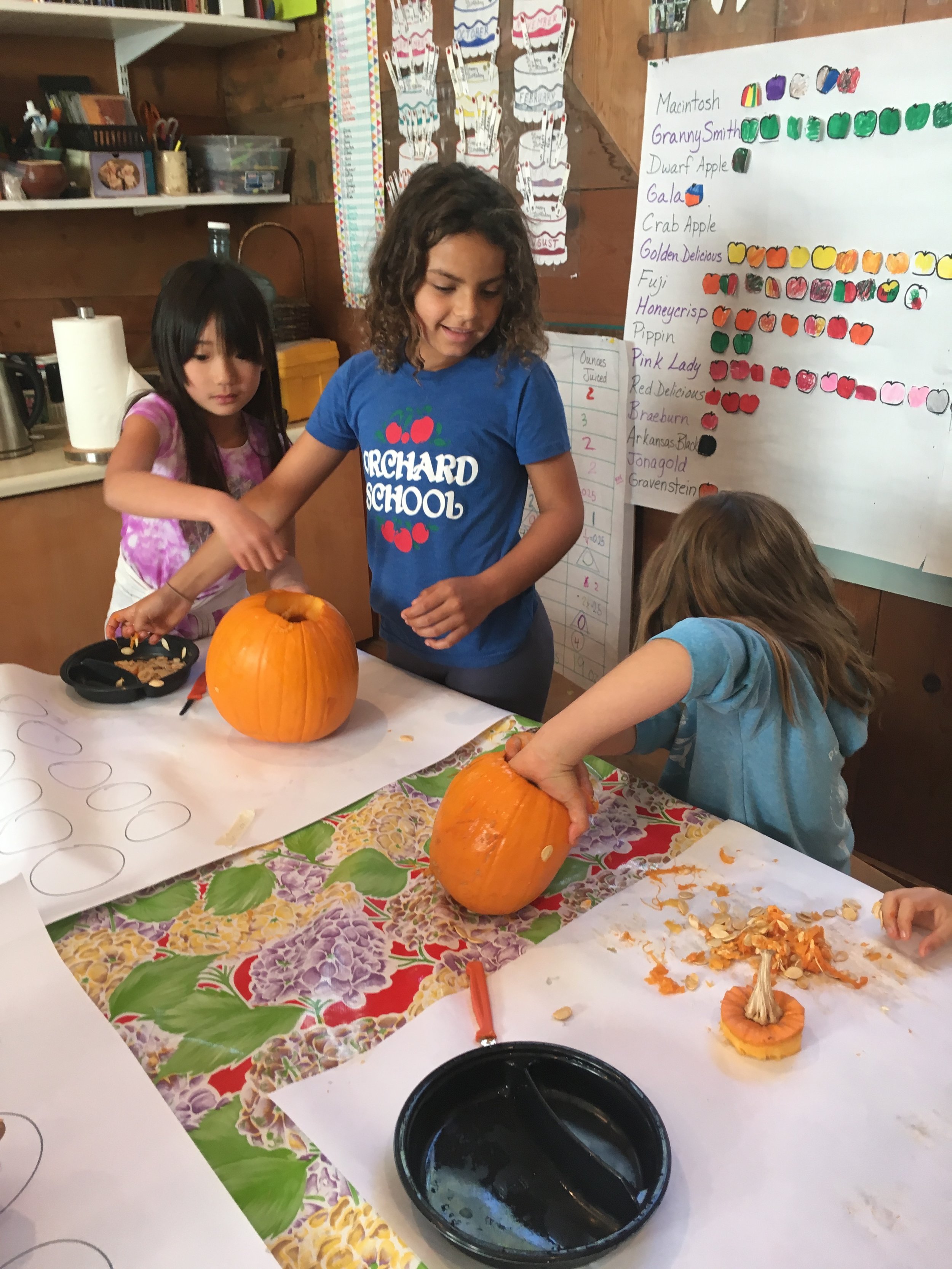
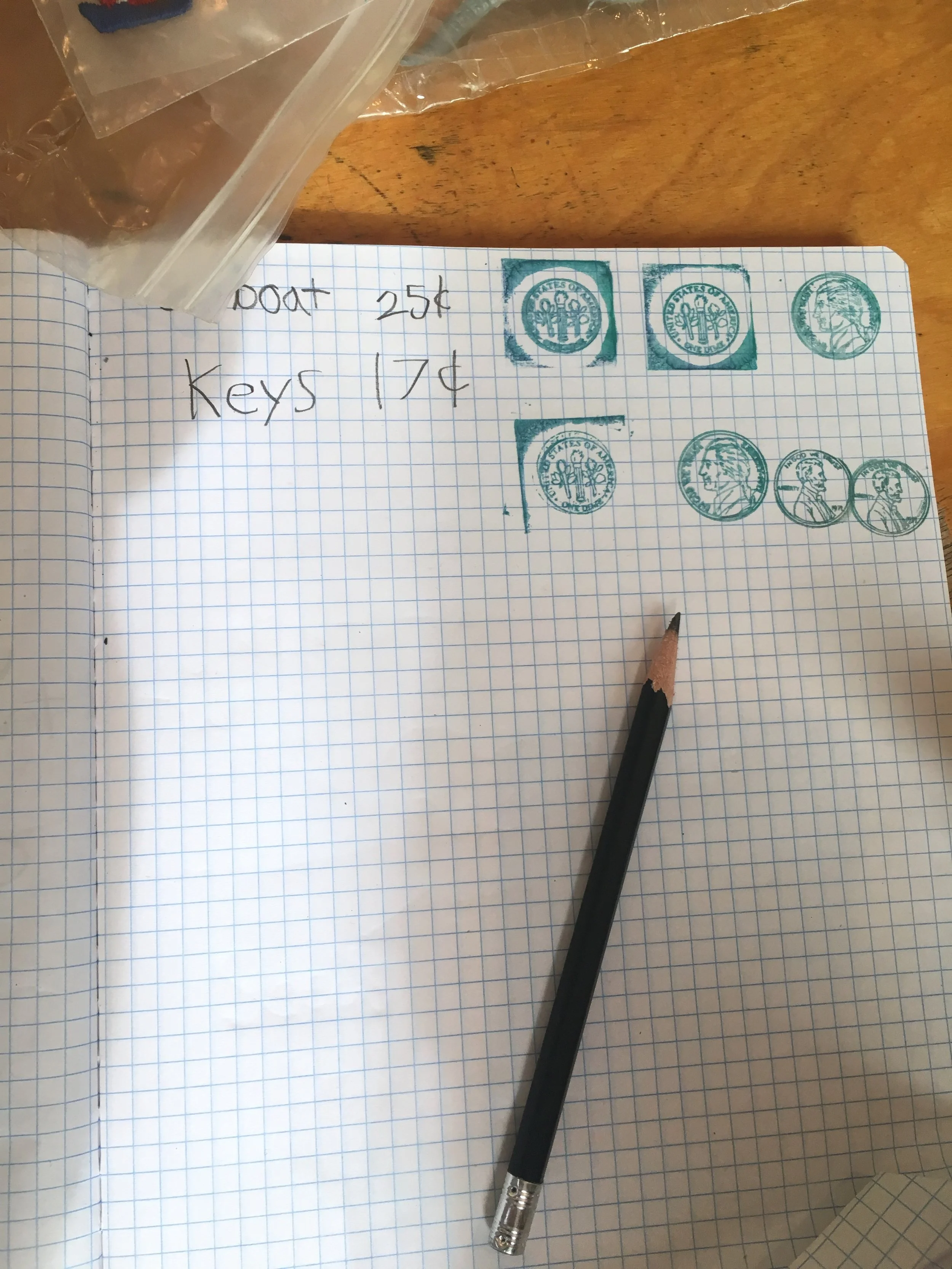
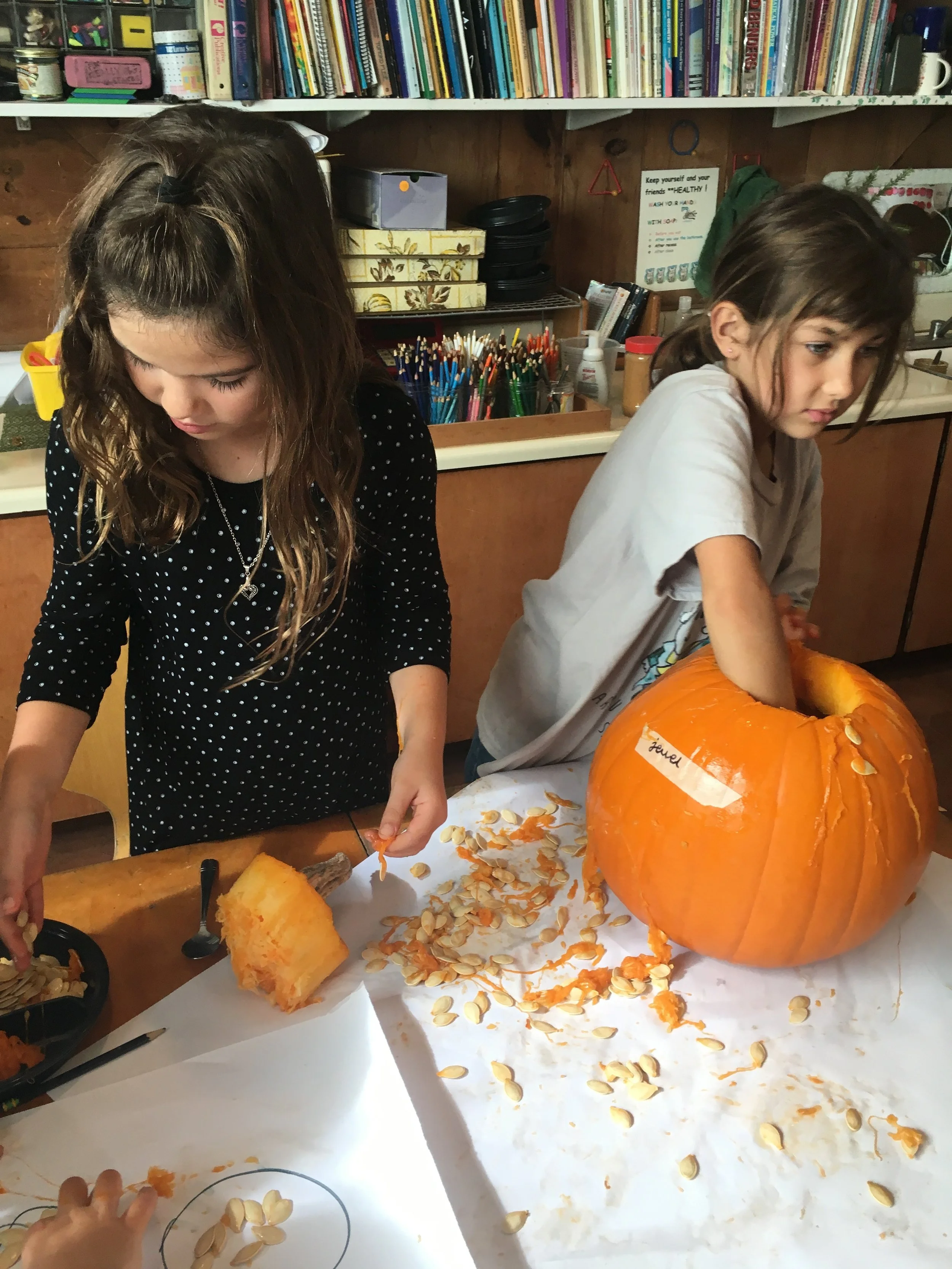
Ok, so students practiced counting by fives constantly during the Drive for Schools while recording money. With the apple investigations and Pumpkin Caper, students estimated and recorded weight, circumference, ounces juiced, number of lines, number of seeds, and whether or not their pumpkins would float. They then recorded this data on a class table and determined the maximum and minimum for each category. Together with their partners they used calculators to find totals for each column. For the pumpkin caper, I explained what the mean or average is using the example of height of students in our class after having them line themselves up from tallest to smallest. We have begun to determine the average for each category on the chart and will continue to do so next week. Huge thanks to Matt and Michael for their support during the investigations.
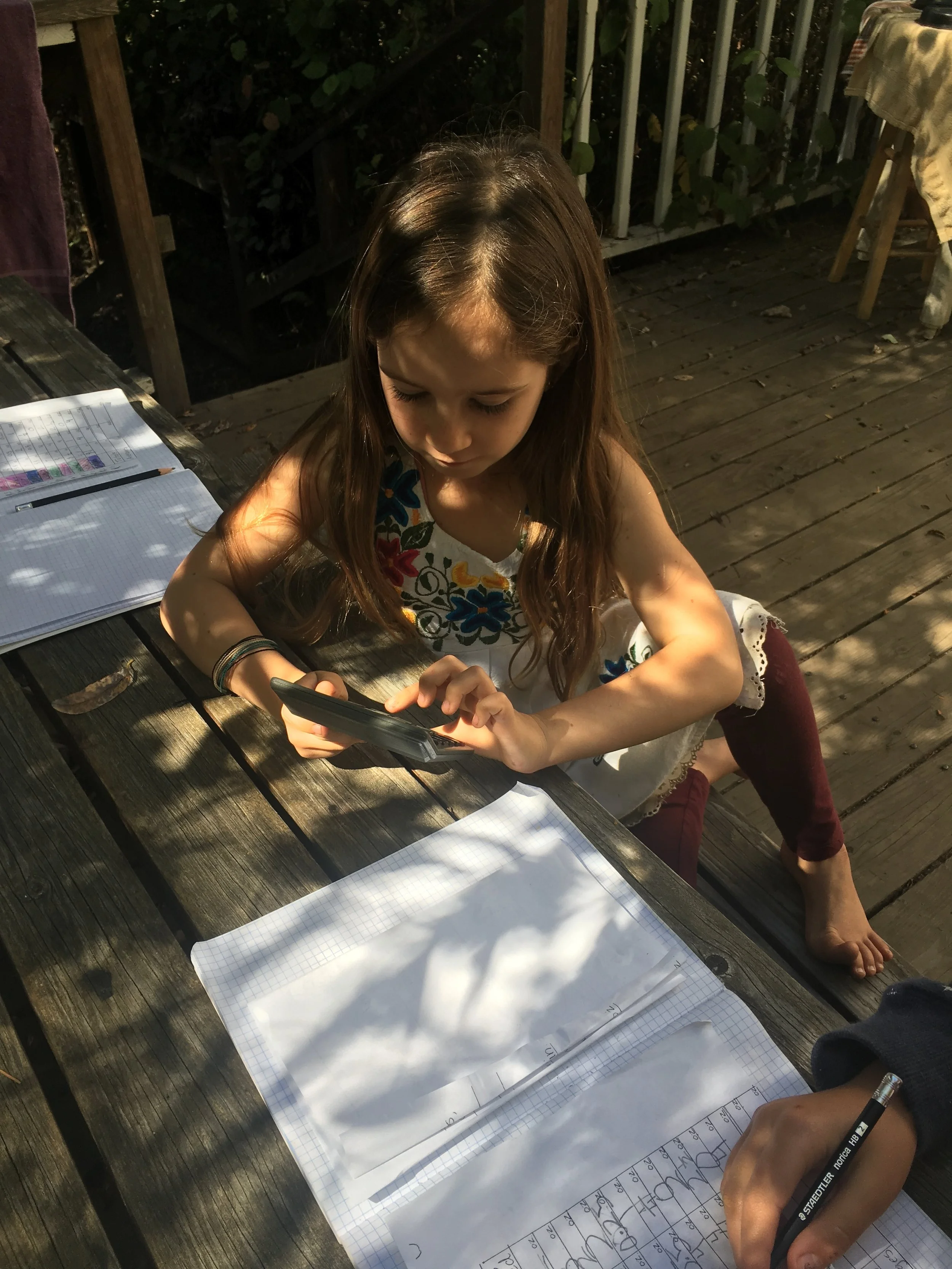
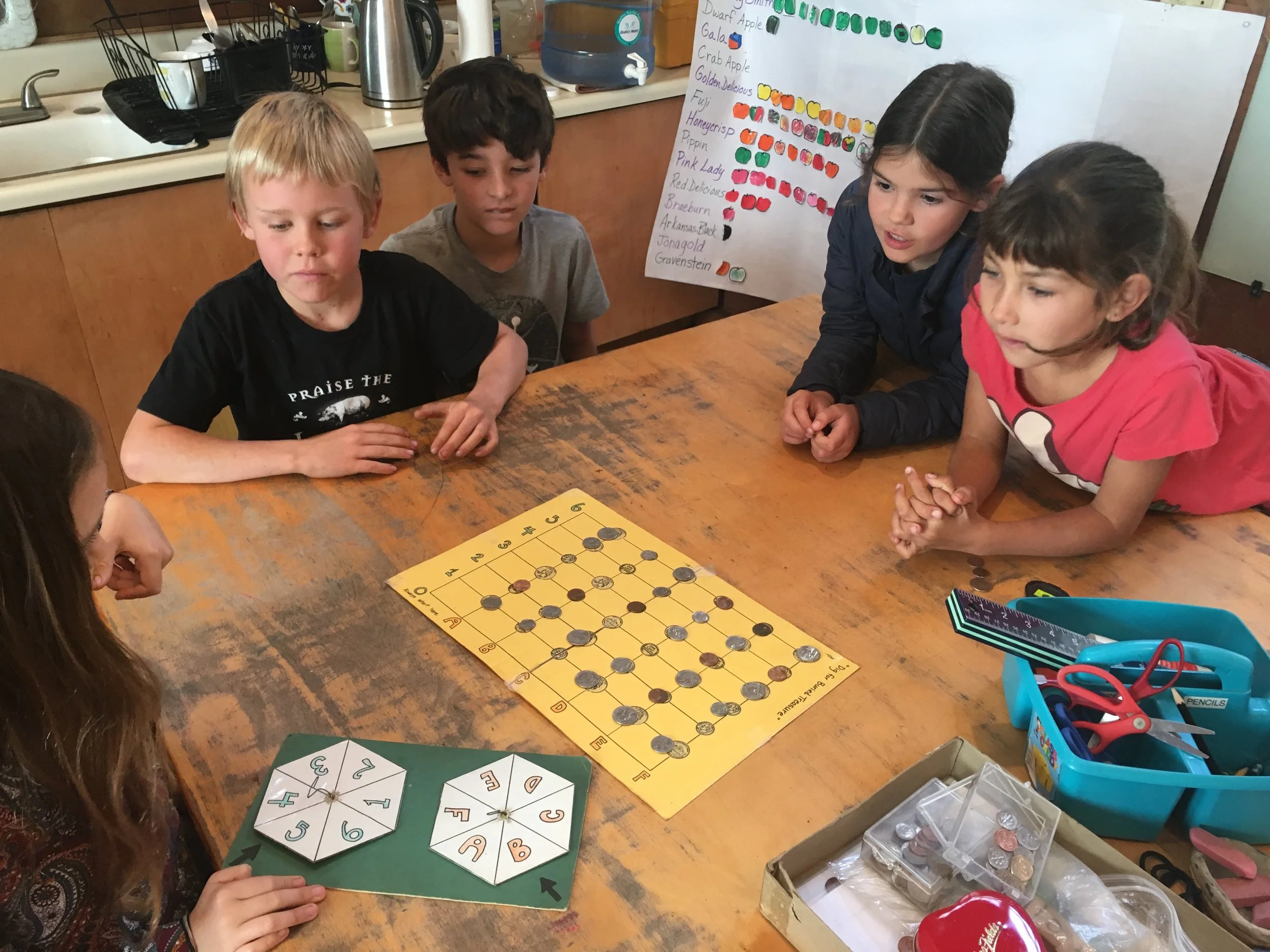
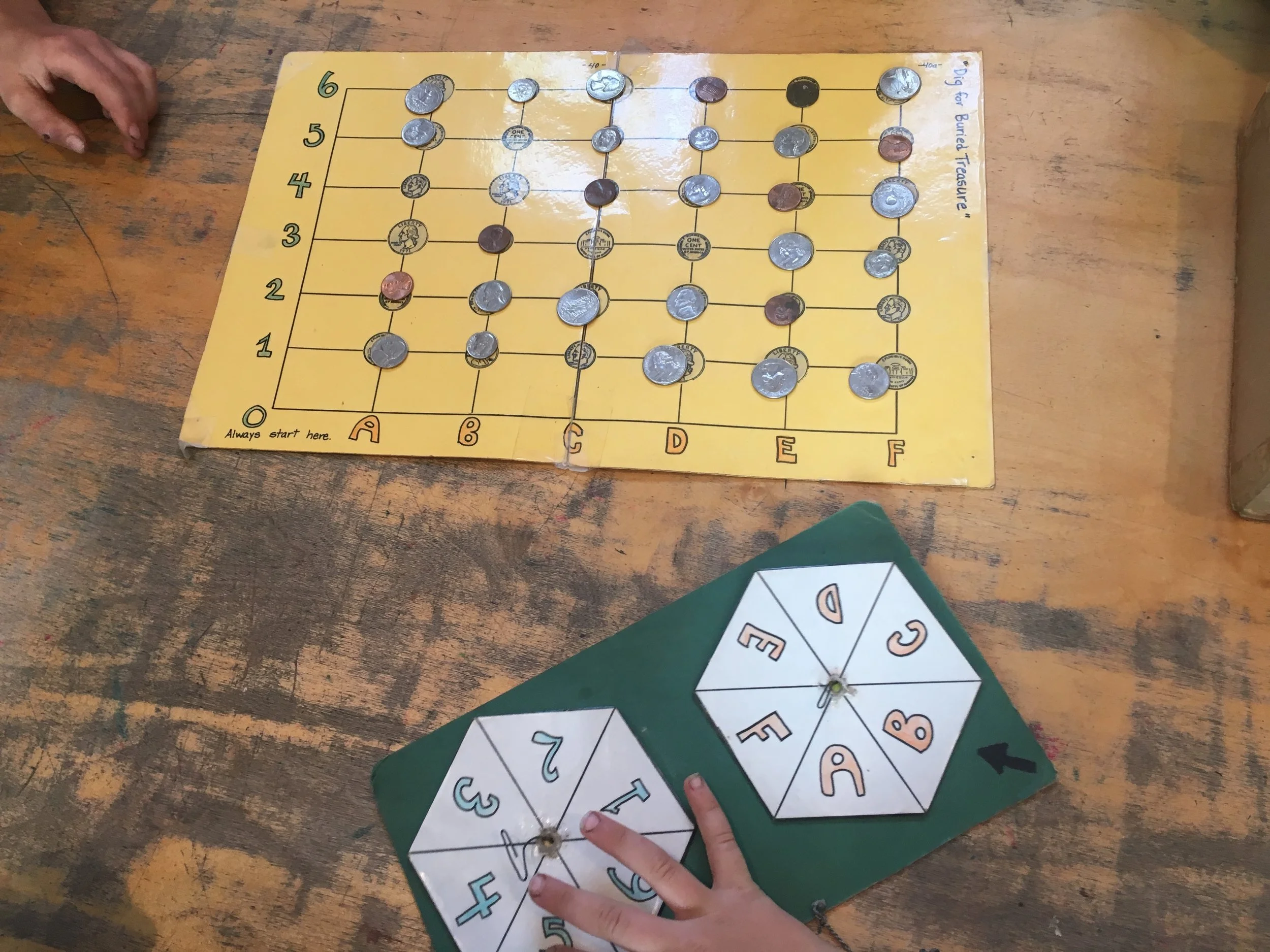
Students continue to solve challenges and are developing strategies for solving each type of challenge. We played Time Bingo as a class, practicing telling time to the quarter hour. We also practiced our addition and subtraction facts using flip overs and playing Addition Top It and Less than You (Instructions for games below). Students loved a game called Beat the Calculator in which the caller calls out a math fact and the brain and the calculator try to beat each other in responding. Calculators are exciting and can be overwhelming or confusing; it can be hard to find the key quickly.
For positive discipline, we went over the 4 Rs of Recovery from Mistakes. I have created a poster which is up in the class. I have also asked the students to think about a class project that we can take on for the year. Rian thought of building a little outdoor space in front of the back math cabin, Jordan suggests we pass around our sharing heart so all have a voice in thinking of a project. Sofia asks if she can record our ideas.
Once again, I really encourage that you think of math as you do literacy at home. Include numbers in your lives: play games, tell math stories, read numbers, create lists, discuss shapes in nature or art, and right now really practice the basic math addition and subtraction facts so that we may progress to multiplication.