2nd grade Math
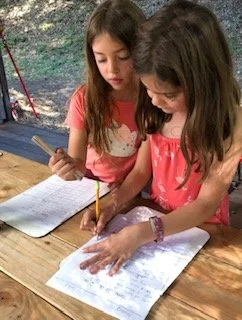
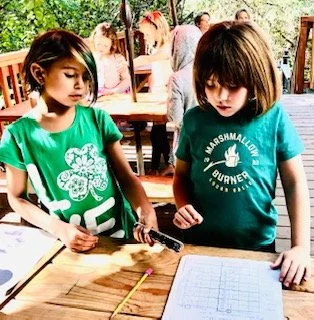
Second graders have been working hard at the Math Cabin and having fun doing it. They continued to practice money counting skills using coins. They are practicing adding on dimes and nickels and pennies to a given amount of quarters. They are also practicing counting $1, $10 and $100 bills using the base 10 blocks as a template because they have been working on their numbers and skills using the base 10 blocks and are now transferring that information to money counting skills. They also got to use play money to count, and everyone loves play money!
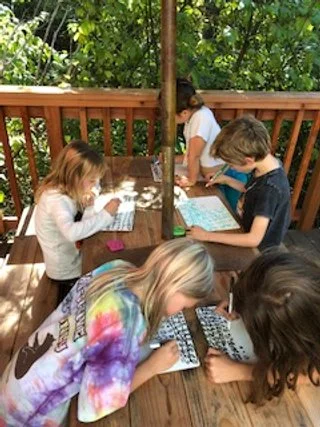
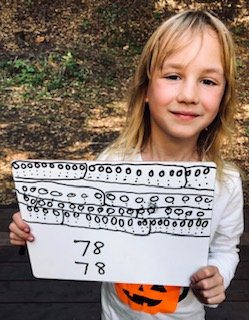
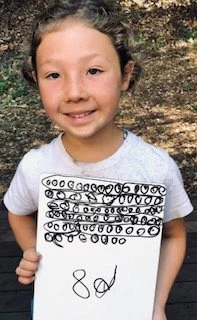
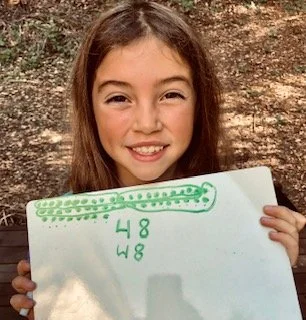
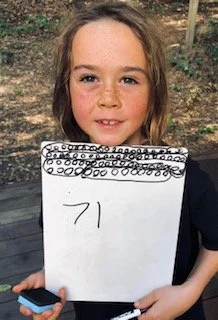
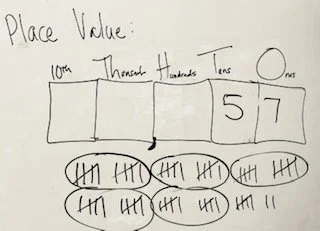
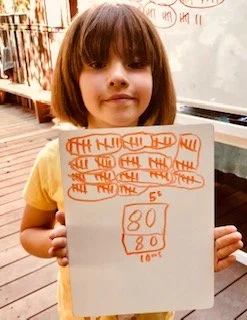
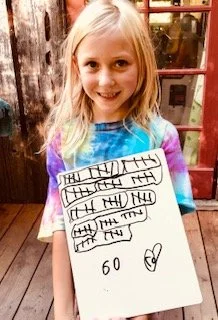
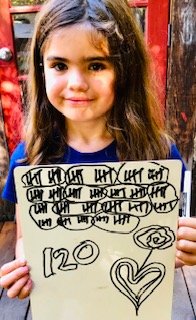
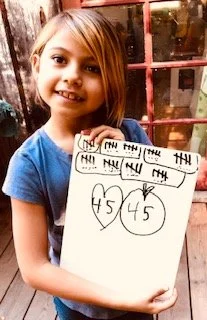
Second graders continue to practice their skip counting skills daily. They enjoyed playing a game where they drew little circles on whiteboards and counted them. Then they grouped their circles by tens then counted tens and ones to come up with a total number of circles that they drew in one minute. They love playing this game and it’s great practice for learning how long a minute actually is. Additionally, by counting by 1s then grouping tens and counting by tens and ones, students compared the outcomes, and concluded grouping and counting by 10s is most accurate and easy to do. They also played this game using tally marks and counted by fives and ones and then by tens and ones, again grouping their tally marks. Students practiced their place value skills and are continuing to learn that each place value only holds one digit as they transfer knowledge from concrete objects to abstract numbers.
Students have been learning about, reviewing and sharing information regarding geometry. Second graders worked on naming and describing the attributes of geometric 2-D and 3-D shapes. They considered the number of sides and, and worked on memorizing the names of shapes with these attributes. They enjoyed geometry and we will continue these studies all through the year.
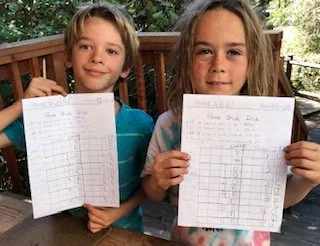
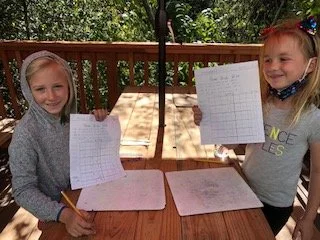
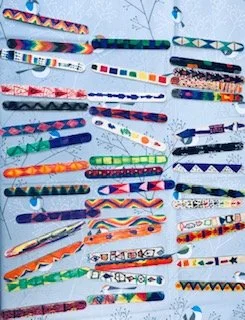
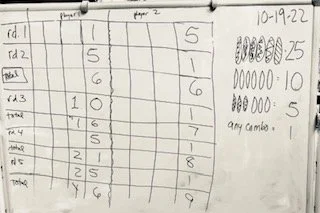
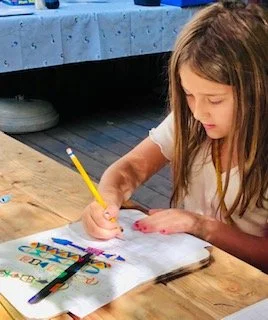
Second graders used the geometrically designed sticks created by the third and fourth graders to play the “Pomo Stick Dice” game. This game helps students with place value skills as they practiced putting only one digit into each place value while adding two digit numbers together. It’s a very fun and creative way to practice edition skills so they played it multiple times with different partners which also builds friendships as students learn patience, taking turns and how others may use different strategies for adding.
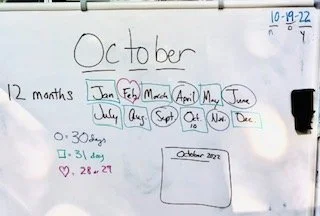
Second graders continue to practice writing their numbers in the correct direction, in order, and are honing in on their calendar skills. Each month they will be creating their own calendar for the month remembering our song of the month to the “Macarena”. They learned the 30 days poem to better understand how many days are in a month, and how to write the day's date in a variety of ways, using words, abbreviations and numbers. On their calendars, they also included major events/holidays, and their significance, noticing which month they are happening in and what days they are happening on.
Students are continuing to practice telling time, skip counting, addition, subtraction, geometry and problem solving skills. They also are working on following directions, focusing and positive communication skills such as tone and volume, choice in words and taking turns to share ideas.
I would encourage all families to play math games, notice opportunities for practicing mathematical problem solving and share when you, as adults, have used math in your daily life. This will help students understand why we learn such concepts. There are several websites that promote understanding and automaticity for addition and subtraction, as well as grade level concepts. I recommend each student practice mathematics at home regularly, and often, in ways that are useful and enjoyable.