
Specialty Class (Human Body)
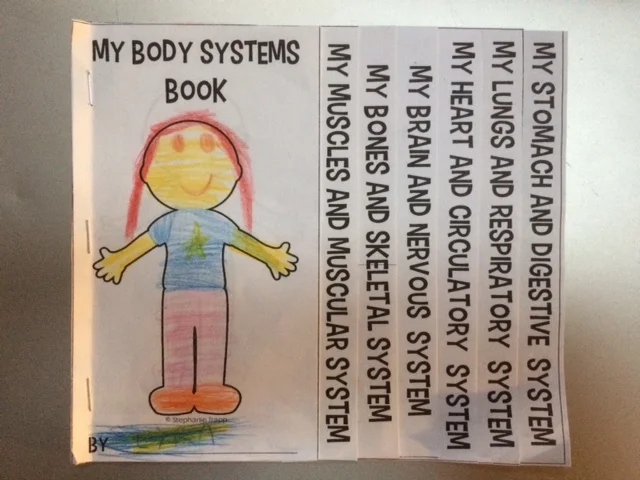
The students seemed to enjoy learning about the different body systems each week and exploring ways in which we could support and strengthen our systems and our body as a whole. Hands on activities, art projects, literature, and short videos were used to illustrate and bring to life the systems. Below is a summary of the systems and activities we studied. I do hope that you have had the opportunity to go through with your child the body systems flip book that the students created at the end of the session. I really enjoyed this time with your children!
The Muscles & Muscular System
We had fun with the expression, “Don’t move a muscle”. I asked students to sit for 30 seconds and try not to move a muscle. Of course, that’s impossible because some muscles move without us even knowing it. We talked about the different types of muscles, the ones that we can control (like the muscles we use to run, jump, or lift things) and some important muscles (like the heart and muscles that control breathing and digestion) that our brains control without us even thinking about it. We then did all kinds of activities consciously using our muscles!
My Bones & Skeletal System
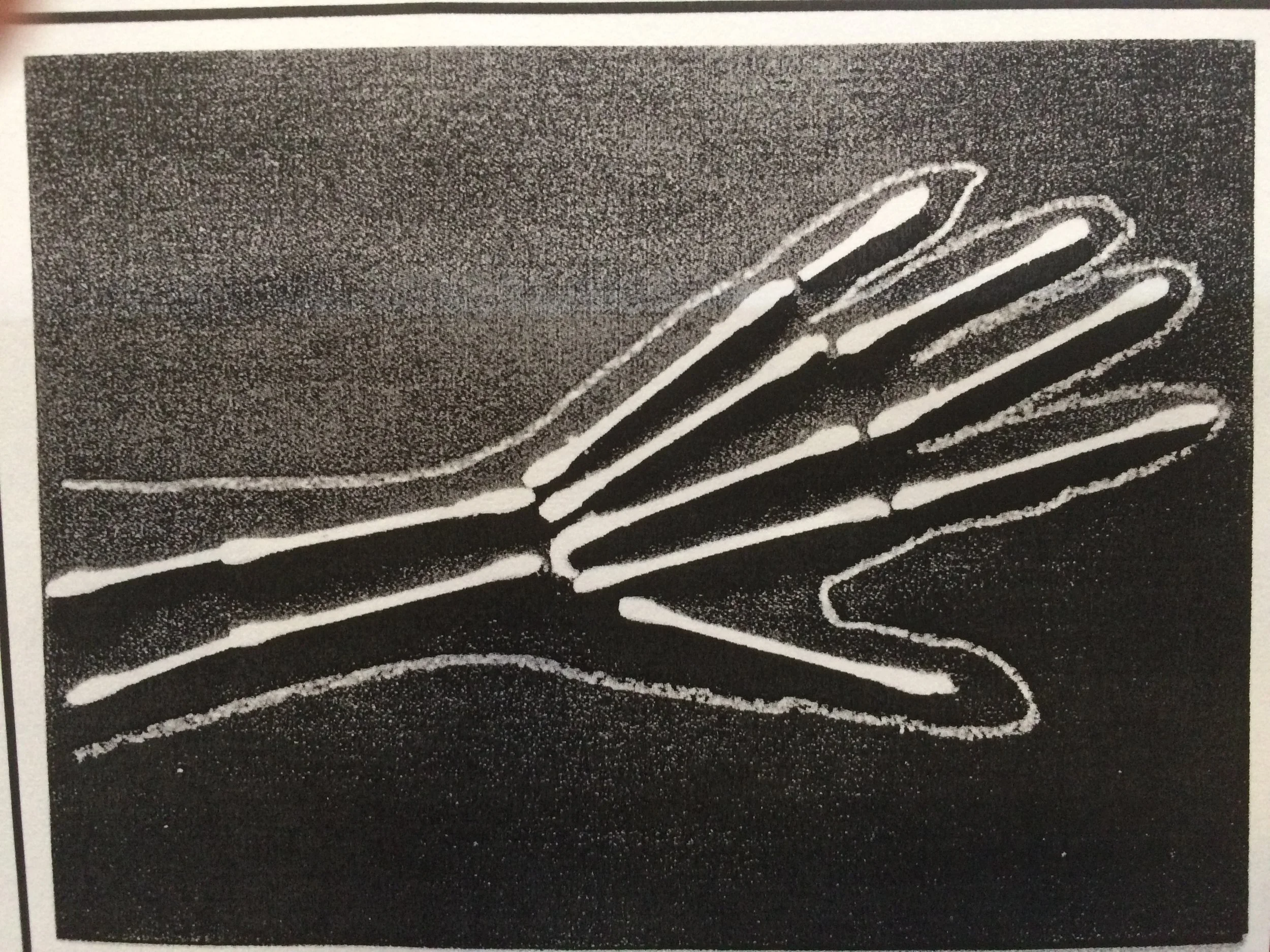
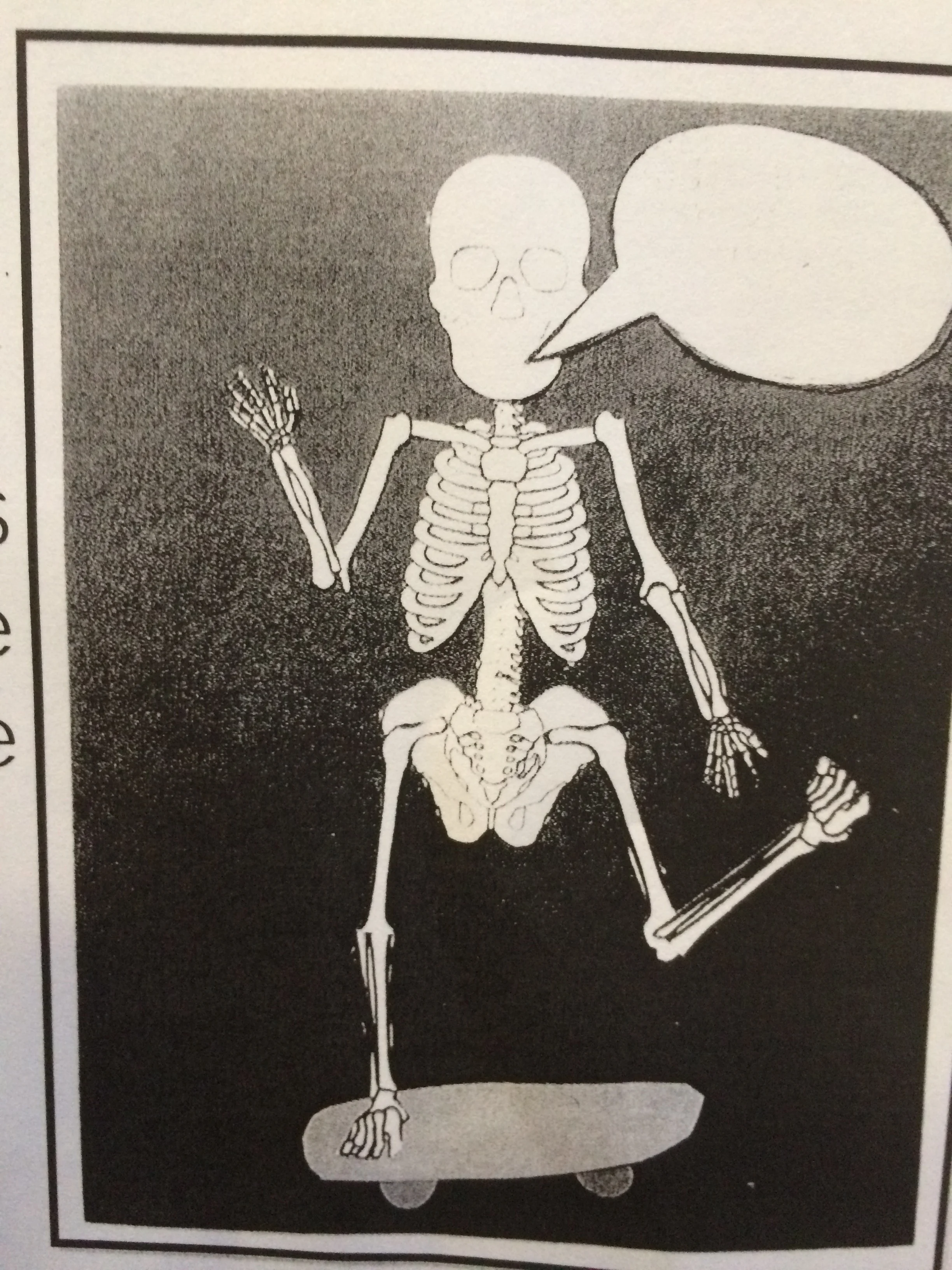
We talked about how our skeleton gives us shape and protects our organs and the fact that we have 206 bones in our body. The students created X-ray art by tracing their hand on black paper and gluing cotton swabs to represent their bones. They also created Skeletons on the Move by cutting out and gluing a skeleton in an active position. One of our students brought in X-rays of the skull and chest – fascinating!
My Brain & Nervous System
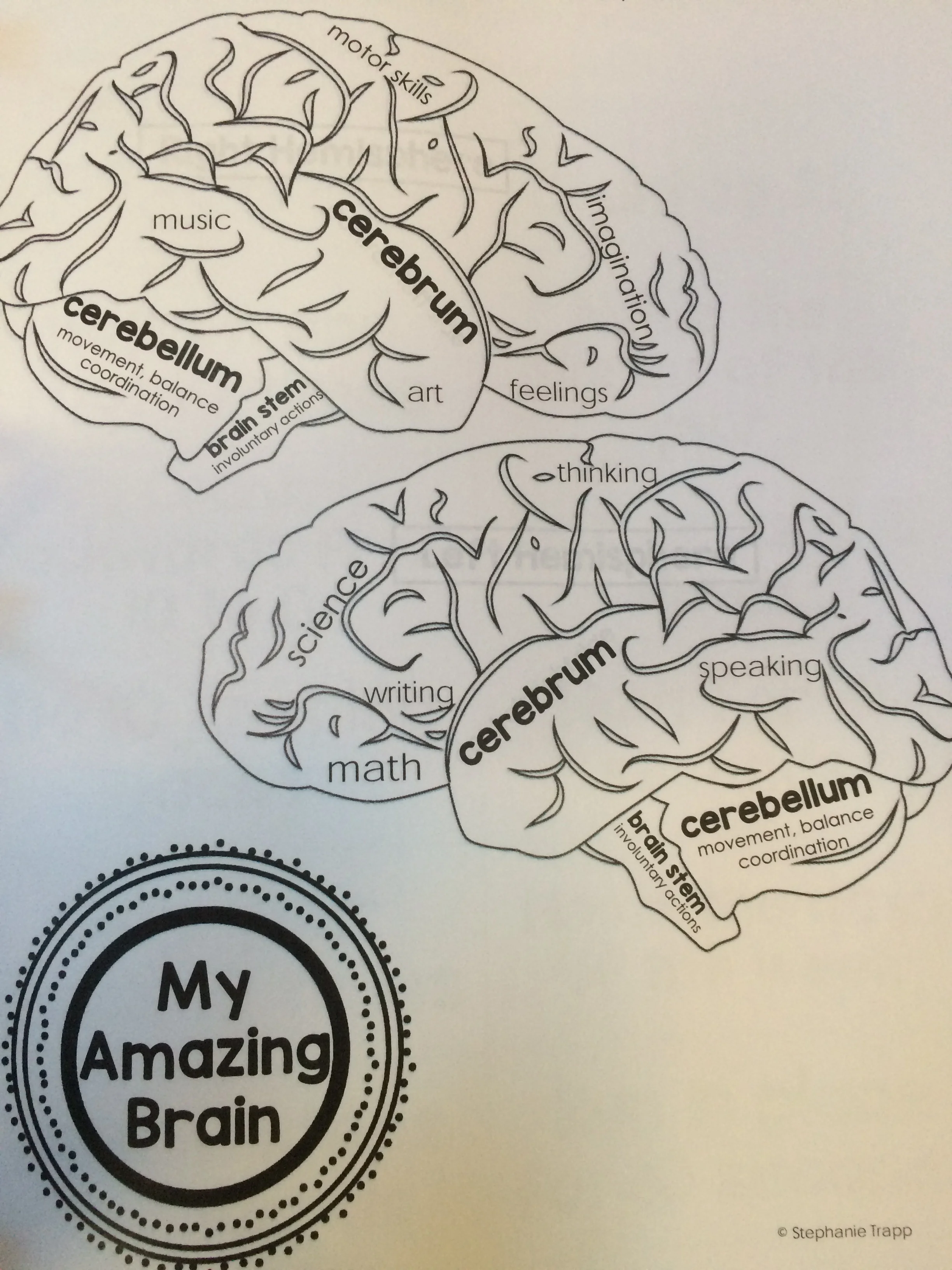
I began this class by having students study 12 common objects on a tray for one minute and then writing down or drawing the objects they remembered. We talked about how the game used our brain and how one of the many jobs our brain does is to store and retrieve information. We then brainstormed all the other things that our brain might do. We completed the class by making a brain hat with a right and left hemisphere that they could wear.
Heart & Circulatory System
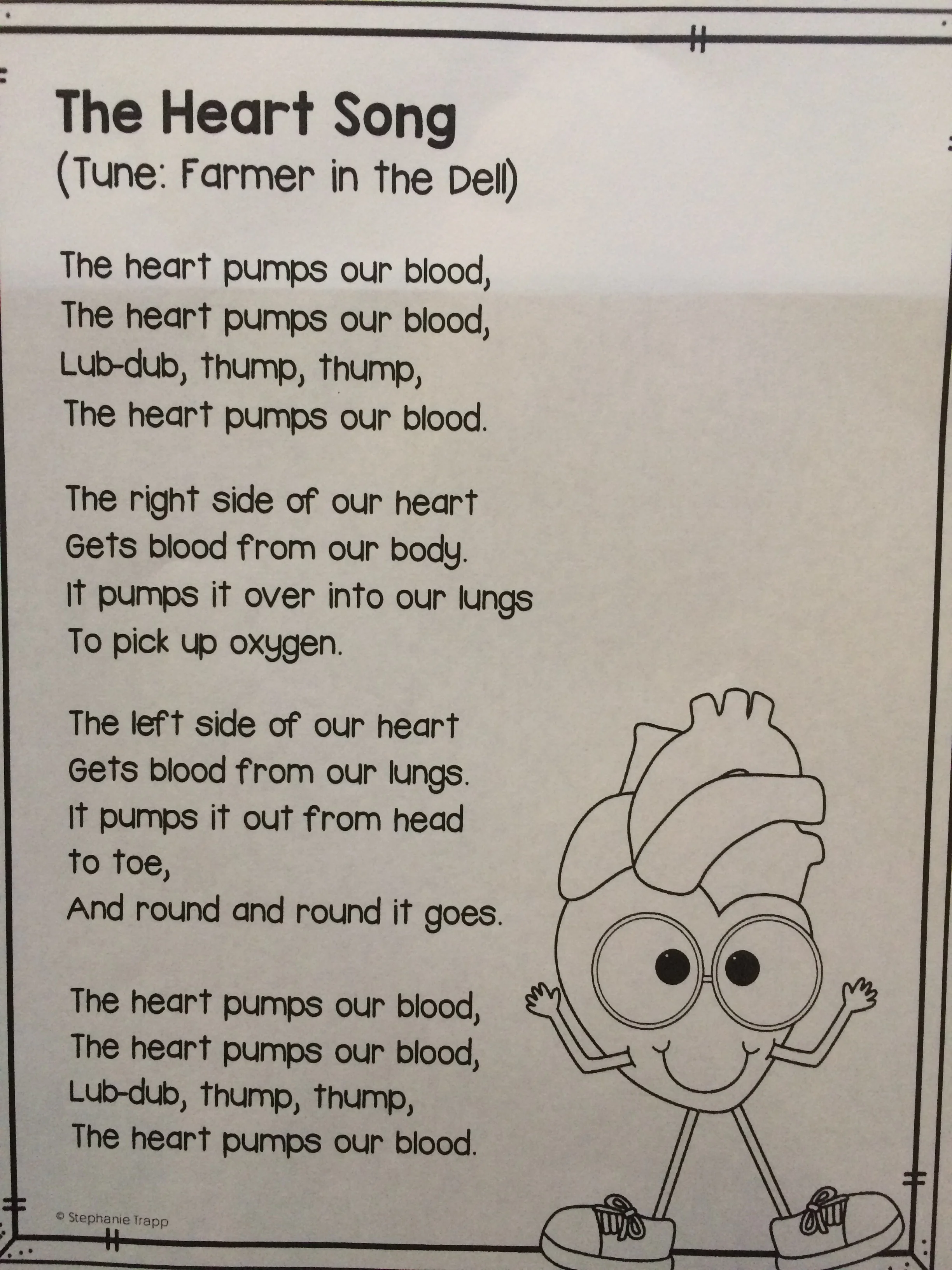
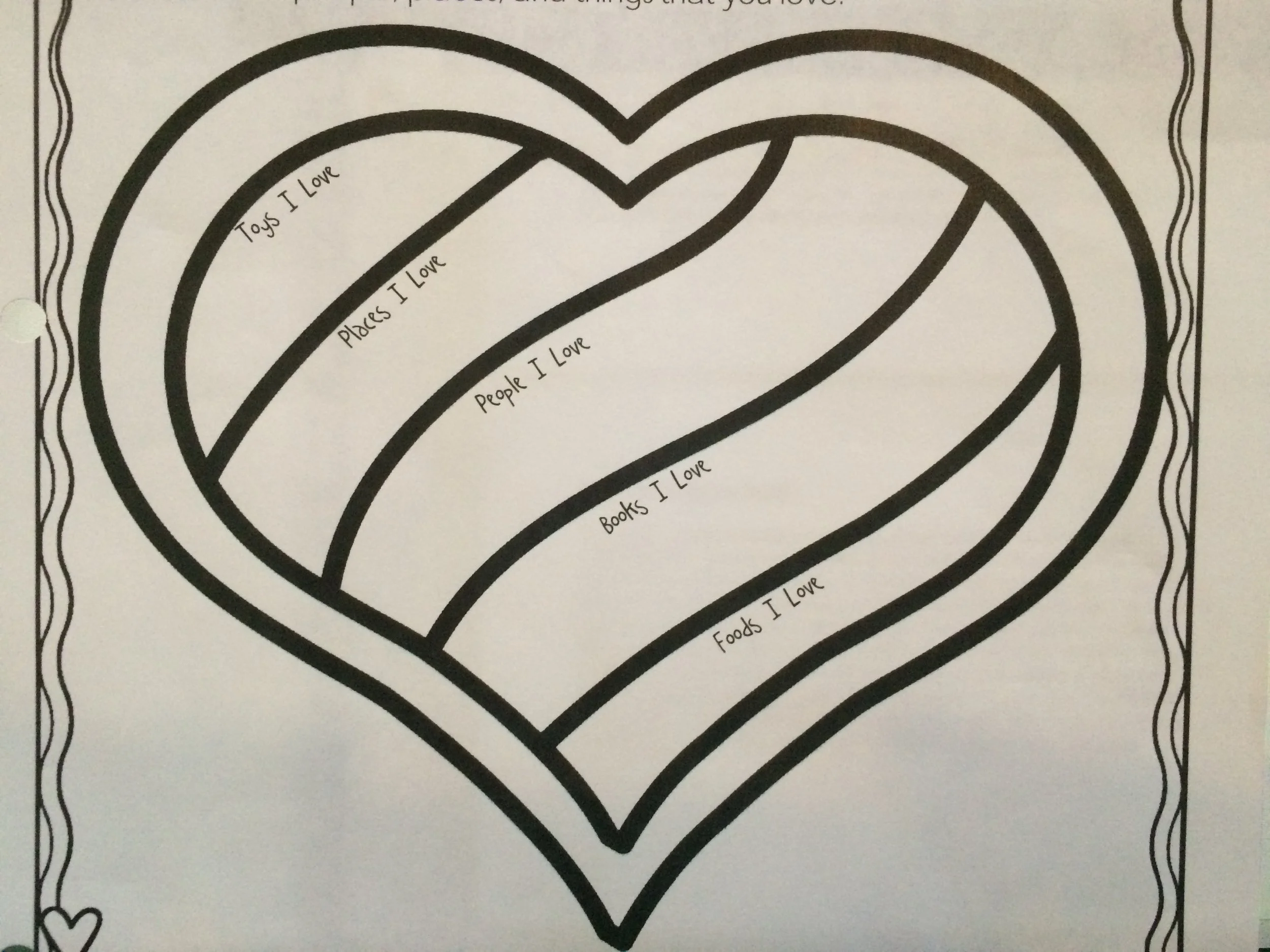
The students enjoyed finding their pulse, either on their neck or wrist, and comparing their pulse at rest and then after one minute of exertion. We talked about how the heart’s most important job is to circulate or move blood around the body. We sang The Heart Song and then did an activity (Heart Beat the Clock Race) to highlight how much blood the heart moves in one minute, 1.3 gallons. Each heartbeat is pumping 2.4 ounces of blood, or about ¼ cup. Students were challenged to try to work as fast as their heart by moving a gallon of water from a dishpan using a quarter cup. Students found that it is very hard, if not impossible, to scoop and move a gallon of water in just one minute. They could see fist hand that the heart is an amazingly strong and efficient muscle! We ended class with a language art activity where they filled in the people, places, and things that they loved.
Lungs & the Respiratory System
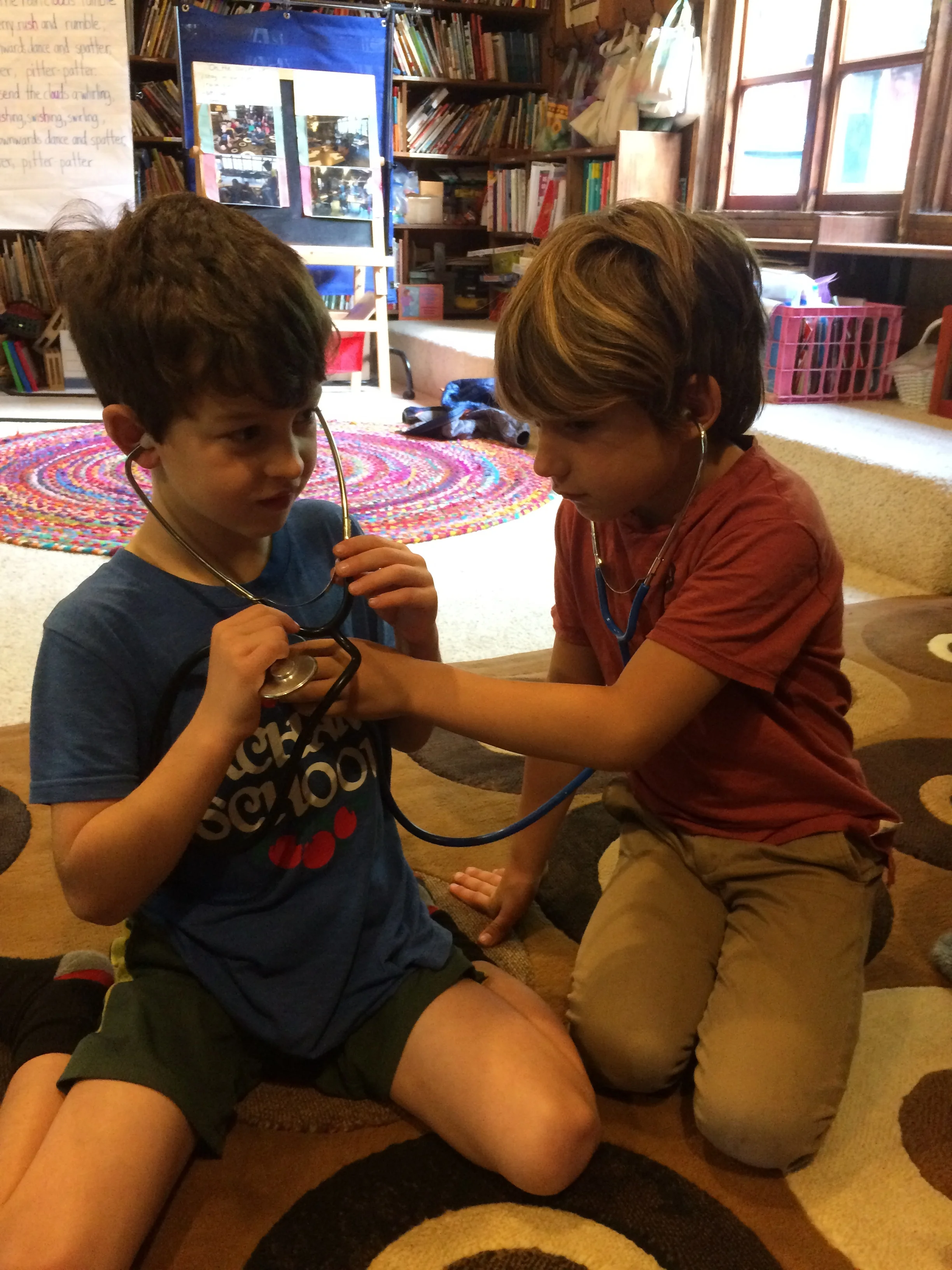
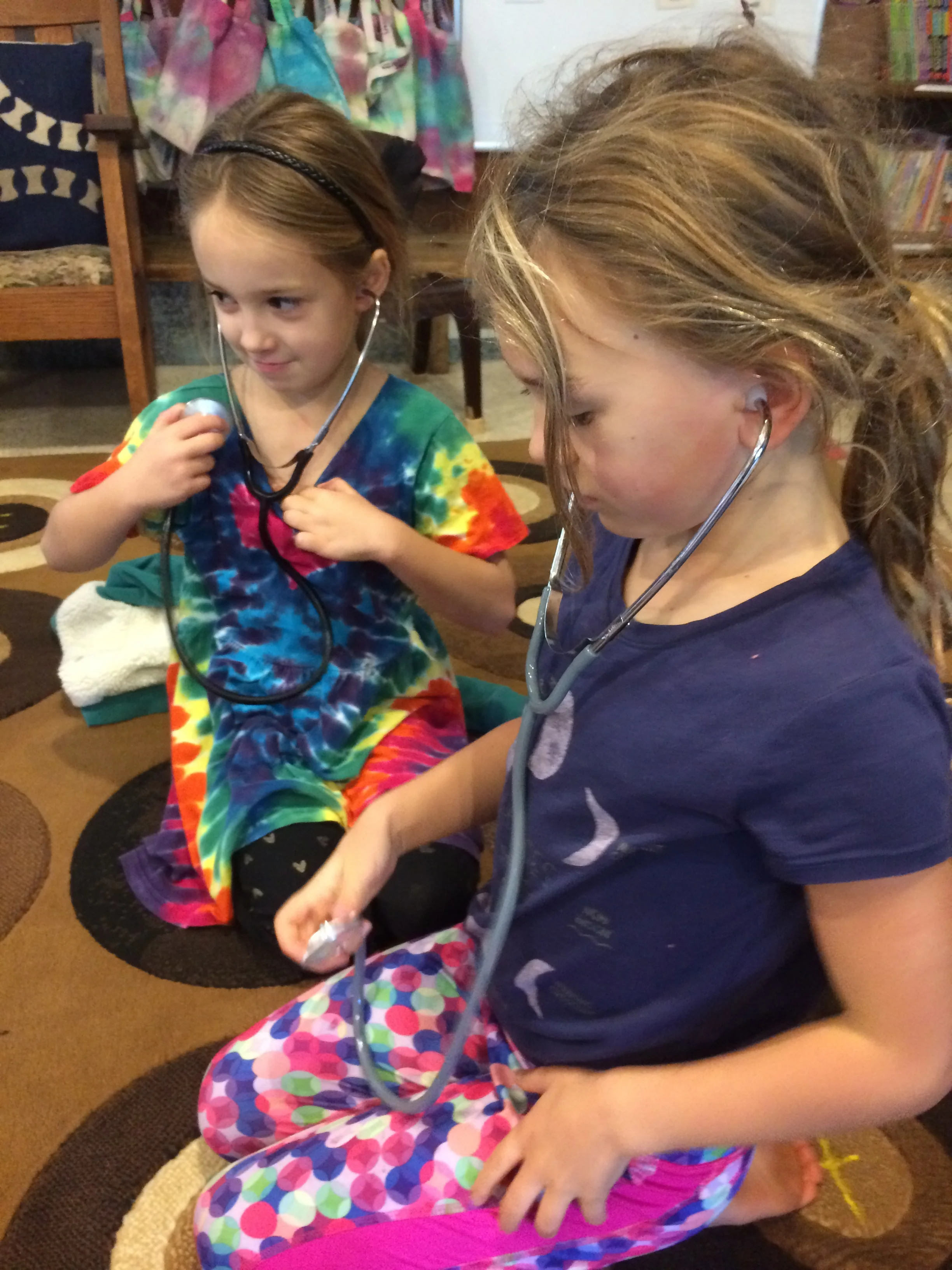
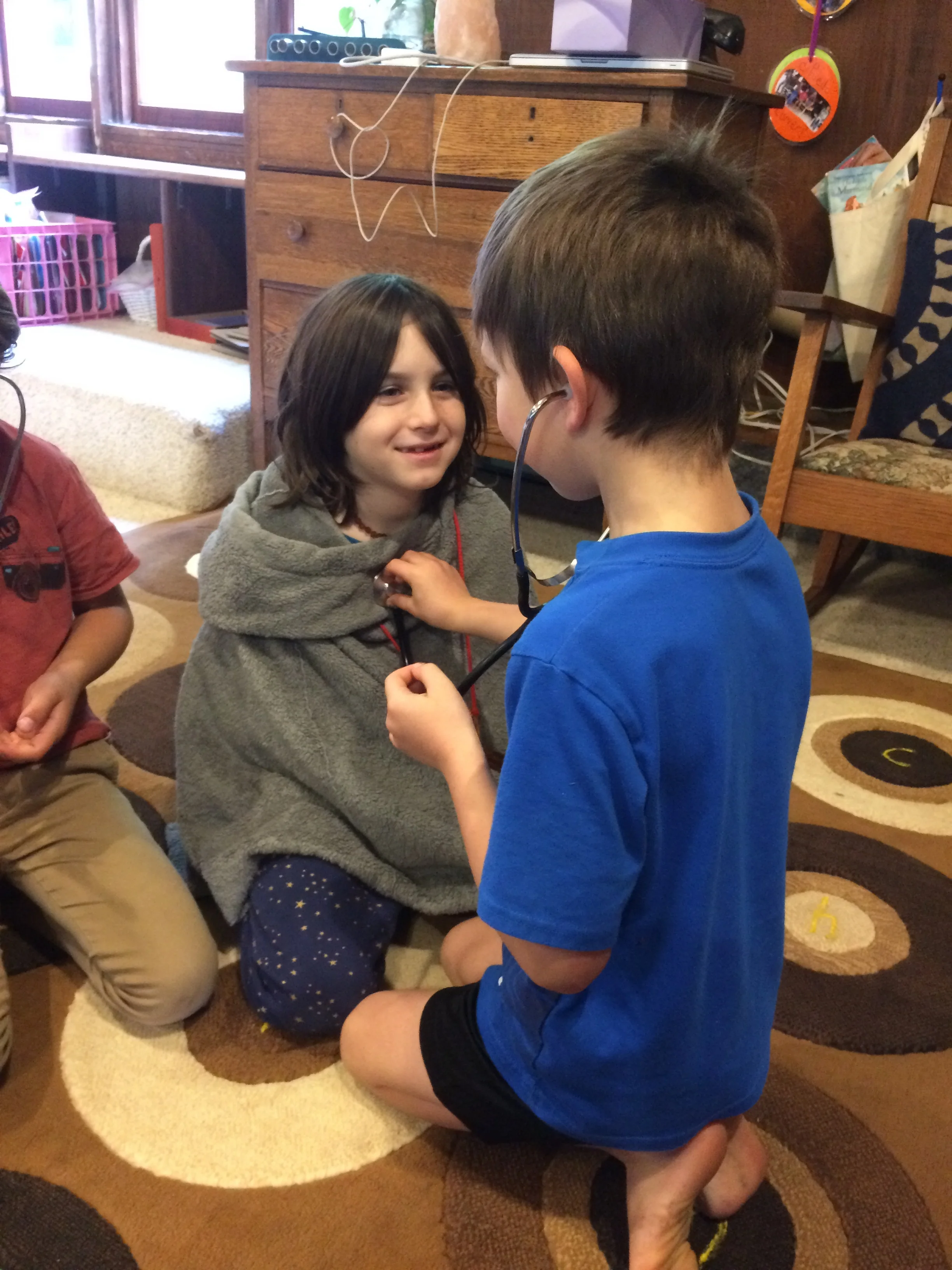
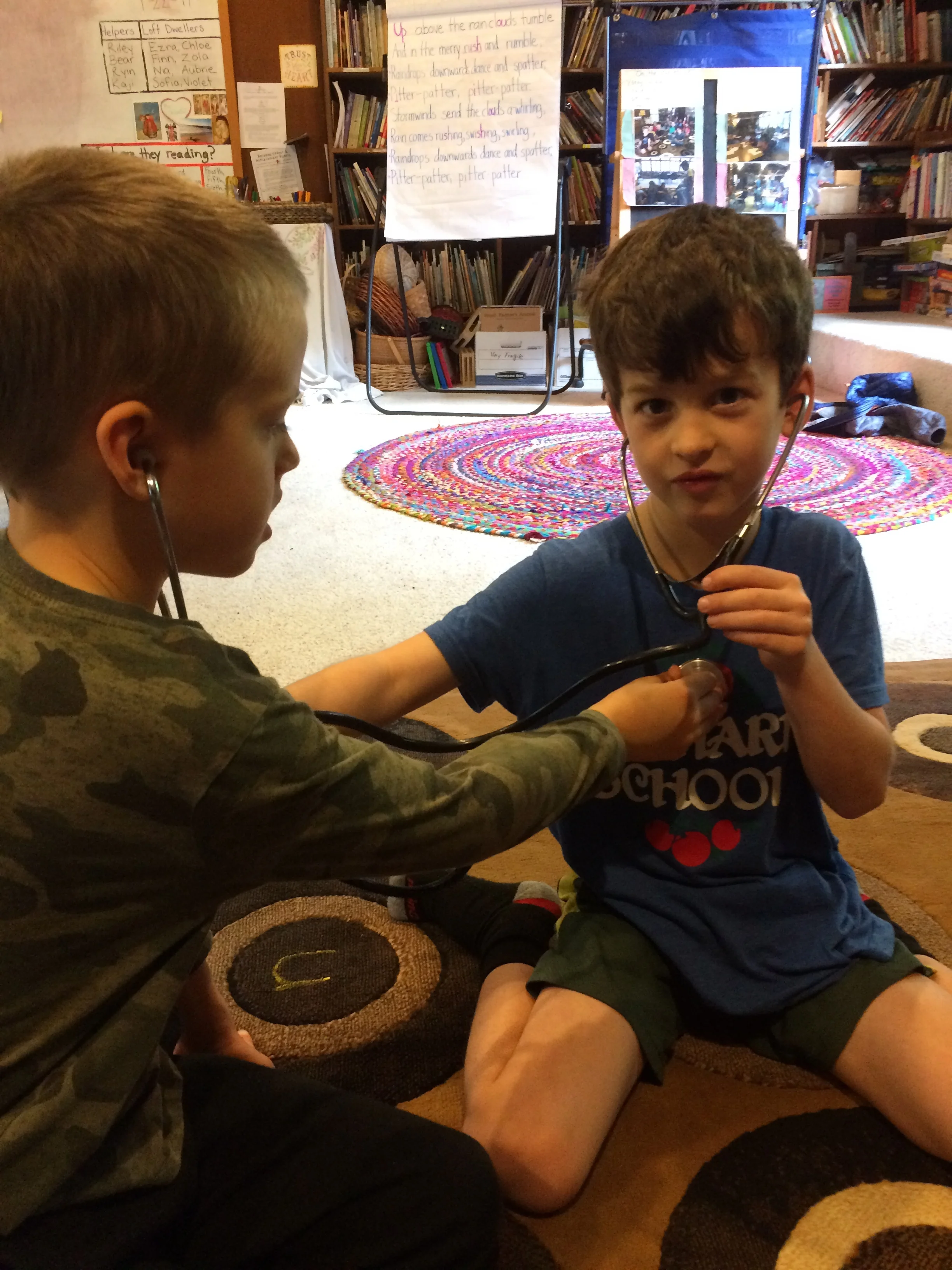
I blew up a balloon and asked the students how I did it, what was my body doing? I then let the air out and explained how our lungs are a little like a balloon. We used stethoscopes to listen to each other’s breathing and heartbeats, at rest and after exertion.
Stomach & Digestive System
What happens after you eat sushi? Where does it go? What happens to it? I was impressed with what knowledge the students already had concerning the digestive system. To simulate digestion, we did a hands-on activity. Each student had a few crackers in a bowl. The bowl represented the mouth and the fingers were teeth breaking up the food into smaller pieces. I added a few drops of water to the crackers. The water represented our saliva, showing how it breaks down the food in our mouth, making the crackers softer. The students spooned the crackers into a small plastic baggie that represented our stomach with the spoon being our esophagus, moving food from the mouth to the stomach. Students pressed on the crackers in the baggie and then I added soda, which represented our stomach acid, breaking down our food even more, turning it into a liquid mixture ready for the intestines. Yuck!
The class ended with us attempting to illustrate the length of the digestive system by using yarn and measuring the distances between each important component of the system. It’s 4 inches from the mouth to the esophagus, 10 inches to the stomach from the esophagus, the stomach is 12 inches long, the small intestines are about 22 feet long, ending with the large intestines at 5 feet long! Whew, what a lot of measuring we did do! It certainly highlighted the length of the small intestines.