
Math
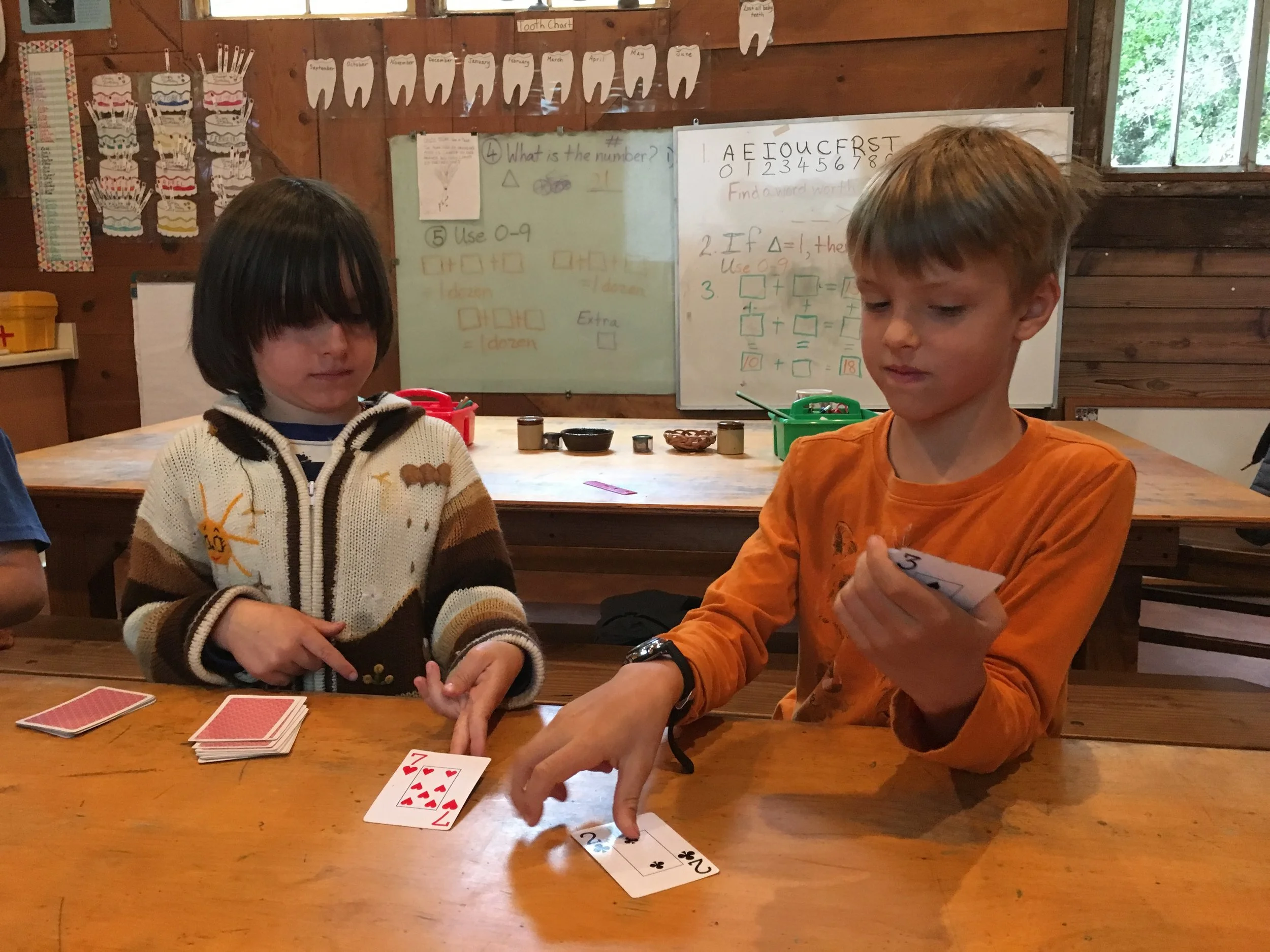
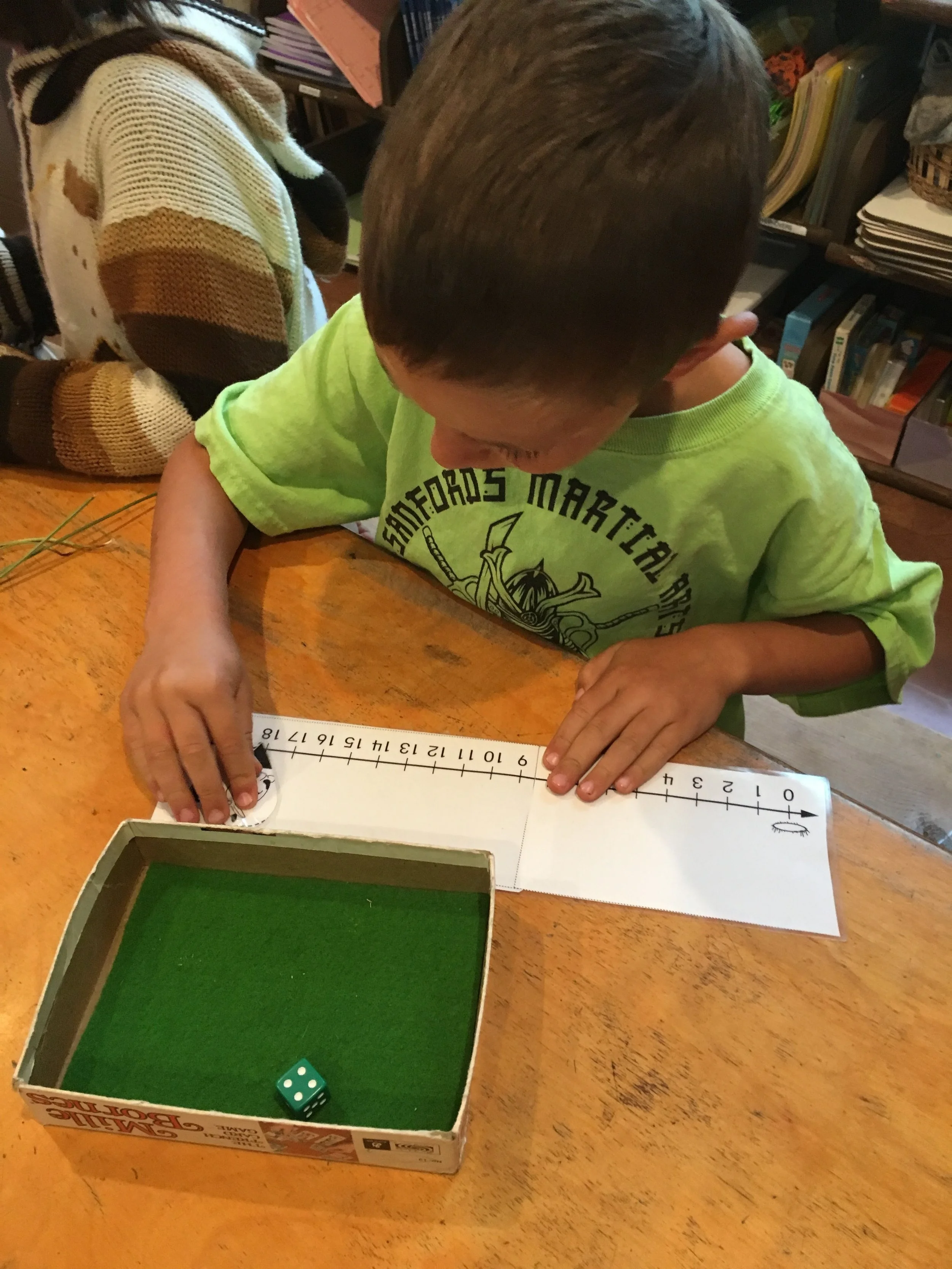
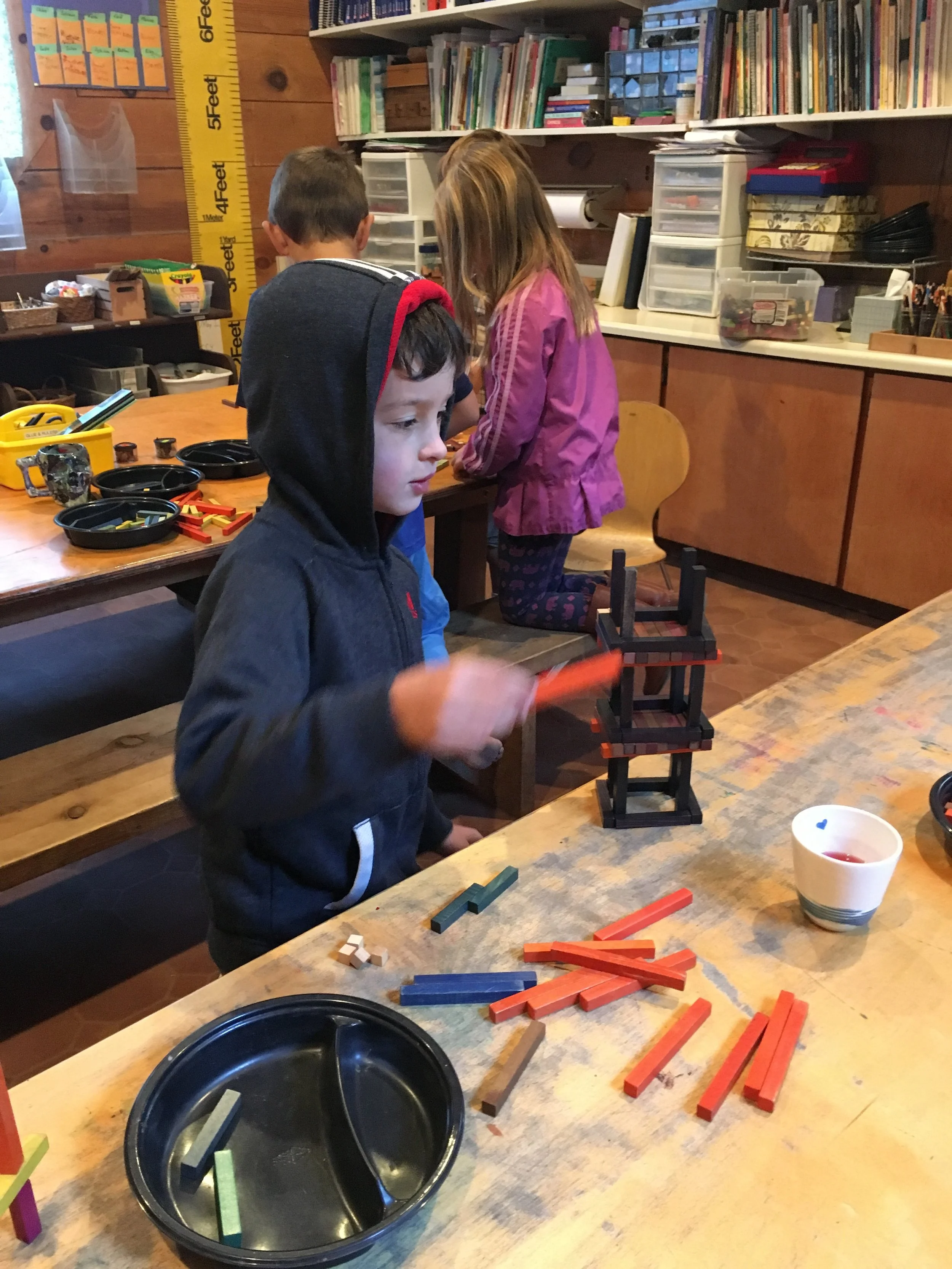
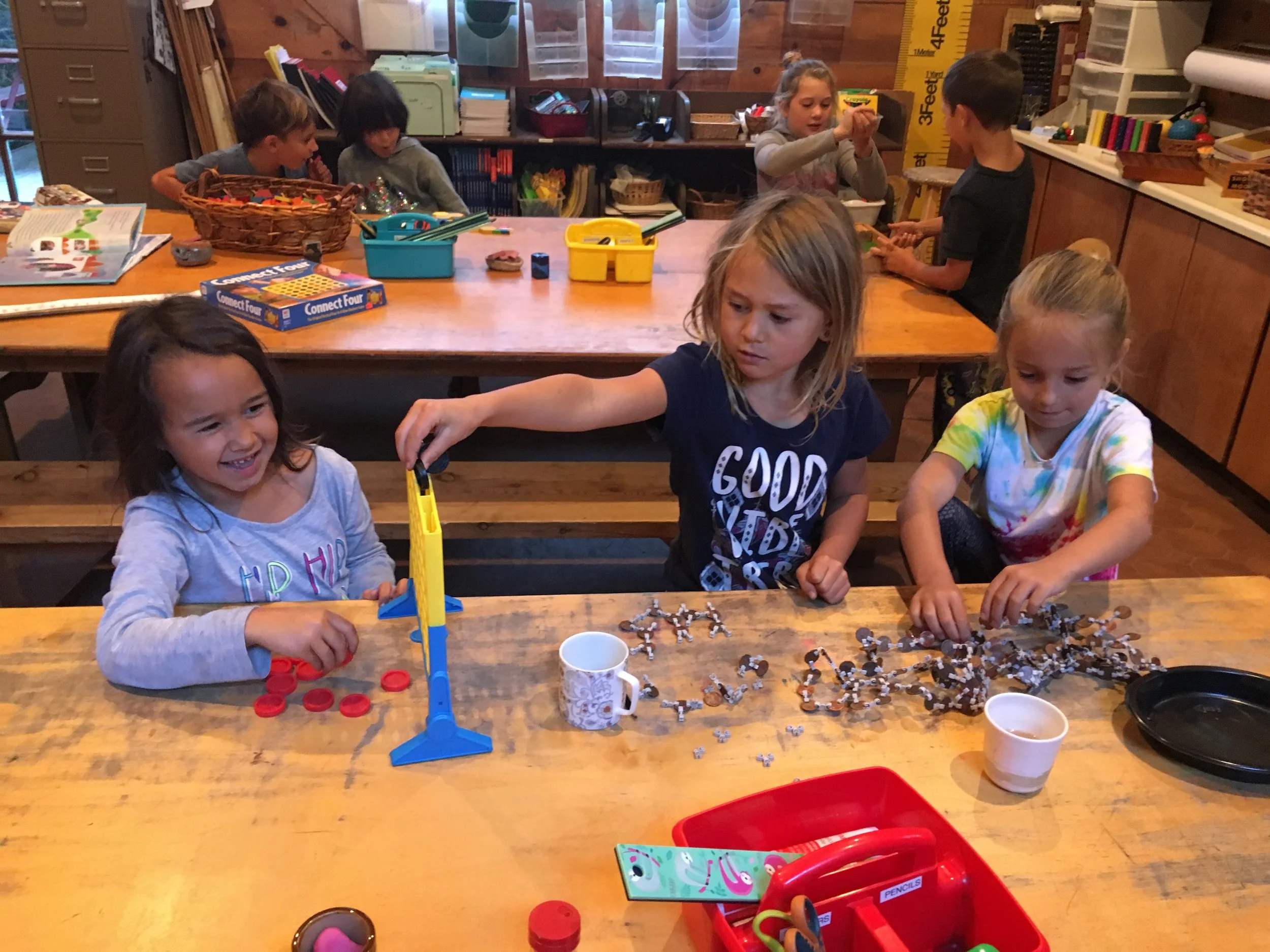
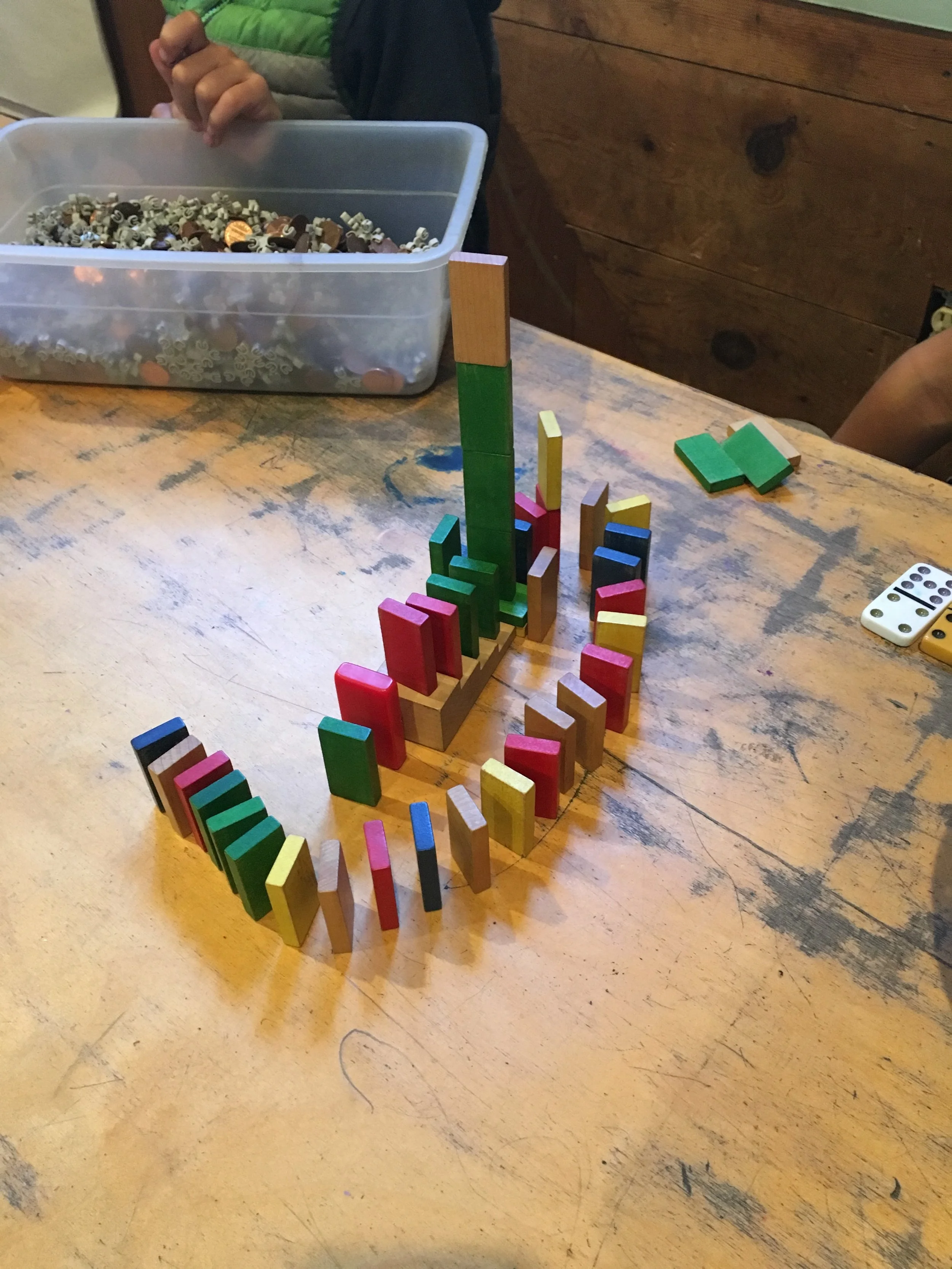
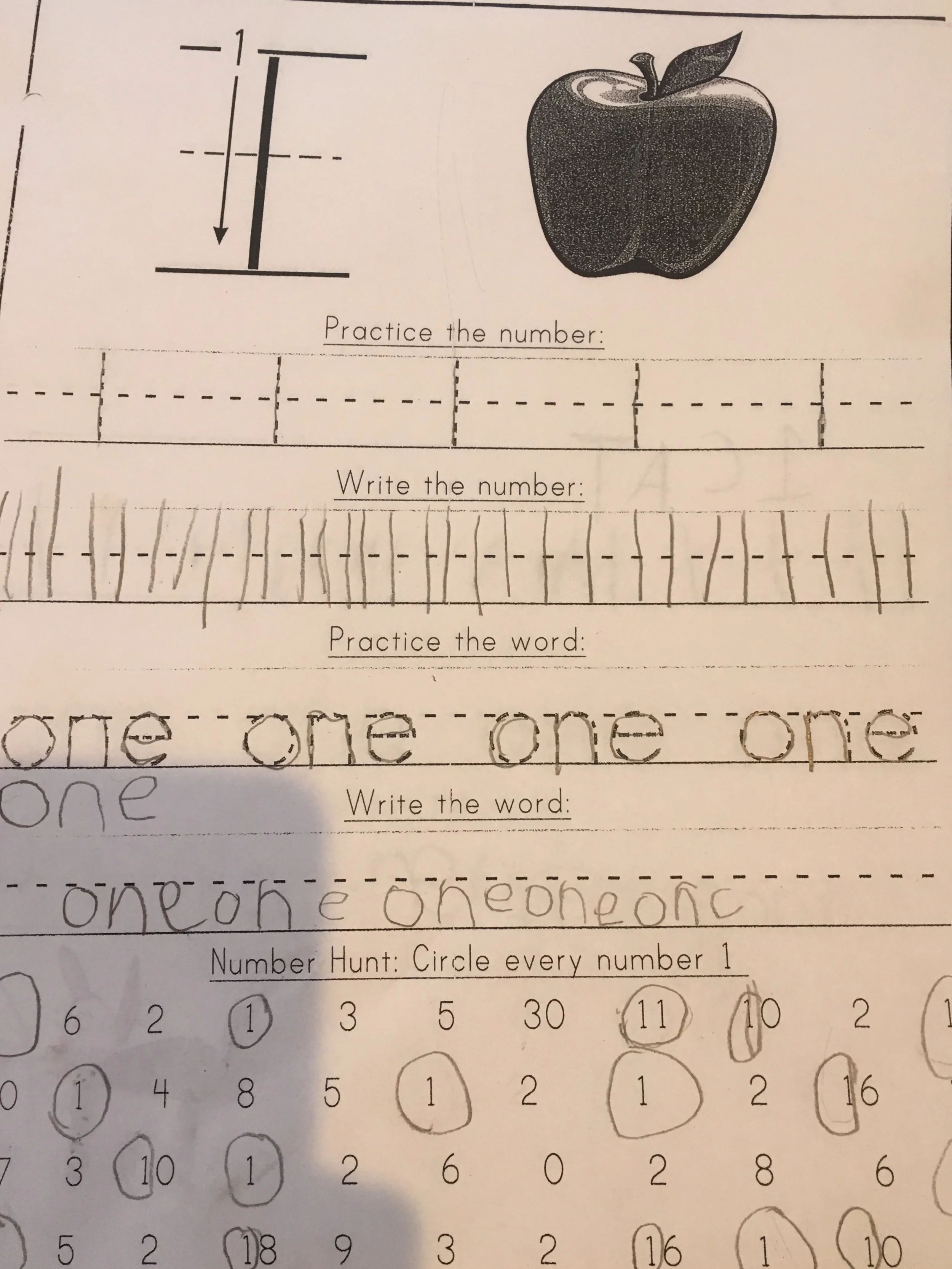
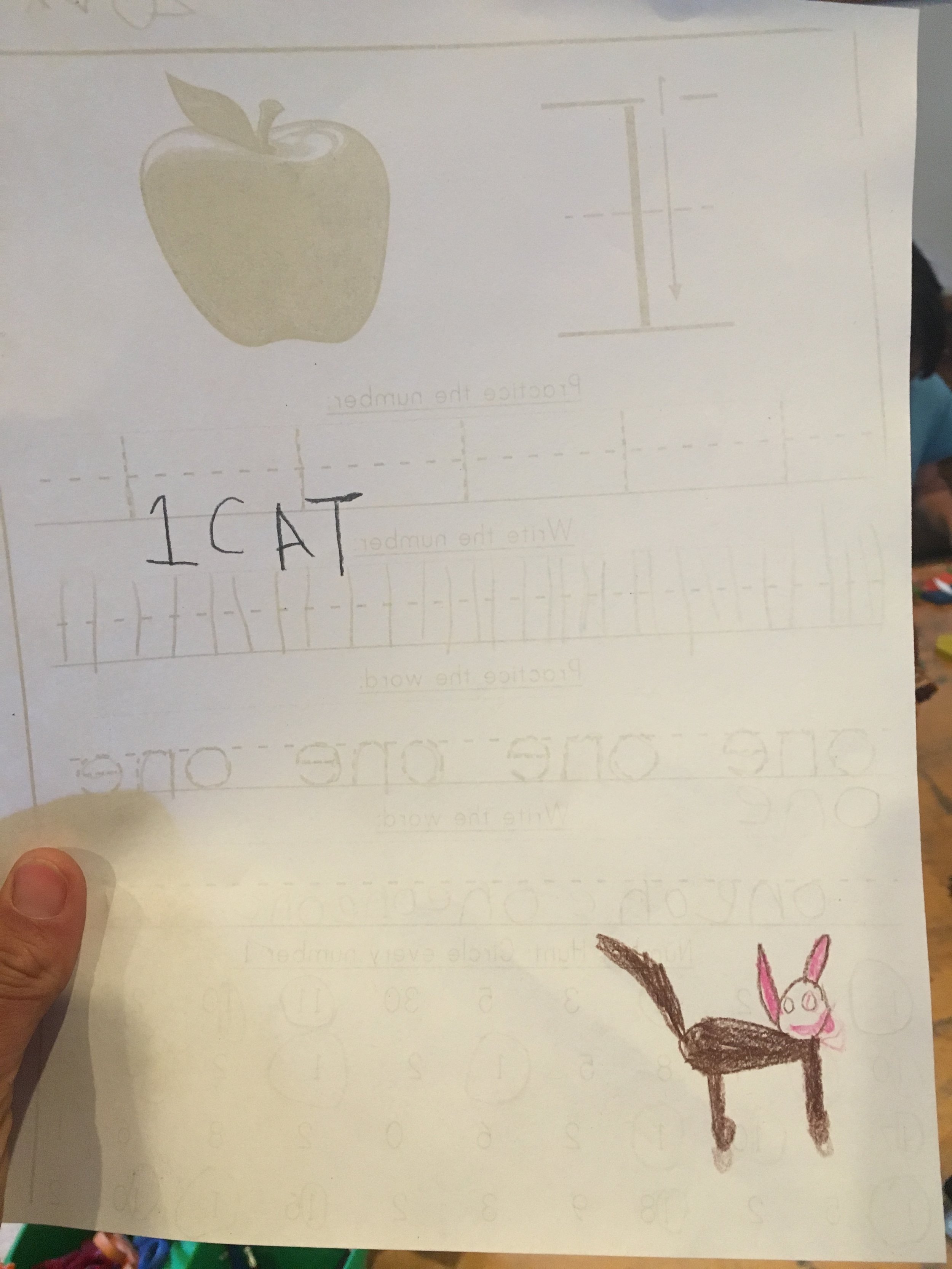
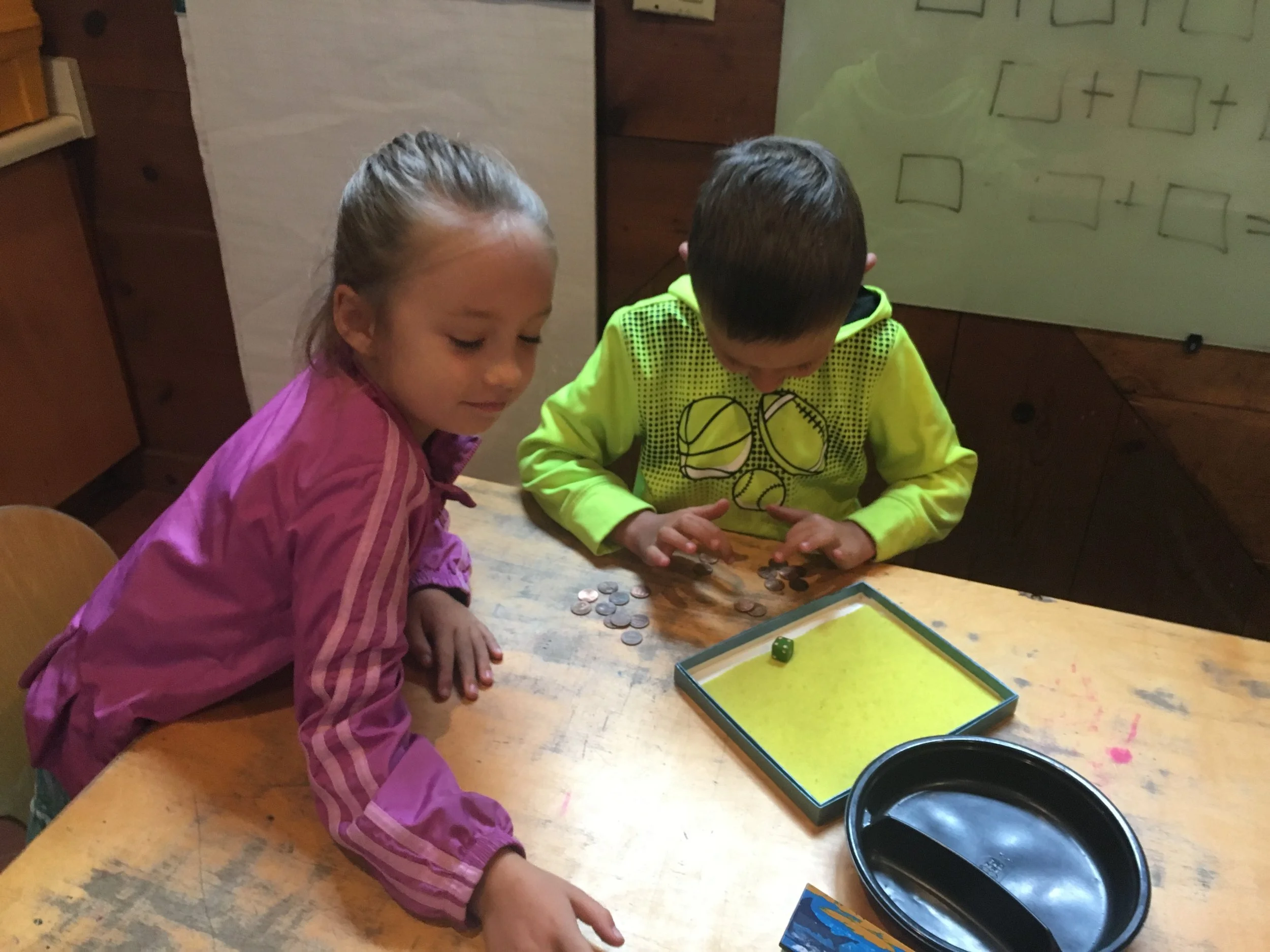
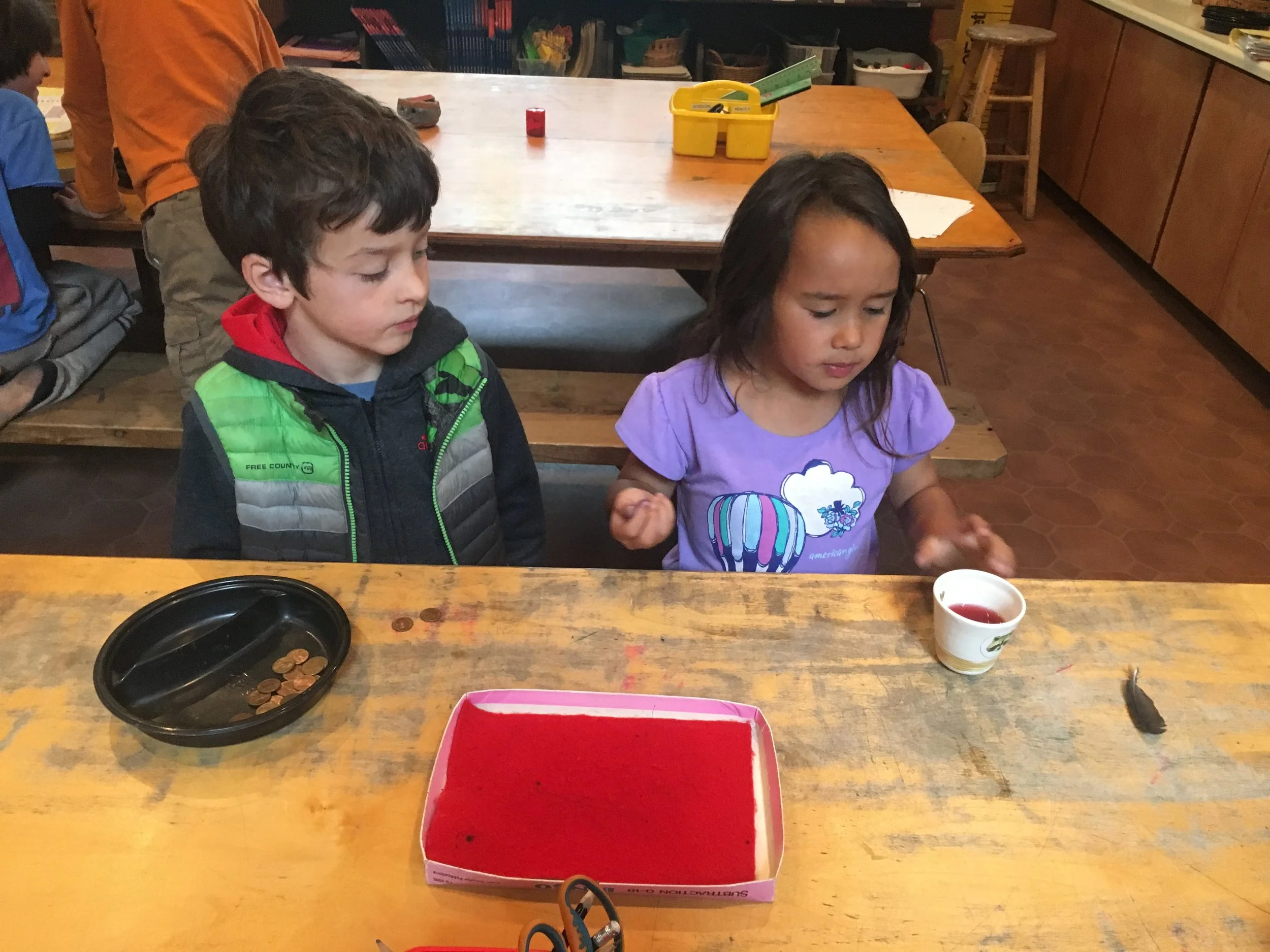
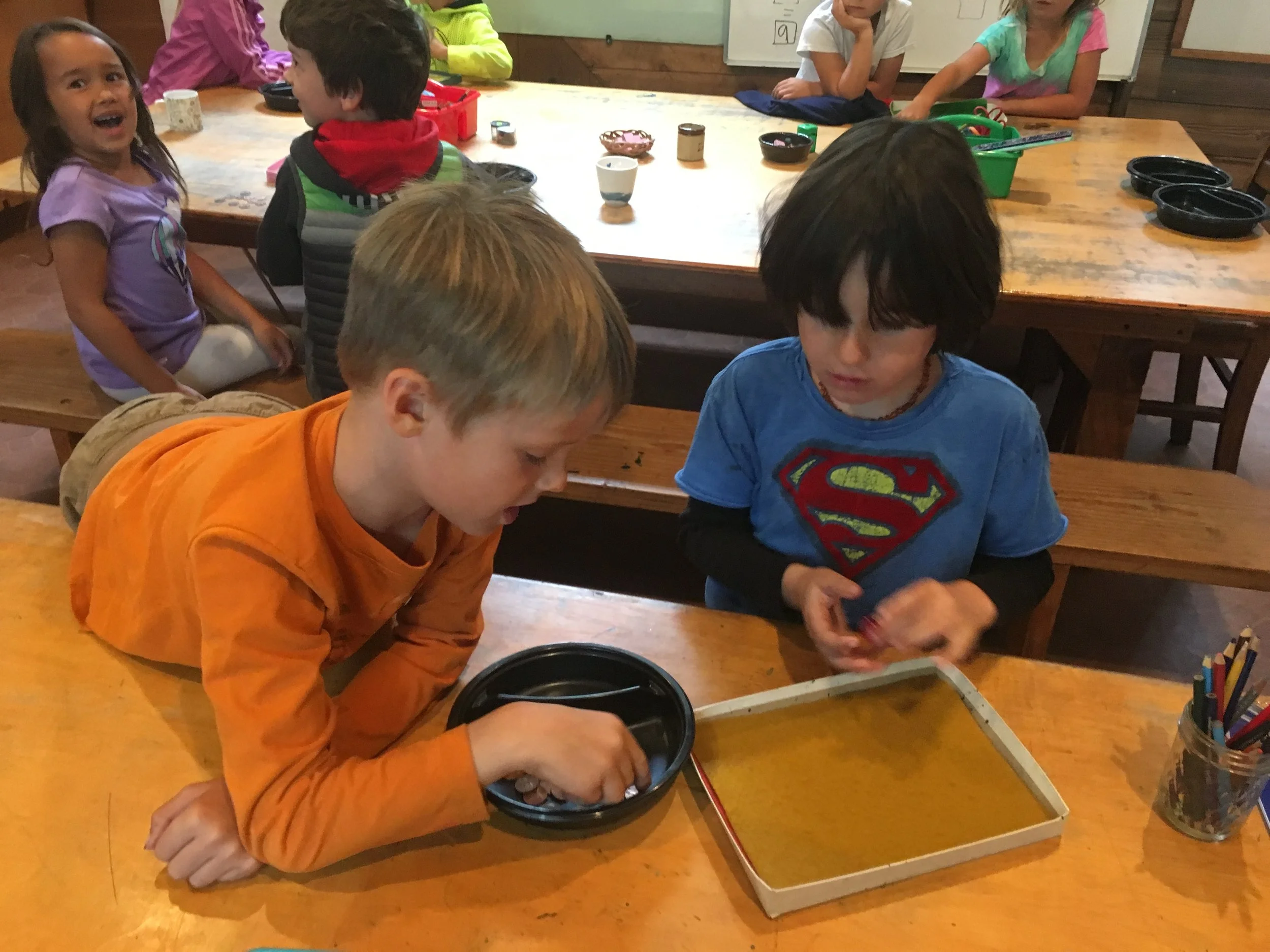
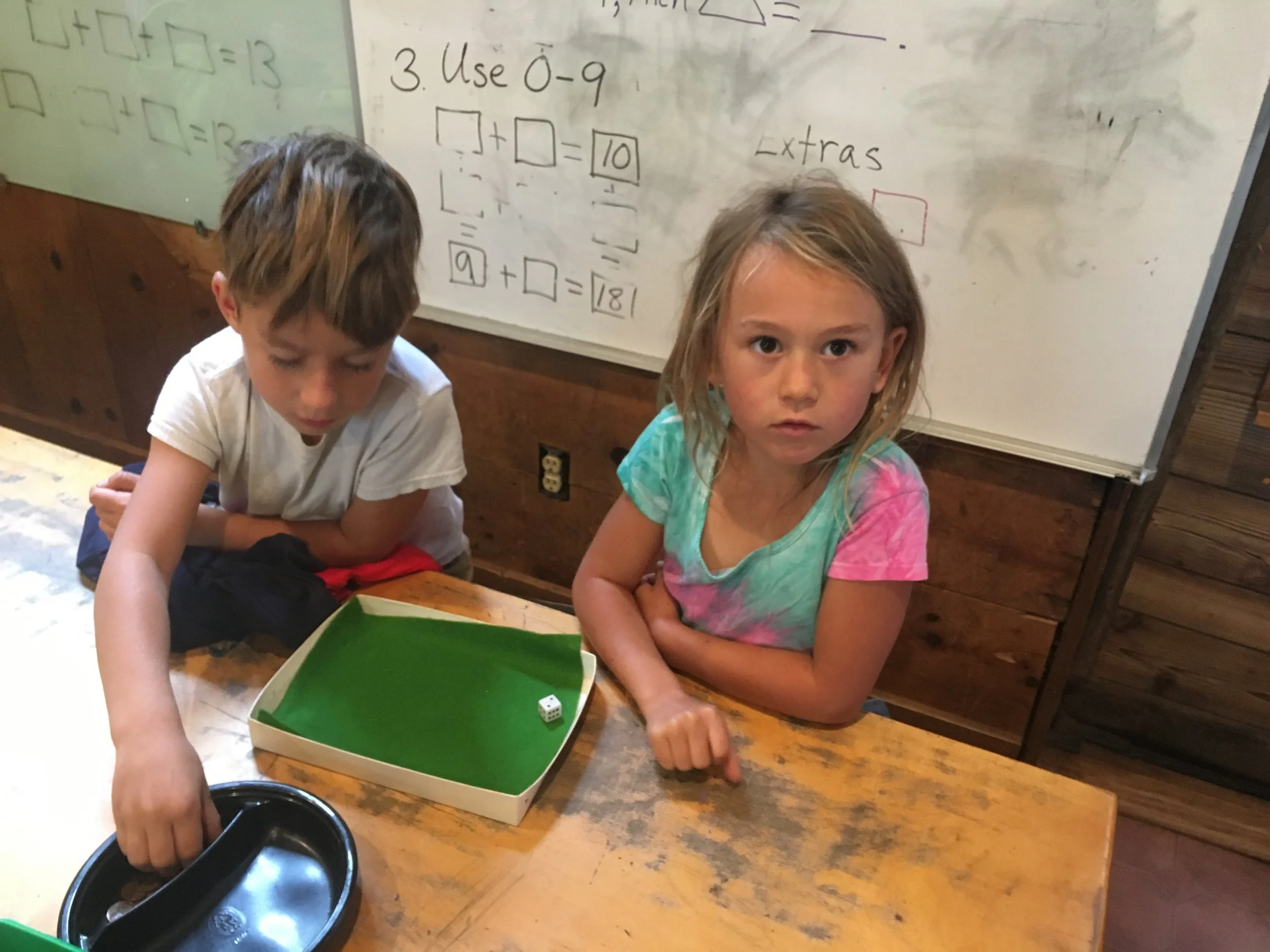
Since my last post, we have embarked upon our math adventure together. We have discussed the numbers 1 and 2, historically and in our present lives: some students have two children in their families, others have two cats or had two cats. We have practiced pencil grip and writing the numbers 1 and 2 from top to bottom while I tell the little old lady stories as an auditory, visual reminder for direction. Please check pencil grip and top to bottom when writing at home, these habits are hard to shift. Whole group we have played Monster Squeeze: a game which involves the class number line and in which students try to guess a secret number between 0 and 20. As they grow more confident with the number line and familiar with the game we will expand the range. We have also used a number line to play the game of Bunny Hop, an individual game in which a bunny hops along a number line to reach its den. Students roll a die to determine the number of hops and can use the dots on the die to count if they are unsure of the number. A common error is to start counting at the number the bunny is sitting on. This group did not seem to struggle with that. Dice are also a manipulative and visual aid in the game Shut the Box, where students are practicing addition and number recognition. Another game they really enjoyed was the Penny Dice Game, in which partners take turns rolling a die to determine how many pennies they take from a plate with 20 pennies. Games are a great way to practice math concepts, some recommendations for at home: card games such as War (Top It), Uno, Chutes and Ladders, and Parcheesi. We discussed the concept of one more and one less and students drew and dictated one more or one less stories. Students are becoming familiar with the class jobs and are taking pride in presenting the number of days in school, attendance, temperature, weather, and date. They are a sweet group and get along very well right now.
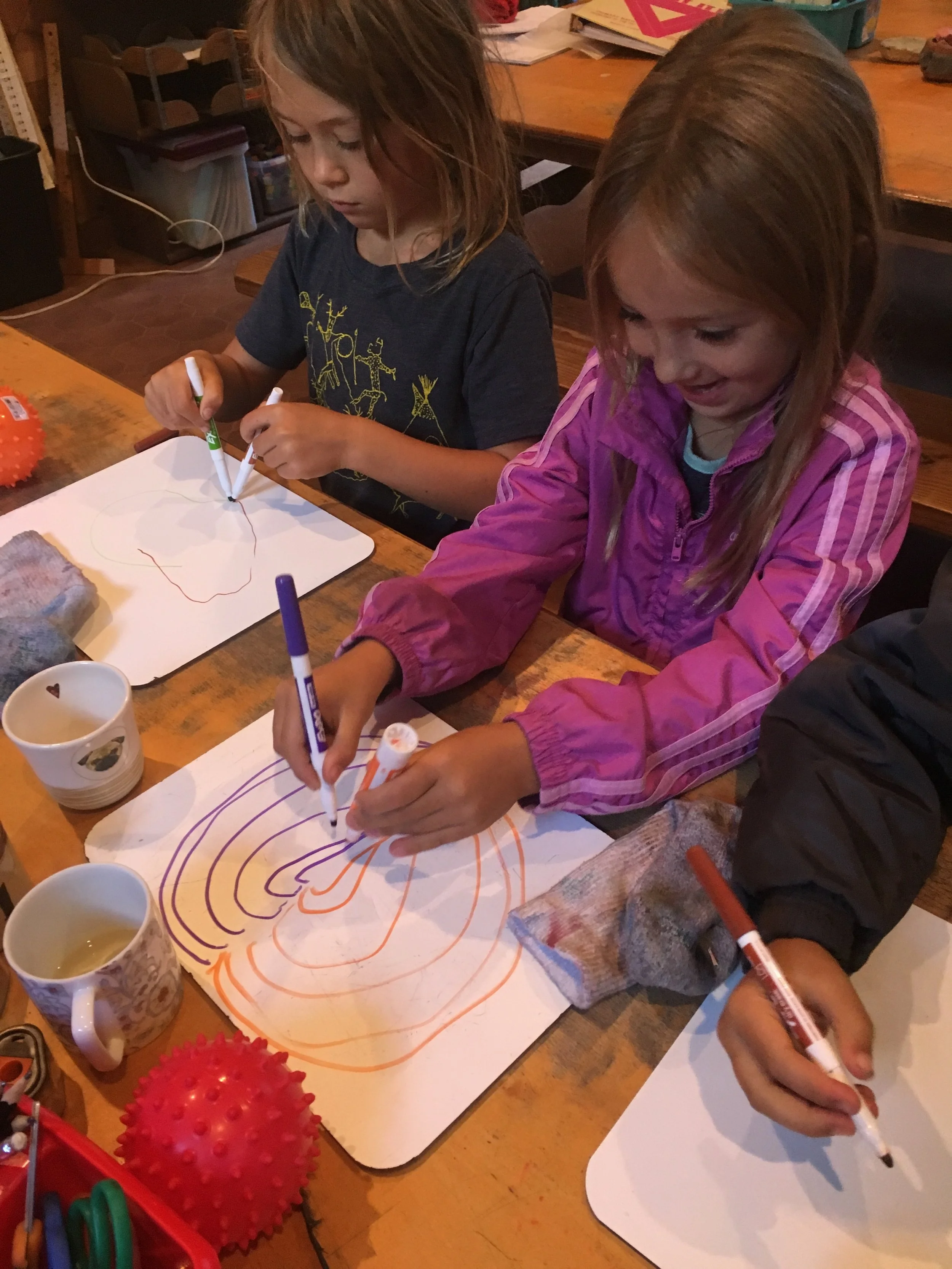
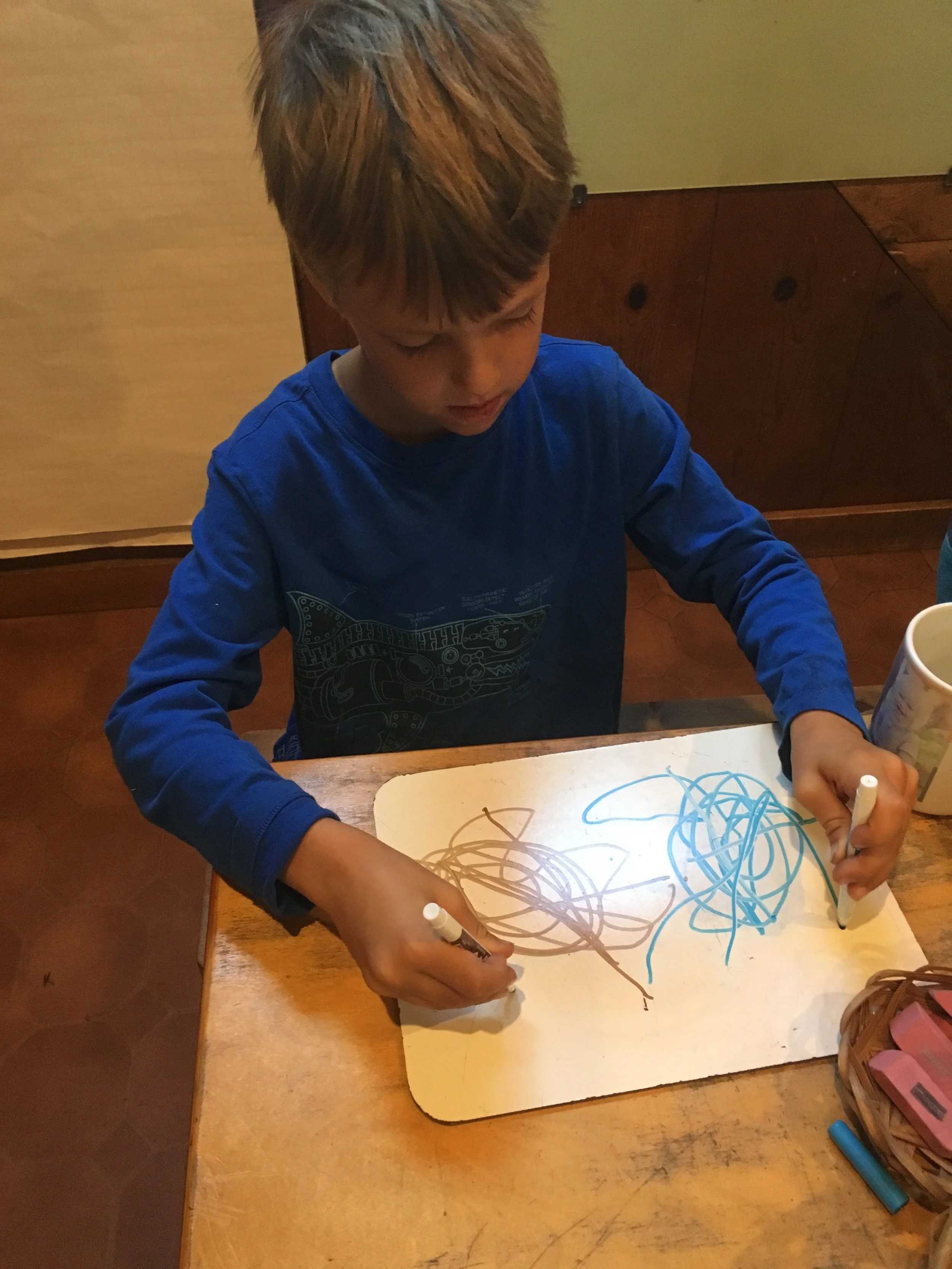
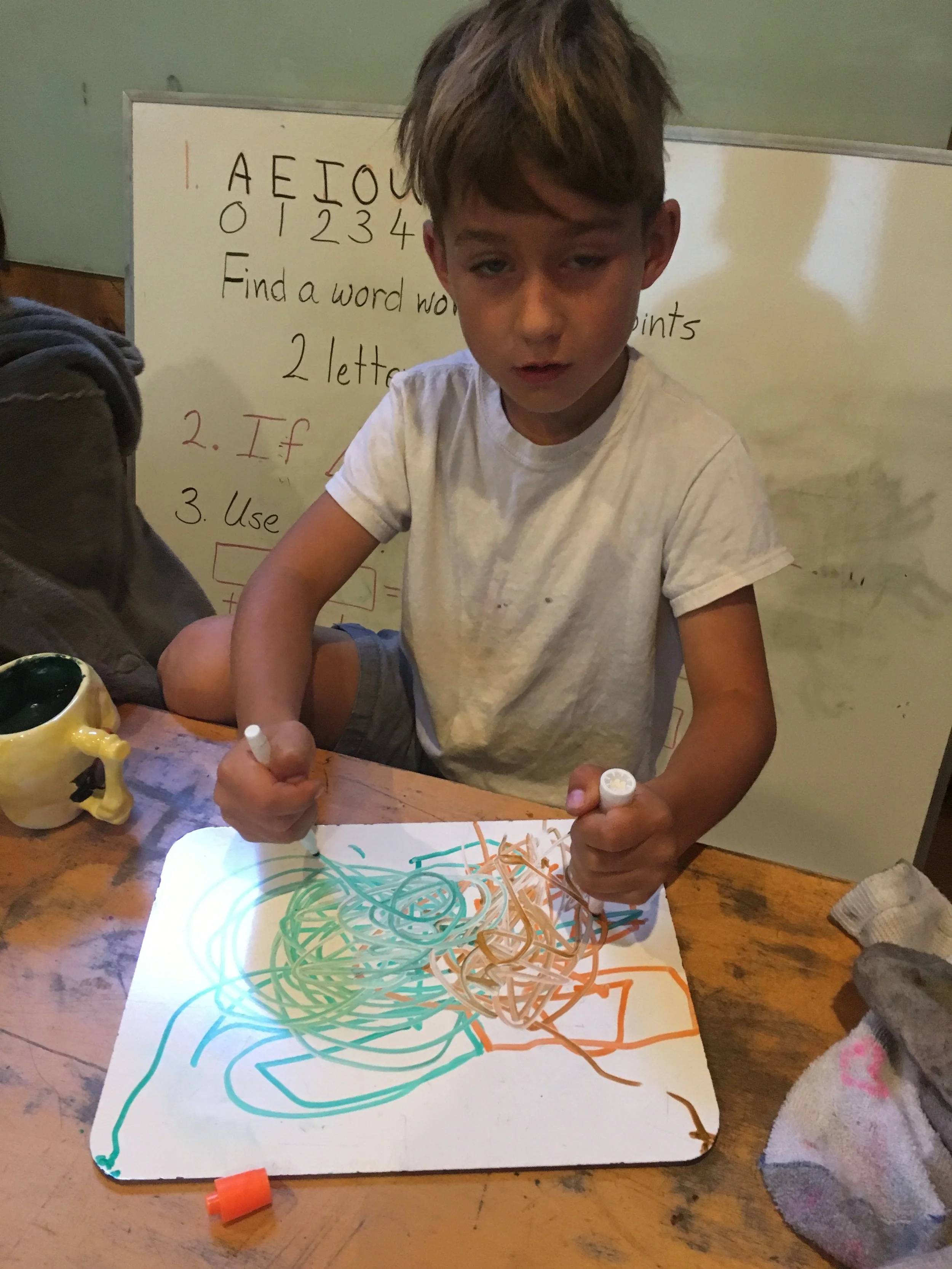
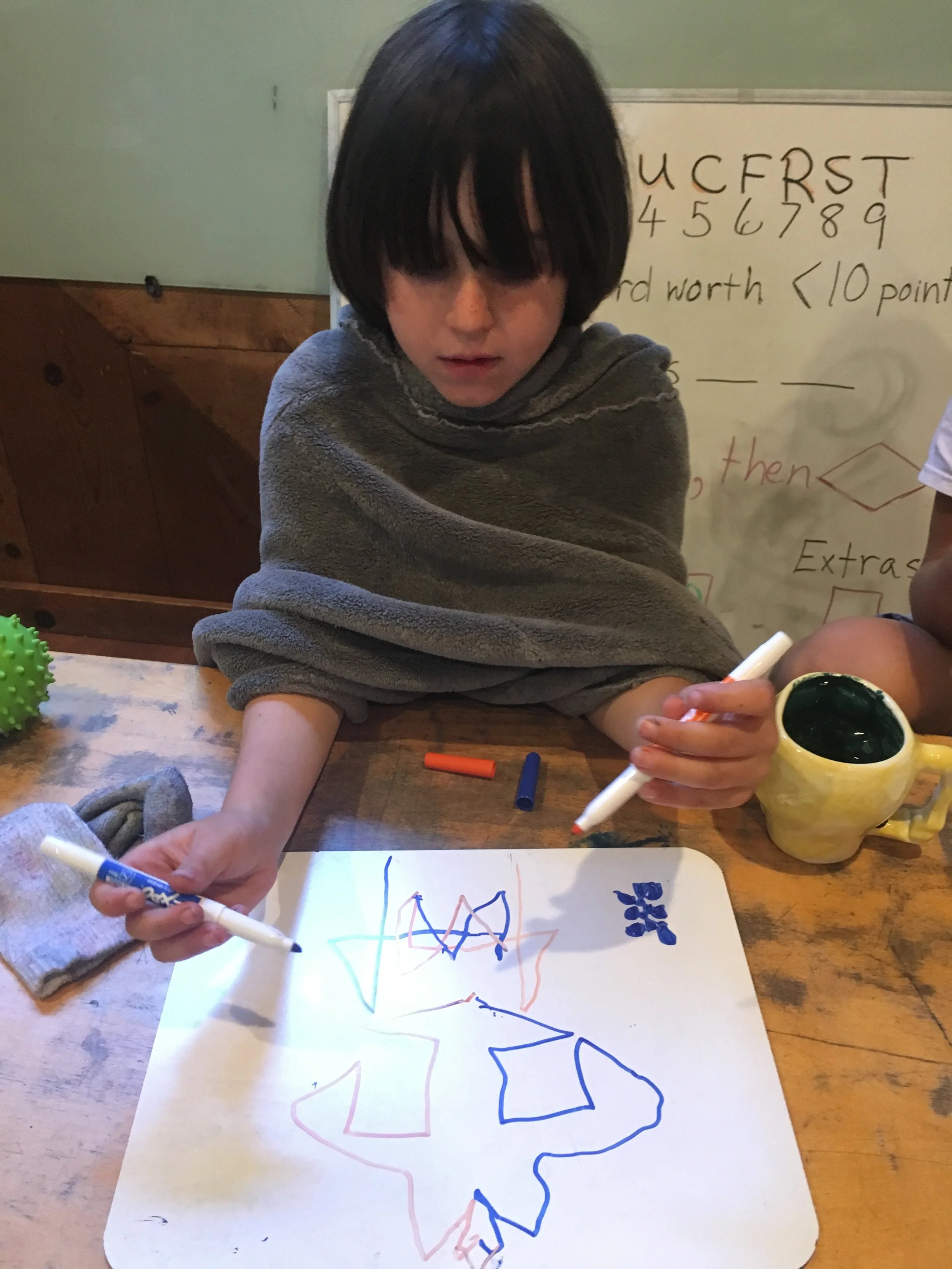
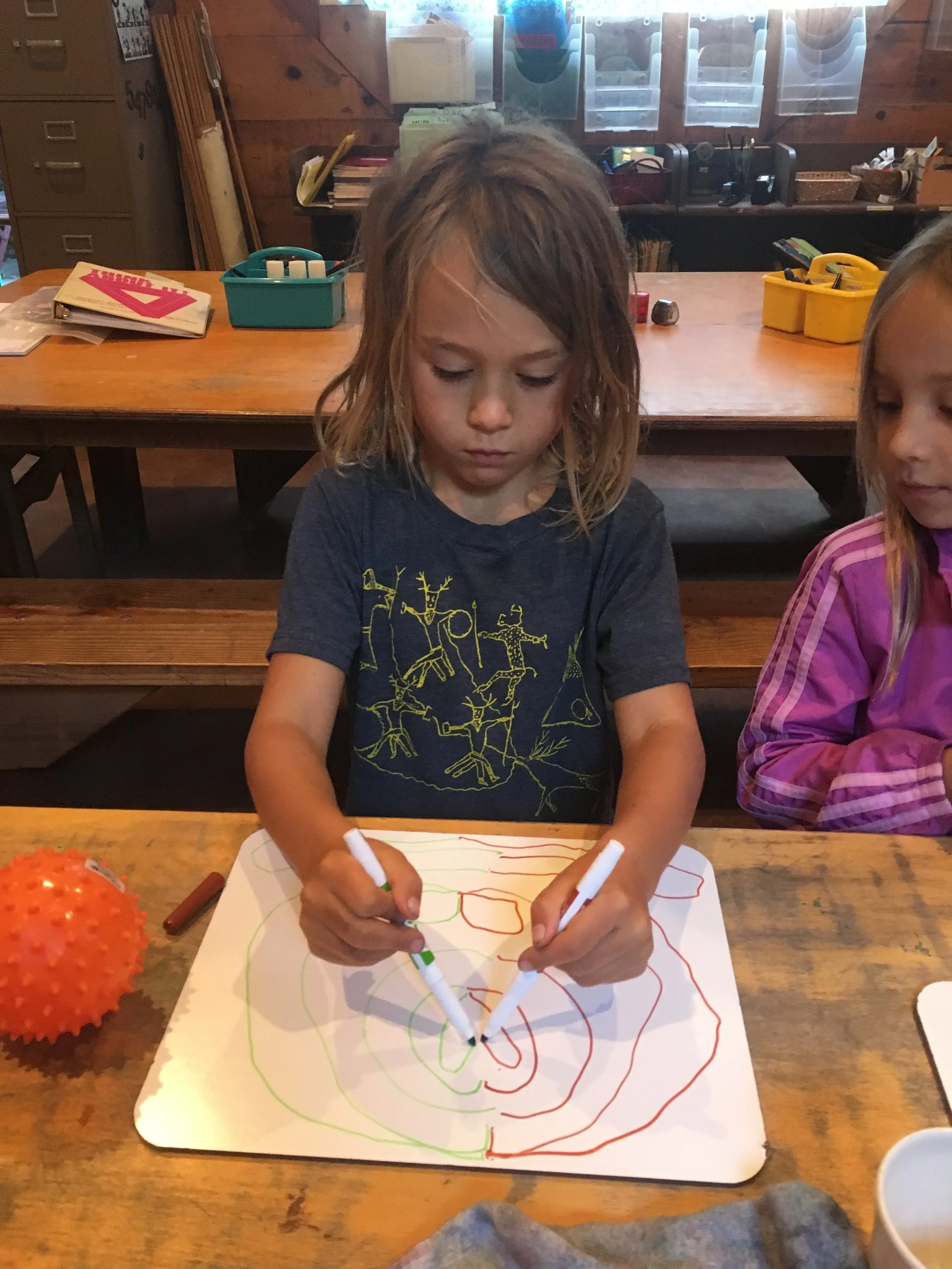
We also did a fun brain gym activity when I first introduced the whiteboards where students use two markers and try to draw mirror images with both hands. This helps to connect both sides of the brain.
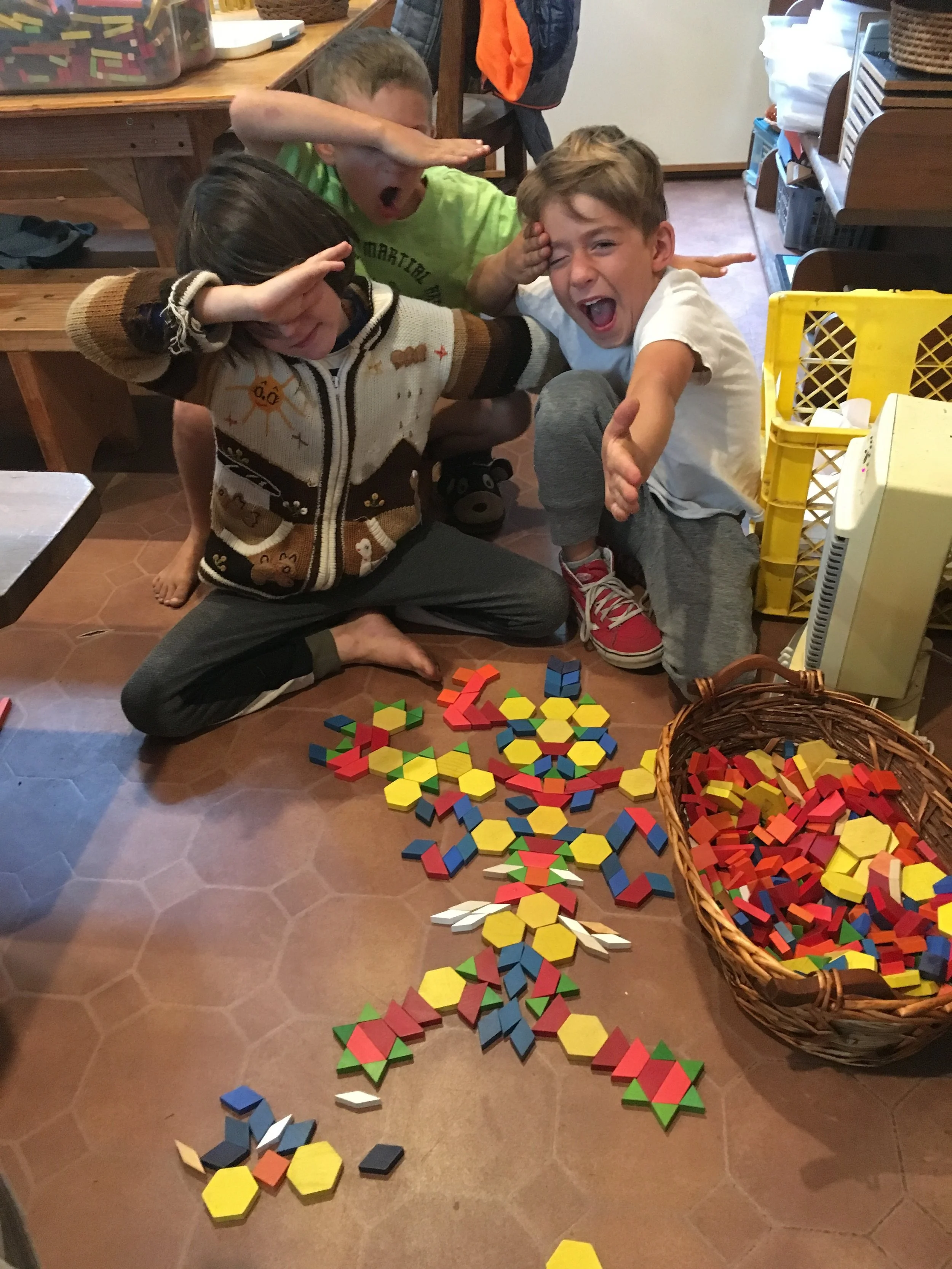
At home, please think of math as you would of literacy. Incorporate numbers into your daily lives. Play card games, board games, tell number stories, count objects, have children put objects in order, point out shapes or symmetry, handle coins and discuss value, love math!